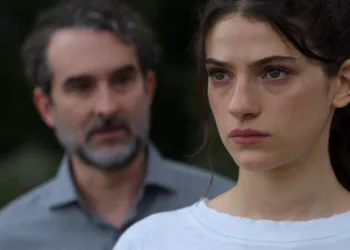





























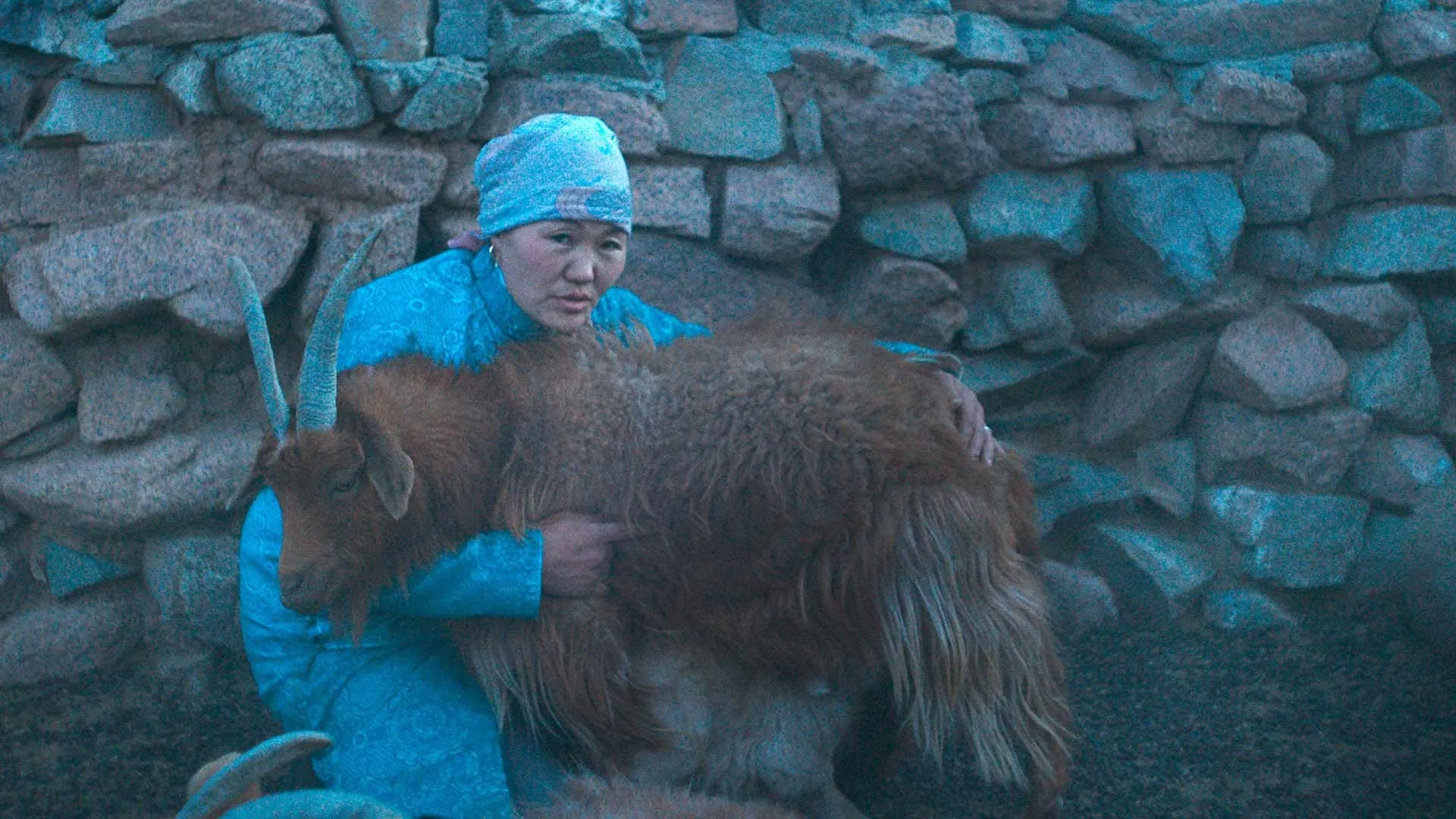

Australia has selected The Wolves Always Come at Night as its submission for the Academy Award for best international feature, positioning Gabrielle Brady’s Mongolian-language docufiction as the country’s contender in a crowded field this season. The film, which premiered in Toronto’s Platform program in 2024 and later played London, follows a herder couple forced from the Gobi steppe to Ulaanbaatar after climate shocks devastate their livelihood.
It blends observational nonfiction with staged scenes co-created with its subjects, a hybrid approach that has become central to Brady’s practice. Australia has only once reached the final five in this category, with Tanna in 2017, underscoring both the opportunity and the uphill path for a nation that submits infrequently because most local features are predominantly in English.
The selection arrives as the international race accelerates ahead of the Academy’s October 1 submission deadline and December 16 shortlist. Australia’s entry meets the release window and language requirements and taps into ongoing voter interest in formally adventurous nonfiction, even as fiction-leaning titles often dominate the final lineup. The film’s visibility was boosted by its Toronto berth and ensuing festival run, though its debut was marked by travel-visa issues that prevented the Mongolian protagonists from attending opening screenings.
Brady, whose earlier feature Island of the Hungry Ghosts drew wide festival acclaim, frames the new film as a collaboration with the family on screen, emphasizing consent, payment, and shared authorship. Thematically, the feature sits at the intersection of climate displacement, urban migration, and cultural continuity, with cinematographer Michael Latham’s widescreen images tracking a move from open rangeland to city edges. Australian release plans and international sales give the submission a commercial footprint that could aid campaign efforts across guild and Academy screenings.
Australia’s committee has in recent years alternated between Indigenous-language stories, immigrant narratives, and regional co-productions; the current pick extends that pattern while foregrounding Central Asian voices through an Australian creative lens. If it advances, the film would join a shortlist shaped by recent Academy rule updates and a diverse slate of global entries.