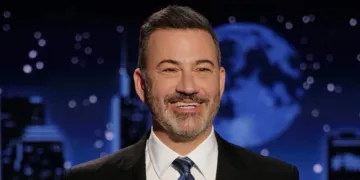













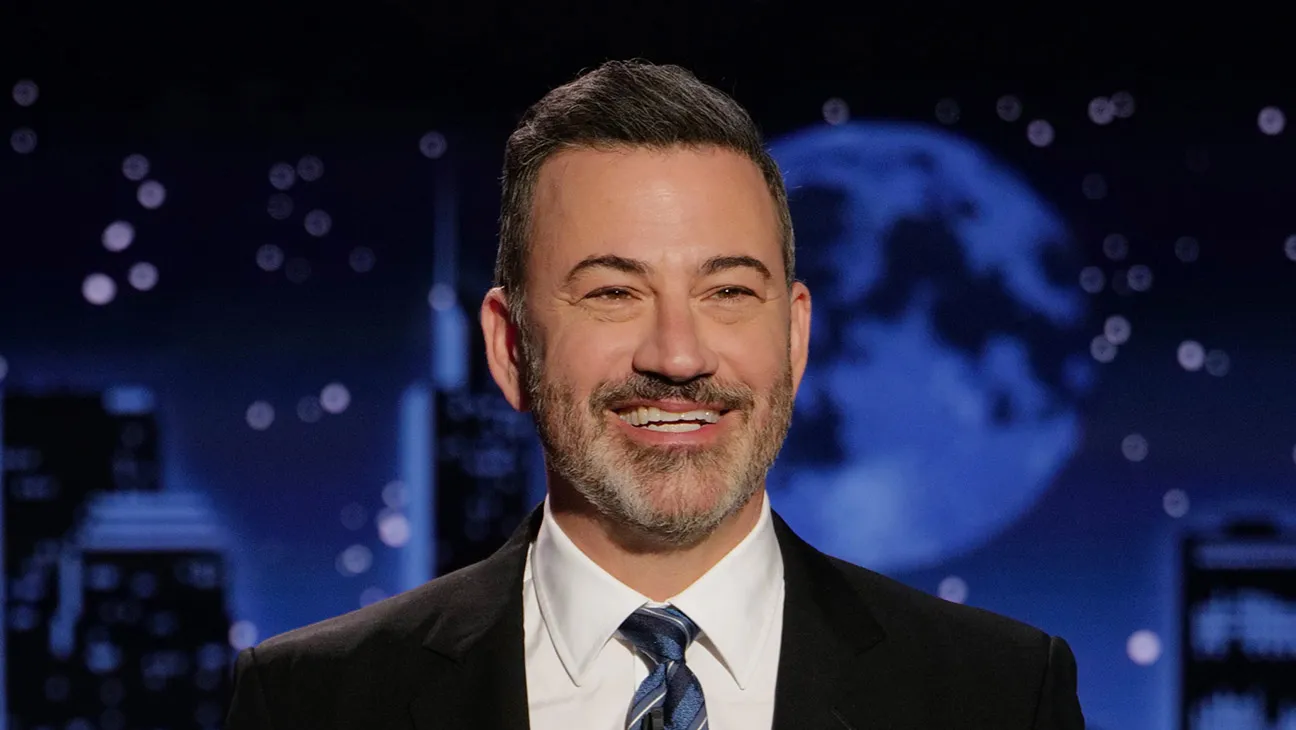

Jimmy Kimmel returned to late night with a 15-minute monologue that addressed his weeklong suspension, defended on-air satire as protected speech, and clarified remarks he made after the killing of conservative activist Charlie Kirk. He opened by acknowledging the anger his earlier commentary provoked and said the intent was to push back on politicized narratives rather than mock a death, adding that grief and decency should not be weaponized. He invoked past broadcast flashpoints to argue that television hosts have an obligation to speak plainly about public life, even at professional risk.
Kimmel criticized political figures who celebrated his absence and rejected the idea that government officials should lean on networks or stations to punish performers for speech. He took aim at suggestions from federal regulators and partisan media that affiliates should drop his program, calling such pressure corrosive to editorial independence. The show’s reinstatement followed internal discussions with Disney; the company announced his return for Tuesday night, describing the intervening days as a period for reflection and “thoughtful conversations.”
The broadcast also noted that some major station groups continued to preempt the program despite the network’s decision to move forward, leaving portions of the ABC footprint without the new episode. Kimmel framed the blackout as an unfortunate consequence of a broader climate where culture-war incentives collide with the economics of local television. He thanked colleagues and viewers for support and said disagreement with jokes or arguments should be met with more speech, not fewer platforms.
The return caps a volatile stretch in which entertainers, advocacy groups, and investors weighed in on the suspension’s implications for corporate governance and creative risk-taking. Financial and media analysts parsed whether the flap materially affected the parent company’s performance or merely intensified existing pressures tied to cord-cutting and streaming churn. Inside late night, Kimmel’s reappearance becomes a fresh data point in a season of uncertainty, with programming decisions increasingly shaped by advertiser caution, audience fragmentation, and outsized political scrutiny of comedy.