
























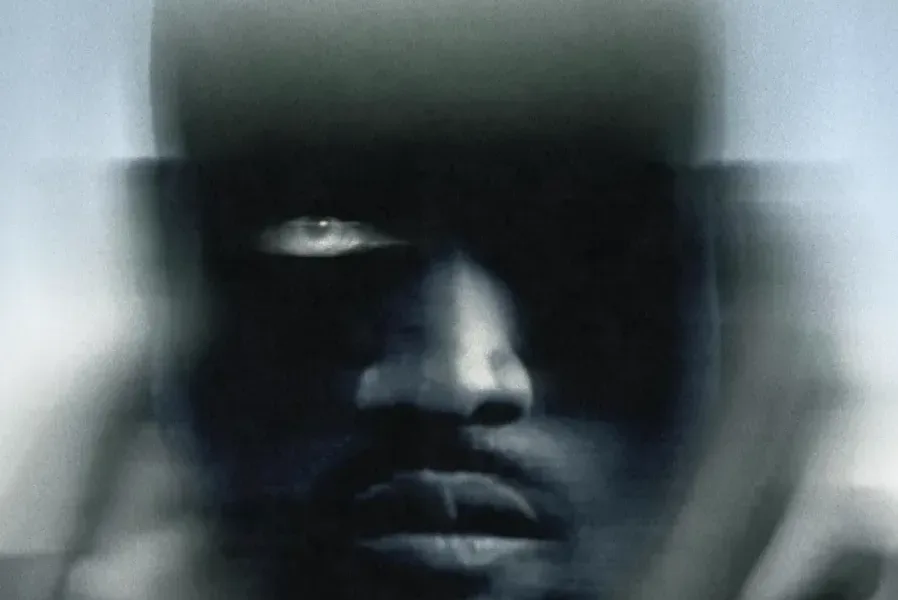

Nico Ballesteros’s documentary “In Whose Name?” is less a film about a musician and more a six year immersion into a uniquely American cultural tempest with global reverberations. Compiled from an astonishing 3,000 hours of footage, the project chronicles the artist Ye through a period of profound public and private turmoil. Ballesteros, who began filming as a teenager, employs a raw cinéma vérité style that dispenses with the standard biographical tools of narration or retrospective interviews.
What remains is a direct, often punishingly intimate confrontation with a figure caught at the nexus of artistic genius, mental health crisis, and incendiary controversy. The film offers no guide and no easy answers, presenting instead an unfiltered record of a personal and professional unraveling that became a worldwide spectacle. It is a demanding viewing experience, a chaotic journey into a mind whose influence and instability were broadcast across cultural frontiers.
The Unmediated Gaze
The documentary’s defining feature is its startling and sustained proximity to its subject. Ballesteros operates as a fly on the wall, and this choice fundamentally shapes the work’s meaning. The aesthetic is immediate and unpolished, with much of the footage bearing the texture of an iPhone recording, which aligns it with the visual language of global social media.
This unfiltered access provides a rare glimpse behind the curtain of manufactured celebrity events. Yet, this closeness is fraught with complexity. The persistent presence of the camera blurs the line between observation and performance, leaving the audience to question if they are witnessing authentic behavior or a version of reality curated for an audience of one: the lens itself.
By stripping away all external context, the film forces viewers from any culture to become active interpreters of the chaos. This lack of mediation is both the film’s greatest strength and its most disorienting challenge, capturing moments of genuine vulnerability alongside displays of monumental ego.
Anatomy of a Cultural Implosion
The film’s narrative is built from the inside perspective of Ye’s most notorious public actions. The backstage footage from his Saturday Night Live appearance, where he donned a MAGA hat, becomes a dense cultural text, capturing pointed confrontations with Michael Che and Swizz Beatz that articulate a debate within the Black American experience.
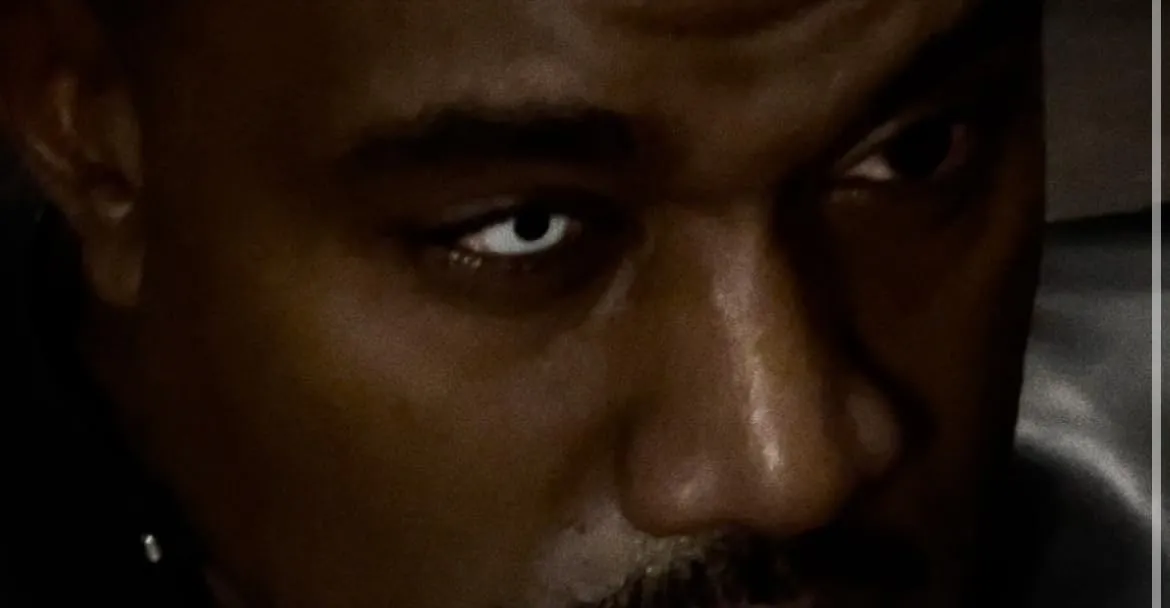
His meeting with Donald Trump and his association with right wing figures like Candace Owens are presented not just as personal choices but as flashpoints where American political identity, race, and celebrity power intersect. These public spectacles are interwoven with painfully raw domestic scenes.
Arguments with Kim Kardashian and Kris Jenner over his refusal to take medication for his bipolar disorder reveal a universal family struggle, yet it is one refracted through the specific, globally recognized prism of the Kardashian brand. The film meticulously documents the alienation of allies and the eventual collapse of his corporate partnerships, illustrating a self inflicted demolition played out for the world to see.
A Narrative Without a Throughline
Near the documentary’s end, Ye himself observes that without a clear narrative thread, the film risks becoming just “one antic to the next.” This piece of self awareness serves as the work’s central critical question. The film’s linear, episodic structure intentionally avoids imposing a conventional story arc of rise, fall, or redemption.
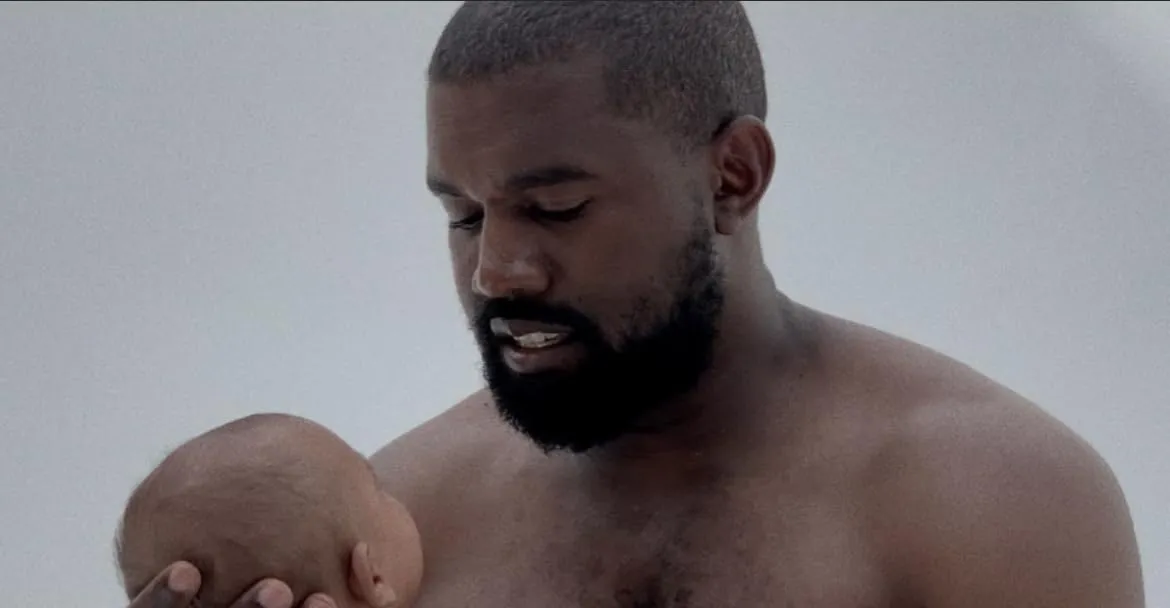
Instead, it mirrors the chaotic, relentless stream of information that defines the modern media environment in which Ye operates. This shapelessness can be interpreted as an artistic choice reflecting the fragmented nature of its subject’s mind and the culture that surrounds him.
The documentary offers no tidy resolution. It functions less as a character study with a clear verdict and more as an exhaustive archive of a public downfall. It leaves the viewer to ponder whether it presents a new understanding of its subject or simply provides a more intimate confirmation of what was already furiously debated across the global public sphere.
“In Whose Name?” is a 2025 American documentary film about the life of the rapper and producer Kanye West (now known as Ye), covering a tumultuous six-year period from 2018 to 2024. The film, directed by Nico Ballesteros, uses a cinéma vérité style, presenting over 3,000 hours of raw, unfiltered footage without narration or talking-head commentary, offering an observational look at West’s struggles with bipolar disorder, his 2020 presidential campaign attempt, the collapse of his marriage with Kim Kardashian, and his various public controversies and statements. The film had a limited theatrical release in the United States on September 19, 2025, distributed by AMSI Entertainment in partnership with major theater chains. The director has stated that a new director’s cut will be made available when the film is eventually added to streaming services.
Full Credits
The Review
In Whose Name?
"In Whose Name?" is a valuable, chaotic document, offering an unprecedented and punishingly intimate look into its subject's unraveling. While its raw, unfiltered access is its greatest strength, the lack of a narrative frame makes for a frustrating, exhausting experience. It succeeds as a cultural artifact and a chronicle of a collapse, but struggles to provide insight beyond the spectacle itself, mirroring the very chaos it seeks to portray.
PROS
- Unprecedented, intimate access to a major cultural figure during a turbulent period.
- The raw, cinéma vérité style creates a powerful sense of immediacy and authenticity.
- Provides a rare behind-the-scenes perspective on widely publicized controversies.
- Effectively captures the chaotic and performative nature of its subject.
CONS
- The lack of structure makes the film feel shapeless and at times tedious.
- Offers few new revelations for viewers already familiar with the public narrative.
- The viewing experience is relentlessly intense and can be emotionally draining.
- Avoids any external analysis, leaving the viewer with more questions than answers.