
























![Kingdom Hearts Collection [I-III] Review](https://gazettely.com/wp-content/uploads/2026/10/Kingdom-Hearts-Collection-I-III-1-360x180.webp "Kingdom Hearts Collection [I-III] Review: KHII Holds Steady as Newer Entries Fluctuate 37")



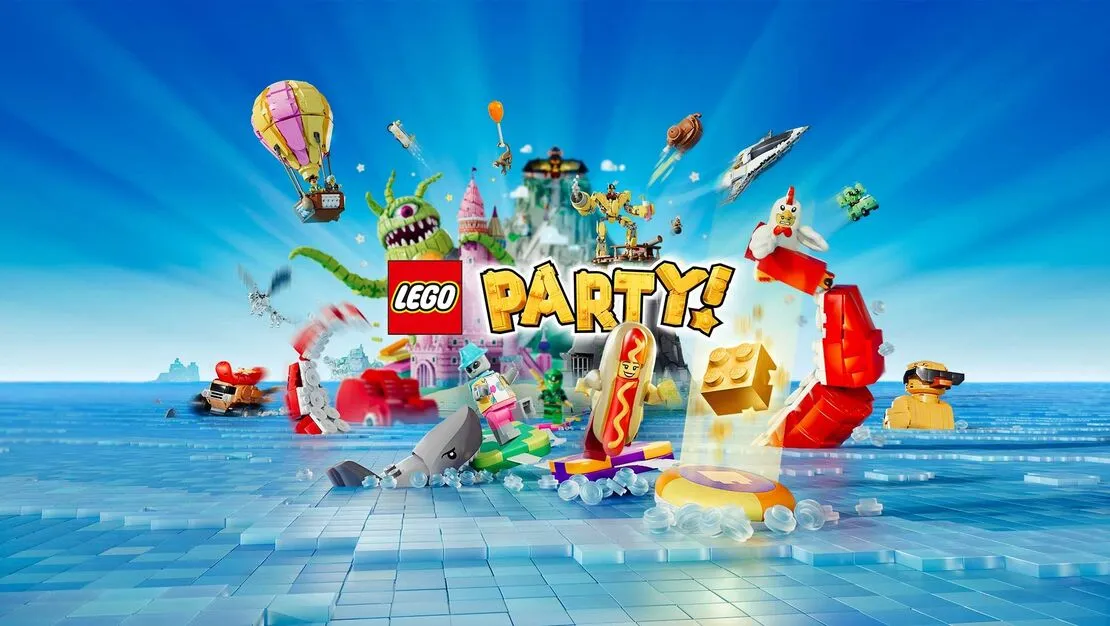

LEGO Party! arrives as a four-player competitive board game experience that finally breaks the genre free from platform exclusivity. Players navigate themed boards while competing in mini-games, collecting studs (the LEGO universe’s currency) to purchase golden bricks. Victory goes to whoever accumulates the most golden bricks by match’s end. The game packages 60 mini-games across four distinct themed boards, all wrapped in cheerful LEGO aesthetics that appeal to families and party game enthusiasts alike.
Crossplay functionality across all modern consoles and PC makes gathering friends significantly easier than genre competitors that remain locked to specific platforms. Hundreds of mini figures offer extensive customization options, letting players express themselves through classic LEGO characters or entirely custom creations. The focus remains squarely on multiplayer competition, delivering the chaotic fun these experiences promise while introducing several smart mechanical refinements to familiar formulas.
Smart Mechanical Tweaks Elevate the Formula
The basic structure follows established party game conventions. Four players (human or CPU-controlled) move around board environments by rolling dice, landing on spaces that trigger various effects. Golden bricks serve as the primary victory condition, purchased using studs earned through gameplay. The familiar framework gets elevated through several clever mechanical adjustments that address longstanding genre frustrations.
The most significant change places mini-games before board turns rather than after them. This shift matters because performance in each mini-game determines turn order for the subsequent board phase. Winners move first, securing advantageous positioning toward golden brick purchase points. This creates tangible rewards for mini-game success beyond simple stud accumulation. Skilled players gain board control through consistent performance rather than watching advantages evaporate due to turn order randomness.
Players also vote on which mini-game to play from four presented options. This eliminates the frustration of random selections forcing everyone into weak or tedious activities. The voting system ensures each round features something at least one player wanted, maintaining engagement across matches. The game also eliminates end-of-match bonus rewards, meaning final standings reflect actual performance throughout play rather than arbitrary consolation prizes that can swing results.
Board interaction provides multiple paths to victory and plenty of opportunities for strategic mischief. Shops scattered across each map sell items that modify dice rolls or provide other advantages. Thieves wearing ridiculous banana suits can be hired to steal studs or golden bricks from opponents, though the latter option costs considerably. Traps and hazards specific to each board’s theme punish careless movement. Shortcuts offer risky alternatives to main paths. These elements create meaningful decisions beyond simply rolling dice and hoping for favorable numbers.
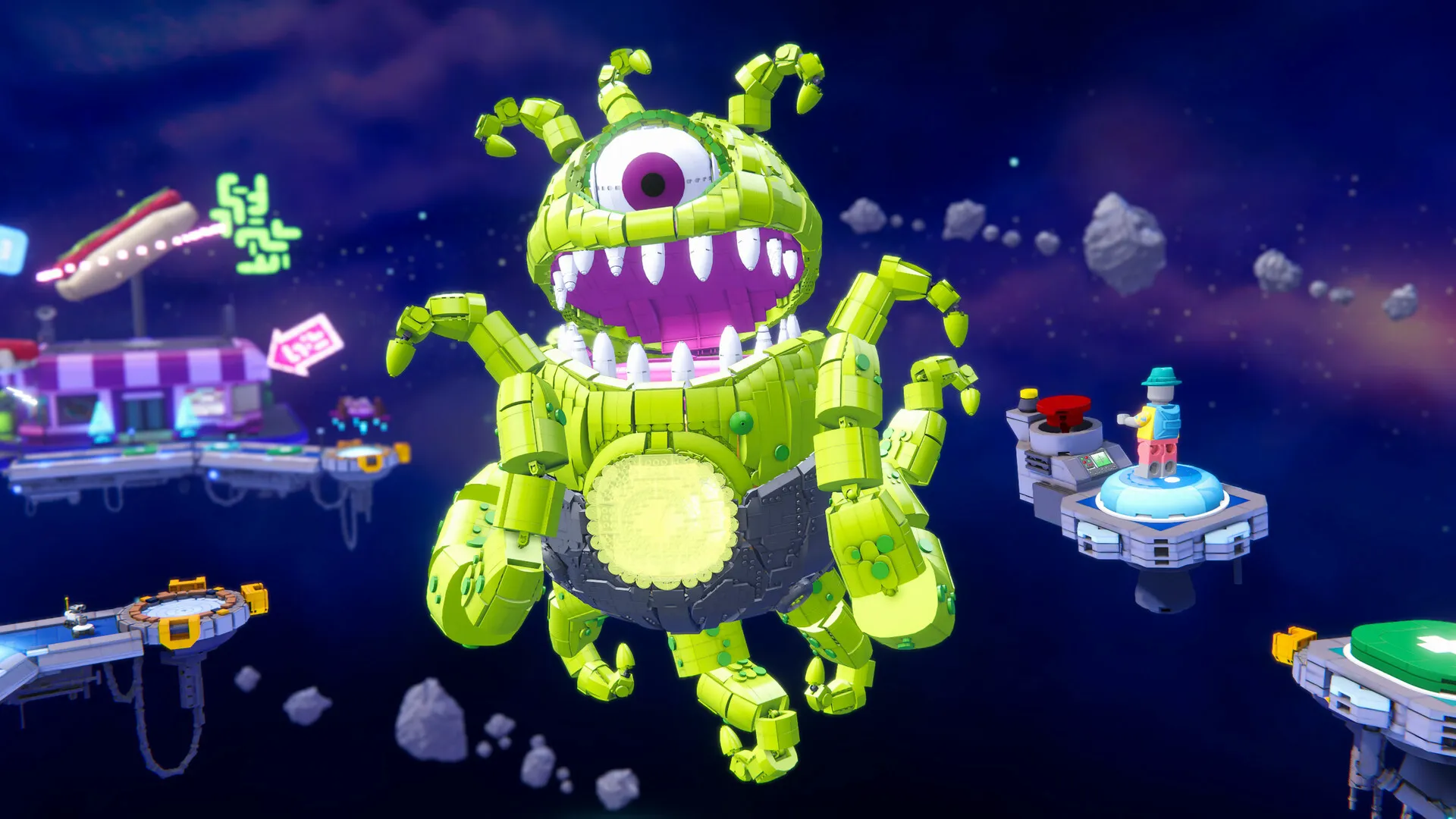
The dynamic building system keeps boards fresh across multiple plays. Certain spaces let players choose between two blueprint options, permanently altering the board layout for that match. Selections introduce new obstacles, opportunities, and paths. Meta-events escalate as matches progress. Space aliens appear for players to battle or spare. Ninjago villains create havoc. These additions transform static boards into evolving environments that feel alive.
Strategic depth emerges from balancing multiple considerations. Mini-game performance matters, board positioning requires planning, items need proper timing, and stealing mechanics introduce risk-reward calculations. Dice rolls still inject luck into proceedings, but skill receives greater emphasis than pure chance. The balance feels right for party game expectations while rewarding competent play more consistently than genre peers.
Mini-Games Deliver Consistent Quality
The 60-mini-game collection stands as the package’s strongest element. Most adopt the 1v1v1v1 free-for-all format where everyone competes individually. This creates the chaotic competition these experiences thrive on. Team-based 2v2 games exist but only trigger when players land on specific board spaces, making them special events rather than common occurrences. This choice avoids the frustration of getting paired with weaker teammates during standard play.
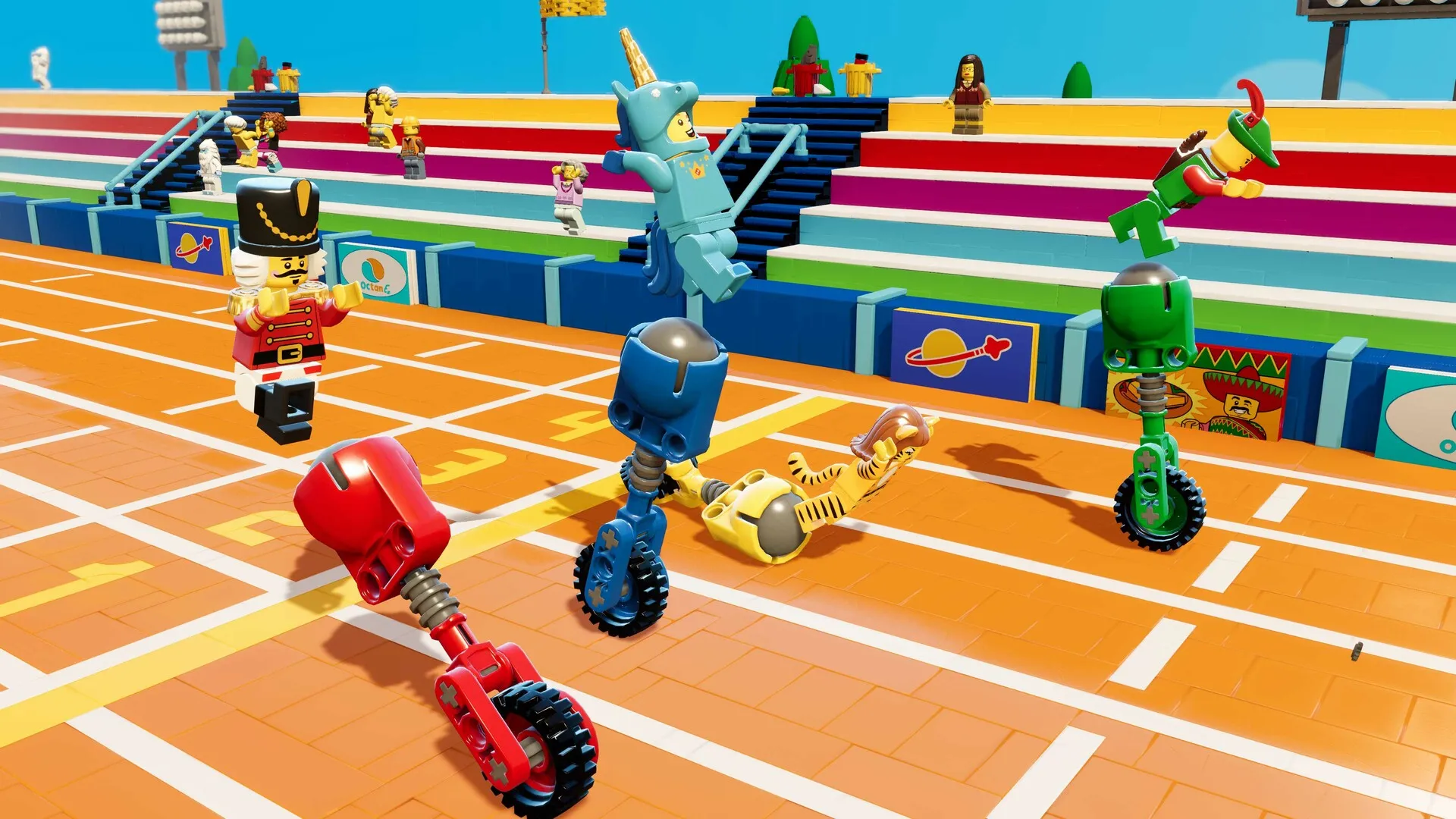
Controls remain accessible throughout, typically requiring only one or two button inputs. This design philosophy ensures anyone can quickly grasp each activity’s demands. Practice modes let players experiment before actual competition begins, though most games explain themselves clearly enough that this feature becomes optional rather than necessary.
Variety impresses across the collection. Vehicle races pit players against each other across different terrain types. Sports competitions range from goal-scoring challenges to precise timing exercises. Memory games test recall under pressure. LEGO brick sorting activities leverage the franchise’s building heritage. Platforming challenges demand precise movement. Trivia questions occasionally appear. The selection includes enough diversity that repetition rarely becomes an issue, even across extended play sessions.
Vehicle-based activities appear slightly more frequently than other types, though their quality justifies the emphasis. Controlling dirt bikes across bumpy terrain while maintaining balance creates genuine tension. Steering rockets into balls to slam them toward opponent goals feels satisfying. Even simple concepts like counting passing vehicles somehow translate into engaging competitions. The designers clearly understood how to extract entertainment from straightforward premises.
Quality remains remarkably consistent. Few entries feel like filler or obligatory inclusions. Each activity rewards skill and good execution rather than relying heavily on randomness. Some clearly draw inspiration from established mini-game concepts, yet the LEGO presentation and mechanical tweaks make them feel fresh. The visual presentation stays vibrant throughout, with creative uses of LEGO elements that go beyond simple aesthetic choices.
The Challenge Zone mode dominates playtime, as expected for this genre. This is where the board game and mini-game elements combine into complete matches. Rush mode strips away board gameplay for pure mini-game marathons. Score Chaser mode offers single-player high score challenges across select activities. No dedicated story mode exists, and single-player content remains minimal. The focus stays firmly on multiplayer competition.
CPU opponents on normal difficulty provide fair competition without feeling overwhelming. However, some activities become frustrating against AI competitors, particularly those demanding pixel-perfect execution. A shape-drawing memory game exemplifies this issue, where minor deviations deny points entirely. Since turn order depends on mini-game placement, losing these precision challenges can create snowball effects that feel disproportionate to the actual skill gap. The experience improves dramatically with human opponents who make similar mistakes and can be teased about them afterward.
Personality and Polish Shine Through
Two commentators named Paige Turner and Ted Talker narrate matches with surprising wit. Their self-aware humor consistently lands, whether commenting on the quality gap between different prize wheels or noting performance improvements between consecutive mini-games. The game show presentation style enhances the party atmosphere without becoming overbearing.
The humor works across age groups, entertaining adults without alienating younger players. Repetition becomes noticeable during extended sessions, though the commentary remains charming enough that this becomes a minor complaint rather than a serious problem.
Authentic LEGO details appear throughout. Every item and structure could theoretically be built with actual bricks. This attention to franchise authenticity demonstrates genuine respect for the source material. Some performance hiccups occur during board overview sequences, with framerate drops appearing even on powerful hardware like PlayStation 5 Pro. These issues don’t significantly impact gameplay but suggest optimization could have been tighter.
The customization system offers staggering depth. 300 different mini figures come available through various means. Many unlock immediately, with additional figures earned through play. A leveling system rewards continued engagement with currency and character unlocks. The progression never feels grindy or exploitative, instead providing satisfying carrots for extended play sessions.
Full custom mini figure creation goes beyond simple character selection. Players mix and match heads, faces, arms, torsos, legs, and accessories to create unique avatars. The game claims billions of possible combinations exist, and while that number seems marketing-inflated, the actual options certainly feel limitless. This flexibility lets everyone find or create characters that resonate with their sensibilities, strengthening the personal connection to matches.
Accessibility options deserve recognition. Camera motion can be disabled for those who find it disorienting. Controls support rebinding for different preferences or needs. Individual mini-games can be excluded from rotation if they cause problems. These considerations ensure broader audiences can participate comfortably.
Crossplay functionality across all platforms represents a genuine advantage over competitors. While random matchmaking doesn’t exist, friend-based online play works seamlessly across console and PC boundaries. This dramatically expands the potential player pool and makes coordinating sessions simpler than navigating platform-exclusive alternatives.
The four available boards (Pirates, LEGO Ninjago, Outer Space, and Theme Park) provide high-quality environments with distinct personalities. Pirates features nautical hazards and ship-building opportunities. Ninjago incorporates franchise-specific villains and martial arts theming. Outer Space introduces alien encounters and cosmic dangers. Theme Park promises carnival attractions and varied construction options. Each feels substantially different from the others, with unique mechanics and visual identities.
However, four boards feels limited compared to genre standards. The Theme Park board suffers from layout issues that encourage players to circle a small central area rather than exploring its full scope, diminishing the strategic variety that makes board navigation interesting. The dynamic building system partially compensates for the limited selection by ensuring different configurations each match, yet the desire for additional options persists. Quality exceeds quantity here, though more of both would have been welcome.
LEGO Party! succeeds as a confident genre entry that refines established formulas rather than revolutionizing them. The mini-game collection impresses with consistent quality and variety. Mechanical adjustments like pre-turn mini-games and player voting address genuine pain points from similar titles. Crossplay functionality removes barriers that have kept audiences separated for decades.
The limited board selection and occasional performance hiccups prevent this from reaching absolute peak status, though these concerns feel relatively minor against the package’s strengths. Families and party game enthusiasts will find exceptional value here, particularly when gathering multiple human players for the intended experience. The game proves the genre has room for fresh takes that respect traditions while smoothing rough edges.
The Review
LEGO® Party!
LEGO Party! delivers a polished, entertaining party game experience that refines genre conventions with smart mechanical tweaks. The exceptional mini-game collection, crossplay functionality, and extensive customization options create compelling reasons to gather friends for chaotic competition. While the limited board selection and occasional performance issues prevent perfection, the package succeeds where it matters most: providing consistently fun multiplayer entertainment that respects player skill while maintaining accessibility.
PROS
- 60 high-quality mini-games with excellent variety
- Pre-turn mini-games and voting system improve competitive balance
- Crossplay across all platforms removes accessibility barriers
- Extensive character customization with 300+ mini figures
- Witty commentary enhances matches without becoming annoying
- Dynamic building system keeps boards fresh
CONS
- Only four boards available at launch
- Theme Park board has limiting layout issues
- Performance drops during board overviews
- Some mini-games feel overly precise against CPU opponents
- Limited single-player content
- No random online matchmaking







