





















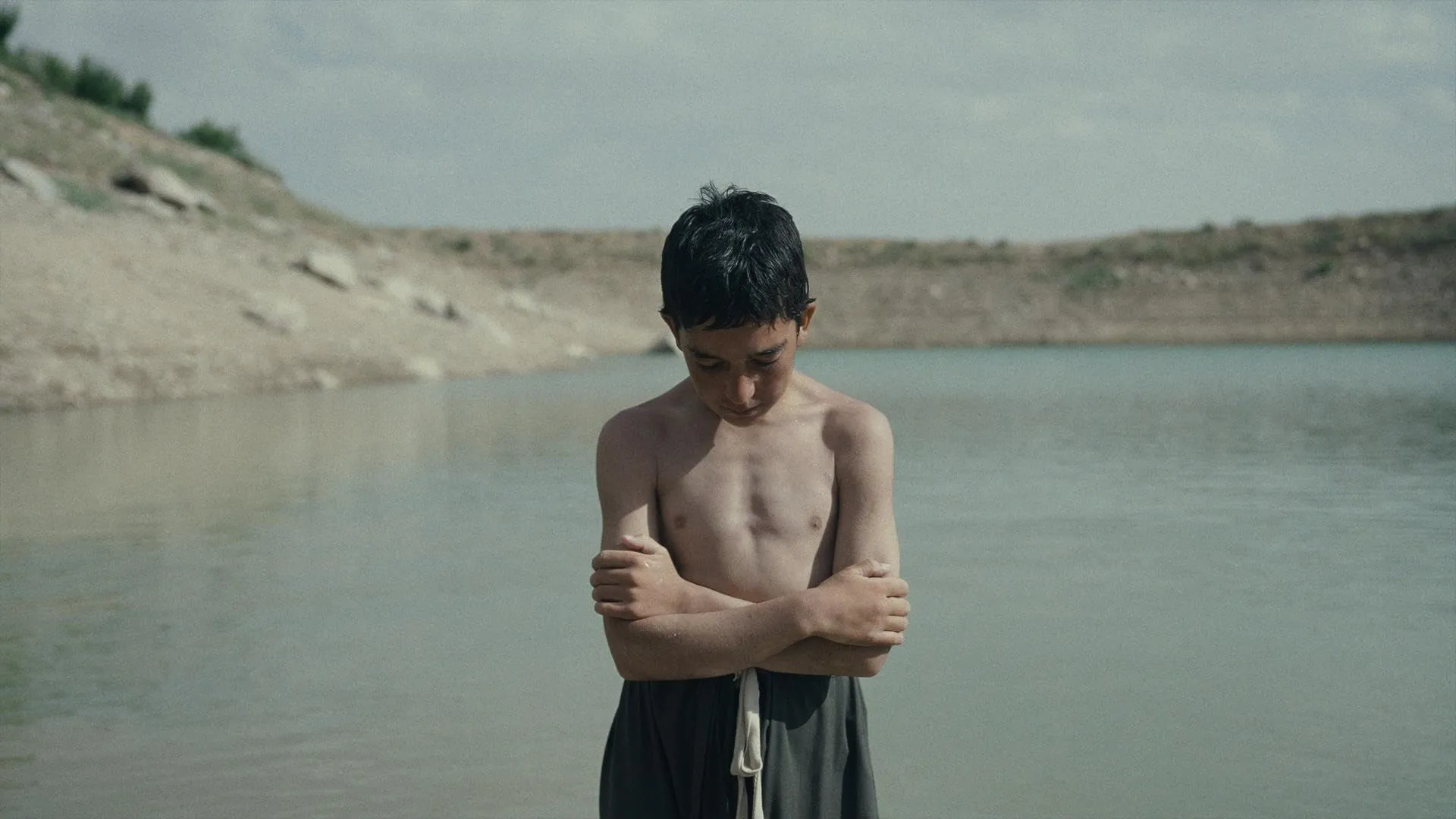

An assault rifle is cleaned with the same reverence a holy text is handled. A fervent prayer for martyrdom is followed by a youthful urge to look impressive on a motorbike. In the world of Aboozar Amini’s Kabul, Between Prayers, these are not opposing forces; they are the unified, unsettling texture of daily reality.
The film sidesteps the conventions of conflict documentaries, offering no expert interviews or historical timelines. Its approach is quieter, more direct, and far more personal. Amini places his camera inside the domestic life of a family in Taliban-controlled Afghanistan and simply watches. He focuses on two brothers, Samim and Rafi, who embody the nation’s fraught generational transfer of ideology.
Samim, 23, is already a soldier, farmer, and true believer. His 14-year-old brother Rafi looks on, his own identity being forged in the shadow of his sibling’s certitude. The film is a patient examination of how ideology is lived, breathed, and passed down, not as abstract doctrine, but as a series of mundane choices and intimate loyalties.
Two Brothers, One Path
The documentary’s analytical strength is built on the sharp contrast between its two central figures. Samim is a young man who has reconciled his contradictions into a single identity. He is a dutiful son and a protective older brother, yet he also weeps with religious fervor while praying for the success of suicide bombers. His vanity, a universal trait of young men, is channeled through the specific lens of his affiliation; the desire to “look cool” is satisfied by performing wheelies in a Taliban convoy.
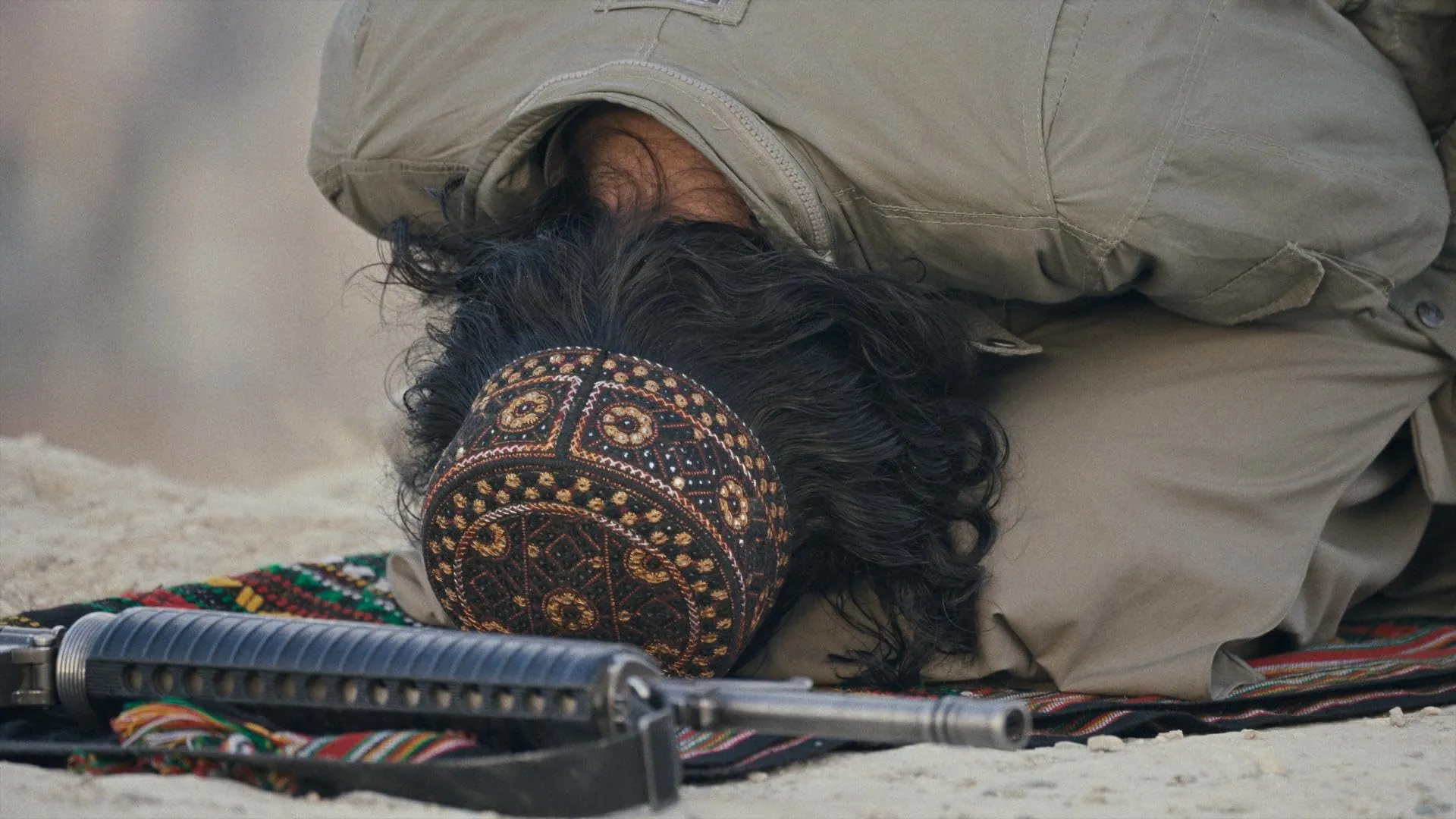
For him, the movement provides a purpose, a community, and an outlet for the ambitions of manhood in a society with few other paths. The film’s recurring image of his rifle resting beside his prayer mat is not a symbol of conflict, but of synthesis: for Samim, the weapon and the worship are inseparable tools for the same cause.
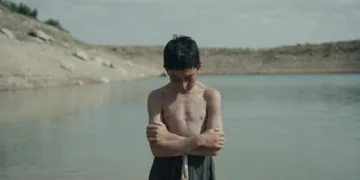
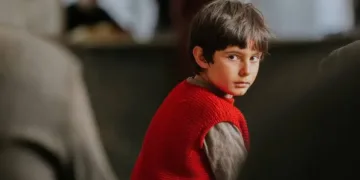
If Samim is the finished product, his brother Rafi is the process. He is the film’s disquieting heart, a boy whose natural gentleness is being systematically overwritten. In the film’s most revealing sequence, the director asks him from behind the camera about the Qur’an. Rafi recites a passage flawlessly but then admits with a shy smile that he does not understand it; he likes the sound of its rhyme.
This moment of pure candor reveals a boy performing a role he has not yet grown into. His innocence flashes again when he giggles about a crush on a girl named Nassima. This childlike sincerity exists alongside scenes of him being taught to shoot an AK-47, his small frame struggling with the weapon’s weight. Through Rafi, we witness indoctrination not as a sudden conversion but as a gradual erosion, where rote memorization precedes understanding and obedience supplants curiosity.
The Patient, Observational Lens
Amini’s filmmaking is defined by a rigorous, non-judgmental patience. Resisting the impulse to editorialize, he trusts the viewer to find meaning in the unadorned images he presents. This observational style aligns with a tradition of cinema that seeks understanding over condemnation. The camera’s gaze is steady and often uncomfortably intimate.
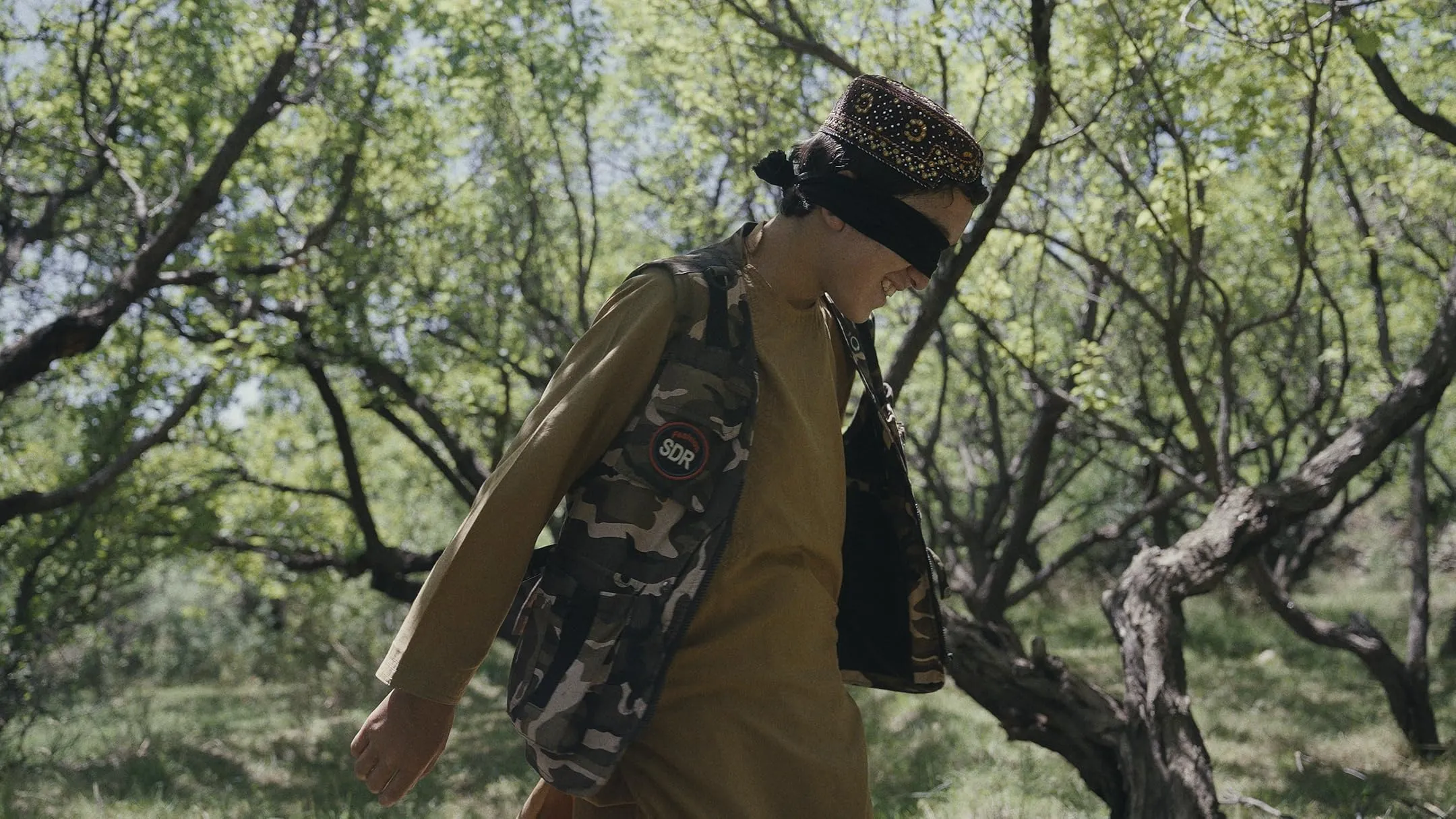
The cinematography by Ali Agha Oktay Khan frequently uses long, unbroken close-ups, especially on Rafi. The lens becomes a form of confessional, capturing the flicker of confusion, doubt, and pride that crosses the boy’s face as he answers questions. The camera does not cut away, forcing the audience to witness his internal struggle in real time.
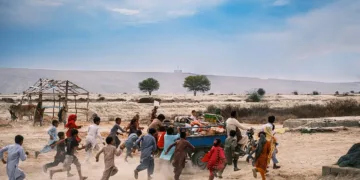
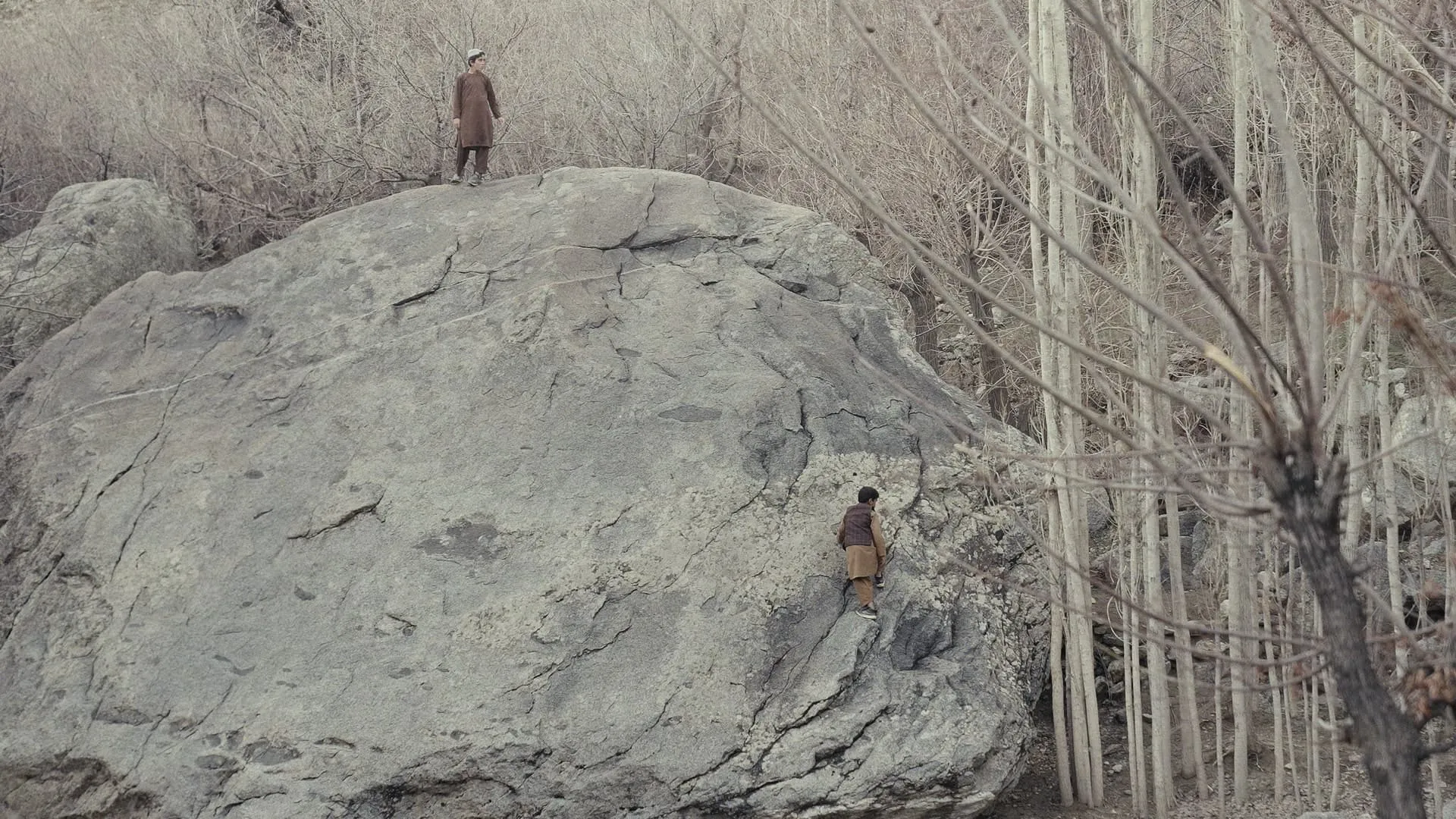
This intimate focus is constantly framed against the larger environment. The visual palette contrasts the dim interiors of homes and schools with the harsh, sun-bleached light of the Afghan hills. This juxtaposition makes the human drama feel both significant and small, a personal story unfolding on a stage of immense historical weight.
Specific visual motifs, like the neat rows of shoes left outside a madrasa doorway, hint at the scale of the ideological project underway. The sound design works with similar subtlety. The ambient noise of the city, the wind across the farmland, and the metallic clicks of a weapon being assembled create a tangible sense of place. At key moments, the soundscape is manipulated for effect; whispered prayers are layered over unrelated scenes, or all street noise is suddenly muted to isolate two young girls in a snowstorm, amplifying their desolate circumstances.
Pacing, Focus, and Place in a Bleak Canon
The film’s greatest asset is its close access, providing a rare glimpse into the mechanics of ideology at the family level. Yet, its methodical approach creates its main challenge. The pacing is deliberately slow, mirroring the unhurried rhythms of the lives it documents. Scenes of checkpoint duty or farm labor can feel monotonous, and while this may be a thematic choice to immerse the viewer in the characters’ tedious reality, it risks alienating attention.
The narrative focus also diffuses at times, wandering to other young men in Samim’s circle whose stories echo his own but lack the emotional weight carried by the two brothers. The film is undeniably at its most arresting when it concentrates on Rafi. Samim represents a conclusion, while Rafi is the unresolved question, and it is in the observation of his formation that the documentary finds its most unsettling frequency.
When placed alongside other films about Afghanistan, Amini’s work stands apart. It does not have the on-the-ground urgency of Bread & Roses, which documented female protests, nor the high-stakes political insight of Hollywoodgate, which chronicled the Taliban’s seizure of American military assets.
Its closest relative is Talal Derki’s Of Fathers and Sons, which also studied the indoctrination of boys in a Syrian war zone. Amini’s tone, however, is distinct. His film is less a direct horror story and more a profound elegy for a generation of young men. It is a quiet, deeply human portrait of individuals caught between prayer and conflict, shaped by forces they are only beginning to understand.
“Kabul, Between Prayers” is a documentary that had its world premiere at the Venice Film Festival on September 3, 2025. It was part of the festival’s Out of Competition section. The film is not yet available for streaming or public viewing, as it is on the festival circuit.
Full Credits
Director: Aboozar Amini
Writers: Aboozar Amini, Jia Zhao
Producers: Jia Zhao, Hanne Phlypo
Cast: Samim, Rafi, Elias
Director of Photography (Cinematographer): Ali Agha Oktay Khan
Editors: Annelotte Medema, Cătălin Cristuțiu, Neel Cockx
The Review
Kabul, Between Prayers
Kabul, Between Prayers is a work of profound patience and rare access. It succeeds as a quiet, humanizing portrait of how radical belief is inherited. The film’s intimate observation of a boy’s eroding innocence is deeply unsettling and its strongest element. While its methodical pacing can become monotonous and its focus sometimes drifts, the documentary offers an unforgettable, melancholy look into the personal mechanics of fanaticism. It is a demanding yet valuable piece of filmmaking.
PROS
- Exceptional, intimate access to its subjects.
- Powerful, non-judgmental human portrait of its subjects.
- Subtle and effective cinematography and sound design.
- Disquieting and memorable exploration of youthful indoctrination.
CONS
- Narrative focus occasionally wanders from the most compelling characters.
- Deliberately slow pacing can feel tedious and monotonous.
- Lack of broader context may leave some viewers wanting more information.