





















![Kingdom Hearts Collection [I-III] Review](https://gazettely.com/wp-content/uploads/2026/10/Kingdom-Hearts-Collection-I-III-1-360x180.webp "Kingdom Hearts Collection [I-III] Review: KHII Holds Steady as Newer Entries Fluctuate 37")



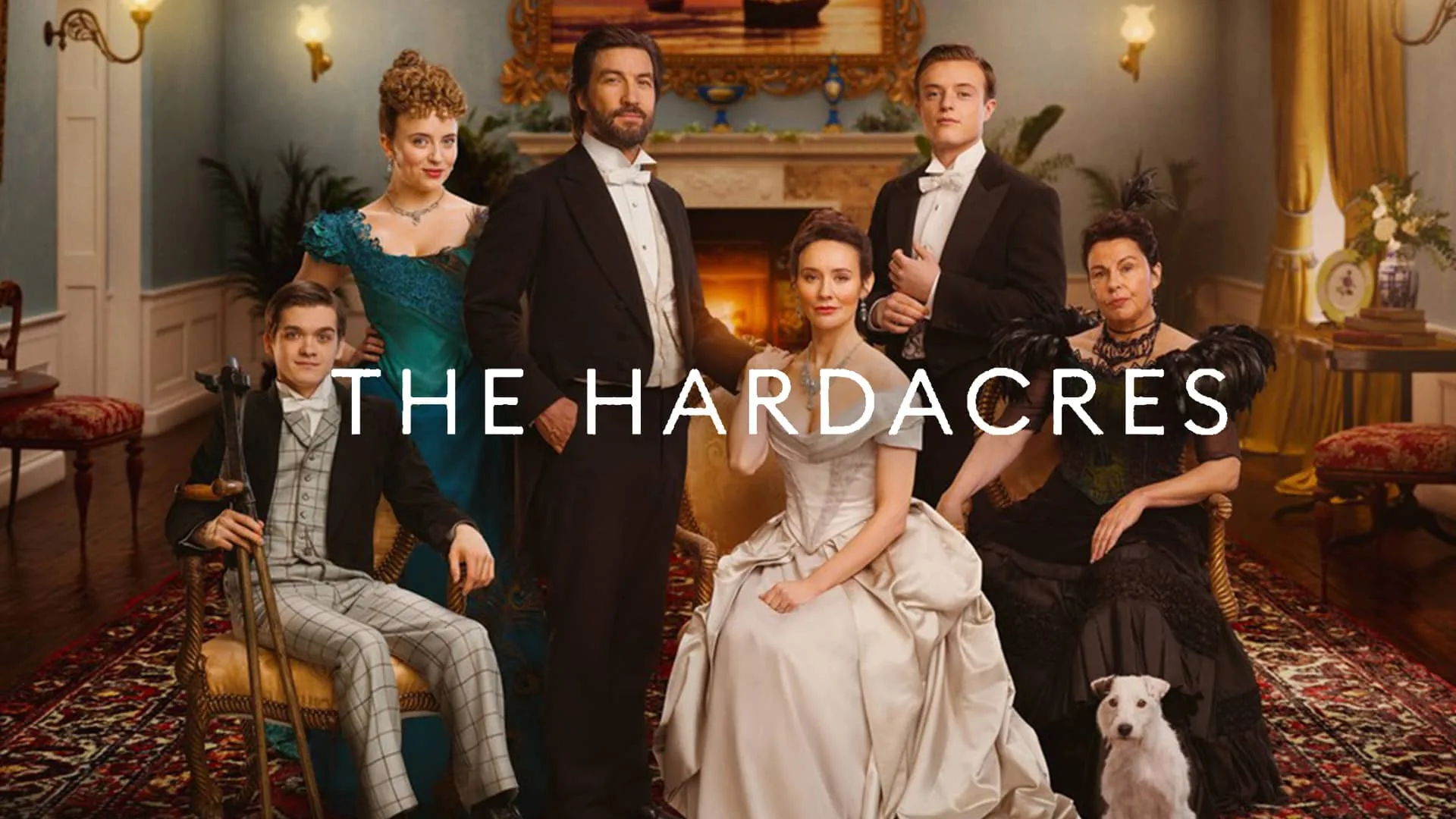

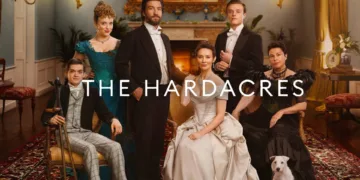
The air of 1890s Yorkshire is thick with the smell of fish and the grind of labor. On these docks, the Hardacre family works as a tight-knit unit against the poverty that defines their lives. The patriarch Sam, his fiercely determined wife Mary, her spirited mother Ma, and their children know only the world of manual work and meager wages.
Their precarious existence is shattered when a workplace accident crushes Sam’s hand, ending his ability to provide for his family. Faced with a lecherous boss and sudden unemployment, Mary channels her resolve into a new venture: a fried herring stall. This small act of entrepreneurship proves unexpectedly successful.
Through a fortunate investment, the family’s fortunes are transformed almost overnight, catapulting them from the grimy docks into the unfamiliar, opulent world of the landed gentry. Their new life is set to begin in a grand estate, a place that represents everything they were not.
Capitalist Fairy Tales and Kinship’s Armor
The story of The Hardacres presents a clean, uncomplicated vision of class mobility, where a “downstairs” family finds itself abruptly living “upstairs.” Their new life introduces them to the unsubtle snobbery of the established elite and the confusing customs that govern high society. The series treats their ascent as an optimistic fairy tale.
Here, pure intentions and a strong work ethic appear to be enough to dismantle rigid social barriers, a comforting thought that stands in stark contrast to more historically severe dramas. The mechanics of their enrichment, a convenient stock market tip from a helpful banker, neatly bypasses the brutal realities of Victorian economics.
This narrative choice reflects a modern appetite for aspirational stories, projecting a fantasy of meritocratic success onto a past where such leaps were nearly impossible. This optimistic view of capitalism is made plausible by the show’s other central idea: the power of family. The Hardacres’ powerful, protective bond is their most significant asset. This unity, forged in the fires of hardship, becomes their armor in a world that judges them for their origins.
Their unwavering loyalty to one another provides a shield against the scorn of their new peers and the internal doubts that arise from their new station. This approach is perfectly suited for the age of “comfort television,” a streaming-era genre offering refuge from a disorderly world by presenting a fantasy of social mobility without any of its genuine messiness or moral compromises.
Heroes, Villains, and a Necessary Realism
At the story’s center is Mary Hardacre, the narrative engine brought to life by Claire Cooper. Mary is a resilient and resourceful matriarch whose protective instincts guide the family’s destiny through every challenge. Her sharp business sense feels less like a product of her time and more like a projection of contemporary entrepreneurial ideals, a modern female agency placed anachronistically in a Victorian setting.
Her actions are balanced by the earthy wisdom of her mother, Ma Hardacre, a woman with a defiant spirit and a history of smuggling. Yet, the show’s most significant character choice is that of the youngest son, Harry. Actor Zak Ford-Williams shares the character’s cerebral palsy, a casting decision that introduces a profound and welcome authenticity into the period drama landscape.
This representation moves beyond tokenism. It reframes disability from a plot device or a source of pity to a simple fact of a character’s existence, a quiet but powerful act of intervention in the genre. This choice signals a shift in production ethics, where lived experience is prioritized over convention.
These carefully drawn family members stand against antagonists who are refreshingly simple. The lecherous boss and the sneering housekeeper are straightforward obstacles. Their one-dimensional villainy serves a clear purpose, framing the class system’s problems as the fault of bad individuals, not a flawed structure.
Polished Grit and Breakneck Pacing
The series creates a sharp visual divide between the Hardacres’ two worlds. The docklands are depicted with a bleak, gray palette, a vision of poverty that still feels somewhat polished. The production design offers a version of hardship that is visually digestible without being genuinely discomfiting, where the dirt is artfully placed and the clothes are simple but never truly tattered.
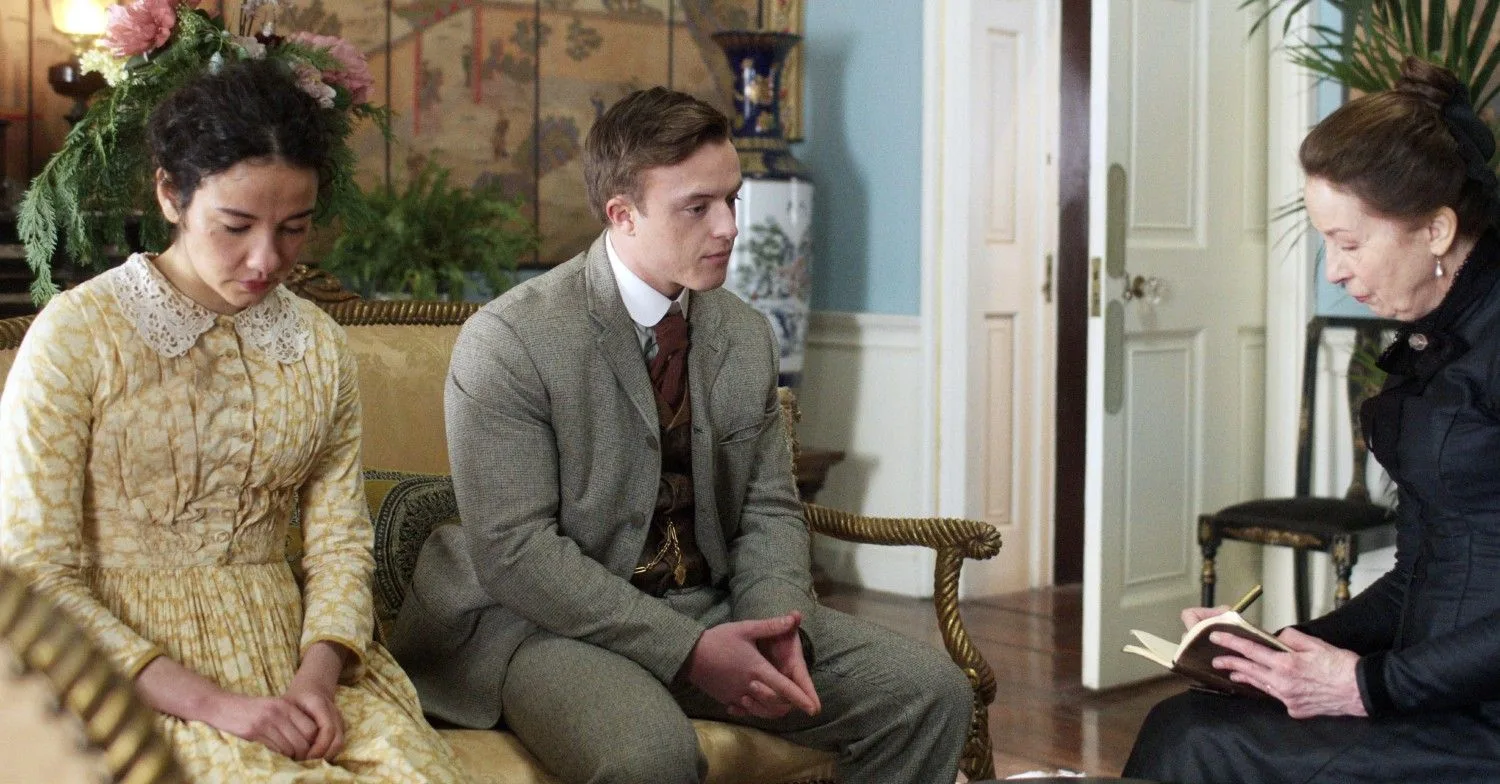
This aesthetic of “polished grit” gives way to the lush, colorful, and grand presentation of their country estate. The narrative moves at a breakneck speed, with the family’s leap from penury to immense wealth occurring within a single episode. This accelerated plot feels tailored for modern viewing habits and the binge-watching model, prioritizing story velocity over the patient, atmospheric development of older period pieces.
It is a story designed for rapid consumption. This structure reinforces the show’s overall tone as a light and emotionally direct piece of television escapism. It offers a fantasy not just of wealth, but of moral clarity. In the world of The Hardacres, good people are rewarded and family loyalty conquers all, an appealing simplicity that provides its greatest escape from the ambiguities of modern life.
The Hardacres is a 2024 six-part period drama based on the novel series by C.L. Skelton. It follows the rags-to-riches journey of a working-class family in 1890s Yorkshire as they rise from a life on the fish docks to a lavish country estate. The series premiered on Channel 5 in the UK on October 7, 2024. The show is available to stream on BritBox in the United States and Channel 5’s My5 streaming service in the UK.
Full Credits
Director: Rachel Carey, Kieron J. Walsh
Writers: Amy Roberts, Loren McLaughlan, Emma Reeves, Liz Lake
Producers and Executive Producers: Alex Jones, Jackie Larkin, Amy Roberts, Loren McLaughlan, Colin Callender
Cast: Claire Cooper, Liam McMahon, Julie Graham, Adam Little, Shannon Lavelle, Zak Ford-Williams, Holly Sturton, Cathy Belton, Owen Roe, Ingrid Craigie, Siobhán O’Kelly, Sarah Agha, Taheen Modak
Director of Photography (Cinematographer): JJ Rolfe
Editors: Mary Finlay, Gretta Ohle
Composer: Stephen McKeon
The Review
The Hardacres
The Hardacres offers a warm, fast-paced escape, functioning as a comforting fairy tale of class mobility rather than a serious historical drama. While its predictable plot and simplistic villains undercut its depth, the show is anchored by a powerful family dynamic and a significant, authentic piece of casting in its portrayal of Harry. It’s an enjoyable, if unsubtle, story that champions family loyalty above all, making for a perfect piece of feel-good, modern television.
PROS
- A strong, endearing depiction of a close-knit family.
- Authentic representation through the casting of Zak Ford-Williams as Harry.
- Functions effectively as a comforting, escapist "comfort watch."
- A clear, easy-to-follow narrative with a satisfying emotional core.
- A resilient and engaging lead performance from Claire Cooper as Mary Hardacre.
CONS
- The "rags-to-riches" plot is highly predictable and formulaic.
- Antagonists are one-dimensional and lack complexity.
- The unrealistically fast pacing of the family's social ascent strains belief.
- The depiction of Victorian poverty feels sanitized and lacks historical grit.
- Presents an overly simplistic and optimistic view of capitalism and class structure.