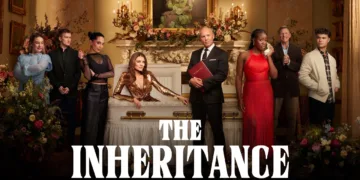













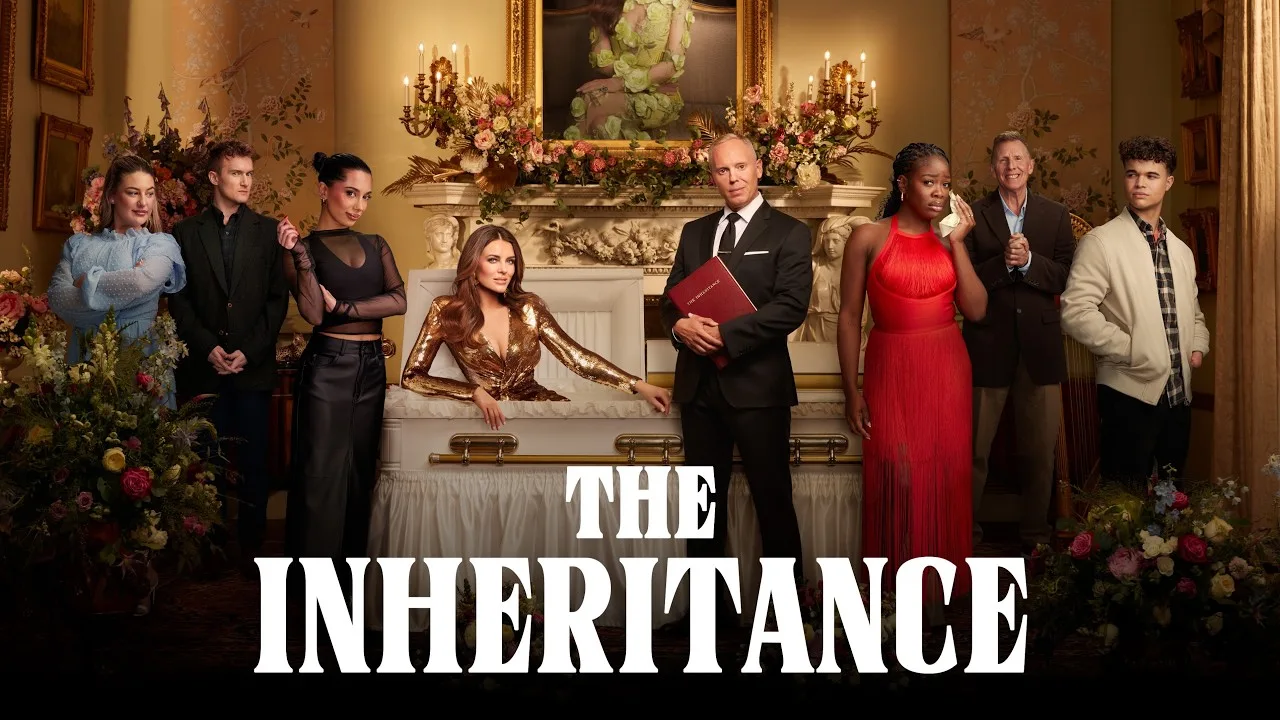

“Hello darlings… I’M DEAD!” With this theatrical proclamation, Elizabeth Hurley ushers viewers into The Inheritance, the latest entry in a crowded field of psychological reality competitions. The premise is a familiar cocktail of aspiration and aristocracy. A recently departed benefactor, played with sequined flair by Hurley, has left her fortune up for grabs.
Thirteen strangers assemble at her lavish country estate to compete for the prize. Acting as the will’s stern executor is Rob Rinder, who oversees the proceedings on the ground while Hurley communicates through a series of campy, pre-recorded videos.
The stage is set for a supposedly cutthroat game of strategy, persuasion, and shifting loyalties. The series positions itself as a social experiment where contestants must prove their worth, a concept that feels both timely and deeply rooted in the current television landscape’s fascination with manufactured social hierarchies.
A Bureaucracy of Betrayal
The mechanics of the game reveal a format burdened by its own complexity, a design that mistakes convoluted procedure for narrative depth. Each episode sees the group collaborating on a task to earn a sum of money. The distribution of these funds is where the system begins to fray. Contestants who believe they are most deserving can declare themselves a “claimant.”
The rest of the players form a “jury” and vote on which claimant receives the entire amount. This central conceit shifts the game’s focus from clever deception to a tedious debate over perceived effort, a framework that encourages posturing rather than genuine strategy.
A strange twist allows the winner to secretly gift portions of their winnings to non-claimants, a mechanism that aims for intrigue but generates an information vacuum. In successful social deduction games, the audience is invited to speculate based on shared information and subtle behavioral cues.
Here, the secrecy prevents any meaningful analysis, leaving viewers and players alike in the dark. This creates a passive viewing experience instead of an active one. The elimination process is equally defanged. The contestant with the lowest total earnings is periodically removed from the game, a far cry from the weekly high-stakes banishments that fuel audience investment in similar shows.
This delayed consequence removes the immediate narrative tension required to keep viewers engaged from one week to the next. The convoluted structure stifles genuine psychological gameplay. It is a system that seems engineered to prevent the very drama it is supposed to create, a bureaucratic maze where the rules get in the way of the story.
Empty Heirs and Empty Labor
The show populates its grand estate with a cast that seems assembled from a reality TV starter kit, including a student influencer, a retired chess coach, and a scaffolder. This cross-section of society offers rich potential for exploring contemporary ideas about class, work, and value. The premise of an “inheritance” could have served as a powerful lens through which to examine economic anxiety and social mobility.
The production, however, squanders this opportunity by affording its players almost no character development. We are given brief sketches, like James, an entrepreneur motivated by being disinherited, but these details are left as surface-level trivia. The viewer struggles to find a person to root for, leaving the competition feeling strangely hollow and its social commentary inert.
The tasks assigned to the contestants are equally uninspired, representing a form of empty labor that serves only to fill screen time. Challenges like bottling wine or herding sheep are tedious spectacles of manual labor. These activities feel disconnected from the game’s psychological core, existing in a separate narrative universe.
The drama they produce is limited to surface-level arguments about who worked the hardest, a conflict more suited to a workplace competition than a game of wits. This focus pushes the show’s identity toward something much less interesting, a muddled hybrid that lacks a clear purpose. Successful shows in this genre use challenges to test alliances, reveal character flaws, or force strategic decisions. Here, the tasks are just chores, devoid of thematic resonance or narrative function.
The Ghost in the Machine
The hosts themselves represent the show’s unfulfilled potential and internal contradictions. Elizabeth Hurley’s brief video appearances are a delight, delivering perfectly pitched camp and self-aware humor that hints at a more intelligent, playful version of the show. She is a spark of what The Inheritance could have been, a ghost of an idea that is never fully realized because she is almost entirely absent from the main action.
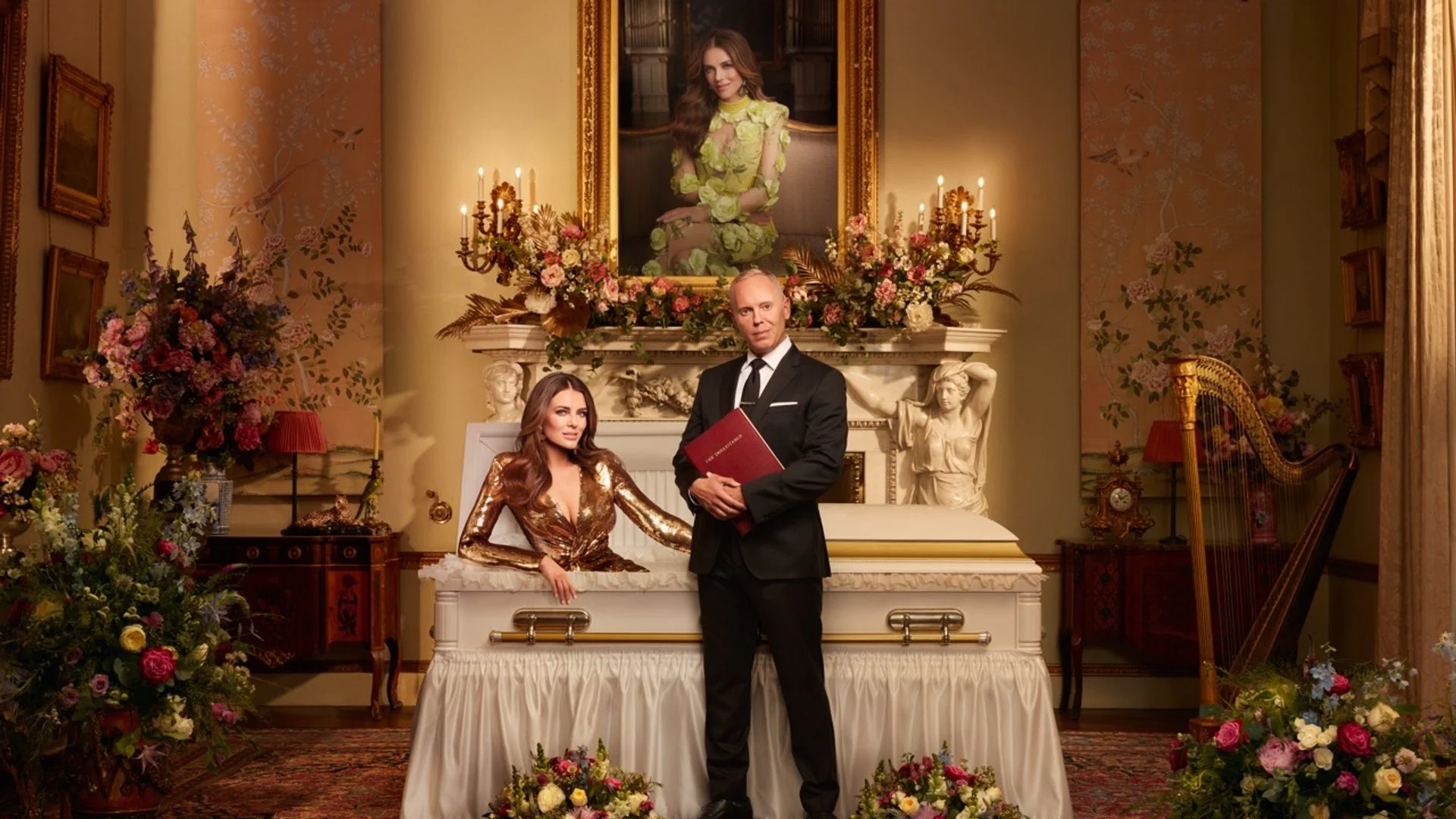
Rob Rinder, tasked with injecting gravitas into the proceedings, appears disengaged, his detached demeanor draining the ceremonies of their intended tension. His performance is symptomatic of a production that lacks confidence in its own format, going through the motions without conviction.
The Inheritance aims for a tone of glamorous, cutthroat competition but lands in a space of formulaic imitation. The show stands as a curious artifact of the current television moment, a direct response to market trends that captures the aesthetic of its predecessors without understanding their soul.
It is a cautionary tale for an industry fixated on replicating success, illustrating how a show can assemble all the right pieces and still feel empty. The failure here is a failure of imagination, a preference for a proven template over genuine innovation. It possesses the glossy exterior and high-concept premise of a hit while lacking the thoughtful design needed to create genuine human drama. It is a perfectly assembled machine without a ghost.
The Review
The Inheritance
The Inheritance presents a glamorous, high-concept facade that quickly crumbles. Its convoluted rules and uninspired tasks stifle any real psychological drama, leaving a hollow experience. The contestants remain undeveloped, and the hosts are either underutilized or disengaged. Despite a promising campy tone set by Elizabeth Hurley, the show is a formulaic and ultimately tedious exercise in reality television. It is a show with all the right ingredients but no understanding of the recipe.
PROS
- A fun, campy performance from Elizabeth Hurley in her brief appearances.
- The high-concept premise is initially intriguing and glamorous.
- Features a diverse cast with the untapped potential for interesting social commentary.
CONS
- The game's rules are overly complex and confusing, hindering audience engagement.
- Weekly tasks are tedious and disconnected from the core psychological gameplay.
- Lack of character development makes it difficult to invest in the contestants.
- Rob Rinder's hosting is detached and fails to generate excitement.
- The format lacks immediate stakes and genuine suspense.