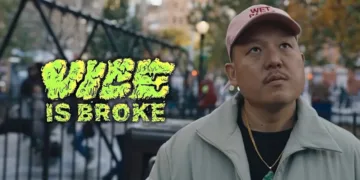



















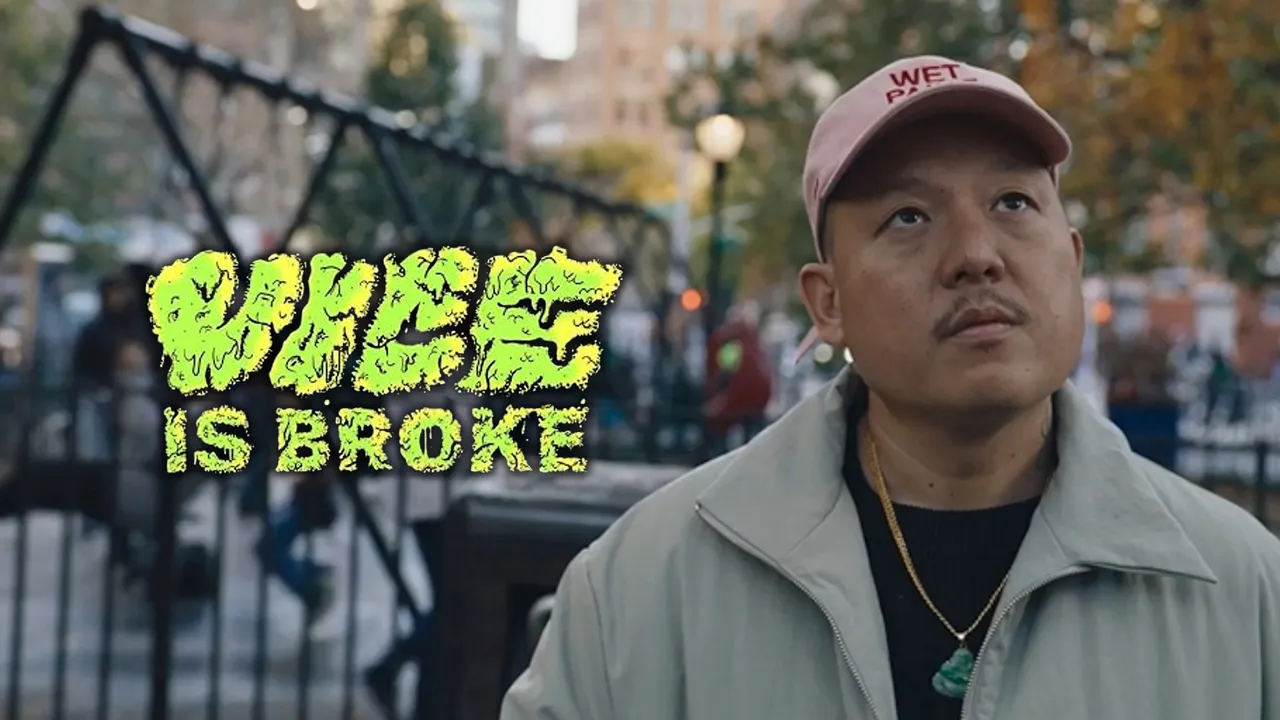

The battle between authenticity and profit is a timeless story in creative industries. Rebellious brands often reach a point where they must choose between their original ethos and corporate expansion. This conflict sits at the center of Eddie Huang’s Vice Is Broke, a documentary examining the spectacular rise and messy collapse of Vice Media. The film chronicles how the company went from a defining voice of youth culture to a bankrupt cautionary tale.
Huang, a former host for the network, positions himself not as a neutral observer but as a scorned insider with a personal stake. His film is a raw, angry, and subjective postmortem, far from a typical business documentary. It frames the story as the betrayal of a cultural movement, a narrative that resonates globally with independent creators, from Indian parallel cinema filmmakers resisting the Bollywood machine to artists everywhere who find their work co-opted by the market.
A Film in Its Subject’s Image
Eddie Huang places himself squarely at the center of his documentary, acting as its narrator, interviewer, and primary subject. The film’s style is a direct reflection of the old Vice ethos: chaotic, brash, and informal, showing a clear disdain for traditional filmmaking.
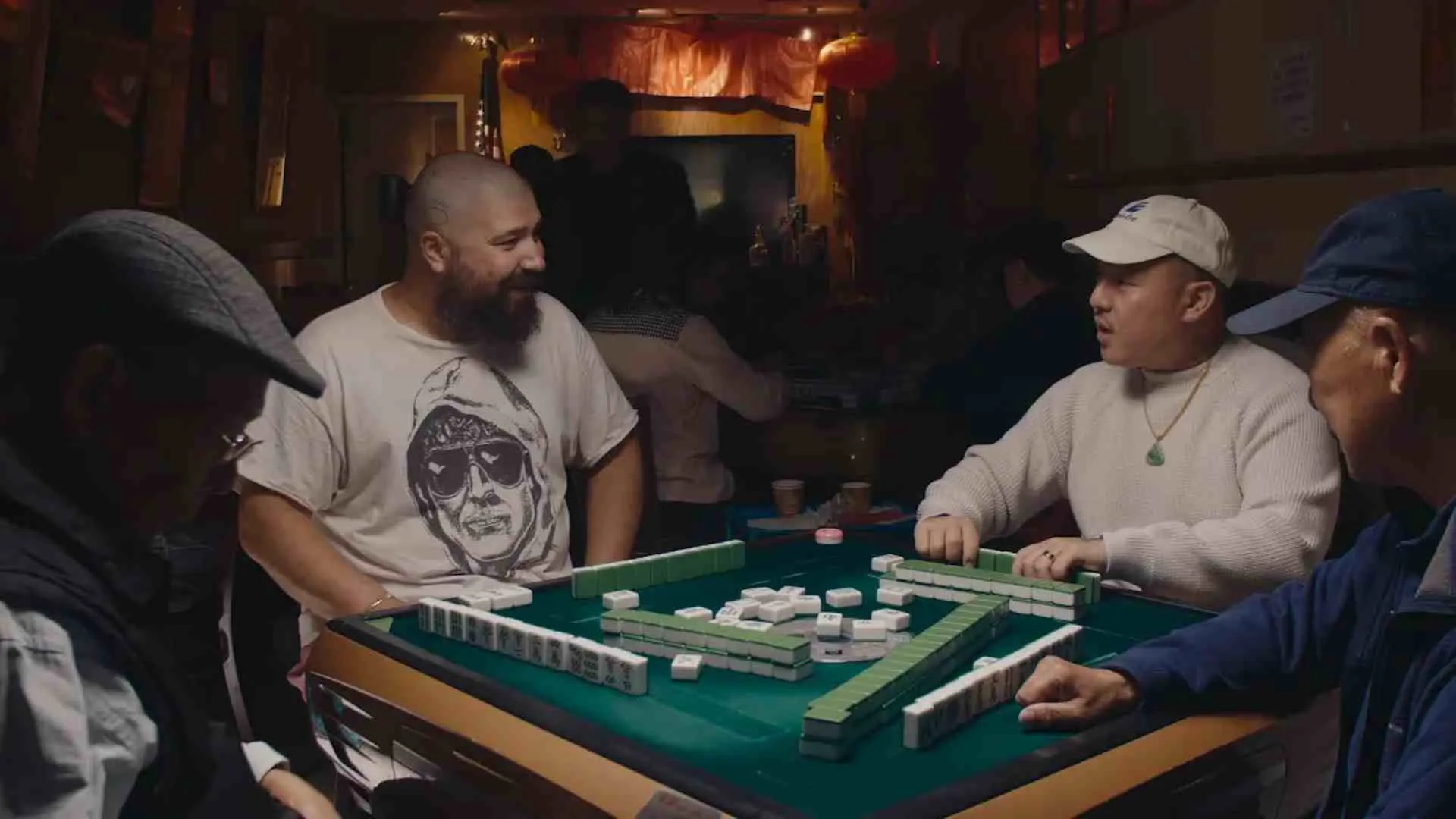
Through handheld camera work, rapid cuts, and a non-linear assembly of personal vlogs with formal interviews, Huang creates a sense of raw immediacy. Interviews happen in bars and restaurants, rejecting the sterile aesthetic of studio-shot documentaries. This personal approach gives the film an emotionally charged and unfiltered perspective that a more objective account would lack; it brings the audience into his confidence and captures the deep sense of betrayal felt by many former employees.
This same subjectivity is a weakness. Huang’s personal grievances, especially the significant sum of money he claims the company owes him, sometimes threaten to overshadow the larger institutional story. His focus on his own financial dispute with Shane Smith risks reducing a complex, systemic failure of a multi-billion dollar corporation to a simple personal disagreement.
The film’s scope narrows when it becomes a vehicle for his vendetta. His self-referential style can also be distracting, as when he conducts an entire interview dressed in a Guy Fieri costume to mock a producer’s suggestion. The film’s messy, self-focused nature makes it an apt, if imperfect, document of the company it dissects.
Charting the Rise
The documentary traces Vice’s historical path from a provocative Montreal zine to a New York-based media powerhouse. It became an authority on youth culture through its edgy and unapologetic content, speaking to a generation with a voice that felt new and genuine.
The film reminds us of its early signature pieces, from the irreverent “Dos and Don’ts” fashion column to frank sex guides and sensationalist foreign correspondence that sent young, untrained reporters into global hotspots. Huang shows Vice’s expansion into a multi-platform media company with popular digital videos, an HBO show, and a peak valuation in the billions.
A key figure in this ascent was co-founder Shane Smith, portrayed as a charismatic, P.T. Barnum-like leader who embodied the brand’s rebellious spirit. Smith’s cultivated image of a hard-living maverick recalls the “angry young man” archetype from 1970s Indian cinema, a figure who channels anti-establishment sentiment into a marketable persona. His myth-making and tales of lavish spending became inseparable from the Vice brand.
The film uses archival footage effectively, highlighting a famous clip from the documentary Page One where journalist David Carr publicly confronts Smith. This televised humiliation was a turning point, forcing Vice to professionalize and hire serious journalists to gain legitimacy.
Collapse of a Counter-Culture
Vice Is Broke explores the company’s failure through the corrupting influence of corporate money and a fundamental loss of authenticity. The film details the desperate business decisions that betrayed its audience, from chasing inflated web traffic numbers to the disastrous industry-wide “pivot to video.”

It highlights Vice’s reliance on venture capital that demanded unsustainable growth, leading to the creation of “white-label” content for brands like Philip Morris and a deceptive partnership with a Saudi Arabian marketing company. A significant portion of the film is dedicated to Huang’s interview with Vice co-founder Gavin McInnes, who later established the far-right group the Proud Boys.
The interaction is a clear missed opportunity. From a journalistic standpoint, Huang fails by treating McInnes as a philosophical puzzle to be solved instead of holding him accountable for his harmful rhetoric. The interview becomes about Huang’s attempt to prove McInnes is a nihilist, which sidesteps the real-world impact of his ideology.
The bizarre conclusion, an arm-wrestling match, is a symbolic abdication of journalistic duty, reducing a serious issue to a physical contest. Critically, the documentary also omits any real discussion of the widespread sexual harassment allegations that plagued the company, a significant flaw for a supposed autopsy. The film serves as a cautionary tale for the modern media landscape, joining the ranks of films about corporate hubris like WeWork: Or the Making and Breaking of a $47 Billion Unicorn. While it is a flawed and incomplete account, its very messiness makes it a fitting tribute to the company it profiles
Vice Is Broke is a 2024 documentary film. It follows the history of Vice Media, from its start as a punk zine to its rise as a global media company and eventual bankruptcy. Directed by Eddie Huang, the film had its US premiere at DOC NYC. It was released worldwide for streaming on MUBI on August 29, 2025. It is also available to rent or buy on platforms such as Apple TV, Amazon Video, and Fandango at Home.
Full Credits
Director: Eddie Huang
Producers and Executive Producers: Raymond Mansfield, Sean McKittrick, Maya Rodrigo, Eddie Huang, Edward H. Hamm Jr.
Cast: Eddie Huang, David Macklovitch, Amy Kellner, Gavin McInnes, Shane Smith
Director of Photography (Cinematographer): Luke Geissbühler
Editors: George Mandl
The Review
Vice Is Broke
Eddie Huang’s film is a messy, personal, and angry examination of Vice Media's fall. Its strength is its raw, insider perspective, but its weakness is Huang's self-centered narrative, which often clouds the larger story. The documentary misses key opportunities for deeper journalistic inquiry, especially with Gavin McInnes. It is a flawed yet fitting document—perhaps not the definitive history we need, but the one Vice deserves.
PROS
- Provides a raw, unfiltered insider perspective on the company's culture.
- The chaotic, brash style effectively mirrors the ethos of Vice itself.
- An emotionally charged story that captures the sense of betrayal felt by employees.
- Offers a valuable look at the clash between counter-culture and corporate greed.
CONS
- The director's personal grievances often overshadow the main subject.
- Lacks journalistic objectivity and rigorous investigation.
- The interview with Gavin McInnes is a missed opportunity for accountability.
- Ignores significant parts of the story, like the sexual harassment scandals.