






























The world of deep-cover espionage supplies a steady study in moral complexity, where the price of deception lands on the bodies and minds of those asked to perform it. The Asset (Legenden), a six-episode Danish crime thriller on Netflix, enters that terrain with clear intent. The series opens as the Danish Security and Intelligence Service, PET, scrambles to replace an operative after a brutal cold open in which a calculated murder hides inside a failed smuggling run.
Tea Lind, played by Clara Dessau, steps into the breach. She is a police academy cadet with a difficult history, and PET reads that past as a functional tool rather than a disqualifier. Her assignment is to penetrate the drug operation run by crime boss Miran by befriending his girlfriend, Ashley, while working under the alias “Sara,” a jeweler with effortless polish. The setup places character before spectacle and pushes the danger into Tea’s psychology long before it surfaces as physical threat.
The Human Cost of Identity: Performance and Empathy
Clara Dessau carries the series by tracing the split life that Tea must live. As Tea Lind, she plays a woman with drive and the need to outrun a past shaped by addiction and a hard upbringing. That same past gets leveraged by PET, which treats her lived experience as the asset that qualifies her.
The qualification also creates the risk that the very traits that make her effective could pull her back toward the margins she is trying to leave. As “Sara,” Tea performs confidence and social agility. A test early on, supervised by PET director Folke, played by Nicolas Bro, confirms her observational skill and the quick read she makes of any room. The job demands two selves. Dessau makes both feel breakable, and the seam between them keeps threatening to split.
The women near the center of Miran’s life hold attention with equal force. Maria Cordsen’s Ashley appears cushioned by surface luxury and still lives under Miran’s control. Her choices revolve around protecting her young daughter, Sofia. That focus gives Tea’s mission an immediate emotional vector and adds complication to every tactical decision that follows.
Afshin Firouzi’s Miran lands as more than a stock villain. He orders violence when he decides it is needed, and the writing gives him warmth for his daughter and for his younger brother, Bambi, played by Arian Kashef. That loyalty opens a clear fault line that Tea can use. Family ties exert pressure inside the criminal world, and those ties become levers that move the plot.
The PET team that manages Tea works with a discipline that reads as moral distance. Folke and the handlers keep their gaze locked on results against Miran. That agenda places Tea’s mental footing and physical security in steady jeopardy. The show asks a plain question with steady persistence: who claims ethical ground if the path to justice runs through the erosion of an agent’s integrity.
Shifting the Target: Domestic Drama in the Spy Framework
Across six episodes, The Asset frames deep cover as a long emotional tax. The narrative concern moves from collecting admissible evidence to the strain of Tea keeping space from Ashley. The theme becomes identity wear, and the line between Tea the officer and Sara the confidante softens while an authentic bond forms out of sustained deception. The charge of staging friendship while engineering a collapse fuels the strongest tension.

The structure uses familiar spy elements. An operative grows close to a target’s household and finds the assignment altered by proximity. The show stands out through crisp execution and a compact, binge-ready design. The pace stays brisk and the ongoing suspense grows from emotion rather than continuous action. The operation’s goal evolves. Tea’s commitment faces a new test as priorities shift toward protecting Ashley and Sofia from abuse inside the home.
That evolution underlines the series’ social relevance. The PET handlers appear calculating and, at times, uninterested in the personal wreckage that might follow for their operative. The show invites the audience to examine how a state security project can operate in a gray zone under the banner of justice.
By placing a story about women aiding women inside an espionage format, the series uses a popular frame to speak to current conversations about safety, care, and institutional authority. The comparison between official power and the complicated motives of people living at the edge of the law carries the season’s sharpest charge.
Nordic Form and Societal Subtext
The Asset leans into the visual language of Scandinavian crime drama. The look stays somber and self-serious, with a cold, literal gray palette. Directors Samanou Acheche Sahlstrøm and Kasper Barfoed hold a tight atmosphere, and every location, from PET offices to Miran’s household, adds to the characters’ isolation.
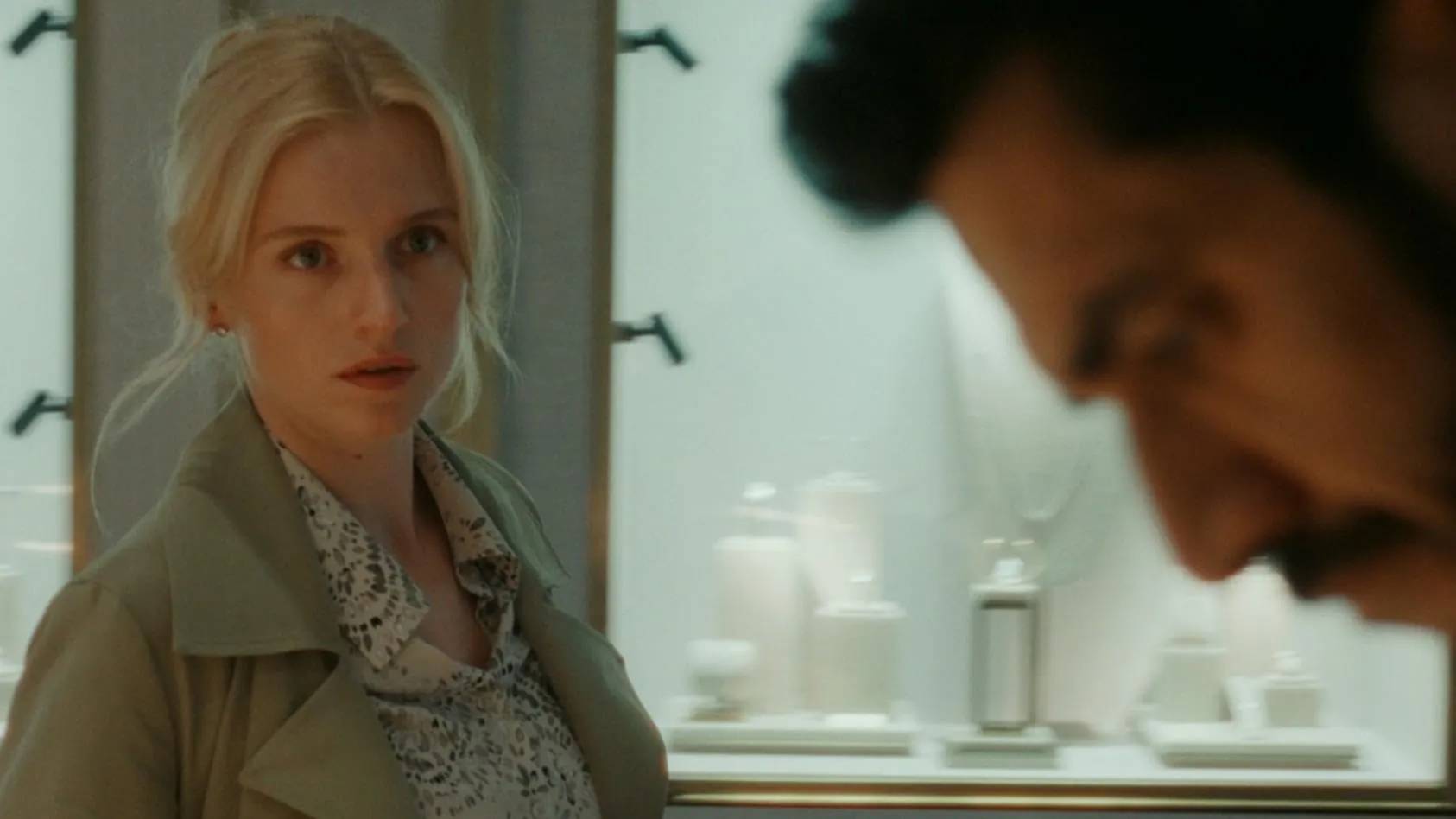
Restraint in action sets the tone for a character-first piece. Violent moments land with sting because the camera refuses to chase sensation. The high technical standard supports that choice. Cinematographers David Bauer and Jonas Berlin work in lockstep with production design to maintain the severe mood. The score by Robin Hannibal and August Rosenbaum builds pressure and underlines the ethical weight of Tea’s task. The show places the primary thrill inside the mind, and the storytelling avoids long chains of elaborate set pieces.
A single representational blind spot stands out. Every character of Middle Eastern descent appears connected to the criminal network. That shorthand risks repeating stereotypes that a global streaming platform should interrogate. The choice undercuts the otherwise careful treatment extended to Miran and Bambi.
The Core Question: Empathy as an Operative Failure
The show’s strongest element comes from the emotional axis between Tea and Ashley, powered by Clara Dessau’s performance. The series reframes the genre’s “asset” as the capacity to generate human empathy rather than a simple pipeline for intelligence.
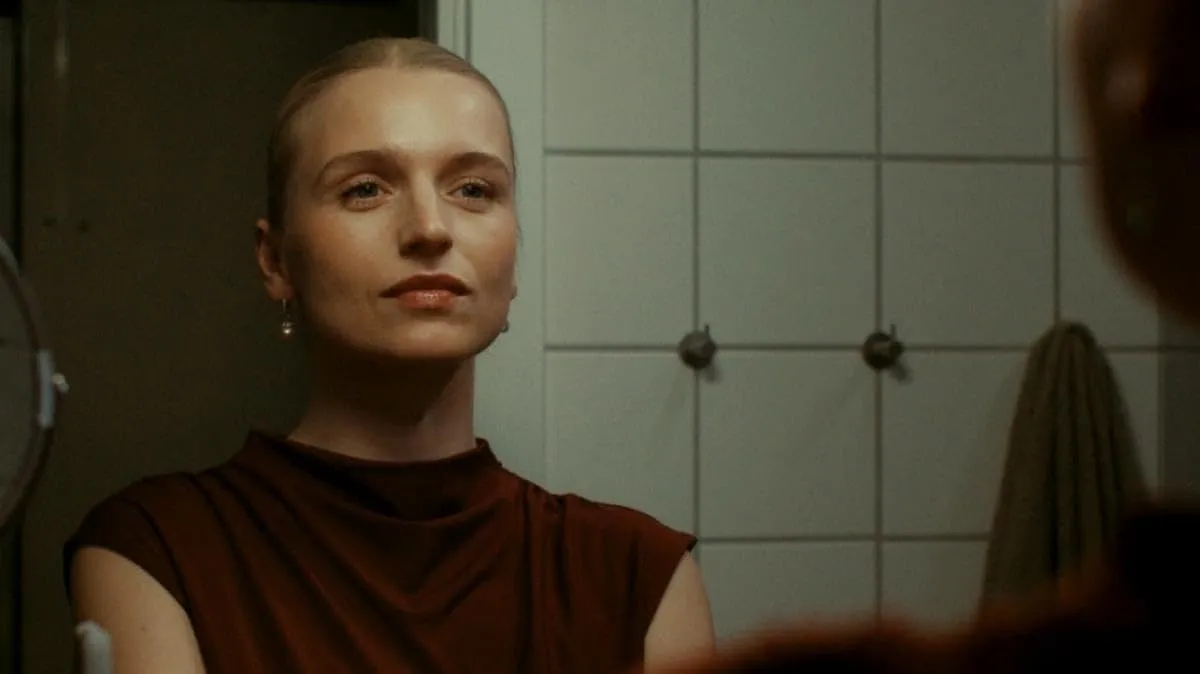
A current social question sits at the center of the drama. Can an operative keep the clean lines of professional distance once a bond formed on false premises turns real. Tea’s duty and her drive to protect a woman and child collide, and the assignment becomes a test of ethics. The story leaves space for the fallout of that conflict and points a path for future seasons and future spy stories that favor psychological stakes over procedural machinery.
The Danish-language crime thriller miniseries, The Asset (Legenden), premiered globally on Monday, October 27, 2025, and is available to watch exclusively on the streaming platform Netflix. The six-part series follows an aspiring police cadet who goes undercover to infiltrate a brutal criminal organization by befriending the wife of the crime boss, leading her into moral and emotional dilemmas.
Credits
Title: The Asset (Legenden)
Distributor: Netflix
Release date: October 27, 2025
Rating: TV-MA
Running time: 6 episodes, approximately 45 minutes each
Director: Samanou Acheche Sahlstrøm, Kasper Barfoed
Writers: Adam August, Frederik Ringtved, Samanou Acheche Sahlstrøm, Johanne Algren, Oscar Dyekjær Giese, Astrid Øye
Producers and Executive Producers: Jacob Jarek, Marta Mleczek
Cast: Clara Dessau, Maria Cordsen, Afshin Firouzi, Nicolas Bro, Soheil Bavi, Arian Kashef, Lara Ly Melic Skovgaard, Dan Boie Kratfeldt
Director of Photography (Cinematographer): David Bauer, Jonas Berlin
Editors: Nikoline Løgstrup, Anders Villadsen
Composer: Robin Hannibal, August Rosenbaum
The Review
The Asset
The Asset distinguishes itself through its intense focus on the psychological burden carried by Tea Lind and the complex, empathetic bond she forms with Ashley. While the core espionage setup follows a familiar trajectory, the series thrives in the moral ambiguity of its characters and the sharp, six-episode pacing. It uses the spy genre effectively to examine timely issues of control and female solidarity. The strong central performances elevate the material, making it a thoughtful, well-executed entry in the crowded field of Nordic thrillers.
PROS
- Strong, nuanced central performances by Clara Dessau and Maria Cordsen.
- The six-episode format is taut and fast-moving, sustaining tension.
- Effective exploration of moral ambiguity and female solidarity.
- High production value adhering to the Scandi Noir visual style.
CONS
- The core beats of the undercover story feel familiar.
- Reliance on cultural stereotypes for criminal characters.
- Minimal action; those seeking high-octane thrills may be disappointed.