


















![Kingdom Hearts Collection [I-III] Review](https://gazettely.com/wp-content/uploads/2026/10/Kingdom-Hearts-Collection-I-III-1-360x180.webp "Kingdom Hearts Collection [I-III] Review: KHII Holds Steady as Newer Entries Fluctuate 33")








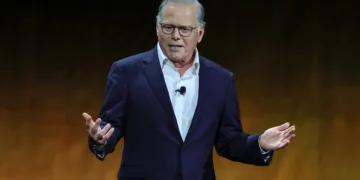
Warner Bros. Discovery’s potential sale has sharpened scrutiny of CEO David Zaslav’s compensation after a report said a change in control could trigger the vesting of roughly 21 million shares, yielding a payout near $500 million at recent offer levels. The figure is tied to bids that valued the company at just under $24 per share, proposals the board has rejected as it weighs strategic alternatives. The discussion arrives months after shareholders voted down the company’s 2024 executive pay packages in a non-binding “say-on-pay” ballot, signaling concern over pay practices during a period of restructuring and heavy debt service.
Interest in the company has centered on an approach from Paramount Skydance, which made multiple bids, including a mostly cash offer near $60 billion that the board declined this week. People familiar with the matter have described earlier proposals around $20 per share, followed by a higher offer near $24 with a substantial cash component. The board’s stance has been that price, structure and execution risk remained unresolved, while the company explores options that range from a full sale to other transactions.
Labor opposition has added a new variable. The Writers Guild of America said it will work to block any combination of the company with another major studio, arguing that consolidation has harmed workers and competition. Regulatory review would likely examine market concentration across filmed entertainment, cable networks and streaming, as well as the impact on licensing and sports rights.
Governance and investor optics remain central as talks continue. Zaslav’s reported change-of-control windfall stems from equity that would vest upon a sale; the headline number depends on deal price and mix. The earlier shareholder rebuke of a $51.9 million 2024 pay package underscores pressure on the board to justify incentives if a transaction proceeds. For now, the company has acknowledged unsolicited interest and a strategic review, while declining to comment on specific offers. Market reaction has been volatile around each leak and rejection, reflecting uncertainty over whether bidders return with revised terms and how any deal would navigate antitrust and political headwinds.