
























![Kingdom Hearts Collection [I-III] Review](https://gazettely.com/wp-content/uploads/2026/10/Kingdom-Hearts-Collection-I-III-1-360x180.webp "Kingdom Hearts Collection [I-III] Review: KHII Holds Steady as Newer Entries Fluctuate 37")



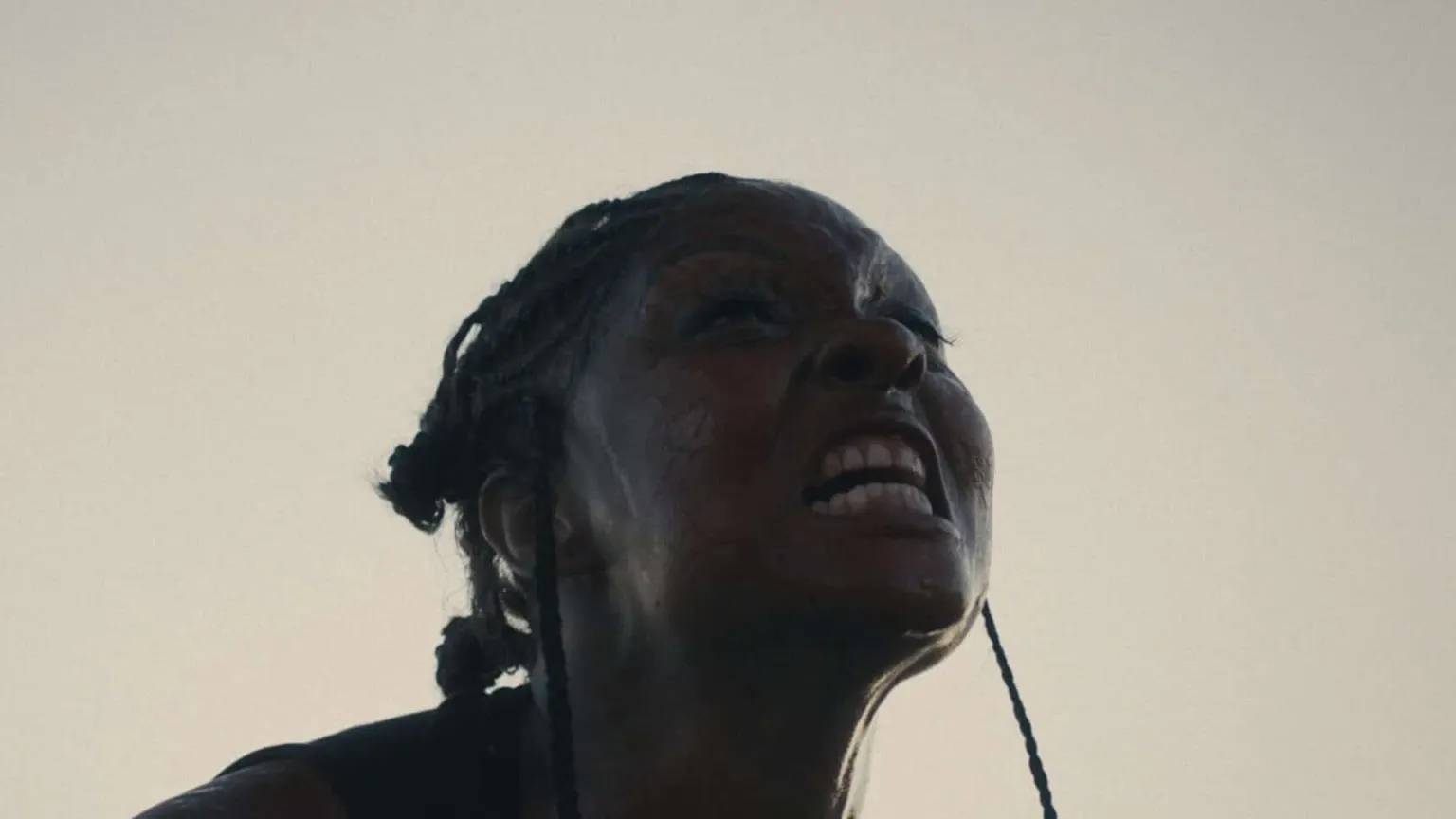

The screen opens on a stark map of the Abidjan-Lagos corridor, a West African corridor marked by trade, contradiction and crime. This corridor supplies the geographic and moral field for 3 Cold Dishes, an African crime film that joins the momentum of a cross-border thriller with the frozen emotional climate of a revenge drama.
Directed by Asurf Oluseyi, and carrying the imprint of executive producer Burna Boy, the film introduces itself as a stylish, kinetic project with ambitious scope and bilingual texture in French and English. At the narrative core lies a reckoning that has waited years to arrive. Three young women, Fatouma, Esosa and Giselle, first appear in 2002 as victims of human trafficking.
They return sixteen years later with bodies marked by survival and a single, sharpened intention. They now move as methodical outlaws who dedicate their lives to a carefully staged, long-delayed act of vengeance against the men who began their exploitation. The film uses the revenge structure to face the brutal persistence of human trafficking in West Africa. It presents itself as a striking work that confronts institutional and personal failure.
Narrative Structure and the Failure of Internal Depth
The film builds its architecture on a multi-timeline structure that aims to supply historical context for the violence we see in the present. The story breaks into chapters, each marked by bold titles that point to the traumatic starting point in 2002, the hidden years in between and the later march toward retribution. This segmented design recalls the fractured chronology associated with neo-noir and reaches for an epic dimension within a personal tragedy. However, the structure cannot fully sustain that weight.
The device meant to guide viewers through these temporal shifts, Mama Janice, played by Amelie Mbaye, recounting the past to a journalist, becomes a source of distance and weakens connection. Her animated voiceover arrives repeatedly, turning scenes that might have drawn the viewer inside into events reported after the fact. The audience hears repeated descriptions of trauma and gains little time inside the psychological interior of the three women. This structural decision blocks the story from achieving the emotional density it seeks.
Pacing reinforces the same problem. The film rushes through the most formative stretches of the protagonists’ lives, the movement from pure victimization to a fragile sense of agency. Crucial episodes in that transformation, the actual shaping of their hardened adult selves, receive quick, compressed treatment. The script crystallizes this impatience in its choice to present a portion of their trials through a short, visually modest animated sequence.
That stylistic shortcut drains away the physical presence and emotional labor needed to convey deep psychological damage. The film tries to operate at once as social exposé, glossy action spectacle and dark spiritual tale. This absence of a clear center of gravity weakens its attempt to construct a strong emotional link between viewer and protagonists. The catastrophe that defines their lives arrives with great kinetic energy, yet the suggested depth of feeling remains partly veiled.
The Geometry of Broken Identity and Uneven Portrayals
A psychological thriller stands on the complexity of its central figures, yet the trio at the core of 3 Cold Dishes stays largely defined by external conditions. Fatouma, Esosa and Giselle serve as clear archetypes that keep the plot machinery moving and never grow into fully developed, contradictory individuals. Fatouma appears primarily as relentless fury joined to her bond with a corrupt military general.

Esosa often stands apart through her position as the Anglophone presence inside a Francophone environment, a marker that replaces the sense of a rich inner world. Giselle carries a loosely sketched spiritual possession, a juju element that never truly fuses with the grounded crime texture of the film. The mystical thread sits at the edge of the narrative and feels like ornament and lacks the weight of a fully integrated thematic line.
The same inconsistency surfaces in performance. The film reaches its most piercing truth in the early passages with the younger cast. Ruby Akubueze, as teenage Esosa, gives a performance that holds raw, credible terror; her emotional clarity produces a sharp impact that shapes the early movement of the story.
The connection among the teenage trio briefly offers the emotional focus that the adult section lacks. However, once the film moves forward in time, a marked dramatic dissonance appears. The adult leads, restricted by a script that rarely offers detailed psychological shading, struggle to maintain a stable emotional key.
Their anger feels justified, yet it arrives in a largely single register and flattens the possibility of layered growth. A steadier figure of moral collapse appears in Wale Ojo’s performance as Uncle Bankole. His carefully measured malice, played with an unsettling calm, supplies a grounded counterpoint to the surrounding theatricality. He embodies the banality of local betrayal and stands as a necessary reference point for the film’s wider, more spectacular aims.
Visual Prowess and the Critique of Liberation
The film’s technical craft, and especially its cinematography, provides its most persuasive asset. The camera glides with steady assurance and records, with patience, the textured surfaces of a cross-continental world. From harsh desert light to the gritty neon sheen of Lagos streets, compositions hold a clear authority and a feel for lived space. The visual design often works like a noir map, using light and color to trace lines of power and precarity. The use of multiple languages, with dialogue shifting between French and English, further roots the action in the pressures and frictions that shape life along the border corridor.
The film’s strongest thematic insight arrives in its picture of exploitation as a cycle that regenerates itself. The women escape their first captors, yet their release never becomes genuine freedom. They pass directly into fresh hierarchies of male power, serving a general or passed along to local chiefs. The narrative argues that trafficking appears less as a single incident and as a continuing condition of restricted agency.
Survival occupies an ethical gray zone where movement from cage to cage replaces any stable sense of liberation. The planned revenge that should answer this system feels emotionally thin. Without a solid psychological framework to hold the intensity of the women’s rage, the final outburst, full of screams and raw feeling, plays as spectacle and withholds catharsis. The vengeance that promises a carefully controlled, icy act of justice lands with the unruly heat of brief frustration.
3 Cold Dishes premiered in cinemas across Nigeria, Ghana, the UK, and other territories starting on November 7, 2025. This Pan-African revenge thriller, executive produced by music star Burna Boy, tells the intense story of three women from Nigeria, Côte d’Ivoire, and Benin who reunite seventeen years after surviving human trafficking. Hardened by their trauma, they launch a cold, calculated mission against the powerful men who facilitated their exploitation. The film is a significant project in Nollywood and broader African cinema, showcasing action, drama, and multilingual dialogue across West African settings.
Full Credits
Title: 3 Cold Dishes
Distributor: FilmOne Entertainment
Release date: November 7, 2025 (Initial release in African cinemas, UK)
Running time: 110 minutes
Director: Oluseyi Asurf
Writers: Tomi Adesina, Oluseyi Asurf
Producers and Executive Producers: Martial Dansou, LY Hamet, Oluseyi Asurf, Bose Ogulu, Burna Boy, Osas Ighodaro
Cast: Osas Ighodaro, Wale Ojo, Fat Toure, Maud Guerard, Femi Jacobs, Ruby Akubueze, Amelie Mbaye, Mentor Ba, Bambadjan Bamba, Sourou Gouvoeke
The Review
3 Cold Dishes
A visually striking, geographically ambitious thriller that buckles under its own structural and emotional weight. 3 Cold Dishes sacrifices deep psychological truth for kinetic style, delivering a revenge narrative that feels lukewarm, though its engagement with the cycle of exploitation remains intellectually sharp. The cinematography is masterful, but a fragmented narrative and thin characterization prevent the film from achieving the modern classic status it clearly seeks. It is a compelling, frustrating near-miss.
PROS
- Exceptional Cinematography and Visual Style
- Authentic Cross-Border Setting and Multilingual Dialogue
- Challenging Thematic Premise on Cyclical Exploitation
- Strong Performance by Wale Ojo (Uncle Bankole)
- Effective, Raw Performances from the Younger Cast
CONS
- Choppy Pacing and Fragmented Multi-Timeline Structure
- Framing Device Detaches Audience from Emotional Core
- Thin Characterization of the Three Adult Leads
- Supernatural Element Is Vague and Underexplored
- Uneven Acting Consistency Across the Adult Timeline
- Revenge Plot Lacks Psychological Buildup and Catharsis