
























![Kingdom Hearts Collection [I-III] Review](https://gazettely.com/wp-content/uploads/2026/10/Kingdom-Hearts-Collection-I-III-1-360x180.webp "Kingdom Hearts Collection [I-III] Review: KHII Holds Steady as Newer Entries Fluctuate 37")



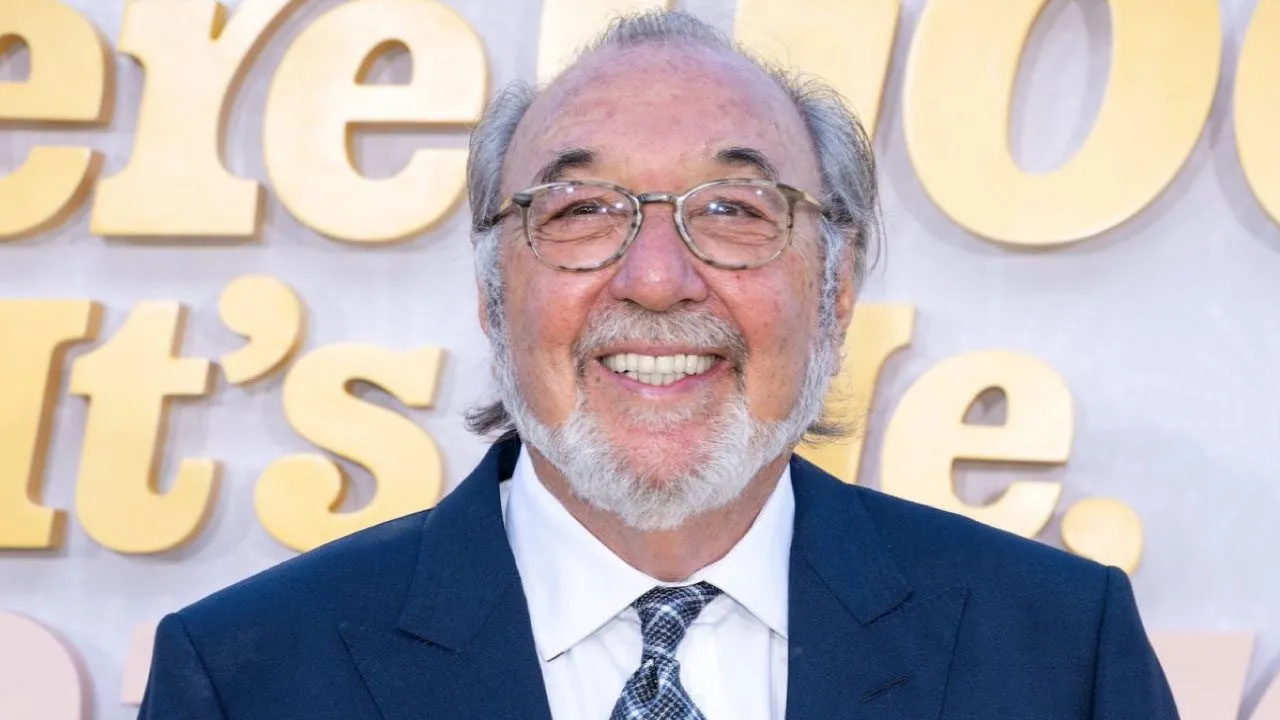

James L. Brooks is using a new conversation tied to Deadline’s Crew Call podcast to frame Ella McCay, his first directing effort in 15 years, as both a political comedy and a story about messy, imperfect families. The film, due in cinemas on December 12, 2025, marks his return to the director’s chair after 2010’s How Do You Know.
Set in an unnamed American state during the 2008 election year, Ella McCay follows a 34-year-old lieutenant governor, played by Emma Mackey, who is pushed into the governor’s office when her ambitious mentor, portrayed by Albert Brooks, leaves for a cabinet post in Washington. Around that premise, Brooks folds in a tangle of personal complications, including a high-profile husband, an overprotective aunt and a troubled brother, aiming for a film that moves between statehouse strategy and family chaos.
Brooks has stressed in recent interviews that he no longer wants to say he “loves” his characters so much as treat them as recognisable people, insisting that nearly everyone in Ella McCay is flawed. He describes the movie as an expressly political comedy that still keeps its focus on one woman’s job and private life rather than on partisan combat, setting it in 2008 to capture a less bitter atmosphere around public service.
The writer-director also links the film to his long-running fascination with family dynamics. A recent studio release describes Ella McCay as a story about “the people you love and how to survive them,” while a featurette built around behind-the-scenes footage leans on Brooks’ description of the project as a half-political, half-family comedy. He has said his goal was to salute the golden age of movie comedy, with a “zany” spirit delivered by an ensemble that includes Jamie Lee Curtis, Woody Harrelson, Kumail Nanjiani, Ayo Edebiri, Rebecca Hall, Julie Kavner and others.
On Crew Call, Brooks revisits earlier career bruises, including the troubled 1994 film I’ll Do Anything, which was heavily re-edited after music-heavy test screenings went badly. He has spoken elsewhere about how that experience shaped his caution about losing sight of character while chasing high-concept ideas, a concern that feeds into Ella McCay’s emphasis on grounded relationships.
Industry reaction to his comeback varies. Some commentators are already positioning Ella McCay as a potential awards-season player, helped by a shifted December release date, while others warn against assuming a triumph from a filmmaker whose later films have drawn mixed responses.







