





















![Kingdom Hearts Collection [I-III] Review](https://gazettely.com/wp-content/uploads/2026/10/Kingdom-Hearts-Collection-I-III-1-360x180.webp "Kingdom Hearts Collection [I-III] Review: KHII Holds Steady as Newer Entries Fluctuate 37")



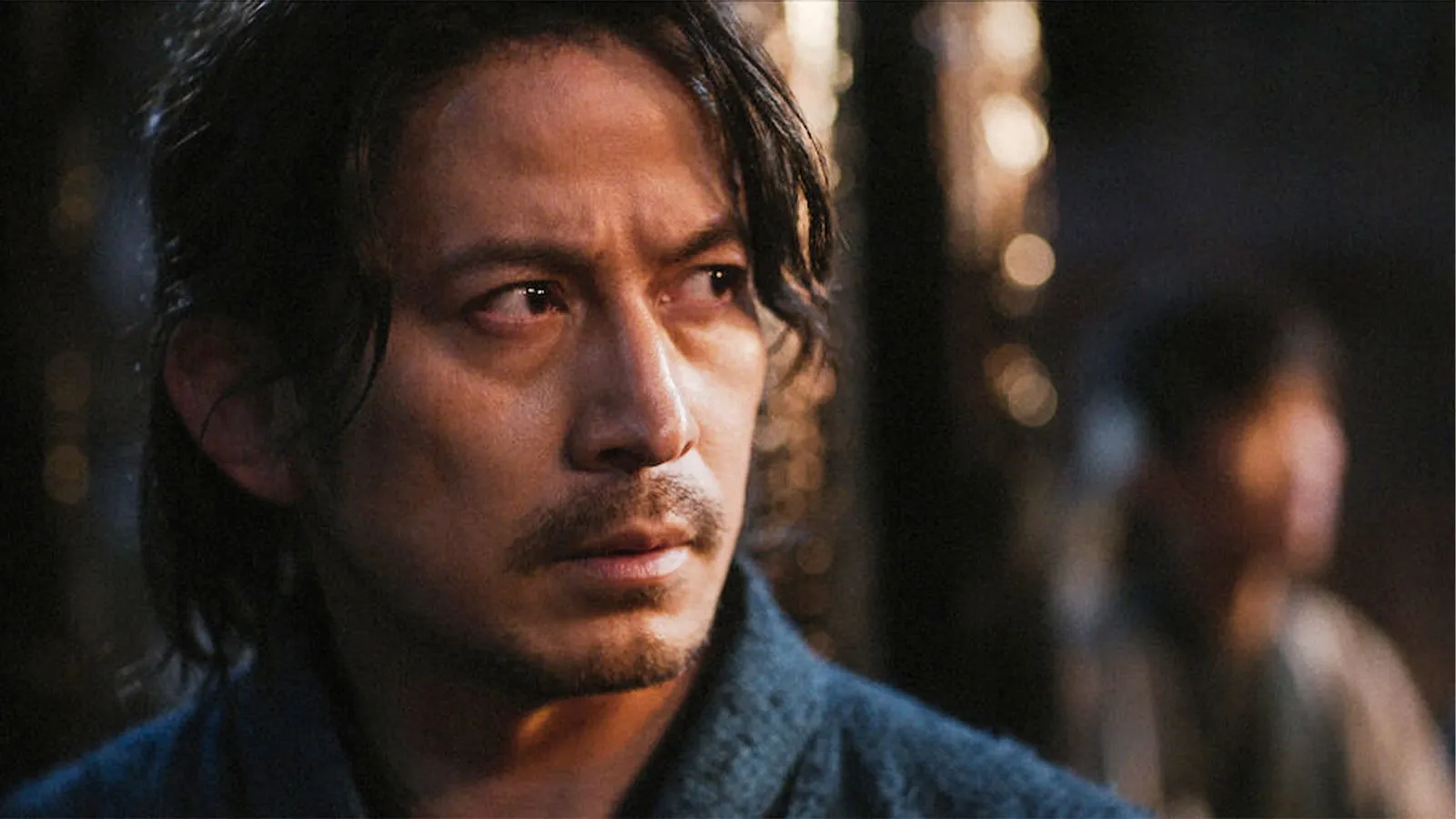

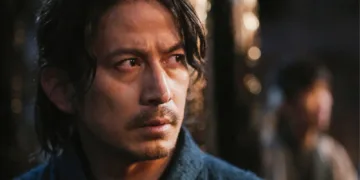
Junichi Okada is stepping into one of the most demanding roles of his career with Last Samurai Standing, a six-part Netflix historical action series in which he serves not only as lead actor but also as producer, creative director and action choreographer. Set in 1878, the show arrives as a major streaming launch for Japanese drama and as a showcase for Okada’s long-standing interest in period stories and physical performance.
Based on a novel by Shogo Imamura, Last Samurai Standing unfolds in the Meiji era, when the old warrior class has been stripped of status and many are left adrift. The story gathers 292 former samurai at Kyoto’s Tenryu-ji Temple and forces them into a deadly contest called Kodoku, a race to Tokyo in which fighters steal one another’s wooden tags to secure passage through checkpoints and claim a cash prize. Okada plays Shujiro Saga, a former assassin who enters the game to save his family during a cholera outbreak, giving the spectacle a personal stake rooted in economic hardship and public health crisis.
The project is the culmination of decades of work that have taken Okada from boy-band idol to award-winning screen actor and certified martial arts instructor. He holds teaching credentials in Jeet Kune Do and Kali and has continued training in Brazilian jiu-jitsu, recently earning a high-level black belt.
That background feeds directly into Last Samurai Standing. Okada has said he wanted “real human bodies” on screen, avoiding reliance on digital doubles and staging long takes that capture full movements rather than fragmented action. Production notes describe a shoot that involved nearly 300 costumed performers and what the creative team likened to making several feature films back to back.
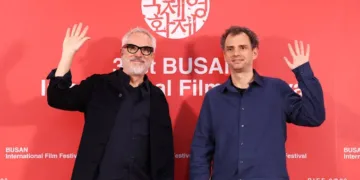
First unveiled in Netflix’s 2025 Japan slate and premiered in the On Screen section at the Busan International Film Festival, the series is positioned as a global tentpole title, pairing large-scale battle scenes with political intrigue around the state’s attempt to erase the samurai class. Historical commentators have highlighted how the show uses its survival-game structure to dramatize the dislocation of former warriors in a rapidly modernizing society, while early reactions have focused on the scale of the fights and the emotional through-line of Shujiro’s bond with younger fighter Futaba. The season closes with an “End of Chapter One” card and no formal renewal, leaving the outcome of the Kodoku undecided and underlining that Okada’s latest reinvention of samurai drama is conceived as an ongoing saga if audiences respond.