


















![Kingdom Hearts Collection [I-III] Review](https://gazettely.com/wp-content/uploads/2026/10/Kingdom-Hearts-Collection-I-III-1-360x180.webp "Kingdom Hearts Collection [I-III] Review: KHII Holds Steady as Newer Entries Fluctuate 33")







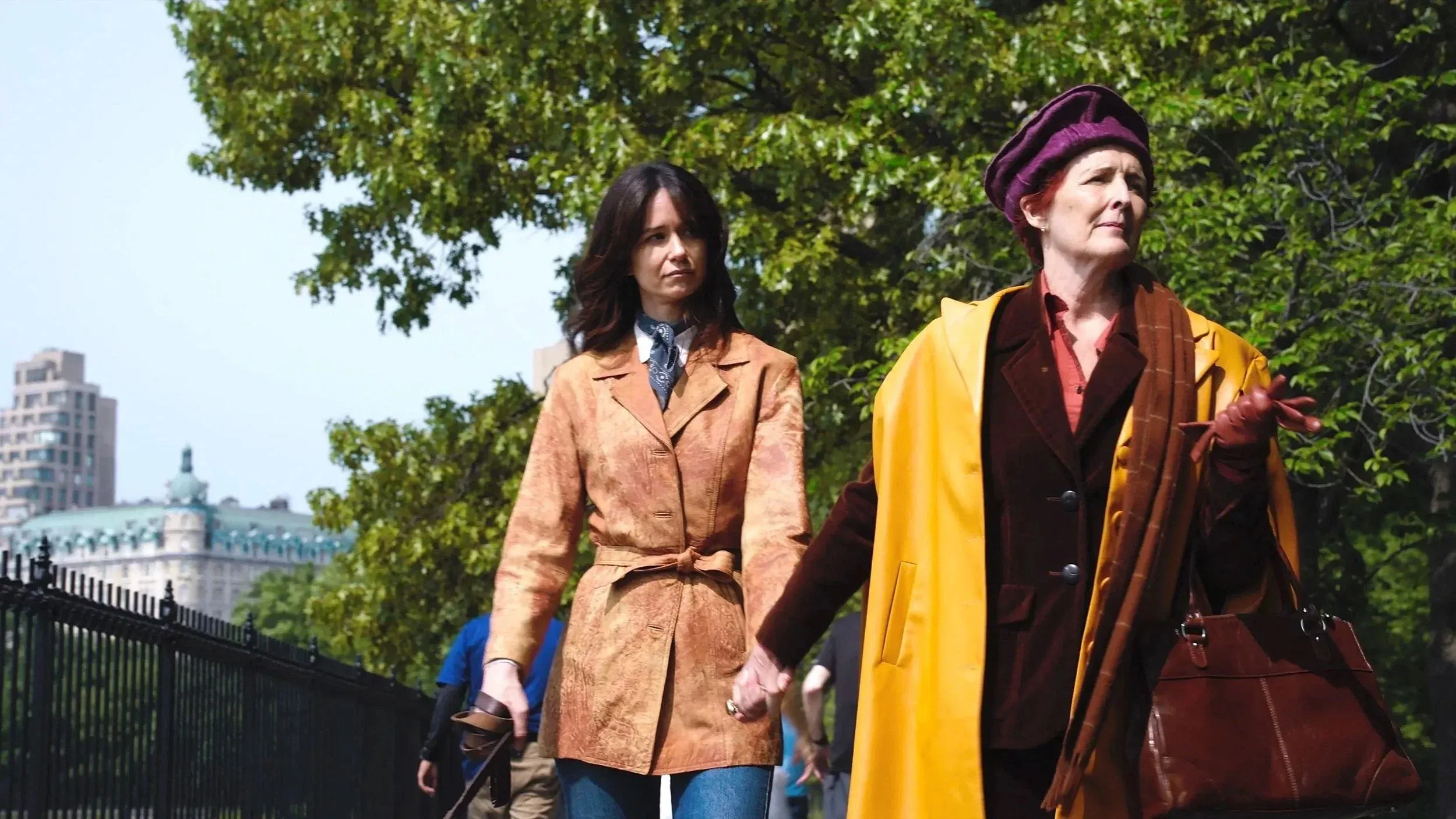

Park Avenue introduces a high-stakes Manhattan family drama inside a luxurious yet confining New York apartment. Director Gaby Dellal immediately positions the viewer inside the fraught relationship between glamorous matriarch Kit (Fiona Shaw) and her estranged daughter Charlotte (Katherine Waterston).
The central conflict plays out as an intimate kind of warfare, sparked when Charlotte escapes a failing marriage to a controlling rancher and retreats to her childhood home. The visit coincides with a hidden crisis in the household, since Kit, an imperious keeper of appearances, is quietly confronting a serious terminal illness.
The film takes the shape of a tight chamber piece, using its restricted environment to heighten the friction between two women whose lives sit at a decisive turning point. High ceilings, polished surfaces, and expensive art in the Park Avenue apartment turn into a cage for their relationship, framing a story about the heavy cost of family secrets.
The Warfare of Affection and Control
The relationship between Kit and Charlotte functions as a concentrated study in emotional baggage. Their forced closeness pulls long-suppressed grievances to the surface and shapes their dynamic into a sophisticated form of domestic combat. Kit relies on a mask of haughty distance and sharp wit, while Charlotte’s return snaps her back into a raw, resentful teenage posture.
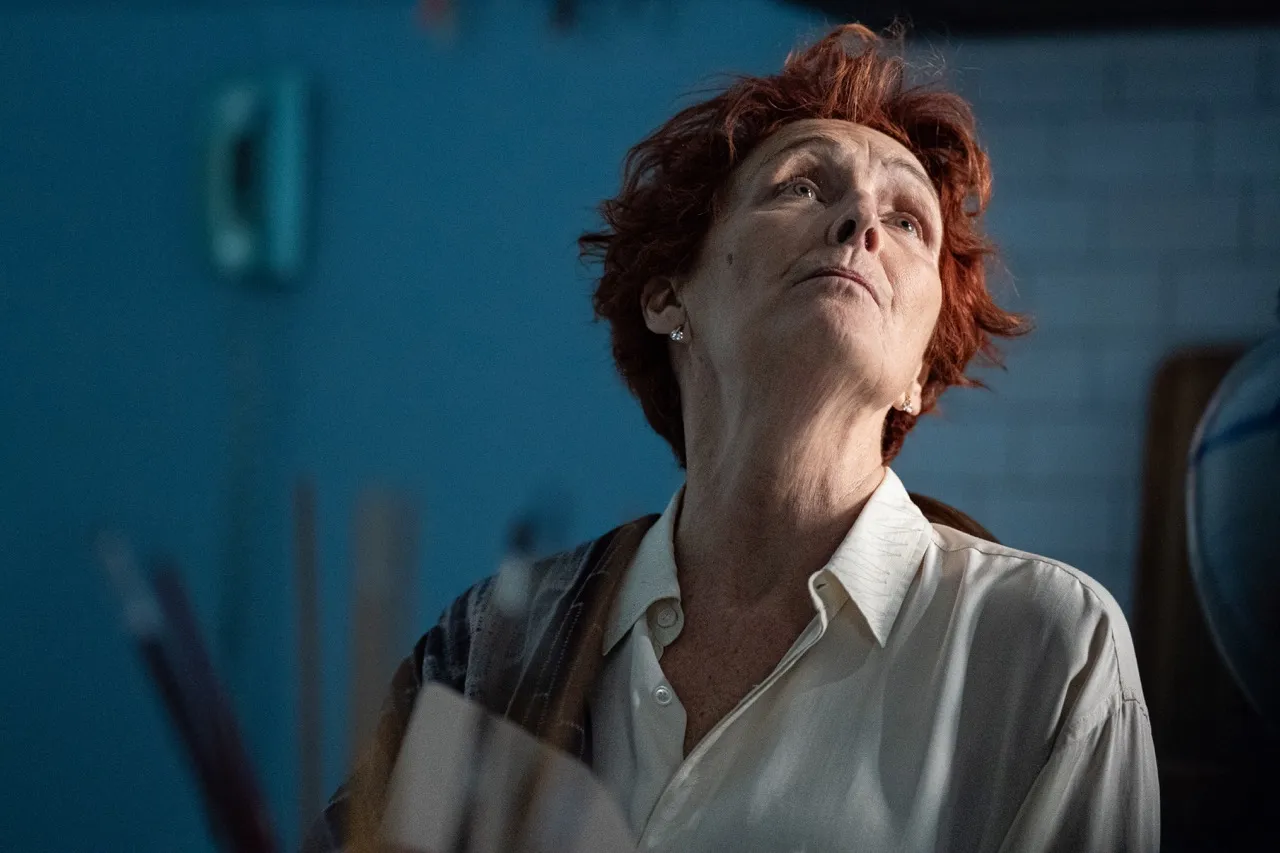
The tension gains complexity through a quiet recognition that they are deeply alike; both share an inward artistic streak and a particular sense of humor, qualities that keep them clashing while hinting at a strong, unspoken bond.
Their wealth sets the stage for this conflict, providing a subtle critique of entitlement and the emotional limitations that comfort can create. The hostility between them grows out of a deep sadness and pain that Kit’s calculated glamour and Charlotte’s simmering anger both attempt to hide.
The Art of Focused Performance
A chamber drama like this depends heavily on the actors, and Park Avenue leans into that demand. Fiona Shaw’s work as Kit feels fearless and clear, shaping a fully realized, still-vital inner world for the matriarch. She uses an elegant bohemian facade, complete with shimmering, carefully chosen outfits, to smuggle in a strong sense of vulnerability, as if the character is trying to outrun age and time through style and attitude.
The performance gives Kit defined dimensions. Katherine Waterston matches that precision with a tightly calibrated turn as Charlotte, channeling simmering resentment and the particular frustration of a conflicted adult child. Her physical choices, from folded arms to the persistent frown, communicate an internal struggle as Charlotte tries to picture an uncertain future. The charge between Shaw and Waterston fuels intensely staged exchanges inside the apartment, turning their verbal lunges and parries into the gripping core of the film.
Visual Kick and Peripheral Figures
Gaby Dellal supplies the story with visual kick through careful control of its aesthetic elements. The camerawork and design choices make sharp use of the classy New York settings. The Park Avenue apartment itself behaves like a third participant in the drama, its fading grandeur set against the forced glamour of the people who live there. Production design and eccentric costumes strongly shape the film’s mood. Around Kit and Charlotte orbits a small circle of supporting characters.
Anders (Chaske Spencer), the building’s doorman and a childhood friend, holds a pivotal and appealing position. He serves as a trusted confidant who sits close to Kit’s secret and cares for both women, working as an emotional bridge between them. The film also presents other Manhattan residents, including members of the building board, and these threads and cameos feel slightly underdeveloped and occasionally distract from the core focus on the mother and daughter.
Pacing and Thematic Weight
The script adopts a slow-drip approach to narrative, revealing information about Charlotte’s father, her husband, and Kit’s illness in small, incremental pieces. This pattern mirrors the characters’ habit of withholding and their limited ability to speak honestly. However, this reluctance to share essential background early can weaken dramatic momentum, since late revelations land with less force than the material seems to promise.
The film offers a diverting and agreeable watch, yet its effort to tie every current difficulty to earlier trauma can make the material feel less deep, which keeps the emotional concerns from fully landing. Even with life-and-death stakes in play, the story occasionally circles the same territory through the middle stretch. The strength of the acting and the careful character work stays clear, yet the architecture of the narrative keeps the drama slightly removed and prevents it from fully getting under the viewer’s skin.
Park Avenue is an independent family drama that premiered in 2024 and is scheduled for a theatrical release in the UK and Ireland on November 14, 2025. The film is a chamber piece centered on the strained relationship between the imperious matriarch Kit and her daughter Charlotte after Charlotte returns to the family’s opulent Manhattan apartment. As of now, it is set to be shown in UK and Irish cinemas, with streaming and release information for other territories pending.
Credits
Title: Park Avenue
Distributor: Global Screen (International Sales)
Release date: November 14, 2025 (UK and Ireland Cinemas)
Rating: 12A (UK rating)
Running time: 105 minutes (1 hour 45 minutes)
Director: Gaby Dellal
Writers: Gaby Dellal, Tina Alexis Allen
Cast: Fiona Shaw, Katherine Waterston, Chaske Spencer, Frederick Weller, Gabriella Baldacchino, Phylicia Rashad, Didi Conn, Timothy Hutton, Mary Beth Peil, Franklin Ojeda Smith
Director of Photography (Cinematographer): David Johnson
The Review
Park Avenue
Park Avenue is an intense, elegantly staged chamber drama, anchored by two phenomenal lead performances from Fiona Shaw and Katherine Waterston. While the film excels in its sharp character analysis and striking visuals, the deliberate, slow-drip pacing of the script often keeps the audience at an emotional distance. It is a visually rich, engaging character study that does not fully capitalize on its dramatic potential.
PROS
- Fiona Shaw and Katherine Waterston deliver fearless, precise performances.
- Elegant setting, striking costumes, and effective use of the high-society Manhattan environment.
- The mother-daughter conflict is sharp and consistently engaging.
- Chaske Spencer’s role as Anders provides a necessary emotional anchor.
CONS
- The narrative lags in the middle section, reducing momentum.
- he script’s reluctance to reveal information makes crucial plot points feel less impactful.
- Explaining present-day conflict solely through past trauma simplifies the characters' current issues.
- Some peripheral characters and stories feel distracting or incomplete.