


























An unexpected layover in a glittering, anonymous city becomes the origin of an expansive romantic pursuit in We Met in December. This holiday romantic comedy refreshes the classical “missed connection” premise with energetic, contemporary storytelling. The central characters are two Chicago professionals: Annie Lane, played by Autumn Reeser, a sharp lawyer whose work connects to the fashion industry, and Dave Weeks, played by Niall Matter, a focused financial advisor.
A storm causes airline disruption and strands them for a single, memorable night at a grand, festive hotel. During that brief encounter they exchange intimate personal details. They describe family histories, disclose cherished holiday rituals, and speak openly about hopes they have deferred. Both characters leave the hotel believing they will reunite on a shared flight back to Chicago.
A missed alarm and subsequent flight changes prevent Dave from boarding, and the plot’s central conflict is quickly established. Two people who discovered a sudden and deep emotional bond find themselves physically separated but geographically close. Armed only with first names and the intimate fragments they traded, Annie and Dave begin a citywide search across the third-largest American city.
The Core Mechanic: Chemistry and Performance
The structural integrity of a romance that blooms in one night rests on the actors’ ability to make the connection feel authentic. Autumn Reeser and Niall Matter construct an on-screen chemistry that reads as immediate and believable. Their interactions function as the film’s primary mechanical element, providing motive for the ensuing search and sustaining the audience’s emotional investment. Each performer supplies small physical and vocal details that give Annie and Dave distinct interior lives. This depth prevents the characters from flattening into stock romantic figures.
The initial encounter is staged to build emotional weight through modest, concrete gestures and direct conversation. Dave holds the door, a small courtesy that registers as a character detail. The pair then spend hours in frank discussion that moves into topics such as coping with family grief and deferred professional ambitions. That rapid intimacy makes the morning separation painful for the viewer. Annie’s best friend Kate serves as an effective sounding board and provides a useful contrast with her own miserable airport saga. These small interactions anchor the central romantic conceit in recognizable reality.
A strong supporting cast further reinforces the central relationship by creating a lived-in social world. Friends such as Kate, Olivia, and Jeff, and family members including Annie’s sister Beth and Dave’s mother Gail and sister Violet appear as active participants in the protagonists’ lives. These characters supply reactions, practical help, and emotional pressure that allow the screenplay to examine personal struggles such as Dave’s ongoing grief for his father and Annie’s reconsideration of her career path within a believable context. The ensemble support keeps the main relationship grounded while making the world around it feel authentic.
Non-Linear Pacing and Set Design
The film uses a non-linear narrative structure as a deliberate cinematic technique. The story does not follow strict chronology. It begins after the initial spark and continually intercuts present-day sequences of separation and search with extended flashbacks to the night that initiated the bond. That continual juxtaposition preserves forward momentum while repeatedly reminding viewers of the emotional logic that necessitates the pursuit. Memory and present action operate in tandem, which raises suspense and reframes the chase as an effort to retrieve a shared, potent experience.
The “missed connections” device functions like a tightly wound plot mechanism. Annie and Dave reconstruct likely locations from the intimate fragments they shared, and their hunt turns Chicago into a chain of meaningful stops: the house with the extravagant light display Dave’s father inspired, the candlelit Christmas Eve church service Annie attends, and a specific coffee shop she prefers. Frequent near-misses—moments when the pair come within feet of one another without recognition—act as pressure points that sustain audience investment. Those moments feel earned because the initial bond is given emotional weight.
From a technical standpoint the film aims for a warm, high-end look and feel. Cinematography and production design, particularly inside the Fairmont Château Laurier that stands in for the layover hotel, use golden lighting and ornate holiday decoration to bathe the opening scenes in a luminous glow. Holiday traditions and visual motifs serve a dual role: they create atmosphere and they supply practical clues that propel the plot. For example, Dave’s decision to hire a private investigator and Annie’s use of an online app show different approaches to the search; both fail in ways that emphasize the film’s argument that human connection and serendipity matter more than quick technological fixes.
The screenplay balances lighter, comedic moments with sincere emotional beats to maintain steady pacing. Scenes of communal merriment and brief comic relief provide breathing room between sequences of urgent searching and quieter moments of longing. That pacing approach helps the emotional beats register without flattening the film into simple sentimentality.
Growth and Thematic Resonance
We Met in December builds thematic depth by making the central romance operate as a catalyst for personal change. The relationship prompts both characters to confront compromises and take tangible steps toward more authentic lives.
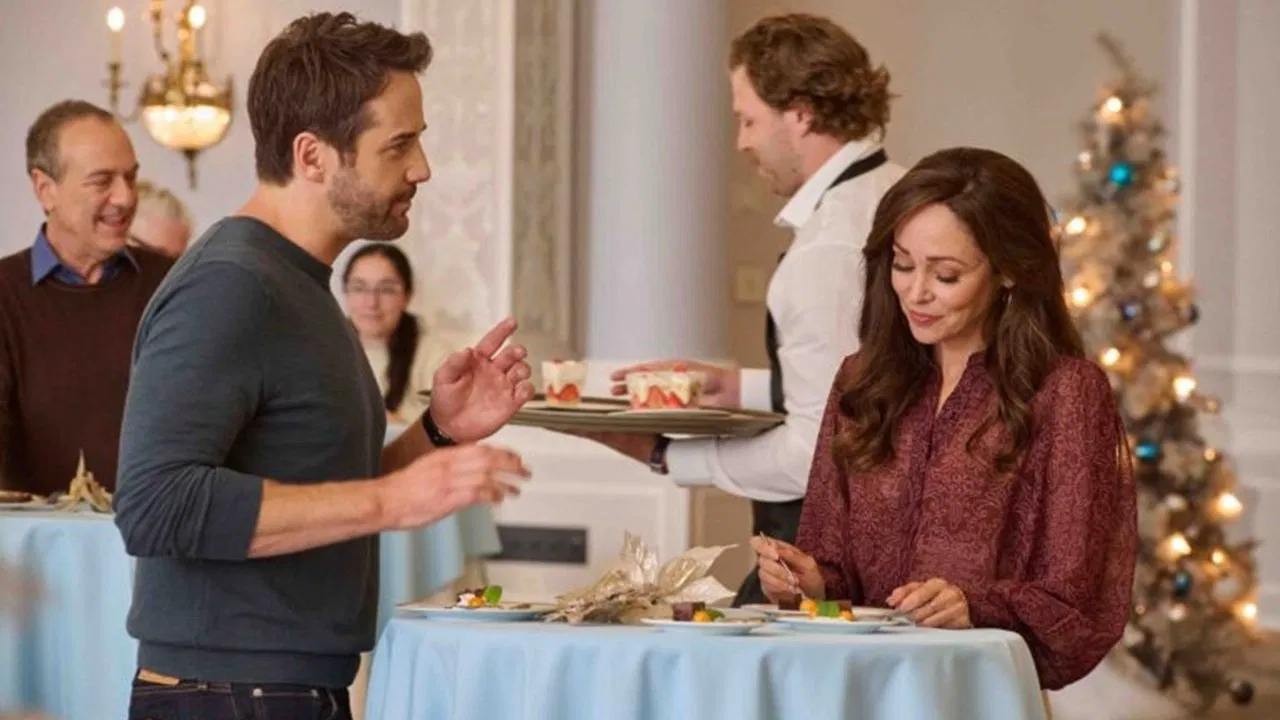
Annie’s arc focuses on the tension between professional stability and creative impulse. She works as a lawyer in the fashion field while privately carrying a passion for sewing and design. A conversation with Dave about making clothes as a child reminds her that she settled for security over creative risk. Her decision to sketch and sew again becomes a visible sign of renewed ambition. The moment when she shares her work and states she no longer wants to be the person who never tried reads as a decisive beat that signals real personal movement.
Dave’s arc examines grief and the urge to control family ritual. This is his family’s first Christmas following his father’s death, and Dave responds by hyper-organizing traditions—from the elaborate light display inspired by his father to the logistics of acquiring the tree. Those controlling patterns isolate him and postpone emotional processing. Annie’s observation about the value of being present prompts him to loosen his grip and invite family participation. That shift produces a meaningful emotional breakthrough and opens him toward connection.
The film keeps themes of fate and serendipity at its center while framing them through communal support and individual transformation. Reunion follows active searching, practical assistance from friends and family, and visible personal revision. Those interlocking personal arcs supply the emotional ballast that makes the final meeting feel earned, satisfying, and appropriate for an annual holiday viewing.
We Met in December is a holiday romantic comedy that premiered on the Hallmark Channel on Thursday, November 27, 2025, as part of its annual Countdown to Christmas event. The story centers on Annie and Dave, two strangers who share a magical night together during a flight layover, only to lose contact before exchanging numbers. They subsequently embark on separate quests to find each other in Chicago before Christmas. The movie, which has a running time of 84 minutes and a TV-G rating, is available for streaming on the Hallmark Channel’s dedicated subscription service, Hallmark+, as well as via other services like Philo.
Full Credits
Title: We Met in December
Distributor: Hallmark Channel
Release date: Thursday, November 27, 2025
Rating: TV-G
Running time: 1 hour 24 minutes (84 minutes)
Director: Marlee MacLeod
Writers: Nina Weinman
Producers and Executive Producers: Sebastian Battro (Executive Producer), Kristofer McNeeley (Executive Producer), Andrew Gernhard (Producer)
Cast: Autumn Reeser, Niall Matter, Tara Yelland, Lara Amersey, Kyana Teresa, Nora Sheehan, Isabella Boulton, Adam Fawns
Director of Photography (Cinematographer): C. Kim Miles
Editors: Marc Roussel
Composer: Sean Nimmons-Paterson
The Review
We Met in December
We Met in December succeeds because its central chemistry between Reeser and Matter is immediately magnetic, justifying the entire search premise. The film’s non-linear structure and beautiful aesthetic elevate a familiar holiday plot. It is effective because it couples the romance with strong personal growth arcs—Annie’s dream of design and Dave’s journey to being present. This cohesive design makes the final, simple reunion feel earned, delivering sincere emotional payoff. It is a highly recommended and refined piece of holiday storytelling.
PROS
- Exceptional chemistry and strong lead performances.
- Sophisticated, non-linear narrative structure using flashbacks.
- Emotional depth through individual personal growth arcs.
- Beautiful cinematography and set design creating a magical aesthetic.
- Strong, relatable supporting cast creating a "lived-in" world.
CONS
- The core "missed connection" plot device is highly familiar to the genre.
- The frequent near-misses can feel overly frustrating as a plot mechanism.
- The central conflict relies on the easily avoidable mistake of not exchanging contact information.