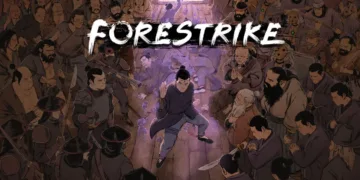


























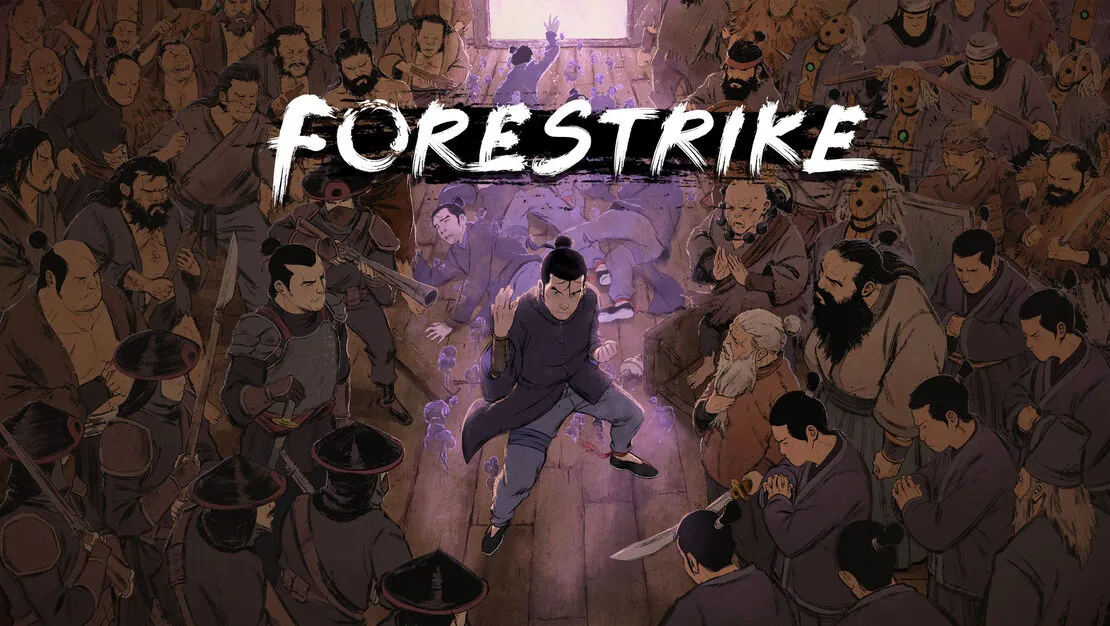

Forestrike, developed by Skeleton Crew Studio and published by Devolver Digital, presents martial arts action on the surface but builds its identity around a tightly designed strategic puzzle system. The player steps into the role of Yu, an apprentice martial artist with the rare Forestrike, or Foresight, ability. Yu undertakes a grand mission to protect the Emperor and the Empire, guided by a small group of ancient masters. This classic Wuxia setup frames a highly inventive core mechanic.
Foresight lets Yu rehearse and plan every fight in his mind, testing tactics repeatedly before committing to a single, final attempt in reality. This structural hook serves as the main twist that sets Forestrike apart from a typical roguelite structure. The experience gains character from expressive pixel art that feels chunky yet detailed, supported by music that captures the tone of martial arts cinema.
The Clinical Precision of Combat Puzzles
Forestrike’s core loop turns every encounter into a dense combat puzzle. Each single-screen fight, usually placing Yu against two to six foes, asks the player to uncover one precise sequence of moves that produces a clean victory. The Forestrike mechanic holds this structure together.
When activated, the screen darkens and the player receives unlimited attempts to experiment with routes through the fight, refining timing and positioning until the sequence feels correct. It functions like “labbing” a combo in a fighting game, with the goal shifted from a single string to the dismantling of an entire group.
This approach places heavy demands on execution. Even after running through a sequence dozens of times in Foresight, a small mistake, rushed input, or slight timing slip in the live attempt causes instant failure and the abrupt end of a run. Many games allow small errors to slide; Forestrike asks for strict adherence to the planned pattern.
The puzzle structure relies strongly on resource management. Defensive techniques such as dodges, blocks, and special abilities draw from limited pools like Ki or colored pips. Players frequently face several threats at once with a thin reserve of tools, so they must plan how to regain resources or take advantage of interactions between enemies.
Foes have distinct movesets. Some wield weapons that Yu can disarm, while others fire projectiles that can be redirected into different targets. The game’s visual language supports this reading of the field, with sharp color cues that signal attack types and help players commit to precise timing and careful planning.
Mastery and The Master Styles
Forestrike applies a familiar roguelite structure. Runs begin at the monastery, then move across a simplified map of encounter nodes and shops. The story uses a conventional format, revealing more information about the world and Yu’s masters between runs while keeping the focus on moment-to-moment action. Player choice appears at the start of each run through the selection of one of five martial arts Masters. This decision shapes most of Yu’s initial abilities and defines the general approach to combat.
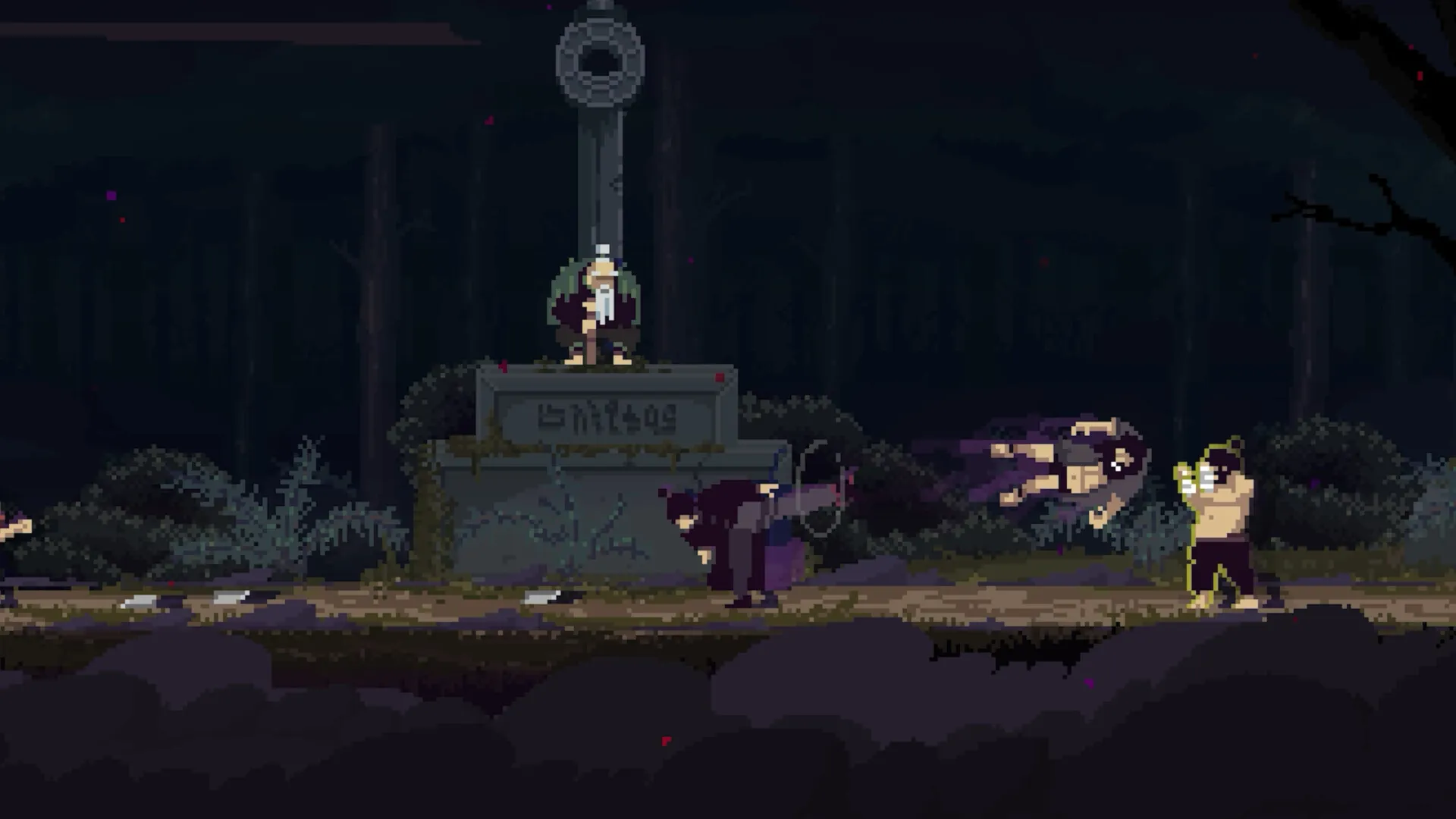
Each Master favors a distinct style. Taigun leans on positional tricks and rewards dodges that cause enemies to strike each other. Nodai works as a tactical endurance specialist with a powerful block. Ogai emphasizes evasion and attacks from less predictable angles.
During a run, players earn techniques and relics as rewards, gaining benefits such as extra resources, new disarming tools, or fresh attack options. These rewards arrive with a degree of randomness that pushes players to adjust their build synergies from run to run, similar to deck-building roguelites where you assemble an effective toolkit from whatever drops appear.
Character growth emphasizes player skill over permanent mechanical upgrades between attempts. This emphasis on learning systems can feel static for players who look for persistent progression, because long-term statistical buffs play a smaller role. The difficulty level also hits hard. Certain ability combinations or a small health pool can create encounters that feel overwhelming or even unsolvable, cutting off a promising run and generating real frustration.
The Test of Reality
Forestrike’s most demanding challenge appears in the Reality Run, an endgame mode that unlocks after the player completes a run with every Master. Reality Run serves as a final exam because it completely disables Foresight. The standard mode concentrates on planning an ideal outcome beforehand, while Reality Run asks for performance under pressure, pushing players to rely on real-time execution built on internalized knowledge of the systems.
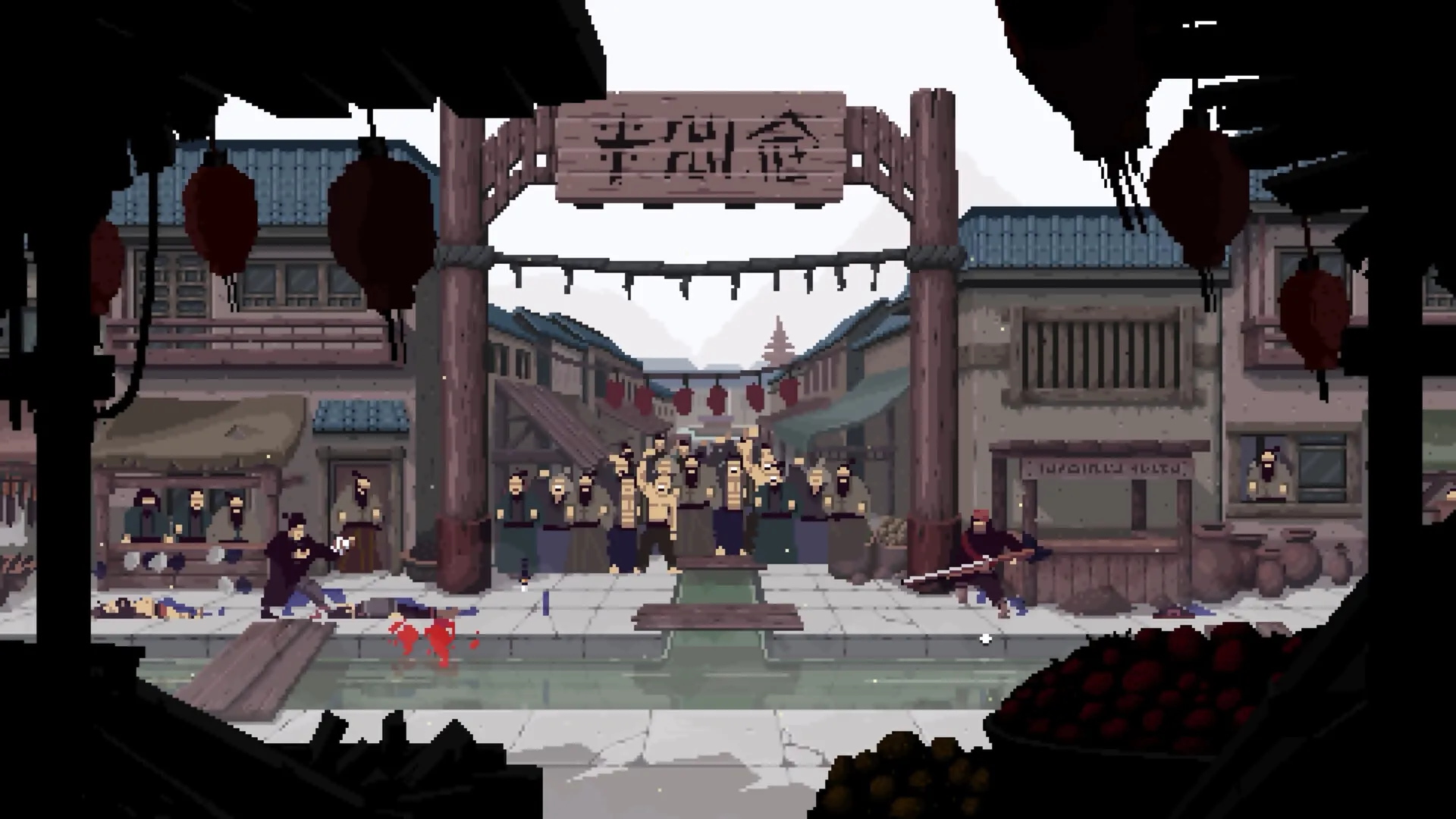
This structure reflects a clear philosophical choice in the design. After hours of play supported by the cushion of rehearsal, the game expects the player to move beyond that safety net and reach genuine mastery, which ties directly into its martial arts theme.
Outside this last test, Forestrike includes quality-of-life tools such as saving fight replays and sharing encounter codes so that other players can attempt specific battles. On the technical side, the game showed some early issues, including crashes, with particular reports on the Switch 2 version that players could soften by saving frequently, and hitstop that lingers long enough to disturb the fine timing needed for precise parries.
The Review
Forestrike
Forestrike offers a brilliantly inventive blend of roguelite structure and martial arts combat, successfully framing each encounter as a demanding puzzle. Its central Foresight mechanic is a genuine innovation, fostering a deep sense of mastery and highly rewarding execution. While the game sometimes suffers from frustrating difficulty spikes, limited meta-progression, and minor technical issues, its core loop is addictive and challenging, appealing deeply to players who value precision, planning, and ultimate skill triumph.
PROS
- Inventive Foresight mechanic
- Deep, rewarding puzzle combat
- Evocative pixel art style
- Distinct Master-based playstyles
CONS
- Limited meta-progression
- Occasional frustrating difficulty spikes
- Minor technical hitches (e.g., hitstop)
- RNG can lead to unwinnable runs