



















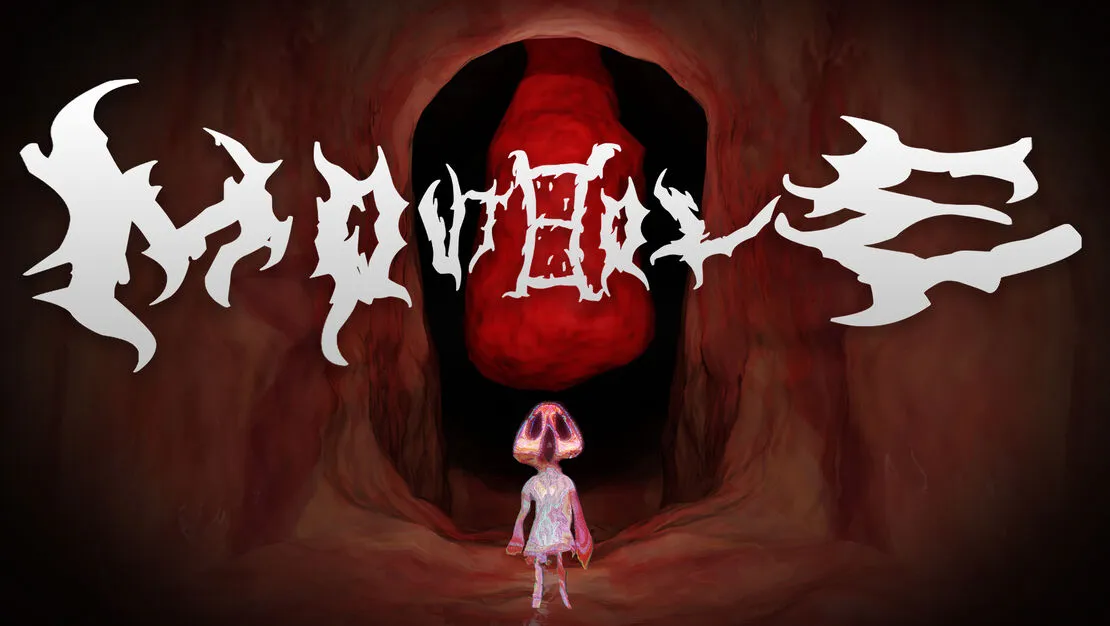

MOUTHOLE frames itself as a first-person experience that rejects conventional narrative frameworks and presents a surreal puzzle game with psychological horror. The design reads like a fever-dream simulation of mounting existential dread rather than a structured quest. The experience opens with a content warning for dentophobia, which fixes the abstraction to a common, real anxiety.
A blurred, close-up view of a dentist sets a claustrophobic tone as questions drift away from clinical language. The consultation ends with an apocalyptic prognosis: the player’s mouth will rot away in six days unless they “sort it out.” That ultimatum sets a mystery with pressure and uncertainty. Play splits into two parallel lives: the everyday routines of a small home and the chaotic interior of a deteriorating mouth. Goals stay opaque; the promise of salvation arrives without a clear path.
Time, Choice, and Fragmented Reality
MOUTHOLE builds a fragmented chain of micro-stories connected by the player’s collapsing sense of reality. The approach echoes experimental cinema that favors disorientation over neat closure, a mode seen across international art scenes. A six-day cycle governs everything, and every action spends precious time, which turns routine choices into resource management.
The house invites behaviors that mirror contemporary pressures: drinking beer, browsing the internet, dabbling in stocks, or keeping fit. These tasks are not filler; they condition access to the second reality, the surreal inner mouth. That grotesque oral space functions as a hub with four specific doors that gate progress. The spaces beyond those doors resemble painterly, melting landscapes that recall Surrealist art from across cultures, which positions the game in conversation with global visual traditions that prize dream logic and instability.
Exploration drives the experience. The game includes 11 endings, which encourages repeat runs. Discovery can be accidental, such as falling through a stair gap that triggers a sudden obituary, or it can require tight sequences of actions executed in a specific order. First-person controls and a simple inventory work as intended, yet the unskippable opening cutscene on each new attempt slows repeat exploration and adds friction for players who want to map the system’s branching paths.
Cryptic Puzzles and The Aesthetics of Obscurity
Puzzle design matches the setting’s strangeness. Solutions skew obtuse and sometimes feel arbitrary. Some challenges are environmental, like flipping a lever or locating an object, while many others hinge on noticing faint cues or ambient details, which forces slow reading of each space.
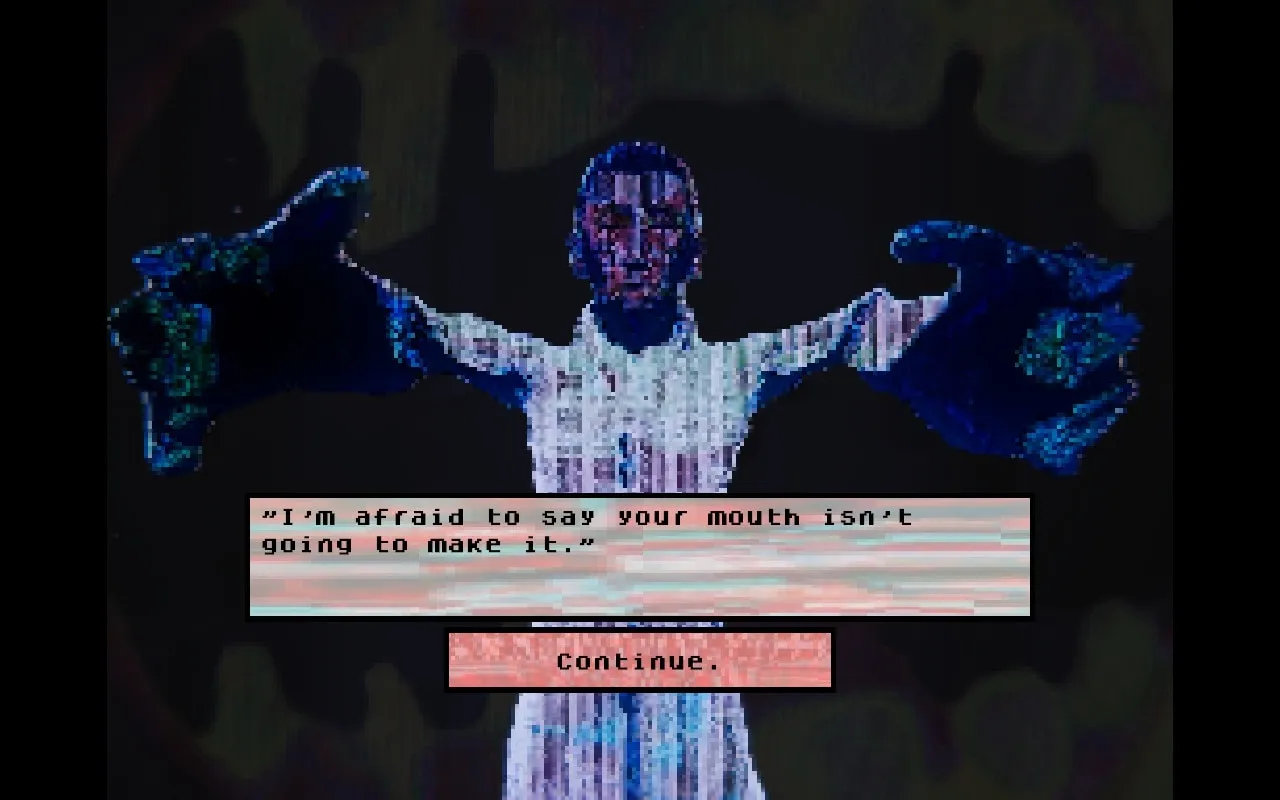
The absence of guidance is deliberate. Obscurity becomes the main intellectual task, aligning with avant-garde media across regions that center discomfort, ambiguity, and viewer labor.
Progress depends on gates that link the house and the mouth. Doors only open when exact conditions are met, and those conditions often tie mundane domestic actions to abstract demands inside the oral world. For players shaped by transparent mechanics, the haze can irritate. Patience matters.
Missing one quiet trigger can dump the run into an abrupt end with no ceremony. The pacing mirrors that structure. Early minutes feel slow while the house establishes its routines, then the pulse spikes once the dream-logic realms take over and the experience finds a sharper rhythm.
Retro Distortion and Aural Tension
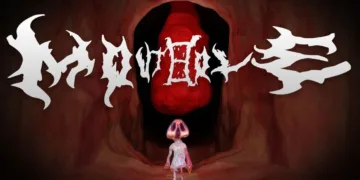
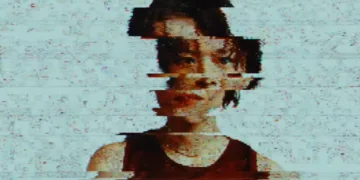
Visual design leans into a PlayStation 1-era look with low-poly models, warped geometry, and heavy shadow. The retro toolkit becomes an aesthetic choice that favors mood over polish. Dazzling, disorienting colors and strange imagery keep the world unstable and unreliable.
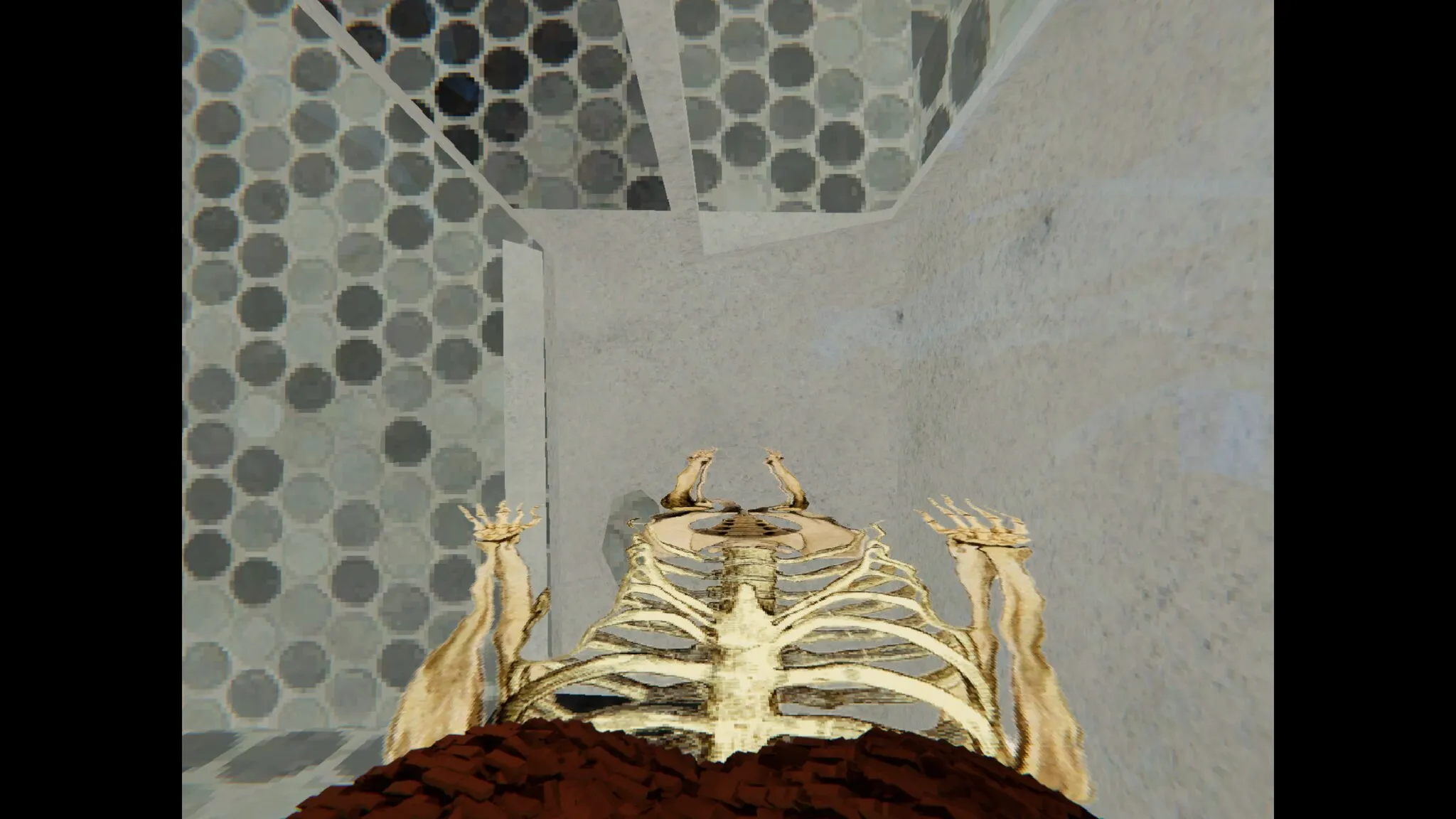
Independent horror across many regions has used similar strategies, and MOUTHOLE participates in that conversation by treating limitation as style and by using visual imperfection to cultivate anxiety.
Sound deepens the effect. The score and effects feel uncanny and unpredictable. The soundscape blends ambient noise, echoes, faint voices, and music that sometimes dissolves into static or distortion, which tightens tension and frames each space with a sense of threat.
The opening wraps its dental panic in close, suffocating audio. When a run ends, a strange robot voice delivers a gruesome, poetic obituary, which lands like a final stamp on the playthrough. Technically, controls respond and the UI stays simple.
The deliberate distortion can make interactive objects harder to spot, which reinforces the game’s commitment to uncertainty. MOUTHOLE’s style aims to disturb and confuse, and it leaves a striking imprint through the interaction of narrative premise, opaque systems, and sensory design shaped by global experimental traditions.
The Review
MOUTHOLE
MOUTHOLE succeeds as an intensely atmospheric and experimental piece of interactive art. Its fragmented narrative and bizarre, low-poly aesthetics create a deeply unsettling experience that rewards player curiosity. The six-day cycle and hidden conditions force constant tension and discovery across its 11 endings. While the intentional obscurity and non-skippable intro may strain the patience of some players, those who appreciate cross-media surrealism will find this a fascinating and memorable descent into dental dread. This game challenges expectations of puzzle design and narrative engagement.
PROS
- Daring, unsettling atmosphere
- Effective PS1-era visuals
- High replay value (11 endings)
- Rewarding, complex puzzle structure
- Strong, innovative sound design
CONS
- Pacing starts slow
- Non-skippable opening cutscene
- Obscurity can cause frustration
- Object interaction can be difficult to perceive