



























• Latest
  • Trending
Dear Life Review

Dear Life Review: Balancing Wounded Humor with the Weight of Trauma

Life, Larry, and the Pursuit of Unhappiness Review

Life, Larry, and the Pursuit of Unhappiness Review: Larry David Haunts the American Experiment

Avatar The Last Airbender Season 2 Review

Avatar: The Last Airbender Season 2 Review: A Stronger, Darker Book Two With Crowded Pages

The Bear Season 5 Review

The Bear Season 5 Review: One Last Service Under the Floodlights

Lucky Strike Review

Lucky Strike Review: A Handsome War Thriller Runs Out of Nerve

Supergirl Review

Supergirl Review: Milly Alcock Gives DC Its Messiest New Hero

Julián Review

Julián Review: Cartoon Saloon Gives Childhood a Glittering Shape

Harry Wild Season 5 Review

Harry Wild Season 5 Review: Jane Seymour Gets a New Pathologist and a New Pulse

House of the Dragon Season 3 Episode 1 Review

House of the Dragon Season 3 Episode 1 Review: The Sea Snake Finally Bites

Lionel Review

Lionel Review: Real Family Wounds Drive a Tender Road Movie

The Welcome Table Review

The Welcome Table Review: Climate Grief Takes a Seat on the Levee

Direction Quad Review

Direction Quad Review: Diagonal Movement Meets Arcade Friction

See You at Work Tomorrow! Review

See You at Work Tomorrow! Review: Office Burnout Finds a Deadpan Spark

  • Home
  • Privacy Policy
  • Terms and Conditions
  • Gazettely Review Guidelines
Friday, June 26, 2026
GAZETTELY
  • Home
  • Movie and TV News
    Widow’s Bay

    Widow’s Bay Star Kingston Rumi Southwick Learned the Finale Twist From a Stranger Who Vanished the Next Day

    Zoey Deutch

    Netflix’s Voicemails for Isabelle Took Eight Years and a Last-Minute Magic Card to Reach the Screen

    Toy Story 5 Review

    Toy Story 5’s $312 Million Opening Makes the Case Hollywood Has Been Ignoring Families for Years

    Olivia Cooke

    ‘They Don’t Want to See Women Age’: Olivia Cooke on Playing a Grandmother at 32

    Tom Hanks

    Tom Hanks Warns Disney Could Clone Woody’s Voice With AI for Toy Story 6 — With or Without Him

    Adrian Chiarella

    Leviticus Is the Queer Horror Film of the Year — And Its Director Won’t Let the Parents Off the Hook

    Madonna

    Madonna Spent Four Years on a Biopic Universal Wouldn’t Fund and Netflix Couldn’t Unlock

    Carlos Mencia

    Carlos Mencia Pleads Not Guilty to 12 Felony Tax Charges, Walks Free After Bail Cut to $50,000

    Tom Holland and Zendaya

    Tom Holland Calls Insomniac’s Spider-Man Games “Absolutely Sensational” — and Zendaya Won’t Let Him Touch the Controller

  • Movie and TV Reviews
    Life, Larry, and the Pursuit of Unhappiness Review

    Life, Larry, and the Pursuit of Unhappiness Review: Larry David Haunts the American Experiment

    Avatar The Last Airbender Season 2 Review

    Avatar: The Last Airbender Season 2 Review: A Stronger, Darker Book Two With Crowded Pages

    The Bear Season 5 Review

    The Bear Season 5 Review: One Last Service Under the Floodlights

    Lucky Strike Review

    Lucky Strike Review: A Handsome War Thriller Runs Out of Nerve

    Supergirl Review

    Supergirl Review: Milly Alcock Gives DC Its Messiest New Hero

    Julián Review

    Julián Review: Cartoon Saloon Gives Childhood a Glittering Shape

    Harry Wild Season 5 Review

    Harry Wild Season 5 Review: Jane Seymour Gets a New Pathologist and a New Pulse

    House of the Dragon Season 3 Episode 1 Review

    House of the Dragon Season 3 Episode 1 Review: The Sea Snake Finally Bites

    Lionel Review

    Lionel Review: Real Family Wounds Drive a Tender Road Movie

  • Game Reviews
    Direction Quad Review

    Direction Quad Review: Diagonal Movement Meets Arcade Friction

    R-Type Tactics I • II Cosmos Review

    R-Type Tactics I • II Cosmos Review: Wave Cannons Become Chess Problems

    Deer & Boy Review

    Deer & Boy Review: Small Systems, Big Feeling

    Dark Scrolls Review

    Dark Scrolls Review: Retro Chaos With Slippery Boots

    Craftlings Review

    Craftlings Review: Tiny Workers Build a Smarter Puzzle Machine

    Devil May Cry 5: Devil Hunter Edition Review

    Devil May Cry 5: Devil Hunter Edition Review: Style Survives the Switch

    Super Woden: Rally Edge Review

    Super Woden: Rally Edge Review: Arcade Rally With Real Bite

    Secret Paws - Cozy Apartments Review

    Secret Paws – Cozy Apartments Review: Tiny Cats, Big Perspective Tricks

    33 Immortals Review

    33 Immortals Review: Big Raid Energy, Small Upgrade Sparks

  • The Bests
No Result
View All Result
  • Home
  • Movie and TV News
    Widow’s Bay

    Widow’s Bay Star Kingston Rumi Southwick Learned the Finale Twist From a Stranger Who Vanished the Next Day

    Zoey Deutch

    Netflix’s Voicemails for Isabelle Took Eight Years and a Last-Minute Magic Card to Reach the Screen

    Toy Story 5 Review

    Toy Story 5’s $312 Million Opening Makes the Case Hollywood Has Been Ignoring Families for Years

    Olivia Cooke

    ‘They Don’t Want to See Women Age’: Olivia Cooke on Playing a Grandmother at 32

    Tom Hanks

    Tom Hanks Warns Disney Could Clone Woody’s Voice With AI for Toy Story 6 — With or Without Him

    Adrian Chiarella

    Leviticus Is the Queer Horror Film of the Year — And Its Director Won’t Let the Parents Off the Hook

    Madonna

    Madonna Spent Four Years on a Biopic Universal Wouldn’t Fund and Netflix Couldn’t Unlock

    Carlos Mencia

    Carlos Mencia Pleads Not Guilty to 12 Felony Tax Charges, Walks Free After Bail Cut to $50,000

    Tom Holland and Zendaya

    Tom Holland Calls Insomniac’s Spider-Man Games “Absolutely Sensational” — and Zendaya Won’t Let Him Touch the Controller

  • Movie and TV Reviews
    Life, Larry, and the Pursuit of Unhappiness Review

    Life, Larry, and the Pursuit of Unhappiness Review: Larry David Haunts the American Experiment

    Avatar The Last Airbender Season 2 Review

    Avatar: The Last Airbender Season 2 Review: A Stronger, Darker Book Two With Crowded Pages

    The Bear Season 5 Review

    The Bear Season 5 Review: One Last Service Under the Floodlights

    Lucky Strike Review

    Lucky Strike Review: A Handsome War Thriller Runs Out of Nerve

    Supergirl Review

    Supergirl Review: Milly Alcock Gives DC Its Messiest New Hero

    Julián Review

    Julián Review: Cartoon Saloon Gives Childhood a Glittering Shape

    Harry Wild Season 5 Review

    Harry Wild Season 5 Review: Jane Seymour Gets a New Pathologist and a New Pulse

    House of the Dragon Season 3 Episode 1 Review

    House of the Dragon Season 3 Episode 1 Review: The Sea Snake Finally Bites

    Lionel Review

    Lionel Review: Real Family Wounds Drive a Tender Road Movie

  • Game Reviews
    Direction Quad Review

    Direction Quad Review: Diagonal Movement Meets Arcade Friction

    R-Type Tactics I • II Cosmos Review

    R-Type Tactics I • II Cosmos Review: Wave Cannons Become Chess Problems

    Deer & Boy Review

    Deer & Boy Review: Small Systems, Big Feeling

    Dark Scrolls Review

    Dark Scrolls Review: Retro Chaos With Slippery Boots

    Craftlings Review

    Craftlings Review: Tiny Workers Build a Smarter Puzzle Machine

    Devil May Cry 5: Devil Hunter Edition Review

    Devil May Cry 5: Devil Hunter Edition Review: Style Survives the Switch

    Super Woden: Rally Edge Review

    Super Woden: Rally Edge Review: Arcade Rally With Real Bite

    Secret Paws - Cozy Apartments Review

    Secret Paws – Cozy Apartments Review: Tiny Cats, Big Perspective Tricks

    33 Immortals Review

    33 Immortals Review: Big Raid Energy, Small Upgrade Sparks

  • The Bests
No Result
View All Result
GAZETTELY
No Result
View All Result
Dear Life Review

A Man with Sole: The Impact of Kenneth Cole Review: Four Decades of Purposeful Design

A King Like Me Review: Elegies in the Crescent City

Home Entertainment TV Shows

Dear Life Review: Balancing Wounded Humor with the Weight of Trauma

Ayishah Ayat Toma by Ayishah Ayat Toma
6 months ago
in Entertainment, Reviews, TV Shows
Reading Time: 6 mins read
A A
0
Share on FacebookShare on TwitterShare on PinterestShare on WhatsAppShare on TelegramSummarize with ChatGPTSummarize with Perplexity

The story begins on New Year’s Eve at a Ballarat rowing club, where karaoke turns into a hinge point in two lives. Ash proposes to Lillian in the middle of the celebration. The mood lasts minutes. The narrative cuts to a hospital emergency room, where an attack ends Ash’s life.

Months pass, and Lillian lives in collapse. Alcohol and pills blunt the worst edges of her grief. Work provides no refuge. Her job at the Sovereign Hill museum ends after she vomits during a historical performance, a public rupture that matches the private rot she has been trying to hide. Then organ donation enters the story as a thin strip of light.

Ash was a donor. Lillian receives an anonymous thank-you note from the person who received his heart, and the message shifts her grief into fixation. A letter meant as a civil gesture becomes a set of instructions for survival. It pushes her gaze outward, away from the sealed room of loss, toward strangers who carry parts of the man she loved. The premise lays down a somber track for a series that asks a harsh question: what does living look like after the unthinkable?

Portraying the Weight of Grief

Brooke Satchwell carries the series with a raw portrayal of Lillian that never feels tidy. The performance lands on the body first. Lillian moves with the drained physicality of prolonged sorrow, heavy-eyed and visibly disoriented, like someone operating with too little sleep and too much memory. The show keeps returning to that texture of exhaustion, and it reads as an honest portrait of how grief can reshape a person’s posture, pacing, and capacity for ordinary conversation.

Around her, the supporting cast forms a pressure system of their own. Mary, Lillian’s best friend and a doctor, brings clinical competence to situations that keep slipping outside the reach of professionalism. She witnessed the ER attack and carries that silent trauma into every attempt to stabilize Lillian. Her restraint functions as caregiving and self-protection at the same time.

The family dynamics tighten the screws further. Lillian’s mother exerts control through overbearing presence. Ash’s mother channels bitterness into a massive financial debt imposed on Lillian, and the resentment points straight at the organ donation that saved others. The series treats that conflict as something uglier than a disagreement over paperwork. It becomes a fight over meaning, ownership, and who gets to define what Ash’s death “counts” for.

Also Read

  • Best Christmas Movies
    30 Best Christmas Movies to Watch This Holiday Season
  • best 2025 games
    Gazettely's 30 Best Video Games of 2025
  • best 2025 tv shows
    Gazettely's 30 Best TV Shows of 2025
  • 30 Best Drama Movies
    30 Best Drama Movies to Watch Before You Die
  • best sci fi movies
    30 Best Sci Fi Movies Ever: Gazettely's Ultimate…
  • Best Horror Movies
    30 Best Horror Movies: The Horror Hall of Fame

Jordan, responsible for the killing, hangs over the story as his trial nears. His shifting court plea keeps the survivors in a state of ongoing alarm, a reminder that justice can feel like a moving target that never stops dragging the past into the present. The show frames these characters as people trapped inside a shared disaster, each trying to make a livable story from the same set of facts.

Support here looks unstable, conditional, and sometimes hostile. Grief turns people sharp. The performances make room for that ugliness, and the series uses it to reflect a society still searching for usable language around loss, accountability, and what “closure” is supposed to mean.

The representation at work here comes through emotional truth and social role. The narrative gives sustained attention to the grieving partner, the friend tasked with holding someone up, the parent whose grief mutates into control, and the institutional figures tied to medicine and law.

These are familiar roles in television, yet the show treats them with friction instead of comfort. It frames trauma as something that radiates through relationships and through systems, and that framing shapes the cultural impact: viewers get a version of grief that refuses inspirational neatness and refuses the fantasy that suffering automatically builds community.

Challenging the Linear Narrative of Trauma

Creators Robyn Butler and Wayne Hope bring a comedy background to material that could easily collapse under its own heaviness. Their humor carries bruises. Characters reach for jokes as shields, as small acts of denial, as tools to keep air in the room when the oxygen seems gone.
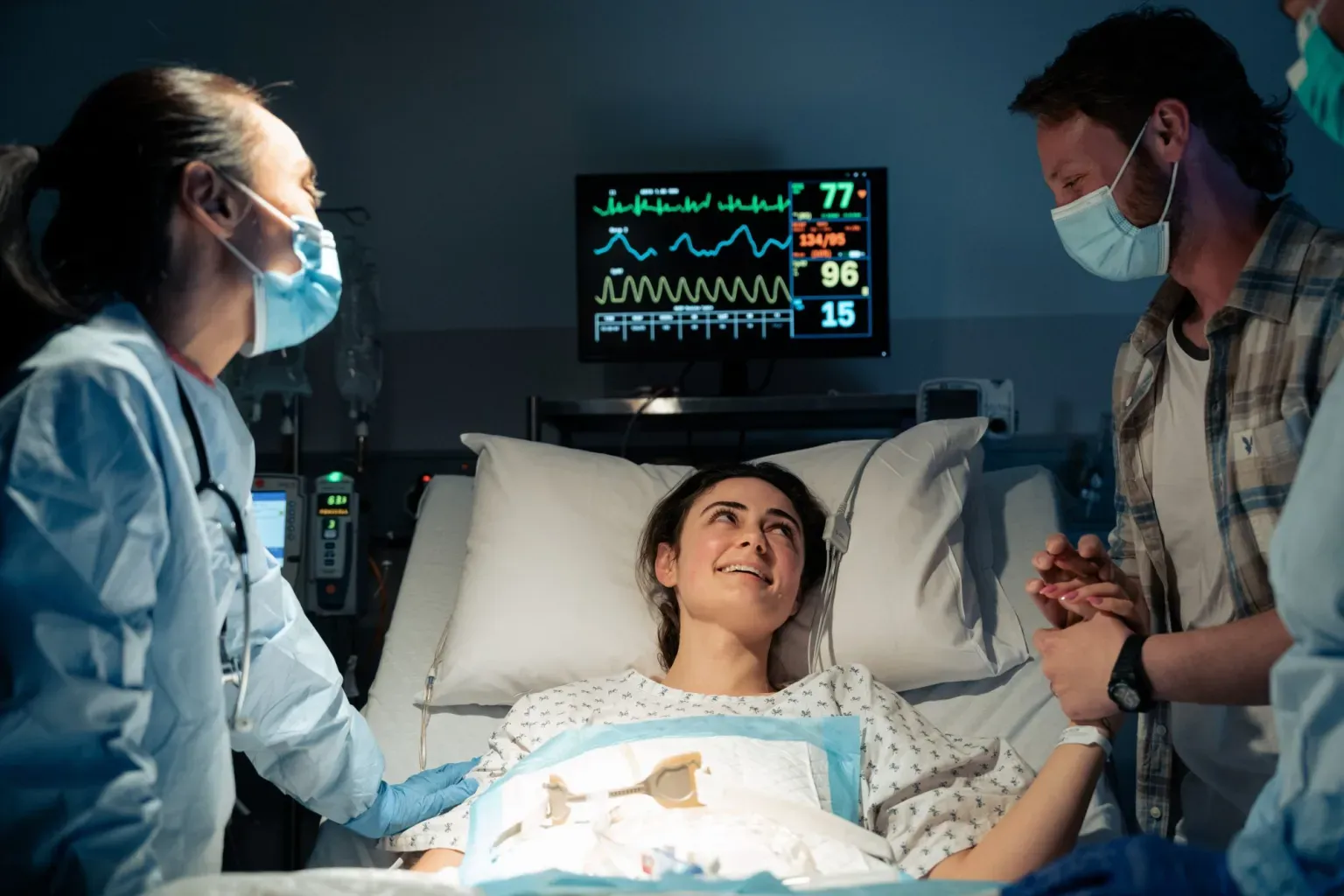
Dear Life Review

The laughter never erases the hurt. It sits beside it, creating a tonal space that feels recognizably modern for television shaped by streaming habits, where audiences accept rapid pivots in mood and form as part of the experience.

The first episode breaks with traditional structure by running three timelines at once. One follows the proposal night and the violence that follows. Another tracks Lillian’s present-day spiral. A third focuses on the logistical transport of Ash’s organs to recipients.

The result mimics the way shock fractures memory: moments replay out of order, the mind returns to the worst scene, and practical details intrude with their own cold clarity. The organ-transport thread, in particular, turns grief into systems, routes, and procedures. It introduces a social dimension to personal tragedy, showing how private loss moves through public infrastructure.

As the series progresses, the stylistic approach changes. Early episodes lean on natural dialogue and small observations, letting the emotional damage show through pauses and ordinary interactions. Later chapters move toward sharper staging, and thriller elements begin to emerge. The pace tightens with Lillian’s growing desperation, and the storytelling becomes more urgent as her choices narrow.

That evolution speaks to trauma as a lived experience that changes rhythm over time. Calm stretches exist, then panic breaks through. The series treats recovery as something chaotic, something that demands shifting narrative gears to match the way grief refuses a single tempo.

This approach also gestures toward an industry trend: serialized shows that mix emotional realism with genre pressure. Streaming-era storytelling often rewards structure experiments, tonal risk, and the willingness to reframe a series midstream. This show leans into that model, using form as a way to represent mental state, and using genre as a way to express escalation without pretending that healing plays by clean narrative rules.

The Fragmented Search for Connection

Lillian’s fixation turns into action when she starts trying to find the people Ash saved. Her search takes her to Andrew, an entitled vineyard owner in the Barossa Valley who received Ash’s heart. Their meeting draws out the moral tension built into donor anonymity. A recipient’s second chance collides with a partner’s grief, and neither experience fits politely into the other’s life.

Susan, the program coordinator, becomes the voice of consequence. She warns Lillian that her attempts to connect are edging toward criminal stalking. The show uses Susan to underline the institutional reality of organ donation: rules exist for reasons, and emotional urgency does not erase legal and ethical boundaries. Those scenes hold a mirror up to a culture that celebrates donation as a clean good deed while leaving the messy human aftermath to individuals who can barely stand upright.

The series keeps resisting easy answers. Healing appears as endurance work, punishing and repetitive, marked by small gains that never look like triumph. Some plot threads drift and feel tangential, and that scattered quality tracks with a mind trying to function while grieving.

The final episode shifts the action to another country, a dramatic turn that widens the frame and signals a new angle on Lillian’s search for meaning. The story suggests that grief can move people far from the site of the original wound, chasing the hope that distance might change the shape of pain.

The cultural resonance lies in that refusal of neatness. The narrative asks viewers to sit with an unfinished recovery and to recognize how institutions, families, and strangers become unwilling participants in a tragedy that keeps unfolding. In a television landscape that often packages trauma into digestible arcs, this series puts discomfort on the table and leaves it there, daring the audience to stay present through the parts that television usually rushes past.

The Stan Original series Dear Life (formerly titled Love Divided By Eleven) premiered on January 1, 2026. Filmed across Victoria, including Ballarat and the Yarra Valley, this six-part drama explores the unfiltered aftermath of trauma and the complexities of organ donation. You can watch all episodes of the series exclusively on the Australian streaming platform Stan.

Full Credits

  • Title: Dear Life

  • Distributor: Stan

  • Release date: January 1, 2026

  • Rating: MA 15+

  • Running time: 6 episodes, approximately 45–55 minutes per episode

  • Director: Robyn Butler, Wayne Hope

  • Writers: Robyn Butler, Wayne Hope

  • Producers and Executive Producers: MaryAnne Carroll, Robyn Butler, Wayne Hope, Greg Sitch, Caliah Scobie, Alicia Brown

  • Cast: Brooke Satchwell, Eleanor Matsuura, Ben Lawson, Ryan Johnson, Annie Maynard, Daniel Henshall, Kerry Armstrong, Deborah Mailman, Megan Smart, Marg Downey, Khisraw Jones-Shukoor

  • Director of Photography (Cinematographer): Emma Paine

  • Editors: Becky Hall, Julie-Anne De Ruvo

  • Composer: Cornelius Lucan

The Review

Dear Life

7.5 Score

Dear Life is a heavy and unflinching study of loss that avoids the sanitized tropes of traditional grief dramas. While the narrative occasionally stumbles under the weight of disjointed subplots and a jarring tonal shift toward the end, Brooke Satchwell’s powerhouse performance keeps the emotional stakes grounded. It is a challenging, often uncomfortable watch that succeeds in capturing the messy, non-linear reality of trauma and the complex ethics of organ donation.

PROS

  • Brooke Satchwell delivers a haunting, career-defining performance as Lillian.
  • The non-linear structure of the pilot effectively mirrors a fractured psychological state.
  • The series takes a refreshing, unsentimental approach to the subject of organ donation.
  • A "wounded" brand of humor provides authentic moments of release without trivializing the pain.

CONS

  • Secondary plotlines involving the killer and legal proceedings feel disconnected from the central emotional arc.
  • The final episode’s sudden change in international location feels like a departure from the established tone.
  • Certain supporting characters, particularly the mothers, are written with a lack of nuance.

Review Breakdown

  • Overall 0

Tags: Annie MaynardBen LawsonBrooke SatchwellDaniel HenshallDear LifeDramaEleanor MatsuuraFeaturedRobyn ButlerRyan JohnsonStanWayne Hope
Previous Post

A Man with Sole: The Impact of Kenneth Cole Review: Four Decades of Purposeful Design

Next Post

A King Like Me Review: Elegies in the Crescent City

Try AI Movie Recommender

Gazettely AI Movie Recommender

This Week's Top Reads

  • Is This Seat Taken? Review

    Is This Seat Taken? Review: A Satisfying Mental Workout

    1144 shares
    Share 0 Tweet 0
  • Citizen Vigilante Review: Uwe Boll Mistakes Vengeance for Justice

    1 shares
    Share 0 Tweet 0
  • Trust Review: Squandered Potential and an Incoherent Plot

    6 shares
    Share 0 Tweet 0
  • The Polygamist Review: Betrayal Burns Bright in Netflix’s 22-Episode Drama

    0 shares
    Share 0 Tweet 0
  • Rogue Trooper Review: Duncan Jones Finds Pulp Life on Nu Earth

    0 shares
    Share 0 Tweet 0
  • I Will Find You Review: Parental Love Turns Dangerous in Netflix’s Latest Mystery

    1 shares
    Share 0 Tweet 0
  • The Season Review: Hong Kong Glows While the Dialogue Sputters

    1 shares
    Share 0 Tweet 0

Must Read Articles

Life, Larry, and the Pursuit of Unhappiness Review
TV Shows

Life, Larry, and the Pursuit of Unhappiness Review: Larry David Haunts the American Experiment

11 hours ago
Avatar The Last Airbender Season 2 Review
TV Shows

Avatar: The Last Airbender Season 2 Review: A Stronger, Darker Book Two With Crowded Pages

11 hours ago
The Bear Season 5 Review
TV Shows

The Bear Season 5 Review: One Last Service Under the Floodlights

12 hours ago
Lucky Strike Review
Movies

Lucky Strike Review: A Handsome War Thriller Runs Out of Nerve

1 day ago
Supergirl Review
Movies

Supergirl Review: Milly Alcock Gives DC Its Messiest New Hero

1 day ago
Loading poll ...
Coming Soon
Which of Alfred Hitchcock's 1960s thrillers is your all-time favorite?

Gazettely is your go-to destination for all things gaming, movies, and TV. With fresh reviews, trending articles, and editor picks, we help you stay informed and entertained.

© 2021-2026 All Rights Reserved for Gazettely

What’s Inside

  • Movie & TV Reviews
  • Game Reviews
  • Featured Articles
  • Latest News
  • Editorial Picks

Quick Links

  • Home
  • About US
  • Contact Us
  • Advertise with Us
  • Review Guidelines

Follow Us

Facebook X-twitter Youtube Instagram
No Result
View All Result
  • Home
  • Movies
  • Entertainment News
  • Movie and TV Reviews
  • TV Shows
  • Game News
  • Game Reviews
  • Contact Us

© 2024 All Rights Reserved for Gazettely