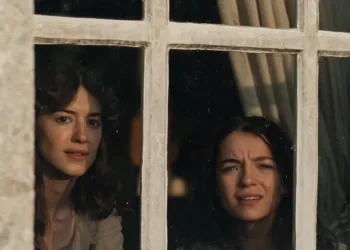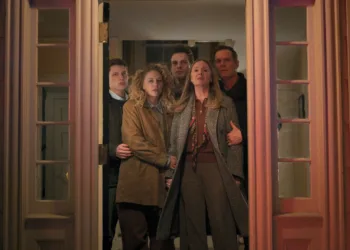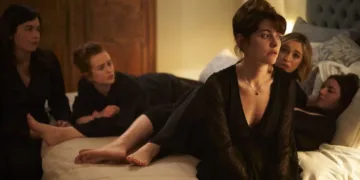


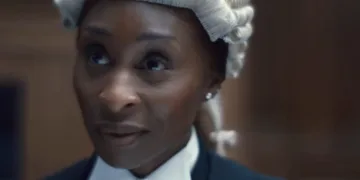






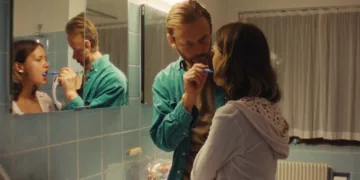
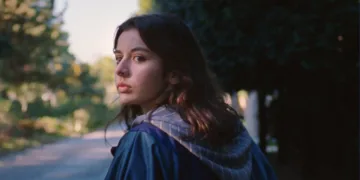







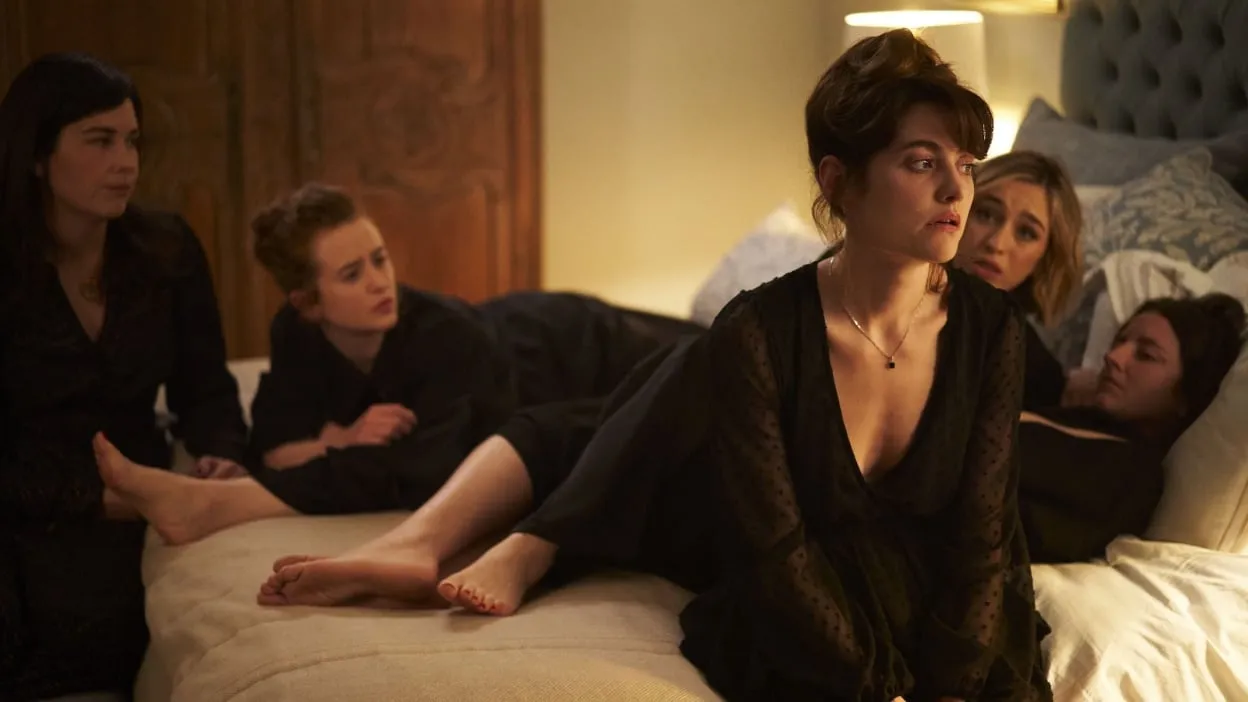

The Walsh Sisters lands as a six-part dramedy set in the coastal suburb of Blackrock, bringing Marian Keyes’ sprawling family from the page to the screen. The story ignites with crisis: an overdose sends Rachel Walsh to a rehab facility. The fallout hits every corner of the household.
Rachel faces chemical dependency in plain sight, and her four sisters and parents absorb the aftershocks while carrying pressures that rarely make for tidy television. Anna barrels into a marriage with someone she has barely known. Maggie sits with the private ache of infertility. Claire deals with divorce while raising a child on her own. Helen, the youngest, pushes for independence while staying tethered to the family home.
Mammy and Daddy Walsh loom over the friction, their mismatched parenting instincts sharpening every disagreement. The series hunts for laughs inside that strain, tracking the hectic cadence of a large Irish family that argues, closes ranks, and keeps moving.
A Study in Sisterhood and Parental Friction
Rachel, played by Caroline Menton, anchors the series as an acid-tongued figure whose hidden dependence on drugs and alcohol collapses into public view. Her refusal to surrender control shapes much of the show’s bleakest material, and her strained relationship with her devoted boyfriend Luke, played by Jay Duffy, keeps the damage personal rather than abstract. Around Rachel, the other Walsh sisters sketch a range of modern Irish femininity, each shaped by different expectations about stability, respectability, and what a “good” life is supposed to look like.
Louisa Harland gives Anna a flaky, free-spirited spark, with Anna’s sudden engagement to Aidan reading as a grasp at certainty. Stefanie Preissner plays Maggie as the reliable sibling who keeps herself composed while carrying grief over her inability to conceive with her husband Garv.
Danielle Galligan’s Claire projects glamour, then lets it crack under the grind of parenting and the fear that motherhood is swallowing her identity. Máiréad Tyers presents Helen as volatile and bed-bound, stuck in depression and stuck in place, a portrait that frames mental health as part of the family ecosystem rather than a side issue.
The parents turn everyday domestic life into a pressure chamber. Carrie Crowley’s Mammy Walsh comes off brittle and judgmental, fixated on old social codes like the good room and enforcing tradition through sharpness. Aidan Quinn’s Daddy Walsh carries warmth and a loose permissiveness that softens conflict without easing the stakes. The sisters speak in a shared shorthand built on roasting and relentless banter.
That language works as armor and intimacy at once, and it can leave anyone outside the family circle confused about how affection is being expressed. Even with resentments and private catastrophes piling up, the bond between the sisters remains the house currency, measured in loyalty and obligation as much as love.
The Architecture of Lived-In Trauma
The production leans into grounded realism and steers away from the polished fantasy look common in contemporary streaming dramas. Apartments and wardrobes carry a worn-in familiarity. Characters register as people you might actually live near, not carefully styled archetypes engineered for a premium platform.
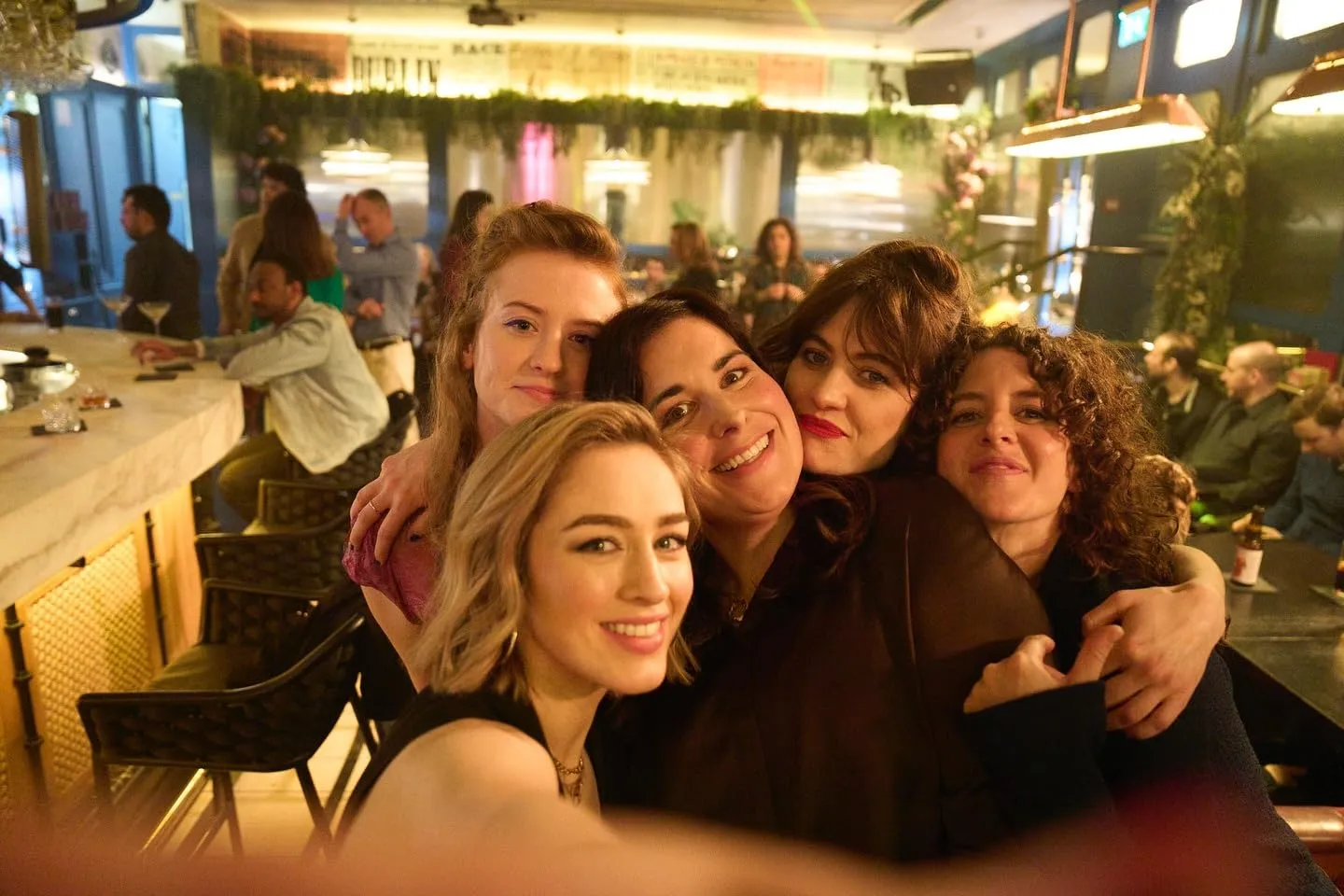
That visual plainness strengthens the depiction of Rachel’s descent and underlines a key social point embedded in the storytelling: addiction lives in middle-class spaces, and it splinters relationships in ways that do not heal on schedule.
The writing keeps infertility, death, and divorce in play while relying on sharp Irish wit to make the heaviness watchable. The humor reads like cultural muscle memory, a practiced way of surviving grim realities without treating them as extraordinary. One turning point arrives when the family tells Rachel that her addiction does not entitle her to become the central figure in everyone else’s life.
The moment lands as a critique of crisis culture and the self-focus that can grow around it, while insisting that the rest of the household still has bills, grief, and responsibilities moving forward. By presenting these issues as part of ordinary domestic life, the series treats social harm as familiar and persistent rather than sensational. The result nudges traditional drama shape toward something smaller and closer to daily endurance, with recovery framed as work that happens in kitchens and living rooms.
Translating the Page to the Digital Age
Shifting the source material from the 1990s into the 2020s brings a tonal recalibration. The series holds onto the spirit of sisterhood, yet some interpretations land far from what readers might expect. Mammy, in particular, reads as more embittered and chilling than her literary version, and that adjustment changes the temperature of the household, making family conflict feel harsher and less cushioned by nostalgia.
The production sometimes drifts into a flat, soap-opera look, missing the cinematic finish associated with expensive streaming drama. A few Dublin nightlife scenes also play small, with scale that suggests financial limits.
Performance consistency varies. Accents pull attention, with Tyers’ Cork lilt sitting far from Galligan’s upper-class Dublin speech. That difference can make the group feel like five strong individuals sharing scenes, not a unit shaped by one roof and one history. The series keeps wrestling with its own dramedy identity, and the grief-and-addiction material can become so dominant that the comedy starts to feel like a structural promise the show struggles to keep.
Even so, the adaptation points toward a shift in how Irish stories are being positioned for global platforms, leaning into a sharper, more interrogative mood while still trying to preserve comic texture. That direction hints at what future adaptations may chase in the streaming era: family stories with heavier social stakes, packaged for audiences far beyond the specific streets and habits that formed them.
The Walsh Sisters is a gripping six-part comedy-drama that premiered on RTÉ One in late 2025 before making its highly anticipated UK debut on BBC One and BBC iPlayer yesterday, February 21, 2026. Based on the beloved novels of Marian Keyes, the series follows the chaotic lives of the five Dublin-based Walsh sisters as they navigate adulthood, addiction, and the unbreakable bonds of family. You can currently stream the entire series on BBC iPlayer in the UK, RTÉ Player in Ireland, and Stan in Australia.
Full Credits
Title: The Walsh Sisters
Distributor: RTÉ One, BBC One, Stan, Cineflix Rights
Release date: September 28, 2025 (Ireland), February 21, 2026 (United Kingdom)
Rating: TV-MA
Running time: 60 minutes
Director: Ian FitzGibbon
Writers: Stefanie Preissner, Kefi Chadwick
Producers and Executive Producers: Patrick O’Donoghue, Marian Keyes, Stefanie Preissner, Tony Baines, David Crean, Dermot Horan, Dixie Linder, Nick Marston, David McLoughlin, James Durie, Tom Misselbrook
Cast: Caroline Menton, Louisa Harland, Danielle Galligan, Máiréad Tyers, Stefanie Preissner, Aidan Quinn, Carrie Crowley, Jay Duffy, Samuel Anderson, Debi Mazar, Gina Moxley
Director of Photography (Cinematographer): Enda Bowe
Editors: Julian Ulrichs
Composer: Hugh Drumm
The Review
The Walsh Sisters
The Walsh Sisters offers a grounded modernization of a beloved family saga. It provides a raw look at addiction and captures the sharp rhythms of sisterly banter. The series occasionally suffers from a flat visual style and a tonal shift that removes the warmth found in the books. It functions as a middle-ground production caught between commercial fiction and prestige drama.
PROS
- Menton provides a raw look at the mechanics of recovery.
- The dialogue captures the sharp-edged affection of Irish siblings.
- Domestic settings feel authentic and lived-in.
- The script addresses difficult social realities without becoming sentimental.
CONS
- Visual production feels closer to a daily soap than a cinematic event.
- The narrative feels cluttered by competing side stories.
- Accents across the cast lack a sense of shared history.
- Character shifts for the parents create an unnecessarily bleak atmosphere.