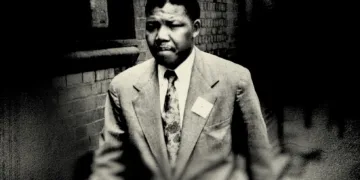

















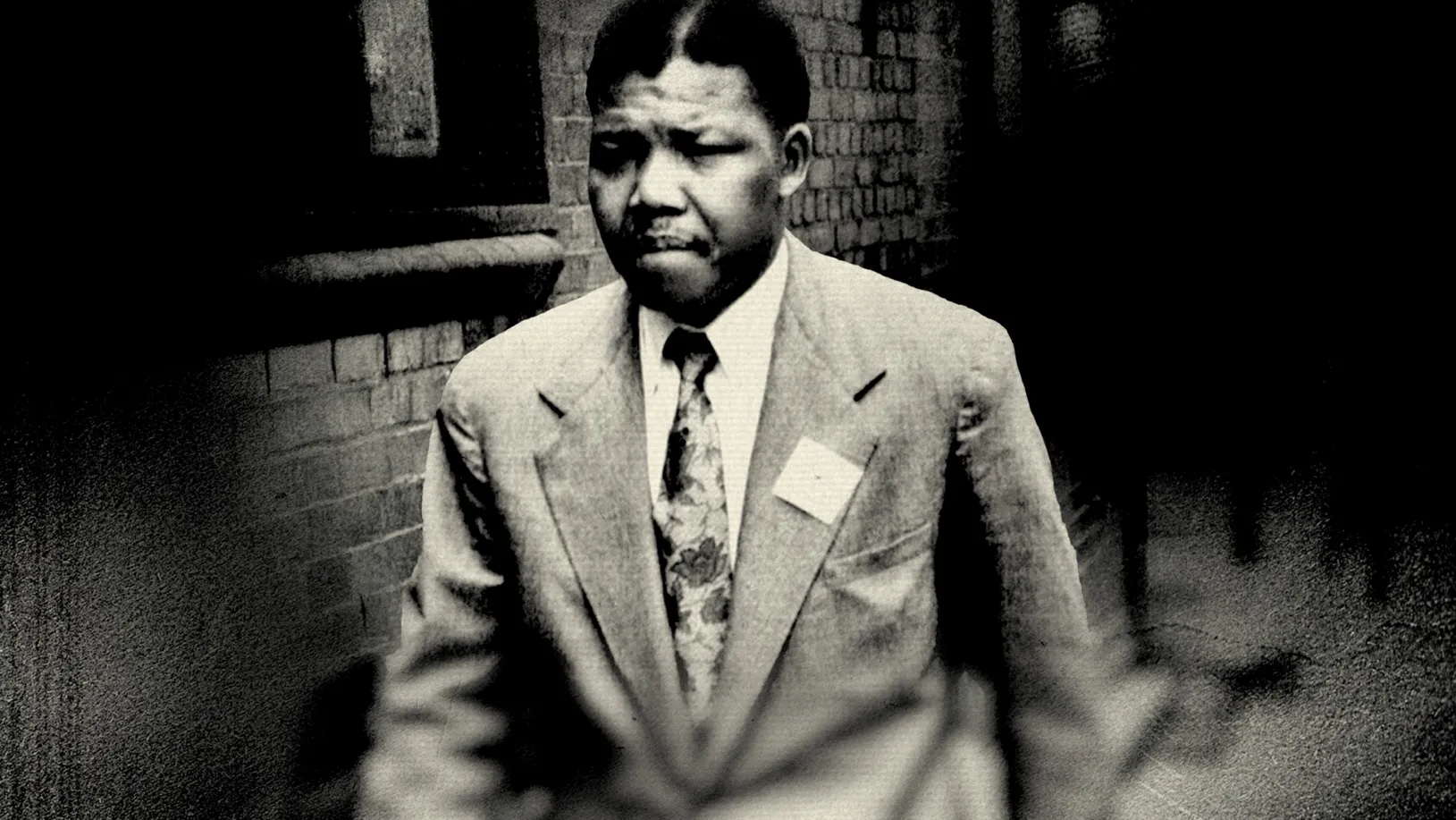
Nelson Mandela remains a towering figure in global consciousness, a man whose life story reads like a working guide to confronting systemic oppression. In the documentary Troublemaker, director Antoine Fuqua approaches that legacy by returning to the starting point of identity: a name. The film takes its title from Mandela’s birth name, Rolihlahla. In Xhosa, the name translates to pulling the branch of a tree.
The phrase carries the sense of disruption, a person who shakes what stands in place so light can reach what has been kept under cover. Fuqua traces that impulse across a long stretch of history. The narrative opens in the rural fields of Thembuland, follows Mandela through formative years in law school, and records the intensifying activism aimed at the apartheid regime.
The film ends with the monumental shift from political prisoner to the first Black president of South Africa. By concentrating on this arc, the documentary frames Mandela as an unavoidable historical force, anchored to a name that signals his role as a catalyst for national transformation.
Echoes of the Long Walk
The narrative framework of Troublemaker rests on an unusually intimate archive of personal testimony. Fuqua draws from audio recordings captured in 1992 and 1993 by journalist Richard Stengel. Those tapes became the primary source material for Mandela’s celebrated memoir, Long Walk to Freedom.
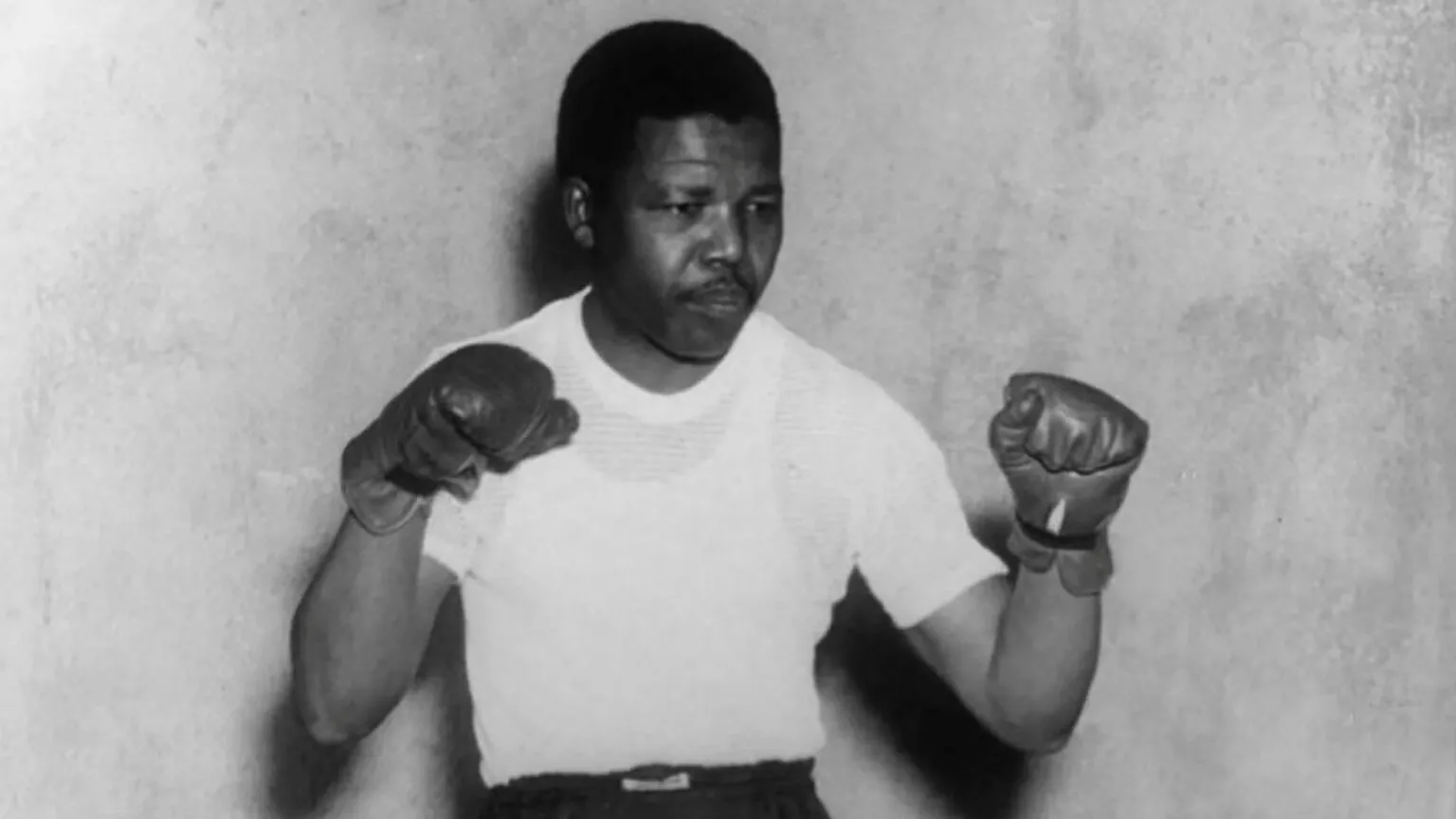
Hearing Mandela tell his own story creates an immersion that feels closer to a private recounting than a conventional documentary. His voice stays calm and measured, including in passages that move through the most turbulent stages of his political evolution. That steadiness opens a view into the psychological endurance needed to survive decades of state-sponsored persecution.
As the film reaches the details of his incarceration on Robben Island, the soundscape widens to include Mac Maharaj. A fellow activist and prisoner, Maharaj supplies visceral descriptions of prison life that Mandela’s self-effacing recordings sometimes pass over. The added perspective introduces tension that keeps the story moving once the archival material thins. The result lands in an “audiobook” mode that brings the viewer close to history, turning distant political events into personal memory with clear ties to contemporary struggles for justice.
Charcoal Shadows and Historical Light
To cover the spaces where cameras could not be present, Fuqua builds a visual strategy that pairs archival footage with evocative artistry. South African artist Thabang Lehobye contributes charcoal-style animation that functions like the film’s visual conscience.
These hand-drawn passages arrive during private or early moments in Mandela’s life, including childhood in the royal court and clandestine political negotiations. One of the most effective sequences recreates the first meeting between Mandela and F.W. de Klerk. With no cameras present for that pivotal encounter, the animation supplies a sense of mythic gravity to the exchange.
Editor Jake Pushinsky relies on fluid dissolves to stitch the sketches into historical news clips and weathered photographs. The animation recalls a personal journal set in motion, with a raw, tactile texture. A restrained color palette sustains the somber tone, matching the weight of the subject.
These choices matter because they give form to the spiritual and intellectual isolation Mandela carried through twenty-seven years of captivity. The newly filmed South African landscapes, rendered in black-and-white, blur the line between past and present and suggest apartheid’s shadow still clings to the geography.
The Limits of Hagiography
With a running time of ninety-four minutes, Troublemaker plays as a concise primer, not an exhaustive academic study. It moves quickly through decades of complex geopolitical change, often at a pace that assumes a baseline knowledge of South African history. That compression leads to omissions that keep the film from functioning as a fully objective biography.
The documentary celebrates Mandela as a revolutionary icon and gives limited space to the domestic friction that shaped his private life. It mentions his wives, Evelyn and Winnie, then pulls back from the personal sacrifices and infidelities that fractured those relationships. The narrative offers little sustained scrutiny of his shortcomings as a father or the personal costs tied to his absolute commitment to the anti-apartheid movement.
The film also ends shortly after his 1994 election, leaving aside the difficult political realities and corruption that challenged the African National Congress in the post-Mandela era. The documentary commits to tribute, placing the inspirational myth ahead of a granular critique of the man. These constraints still leave room for a clear reminder about the force of collective resistance. The film points to a historical moment when the branch was pulled hard enough to crack the status quo, and it presents a blueprint for modern movements facing their own forms of systemic exclusion.
Troublemaker is a deeply personal documentary that had its world premiere at the Sundance Film Festival on January 27, 2026. Directed by Antoine Fuqua, the film utilizes approximately 70 hours of previously unreleased audio interviews conducted in the early 1990s to allow Nelson Mandela to tell his own story in his own voice. The narrative follows his journey from a rebellious youth in Thembuland to his 27-year imprisonment and eventual presidency. It features a unique blend of archival footage and evocative charcoal animation by South African artist Thabang Lehobye. As of February 2026, the film is continuing its festival run and is expected to be available on major streaming platforms following its successful Sundance debut.
Full Credits
Title: Troublemaker
Distributor: Haven Entertainment, Lorton Entertainment
Release date: January 27, 2026
Rating: TV-14
Running time: 94 minutes
Director: Antoine Fuqua
Writers: Michael Toomey Mann
Producers and Executive Producers: Antoine Fuqua, Mac Maharaj, Arthur Landon, Kevin Mann, Mark Bauch, Markus Vernon Davies
Cast: Nelson Mandela, Mac Maharaj, Richard Stengel, Thabang Lehobye, F.W. de Klerk
Director of Photography (Cinematographer): Maz Makhani
Editors: Jake Pushinsky
Composer: Marcelo Zarvos
The Review
Troublemaker
Troublemaker succeeds as an evocative introduction to a legendary life, utilizing a unique auditory approach that allows the subject to speak for himself. While the brief running time prevents a deep dive into the messy, human contradictions of Nelson Mandela, the innovative blend of charcoal animation and archival recordings creates a tactile sense of history. It functions effectively as a respectful tribute and a necessary primer on the endurance of the human spirit against systemic cruelty. It is a visually poetic, if somewhat sanitized, portrait of resistance.
PROS
- Innovative use of original 1990s audio recordings for a personal narrative feel.
- Striking charcoal animation by Thabang Lehobye that fills historical gaps.
- Effective transition to Mac Maharaj’s testimony for visceral prison details.
- Accessible and engaging for those new to South African history.
CONS
- Very short running time leads to a rushed, cursory biographical pace.
- Avoids difficult conversations regarding Mandela’s personal life and flaws.
- Lacks analysis of the political complexities following his election.