


























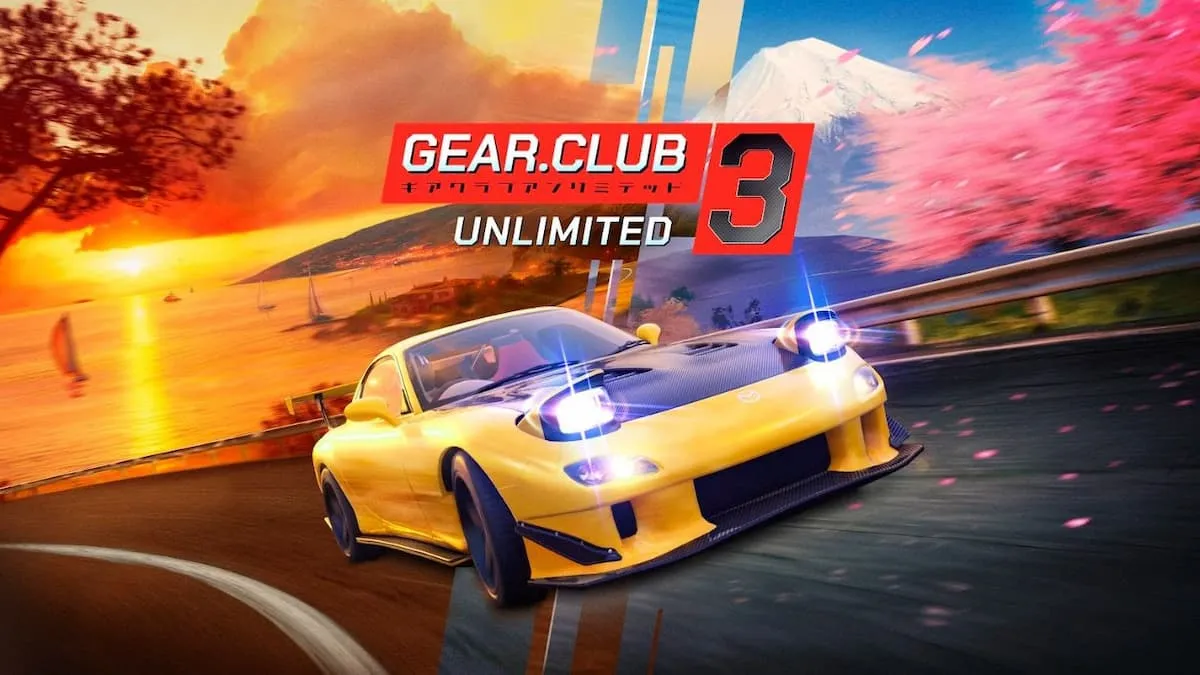

Gear.Club Unlimited 3 arrives as a timed exclusive for the Nintendo Switch 2 and signals a clear geographic and structural expansion for the series. After the Mediterranean settings that defined earlier entries, the game shifts its attention to Japan’s neon-lit roadways and pairs them with returning stretches of France.
The framing casts you as a rookie in a global racing organization, then moves you toward leadership as you build, run, and represent the Gear.Club Japan branch. That premise creates a link between European racing habits and East Asian car culture, using location as part of the series’ identity shift. Content support comes through 50 tracks and a roster of 40 licensed vehicles, letting you drive machines from manufacturers like Porsche, Bugatti, BMW, Nissan, and Pagani.
The career path ties these places and brands into a single progression, treating France and Japan like connected chapters in one itinerary. It plays like a digital meeting point for different automotive philosophies, with enough breadth to keep genre fans busy.
The Architecture of the Racing Atelier
The campaign puts the growth of your headquarters ahead of cinematic story beats. Your base in Japan functions as the practical engine of the game: a hub for upgrades, management, and a sense of personal space. Building it means adding specialized workshops alongside social areas, including lounges with arcade machines, and the design leans into the idea of the garage as a player’s sanctuary.
Progress runs through staffing as much as racing. You recruit engineers, place them in specific buildings, and earn passive bonuses that open higher tiers of mechanical upgrades. A dual-currency structure reinforces that split. Money covers new cars and facility expansion. Performance tuning depends on specific materials, so improvement comes from collecting resources as well as winning events.
Driving skill feeds directly into that loop through the Unlimited Score reward system, which grants more resources when you hold clean lines and avoid contact. Haruka Takeda, a mechanic connected to Tokyo’s underground scene, anchors the local side of the setting and helps frame your move into the Japanese racing environment as both technical and cultural.
Navigating the Highway Duel
The driving model supports three assist tiers aimed at different players. Beginner mode provides strong braking help and anti-skid support. Intermediate offers a moderated setup that still preserves control. Expert removes assists and asks for precise inputs. The control mapping stays straightforward: ZR handles acceleration, ZL handles braking, and manual shifting sits on B and Y.
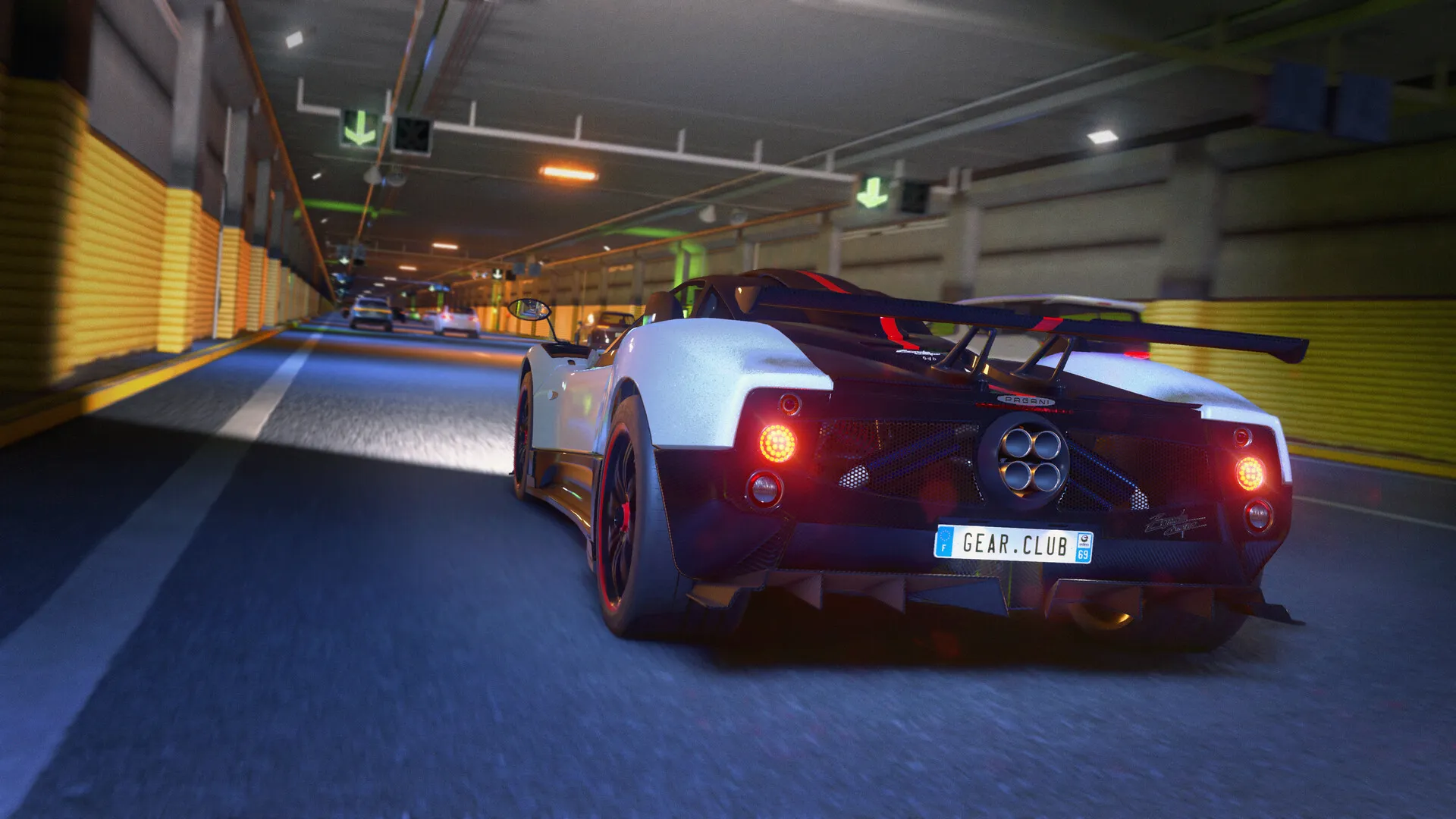
Event design mixes familiar circuit formats with modes tied to urban Japanese imagery. Highway Mode sends you through dense civilian traffic as you push toward a destination. Duels draw from street racing culture, using one-on-one runs on open roads where you win by draining an opponent’s health bar through sustained separation.
Time trials fill out the rest of the menu. AI tension stays steady because a catch-up system keeps opponents close, so races hold pressure even after you build a lead. The structure keeps attention on the solo climb of building a racing empire. Online multiplayer is absent, and local split-screen remains for two players, keeping a domestic, shared-screen version of competition intact.
Precision Tuning and Visual Fidelity
On Switch 2, performance is shaped by two graphics modes with clear identities. Performance Mode aims for 60fps and delivers the smoother motion that high-speed racing relies on, paired with a softer image. Quality Mode runs at 30fps with higher resolution and sharper textures, and it can stutter during intense moments.
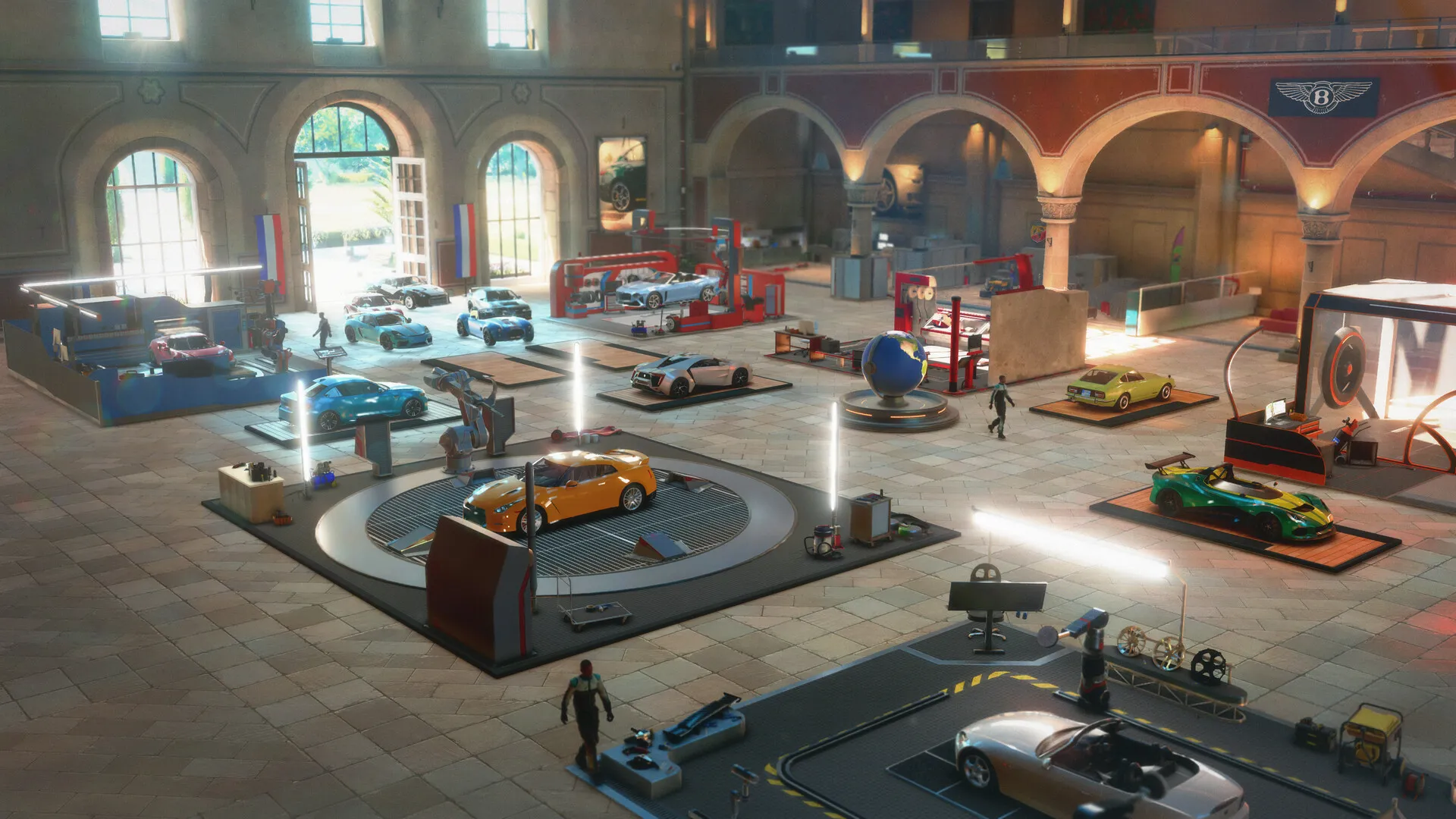
Customization supports both style and function. Visual changes include carbon fiber hoods, neon lighting, and aerodynamic body parts that mirror regional tastes. Mechanical tuning receives equal attention through upgrades to engine performance, braking, and handling inside your workshop. These adjustments matter because many events set strict entry rules.
Races can limit eligibility by a car’s country of origin, its manufacturing year, or a designated performance class. That gatekeeping pushes you toward a varied, carefully tuned garage built from international options. Sound design adds a practical layer through a toggleable in-game radio controlled with the D-Pad, giving the France-and-Japan loop a steady rhythmic backdrop as you move from one locale to the next.
The Review
Gear.Club Unlimited 3
Gear.Club Unlimited 3 presents a competent expansion of its racing formula by integrating Japanese automotive culture into its established European roots. While the management of the HQ and the resource-based progression offer a rewarding loop, the inconsistent technical performance and predictable handling prevent it from reaching the top tier of the genre. It serves as a solid, solo-focused experience for those who enjoy the ritual of car collection and workshop development, despite its lack of online competition.
PROS
- Deep and engaging workshop management system.
- Diverse locations spanning Japan, France, and the Mediterranean.
- Clean driving rewards encourage technical skill.
- Extensive licensed vehicle roster from top manufacturers.
CONS
- Technical stutters in Quality Mode.
- Predictable handling and lack of analogue trigger support.
- Absence of online multiplayer functionality.
- Repetitive music and occasional software crashes.