















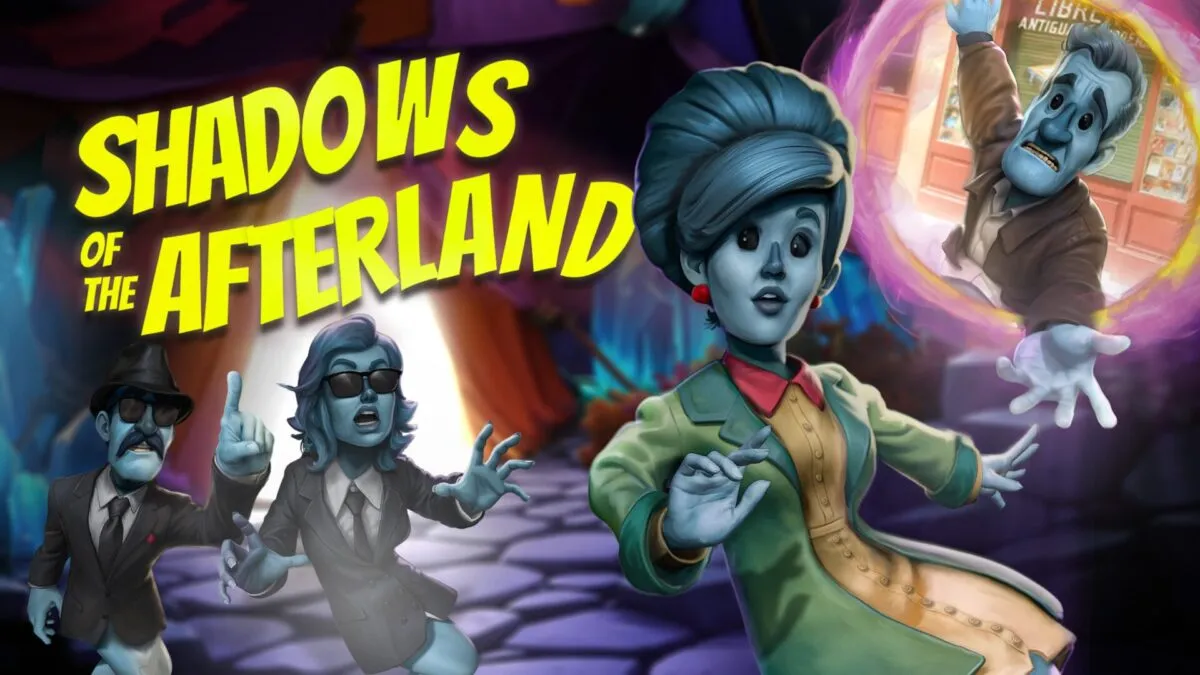

Madrid in 1960 sets a somber stage for a strange opening beat. Pilar, a devoted maid, heads to the city zoo during a storm, looking for comfort beside a caged tiger. Lightning hits, and her soul is ripped from her body, tumbling straight into the afterlife. That jolt sets up the story’s central problem. The spirit that arrives among the dead belongs to Carolina, a police detective from 1988. The timing mismatch turns the premise into a pressure-cooker mystery: Carolina is dead before she is even born, stranded in a past that feels unfamiliar on every level.
The afterlife greets her with a maze of paperwork and procedures that expects quiet compliance. Carolina does not have that temperament. Her police instincts push her toward action, so she starts asking the questions the system would prefer she delay. She wants to know how she died, and she wants to know why her consciousness has taken Pilar’s place. The setup puts a new spin on afterlife fiction in the vein of the Blackwell series, then locks it into a forward-driving structure closer to a time-bent detective thriller. From the opening minutes, the story leans on urgency. Carolina treats her arrival as a case, and she starts chasing leads right away.
Possession and Ghostly Bureaucracy
This afterlife runs like an enormous administrative engine. Spirits float through office spaces without legs, spending their days stuck in lines and shuffling through services and product exchanges. The setting keeps its distance from religious iconography and treats death as paperwork, policy, and capacity management. Reincarnation fills a practical role in that system. A portal offers spirits a return to Earth, paired with a clear cost: total memory loss.
Carolina’s investigation depends on a possession mechanic that connects the living world to the dead one. Ghosts lack the ability to handle physical objects or speak directly with the living, so Carolina takes control of human hosts to get anything done. That design choice shapes the puzzle logic. Progress often comes from hopping between NPCs, using one person’s access or position to set up a trade, trigger an event, or move an item into the right hands. The puzzles play fair, with solutions built from readable cause-and-effect rather than the kind of moon logic that can derail classic adventure games.
The interface keeps interactions simple through a single-click approach. Clicking is the backbone of everything: you pick up objects, provoke context-sensitive responses, and keep the pace brisk without getting lost in layered menus. Carolina also has a specialized way of reading other souls by viewing aura colors, which helps her judge what she is dealing with. That visual feedback supports the investigation and serves the role that hint systems often fill, encouraging you to pay attention to what you see instead of waiting for the game to nudge you.
Progress ties closely to observation and listening. Dialogue matters, and character behavior matters, across both dimensions. Even movement limitations turn into puzzle material. Carolina has restrictions as a ghost, including a sensitivity to birdsong, and that kind of constraint pushes you to think about access in practical terms: which areas you can reach as a spirit, and which areas require a human shell. The result is an afterlife that feels like a working space for investigative play, with rules you learn and exploit the same way you would in a grounded detective story.
Wit, Mystery, and Spectral Partnerships
Carolina’s most important connection is César Santos, a former agent who has spent years isolated. Their partnership gives the narrative its emotional anchor, and it also gives Carolina a path through a world designed to stall people out. César puts himself at risk to help her pursue answers about her death, and the story uses that bond to keep the case from turning into pure procedural clockwork.
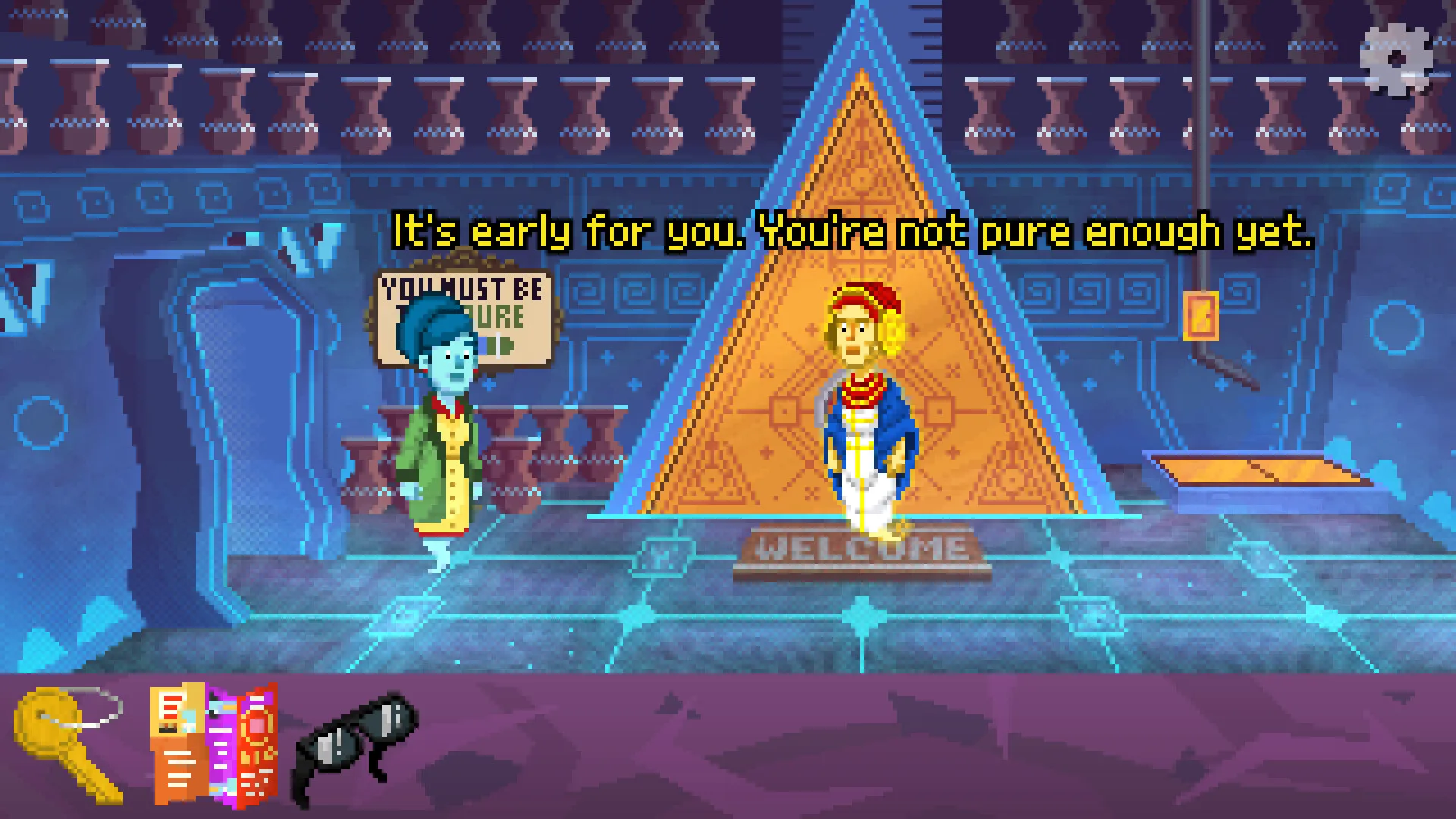
The supporting cast does a lot of heavy lifting, especially in the tone. Gaspar, a ghost who failed as an entrepreneur in life, keeps trying to launch businesses in the land of the dead, and his persistence lands as steady comic relief. There is also a librarian who hates books and passes the time with crosswords, a small character detail that says a lot about how the game enjoys irony without leaning on cheap punchlines.
Ghostly law enforcement shows clear influence from Men in Black, functioning as investigators and prison guards with a genre-savvy presence. That kind of reference point helps define the vibe quickly: this is a supernatural workplace with enforcement, rules, and consequences, filtered through a playful sense of style.
The writing stays sharp and conversational, giving each NPC enough texture to feel like a person rather than a prop for puzzles. Many ghosts have a specific account of how they died, and asking about those stories pays off with darkly clever worldbuilding that strengthens the setting one encounter at a time.
The central thread involves a serial murder investigation, and the script keeps the tone light on its feet without draining tension from the case. The dialogue carries the charm associated with classic LucasArts writing, and it keeps the mystery’s stakes active through steady clue placement.
Gregorio, a talkative figure trying to find souls for reincarnation, carries the kind of eager hustle that recalls Stan from Monkey Island. Those character rhythms help the game keep momentum, so the murder case never turns oppressive or suffocating. Conversations flow cleanly, and the clue trail stays readable enough to keep you moving without external guides.
A Modern Aesthetic with Retro Soul
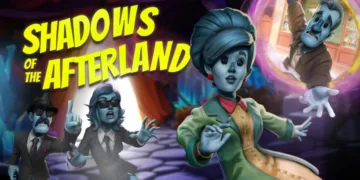
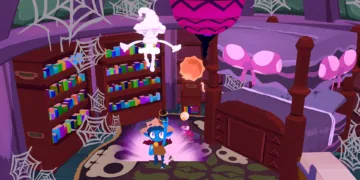
The visuals land in pixel art with soft pastels and a heavy turquoise palette. That choice creates an immediate link to 1990s adventure touchstones like Day of the Tentacle, with an emphasis on readable silhouettes and expressive character work. The afterlife is spread across five main locations, including a nursery space where new spirits get processed, and each environment gains energy through strong animation work. The frame rate supports up to 120 FPS, and movement stays smooth even on modest hardware.
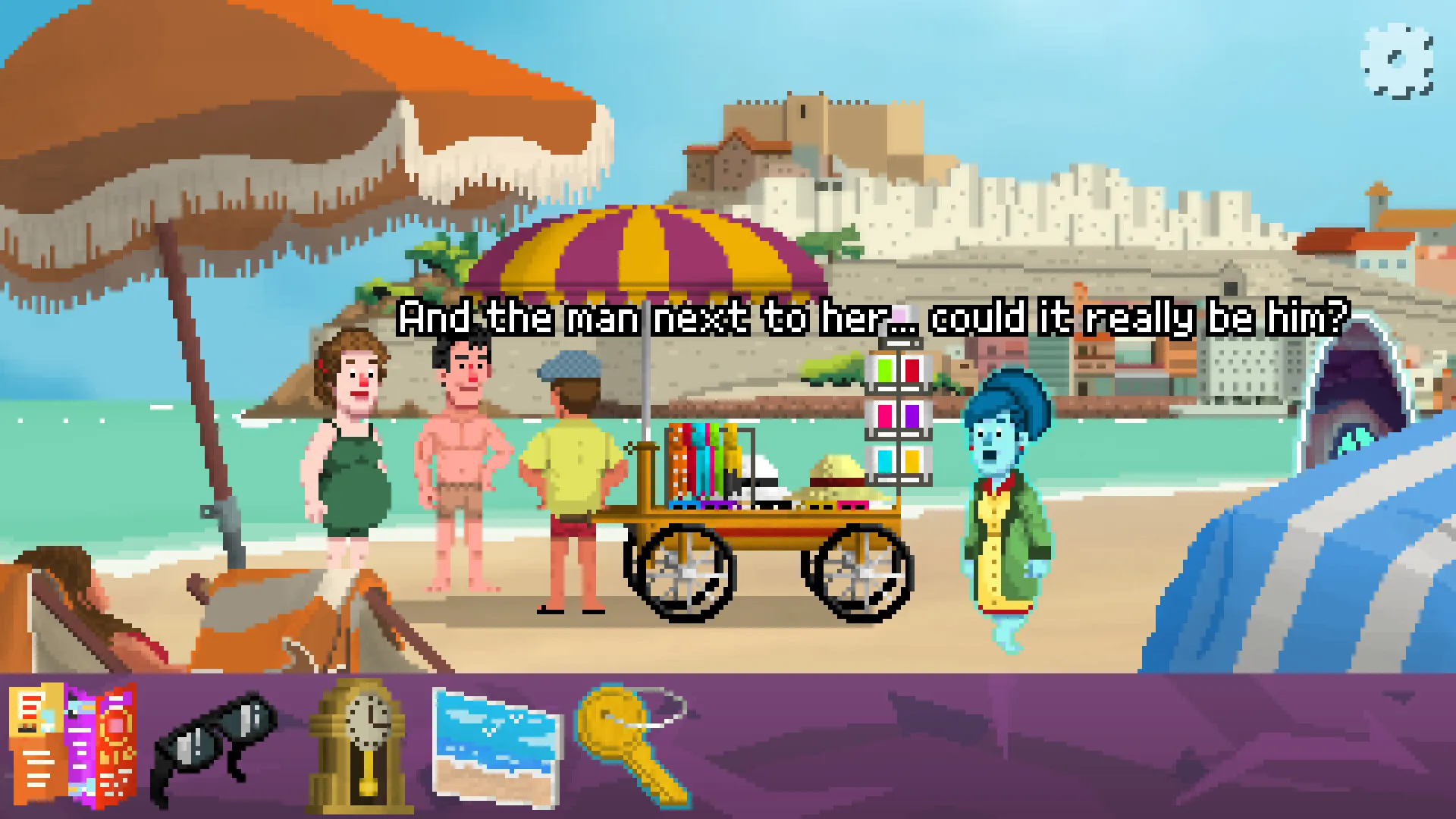
Navigation is quick, helped by the way ghosts float at double speed, which keeps backtracking from turning into a chore. The audio presentation matches the level of care in the visuals. A professional voice cast gives the characters personality and timing, and Ivy Dupler stands out as Carolina, shaping her into a detective with a cynical edge that still feels human and approachable.
The soundtrack relies on real instruments and builds atmospheric melodies that sit quietly during exploration, then rise during sharper narrative turns. Paired with hand-drawn 2D techniques and the modern performance profile, the game lands with the feel of a high-end GBA release, or a LucasArts project that slipped out of time. The interface stays unobtrusive, keeping the artwork in front of you, and the clean visual cues support the investigation so your attention stays on the mystery and the mechanics driving it forward.
The Review
Shadows of the Afterland
Shadows of the Afterland delivers a charming, well-paced mystery that successfully revitalizes the classic point-and-click spirit. While its puzzles lean toward the easier side and the total playtime is relatively brief, the clever possession mechanics and high-quality voice acting create an engaging experience. The partnership between Carolina and César provides a strong emotional anchor for the supernatural investigation. It is a polished, stylish adventure that favors narrative flow over grueling difficulty, making it a perfect pick for those seeking a thoughtful yet accessible detective story in a unique setting.
PROS
- Professional voice acting and live instrument soundtrack.
- Original possession mechanic adds variety to puzzles.
- Witty script with deep, well-developed NPC backgrounds.
- Beautiful, atmospheric 2D pixel art.
CONS
- Short duration (roughly 4–5 hours).
- Relatively low difficulty for genre veterans.
- Limited number of visitable afterlife locations.