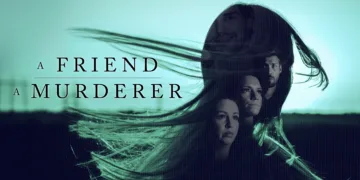
















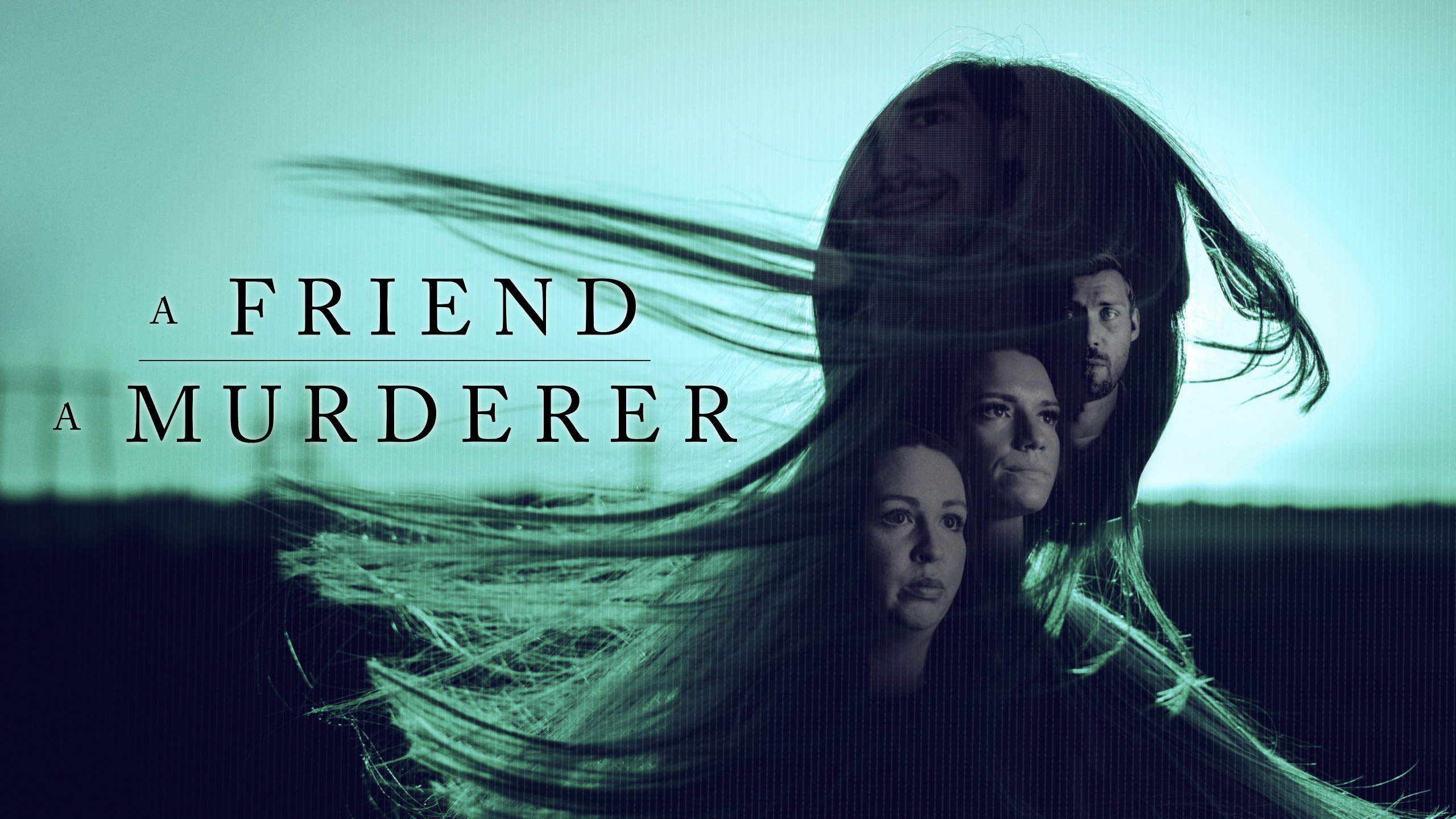

Christian Dyekjær brings a cold, uneasy lens to Netflix with his March 2026 docuseries, A Friend, A Murderer. The setting is Korsør, a quiet Danish town where silence usually suggests peace, safety, and familiar routines. I remember visiting Denmark years ago, and the stillness of its smaller towns has a particular density, the kind that can feel comforting one moment and heavy the next.
This series understands that texture. That calm broke in July 2016, when a seventeen-year-old girl disappeared after a night out. Her remains were found months later near a lake, leaving the community frozen around an unsolved horror.
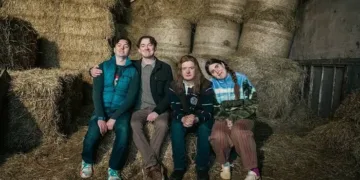
Dyekjær shapes the series around Philip Patrick Westh, an ordinary man with a quiet life and a hidden darkness. The story reaches us through Amanda, Kiri, and Nichlas, people who shared meals, memories, and ordinary social space with a killer. That narrative angle gives the documentary its sharpest chill. It studies social closeness, the way violence can sit inside a trusted circle without announcing itself. The series becomes a portrait of proximity, asking how people process the discovery that someone across the table carried a reality they never saw.
The Betrayal of Shared History
The production builds its structure through the accounts of three people, each carrying a different form of closeness to Westh. Amanda brings a perspective shaped by shared vulnerability. She was the same age as the first victim and felt the town’s collective fear directly. Her presence gives the early material a personal tremor, grounding the case in the emotional climate of Korsør.
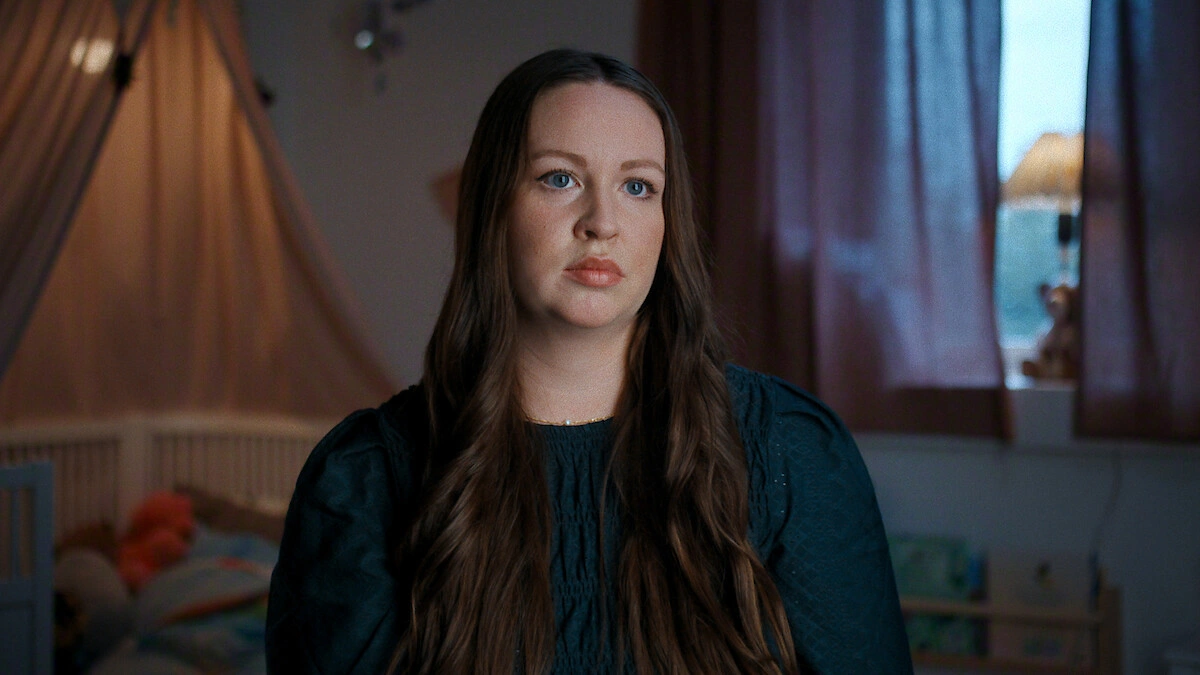
Kiri brings an even closer daily connection. She lived as Westh’s roommate while dating his best friend, Nichlas. Their routines crossed with his, making the later revelations feel like a violation of domestic memory. The everyday details matter here. They make the horror feel less distant, because the series keeps returning to the ordinary spaces where trust once existed.
Nichlas carries the most painful section of the story. His friendship with Westh lasted fifteen years, a long stretch of shared history that collapsed after the arrest. The second episode places him in a deeply uncomfortable position when he is labeled a suspect. The third episode follows his emotional breakdown as the truth about his best friend becomes impossible to deny.
A letter from Westh to Nichlas offers a bleak glimpse into his thinking. He describes his actions as a stupid mistake, a phrase so inadequate that it becomes disturbing in itself. His refusal to accept responsibility exposes the gap between the man Nichlas believed he knew and the predator revealed to the world. The emotional force comes from that rupture. These friends must revisit every conversation, every dinner, every remembered kindness, and ask what was real.
The Ethics of the Invisible Victim
Dyekjær makes a pointed choice by keeping the victims anonymous. That decision creates a tension the series never fully escapes. The filmmakers work carefully to connect viewers to the crimes while respecting the privacy of the families. Real-world controversy shadows the production. Loved ones of the first victim asked for peace and spoke against the series.
Jane Valstead, the search coordinator, carries much of the town’s grief. Her presence recalls the communal effort to find the missing girl and gives the story a wider civic weight. The director also appears on camera, shifting attention away from familiar true-crime authority figures. Detectives and lawyers do not guide the story. The legal mechanics stay mostly outside the frame, while the social aftermath moves forward.
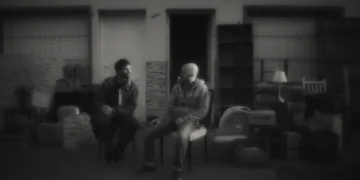
That choice gives the series its intimate quality, and it also creates its main ethical strain. Watching friends describe ordinary moments with Westh is deeply unsettling. They remember a man who seemed to belong in the background of their lives without setting off alarms.
The production gives heavy attention to the emotional damage within his social circle, which raises a difficult question about whose pain receives the frame. True crime often lives in that uneasy space between public interest and private injury, and this series feels especially exposed because the community’s wounds remain fresh.
The Surface of the Monster
The series has clear technical and narrative limits. It offers a view of the surface of the crimes and gives limited attention to police errors. Specific evidence and forensic detail receive little space, including the work that led to Westh’s capture. The psychological reading of Westh also stays thin. The show does little to explain his motivations or identify signals his friends might have missed.
The pacing weakens in the later sections. The emotional material begins to circle familiar ideas, and the runtime starts to feel stretched. The episode titles focus on the friends, keeping their trauma in view even during the recounting of the crimes. That structure narrows the documentary’s range. It plays as a study of betrayal, memory, and social blindness, with less interest in becoming a full crime investigation.
Artistically, that narrow focus has power. The editing keeps returning us to testimony and recollection, creating a rhythm of stunned recognition. The sound and music carry a restrained chill, matching the quiet dread of the Danish setting. The cinematography, shaped around calm spaces and muted emotional pressure, gives Korsør the feel of a town trying to hold itself together.
The film’s deepest sting lies in its plainest idea: a fifteen-year friendship can survive without revealing a person’s true nature. That thought lands with unusual force because it reflects a fear many viewers understand. We like to believe closeness gives us knowledge. A Friend, A Murderer argues that closeness can still leave enormous blind spots. The people nearest to us can remain painfully unknowable, and Dyekjær’s series turns that realization into its coldest image.
A Friend, a Murderer premiered globally on Netflix on March 5, 2026. This gripping three-part documentary explores the psychological fallout of a string of horrific crimes in the quiet Danish town of Korsør. Rather than focusing solely on the investigative process, the series is told through the eyes of three close friends—Amanda, Kiri, and Nichlas—who were forced to confront the reality that the person they trusted most was a violent perpetrator. The series is currently available for streaming in full on Netflix.
Where to Watch A Friend, a Murderer Online


Full Credits
Title: A Friend, a Murderer (Original Title: En ven, en morder)
Distributor: Netflix
Release date: March 5, 2026
Rating: TV-MA
Running time: 3 episodes (approximately 41, 39, and 48 minutes)
Director: Christian Dyekjær, Bo Norström Weile
Writers: Bo Norström Weile
Producers and Executive Producers: Tobias Sørensen (Producer), Niels Pedersen Nielsen (Executive Producer)
Cast: Amanda, Kiri, Nichlas, Jane Valstead, Anna Helleberg Kluge, Philip Patrick Westh, Lasse Reimer
Director of Photography (Cinematographer): Lars Skree
Composer: Niklas Schak, Kristian Eidnes Andersen
The Review
A Friend, A Murderer
A Friend, A Murderer succeeds as an exploration of betrayal. It captures the trauma of realizing a trusted companion was a predator. The focus on the social circle provides an unsettling look at how violence hides in plain sight. However, the lack of investigative depth and the repetitive emotional beats hold it back. It is a haunting watch that chooses social commentary over procedural rigor. It offers a perspective on the fragility of trust in a small community.
PROS
- Focuses on the social impact within a close friend group.
- Provides a chilling look at the mask of normalcy.
- Captures the collective anxiety of the town through personal accounts.
CONS
- Lacks detailed psychological or investigative analysis.
- Repeats emotional points which slows the pacing.
- Avoids addressing the victims' families in a meaningful way.