























Here’s a researched draft built from the published piece, follow-up coverage, Reese Witherspoon’s public clarification, labor-group material, and recent workplace data on women and AI. As of April 23, 2026, the main new development is her direct clarification after the backlash rather than a new formal statement or policy move.
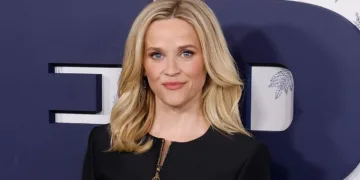
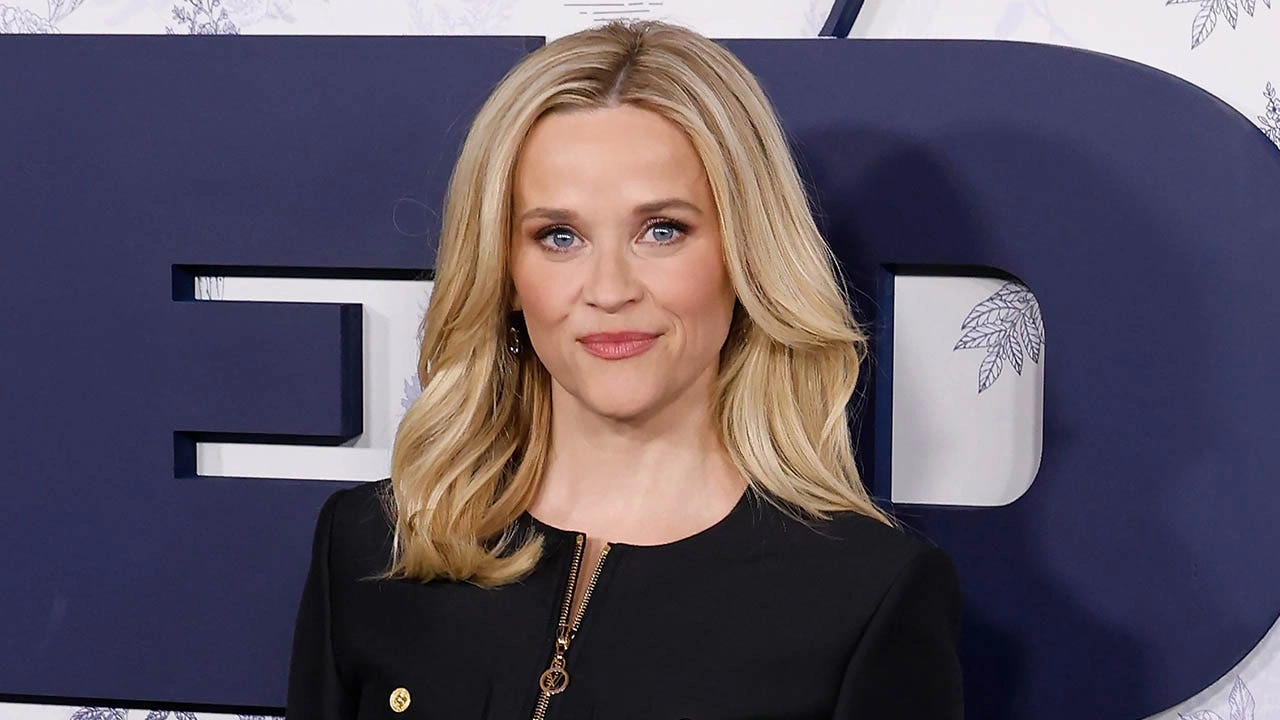
Reese Witherspoon moved this week to contain a backlash over her call for women to learn artificial intelligence, saying she was not being paid to promote the technology and rejecting the idea that machines should replace people. After critics accused her of parroting Silicon Valley talking points, the actor and producer wrote on Instagram that she is “just a curious human” trying to understand a fast-moving technology and its effect on work, culture and daily life.
The dispute began after Witherspoon urged women to get comfortable with AI, arguing that many are falling behind at the same time their jobs face heavier exposure to automation. Her warning drew sharp pushback from writers, readers and film fans who said a celebrity with deep ties to publishing and Hollywood should have centered copyright, labor and environmental concerns before encouraging adoption. In her follow-up posts, Witherspoon said those concerns are valid, added that she worries about artificial general intelligence and environmental costs, and said, “I don’t believe computers should replace humanity.”
Part of the reaction reflects Hollywood’s still-raw fight over generative AI. SAG-AFTRA says AI use must rest on consent, compensation and performer control, a position shaped by years of battles over digital likenesses and synthetic performances. That history helps explain why even a broad call to “learn” AI can land as an endorsement of systems many artists view as a threat to jobs and authorship.
Witherspoon’s case also tapped into a real debate inside the workplace. The International Labour Organization said in March that women face higher risks from generative AI because they are concentrated in roles more exposed to automation.
New Lean In research reached a similar finding on adoption, reporting that women use AI less often at work, receive less manager support for using it and are more likely to worry about ethical harms or job loss. Supporters of Witherspoon’s message point to that gap as a reason to build literacy. Critics argue literacy without guardrails serves the companies selling the tools.
One extra point circulating in the backlash, missing from some early coverage, involved business ties. Commentary around the episode revived scrutiny of Hello Sunshine’s sale to Candle Media, which is backed by Blackstone, feeding online suspicion about corporate interests even after Witherspoon said “no one is paying me.” No evidence has surfaced that her posts were sponsored.