





























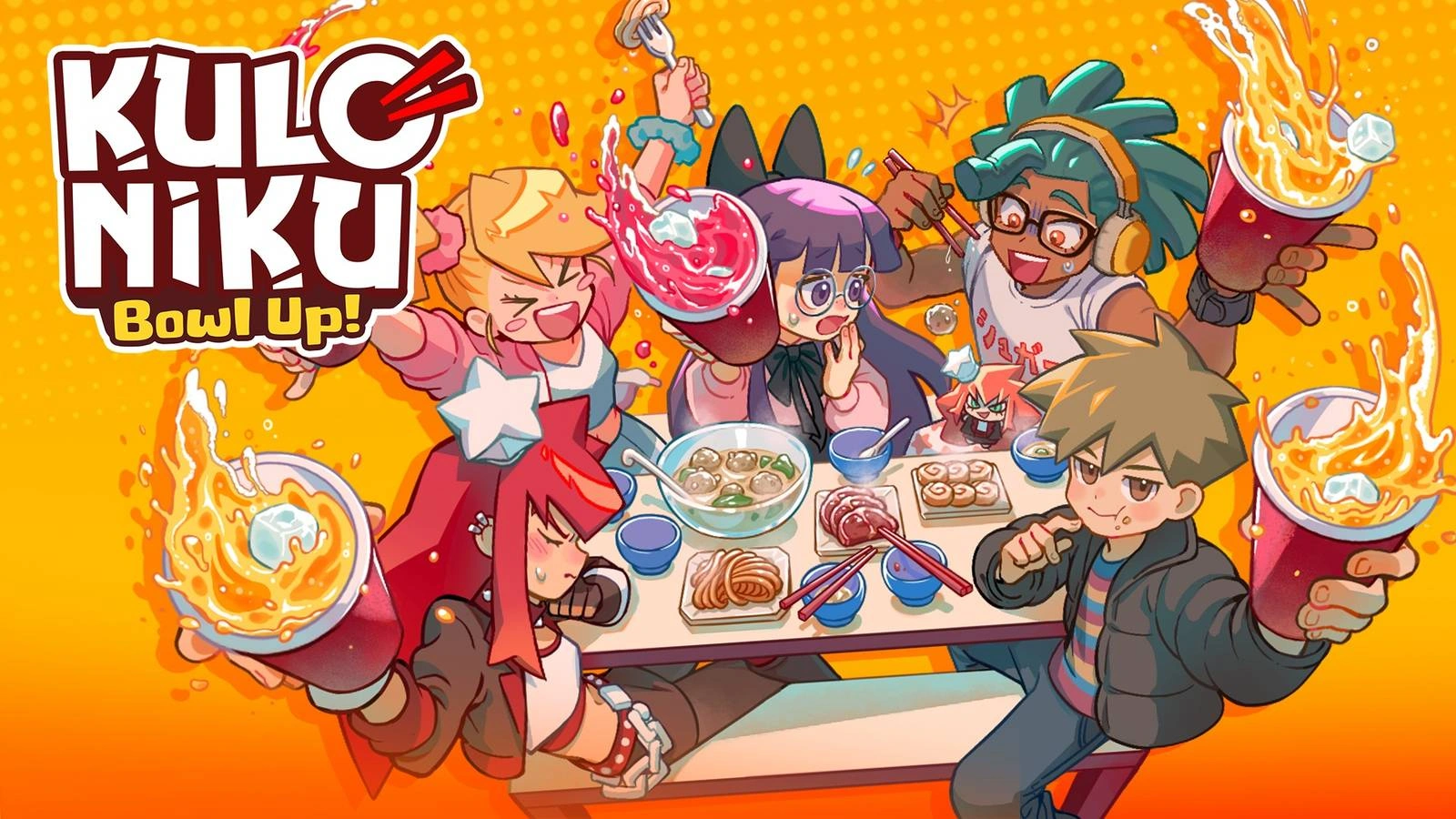

KuloNiku: Bowl Up! places you in the shoes of a city chef who returns to his roots, taking over Bakosu, a restaurant once run by your late grandmother. The town expects nothing short of excellence, and you’re tasked with meeting these expectations while rebuilding the family business.
The narrative takes its time, offering a comfortable space for players to explore its 10-hour campaign. The writing incorporates some surprising elements, such as spy themes and family secrets that unfold as the story progresses. Your rival, Stella, serves as an essential source of tension.
She runs Souper Starz with a rockstar-like attitude, and her presence injects a competitive dynamic into the story. While the stakes remain personal, the focus shifts to cooking tasks and engaging with the townspeople. The setup feels familiar to those who enjoy this genre, laying a solid foundation for the activities ahead.
The Rhythmic Mechanics of the Kitchen
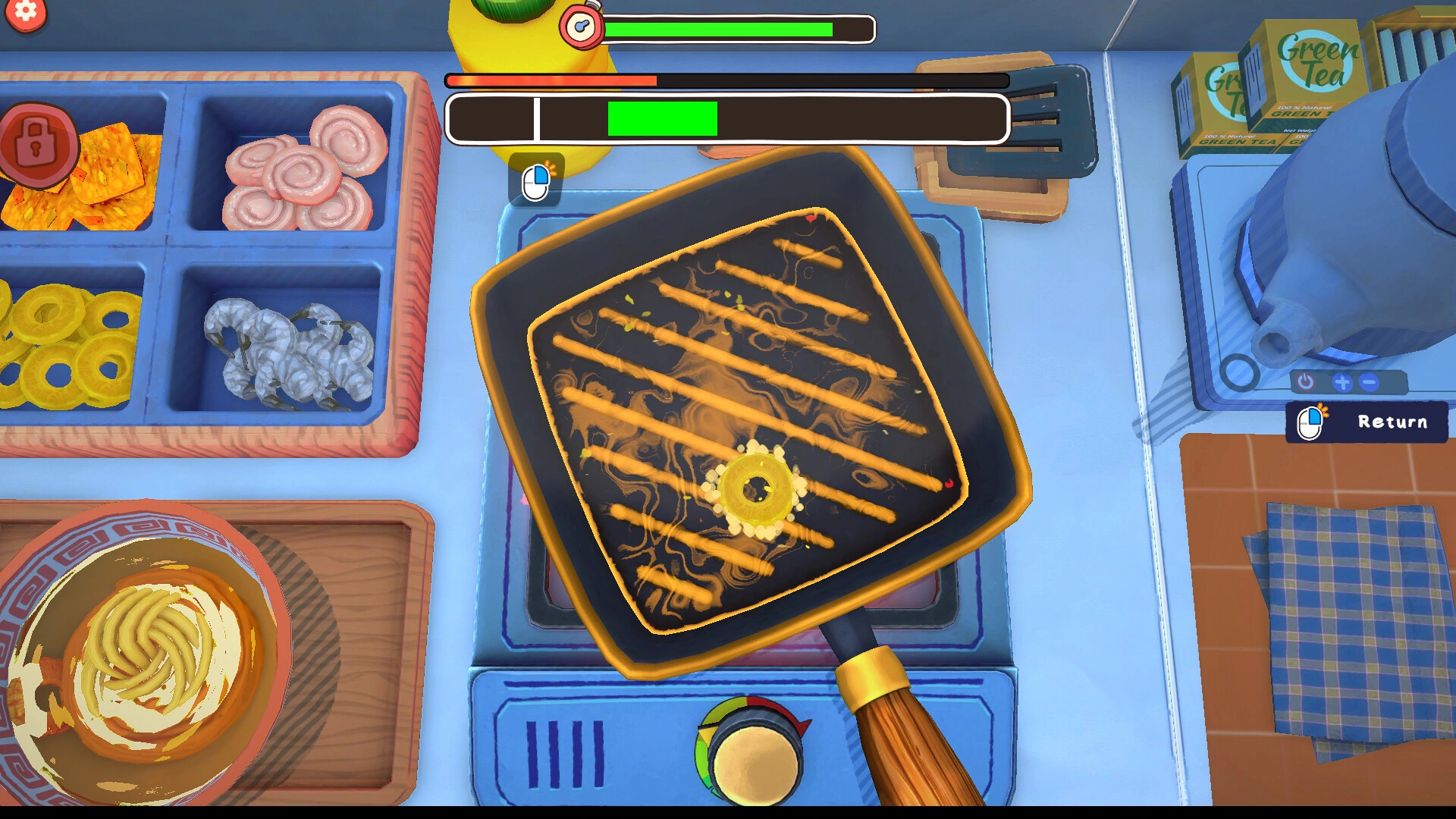
In the kitchen, you’ll shift between different stations, handling tasks like chopping, seasoning, and managing the hotpot. The chopping mechanic is notably tactile, requiring precise mouse movements to slice ingredients. This adds a grounded, satisfying feeling to the gameplay.
Success depends on matching the flavor profiles requested by customers. For players who find the timer stressful, Cozy Mode offers a welcome change, removing the patience meters from customers and creating a calmer atmosphere. Sound design plays a key role in enhancing this experience; for example, the satisfying popping sound when ingredients are added to the pot adds a layer of reward.
A subtle, relaxed soundtrack plays in the background, ensuring the music doesn’t become a distraction. Ume’s Shop allows you to buy new tools that help optimize your workflow. Additional bowls, for example, reduce the time spent cleaning, making your daily routine more efficient. Each day limits the number of customers, which keeps the gameplay loop tight and prevents it from feeling like a repetitive task. Progression feels steady as you unlock new recipes with these purchases.
Competitive Cooking and Community Ties
Every Monday and Thursday, you’ll participate in Meatball Brawls, where turn-based mechanics come into play. You have a limited number of action points each turn, and you must decide whether to satisfy the judge or earn points from the audience. Prioritizing the judge’s tastes is often the key to success.
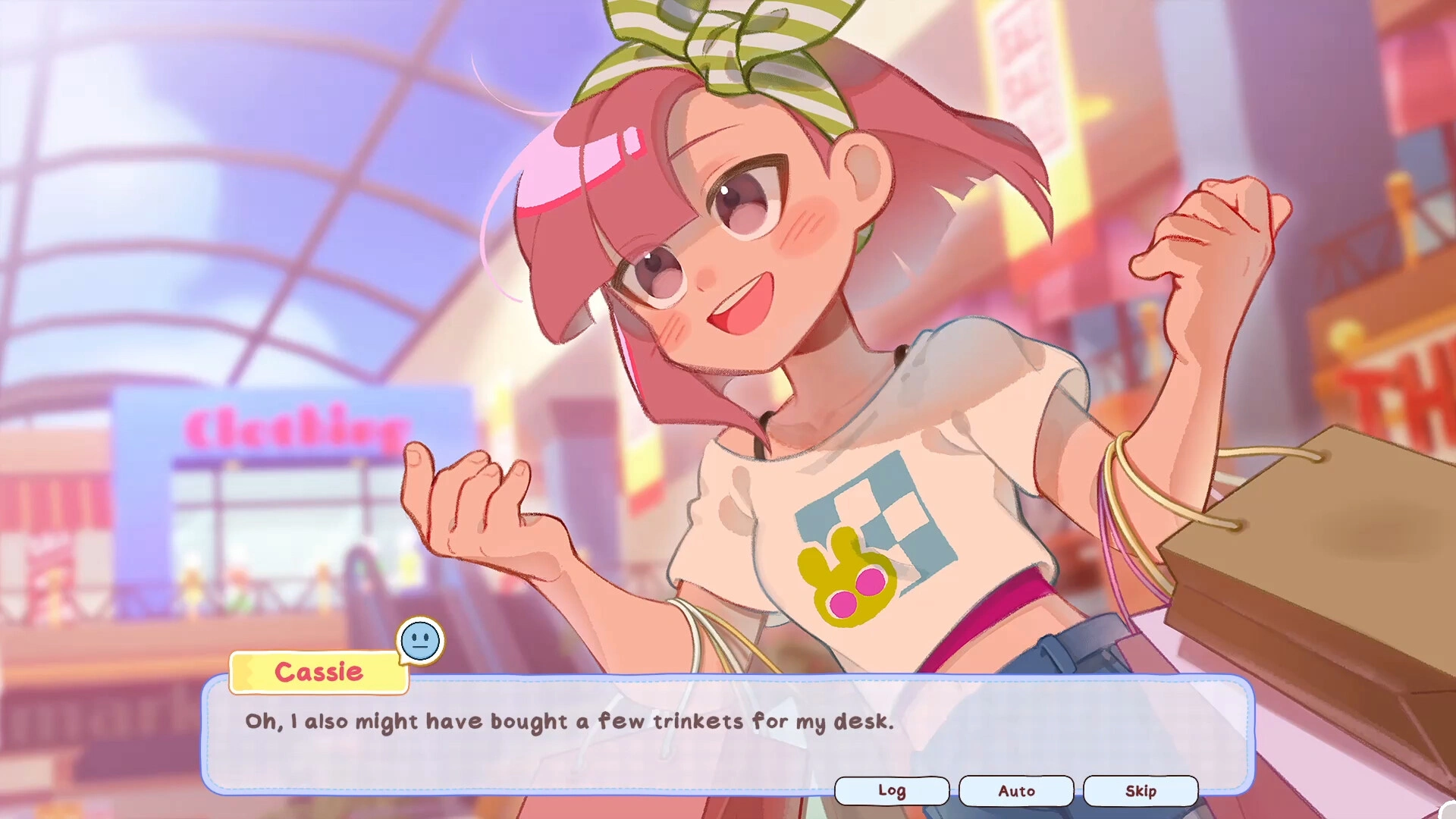
These brawls feel like game show segments, offering a stark contrast to the slower, more peaceful restaurant hours. When not in the kitchen, you can chat with people on the sidewalk, building relationships through visual novel-style interactions. Characters like Dan and Stella reveal their personal histories, with Stella serving as a fierce rival despite her tsundere persona.
She secretly admires your grandmother, though she never admits it. On Saturdays, the local festivals let you serve four customers at a time instead of the usual three, earning extra vouchers and money. The game’s writing uses humor to keep things light, with many characters taking on eccentric, often goofy personalities. Some judges even seem to have been blackmailed into attending the brawls, adding an extra layer of silliness to the mix.
Visual Identity and Growth Systems
The game’s visual style features low-poly models, evoking the aesthetic of high-budget anime from the late ’90s. Characters have expressive designs that draw inspiration from shows like Panty & Stocking. Bright, sharp colors define the overall look, contributing to the game’s energetic feel.
Ume’s Shop serves as the main hub for growth, offering an ever-refreshing inventory every Friday. Here, you can buy furniture, floor patterns, and wall paint to customize your restaurant’s interior, adding both style and functionality. The game’s technical performance is generally stable, though occasional stuttering can occur, particularly after a customer finishes their order.
These brief delays last for a few seconds and don’t significantly affect gameplay. At an accessible price point, the 10-hour story offers a complete and satisfying experience, providing strong value for the cost. Players can rearrange workstations to suit their personal playstyle, further optimizing their kitchen flow and enhancing the overall experience.
The Review
KuloNiku: Bowl Up!
KuloNiku: Bowl Up! delivers a focused restaurant management experience. The mechanical loop of preparation feels tactile and rewarding. It balances relaxation with structured competition through the Meatball Brawls. Visuals capture a specific nostalgia with sharp character designs. Technical hitches exist but they fail to dampen the experience. This title satisfies fans of the genre looking for a polished loop.
PROS
- Tactile station based cooking.
- Comforting Cozy Mode toggle.
- Distinct 90s anime art.
- Strategic turn based competitions.
CONS
- Minor technical stutters.
- Short narrative length.
- Predictable character archetypes.