
























![Kingdom Hearts Collection [I-III] Review](https://gazettely.com/wp-content/uploads/2026/10/Kingdom-Hearts-Collection-I-III-1-360x180.webp "Kingdom Hearts Collection [I-III] Review: KHII Holds Steady as Newer Entries Fluctuate 37")




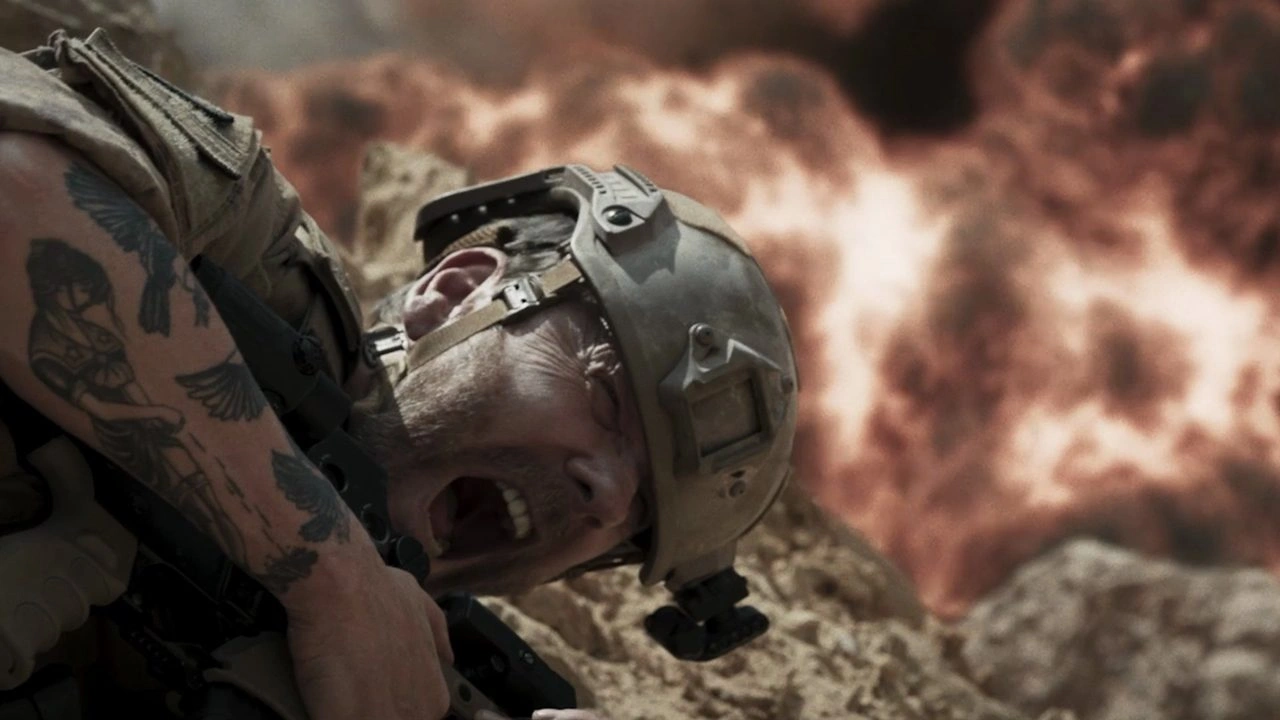
The film opens with a Syrian deployment, where Captain Jordan Wright leads an elite unit through a tense tactical scenario. The sequence establishes the squad’s skill and the close bond running through the group. The soldiers move with synchronized precision, suggesting years of shared history before the story moves into a civilian setting in Mexico.
There, the unit gathers for Alberto, their medic, whose wedding to Isabella also marks his recent United States citizenship. The peace breaks quickly. A local cartel led by the cold Baker and his volatile brother Stevie attacks the wedding, turning a celebration of new life into a desperate fight for survival.
The soldiers are suddenly trapped in foreign terrain without their usual equipment. Their training becomes their main defense against a brutal ambush. That shift from organized military action to chaotic survival gives the film its first hard jolt of dread.
The story draws power from the clash between the squad’s discipline and the cartel’s unpredictable violence. I felt that change right away. The film uses the transition to strip away the characters’ safety nets and place them in a situation where they have to adapt as outsiders.
Leadership and the Burden of the Badge
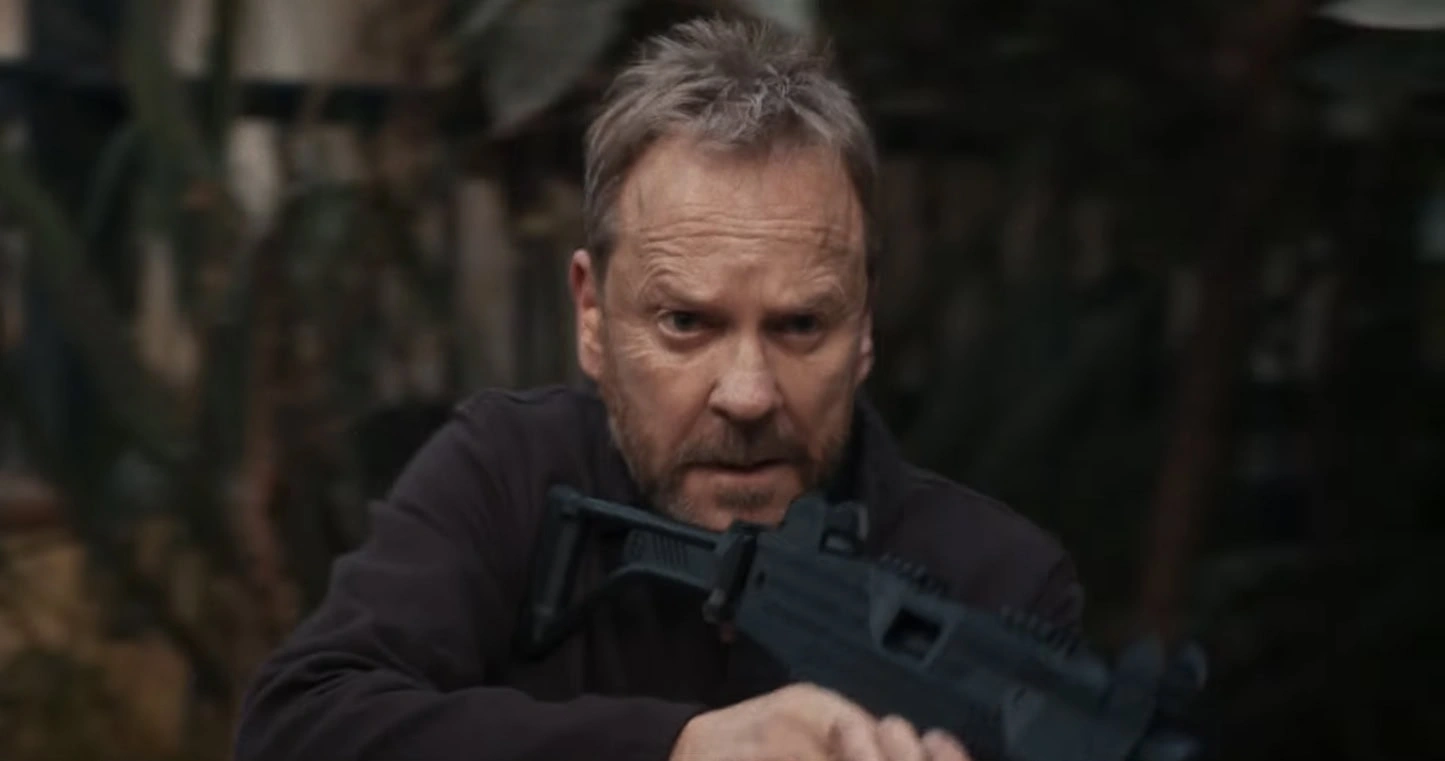
Kiefer Sutherland gives Captain Jordan Wright a clear sense of weight. He plays him as a seasoned military lifer guided by quiet competence. The performance steers clear of loud theatrics. Sutherland builds the character through small movements, steady looks, and the restrained focus of a man trained to make calculated decisions under pressure.
Wright often studies his surroundings in silence. He counts the men still standing with a look that carries responsibility before he says a word. His authority feels earned through years of experience. I found myself thinking of the steady leads in classic 1970s thrillers, where character comes through action before speech.
The squad gives the film its emotional backbone. Tommy Martinez plays Alberto as the group’s anchor. His wedding and citizenship milestones create the personal stakes that drive the early section. Solly McLeod as Danny and Ashton Sanders as Carson give the unit sharper individual textures.
Their camaraderie makes the violence feel deeply personal. These actors push past standard military archetypes and create recognizable men. Sanders brings a raw energy that works against the captain’s calm presence. The way the squad interacts during the wedding feels natural. They tease each other with the shorthand of people bonded by shared hardship. That foundation makes the later losses land with greater force.
Omar Chaparro plays Baker as a tactical villain who treats violence like a business transaction. Gabriel Camero plays Stevie as a reckless spark for the conflict. The brothers’ relationship serves as a grim reflection of the soldiers’ loyalty. Their tension keeps the middle act moving. The performances keep the stakes grounded as the action grows heavier. Each actor helps create a world that feels lived in and pressured from all sides.
A Measured Approach to Chaos
Justin Chadwick moves from historical dramas into survival-thriller territory with a disciplined eye. He uses the Mexican landscape to build atmosphere and tension. The heat and dust of the Sierra Madre mountains make the unit feel exposed. The film spends a meaningful stretch on the wedding festivities, allowing warmth to settle in before the attack arrives.
I appreciate that structure because it gives the characters room to breathe before the violence takes over. It reminds me of independent films that respect place, rhythm, and human detail before pushing into genre mechanics.
The shift in momentum is sharp. The story moves from the calm of the first act into the relentless pressure of the second. The 99-minute runtime keeps the trajectory lean. The script avoids side stories that would weaken the survival focus. This efficiency keeps the viewer locked into the crisis. The pacing matches the urgency of characters who have little time and fewer options.
Chadwick treats the setting like an active force. The terrain shapes the squad’s tactical choices. The camera remains steady and avoids the frantic cutting often found in large-scale action films. That choice lets the audience understand the space and feel the danger inside it.
The film becomes deliberate and grounded through that control. Tension builds through silence, anticipation, and the slow tightening of the environment. I noticed how the lighting moves from the warm yellows of the party to the cold blues of the night. That visual progression follows the soldiers’ psychological shift as they move into a defensive posture.
The Physicality of the Firefight
The action sequences value spatial awareness. We understand where the soldiers stand in relation to the cartel shooters. A nighttime road ambush stands out as one of the strongest scenes. It uses shadow, limited resources, and narrow escape routes to create intense pressure.
The sound design strengthens that effect. Gunfire lands with heavy force, making each shot feel dangerous. I noticed how a reload or a footstep on gravel carries the same weight as an explosion. The film captures combat as a percussive experience. Every metallic click and muffled shout deepens the immersion.
The cinematography favors a raw look. It rejects a polished digital gloss, which suits the survivalist tone. The film relies on practical stunts and gives every injury a sense of physical consequence. You feel the environment grinding down the equipment and the men.
The final village shootout plays like a tactical chess match. The town’s geography dictates movement on both sides. Wright uses the buildings to funnel the enemy, turning the space into a tool for survival. It becomes a display of tactical intelligence under pressure.
This grounded realism separates the film from exaggerated action spectacle. The editing stays fixed on the logistics of the fight. Every bullet feels scarce. Every movement carries risk. That technical control creates a visceral experience.
The lighting in the night scenes works especially well. It hides the enemy’s numbers and increases the feeling of isolation. The film keeps the camera close to the soldiers while preserving a clear view of the battlefield. That balance between intimacy and scale gives the skirmishes a personal force and a larger tactical sweep.
Beyond the Battlefield Bonds
The film studies brotherhood through action. These men fight for the person beside them. Wright risks an international incident to protect his soldiers. That resolve carries real moral weight. The story highlights the personal cost attached to each decision. It reflects a modern shift in screen heroism, where loyalty to the individual carries greater force than loyalty to an institution.
The script brings in real-world anxieties about cartel violence. It feels drawn from current headlines without turning into a political lecture. The characters remain human and breakable. They are skilled soldiers with limits, fear, and bodies that can fail. The emotional force comes from the specific faces and names lost during the conflict. The stakes stay local and personal.
The resolution feels earned through shared hardship. It reminded me of how independent cinema often gives violence real weight compared with many studio action projects. The film stays close to the individuals and treats survival as the driving concern. That perspective gives the action a grounded quality.
The final moments leave the audience thinking about bonds that remain after the smoke clears. The film becomes a focused study of loyalty under extreme pressure. We see soldiers returning to a world that looks changed because of what they have lost. That thematic depth gives the genre framework a stronger emotional charge.
Brothers Under Fire premiered in select theaters and on digital platforms on April 17, 2026. This action thriller follows Captain Jordan Wright and his elite squad as they travel to Mexico for a comrade’s wedding, only to be ambushed by a ruthless cartel. You can currently watch the film on major digital streaming platforms such as Amazon Prime Video, Apple TV, and other on-demand services.
Where to Watch Brothers Under Fire (2026) Online







Full Credits
Title: Brothers Under Fire
Distributor: Vertical
Release date: April 17, 2026
Rating: R
Running time: 101 minutes
Director: Justin Chadwick
Writers: Delbert Hancock, Ian Mackenzie Jeffers, James Keach, Trevor Albert
Producers and Executive Producers: Robert Stein, James Keach, Griff Furst, Nik Bower, Victor Moyers, Delphine Perrier, Arianne Fraser, Henry Winterstern
Cast: Kiefer Sutherland, Omar Chaparro, Laura Osma, Tommy Martinez, Solly McLeod, Ashton Sanders, Laird Akeo, Orlando Pineda, Diego Vásquez, Flora Martínez, Gabriel Camero
Director of Photography (Cinematographer): Toby Elwes
Editors: Joshua Chadwick
Composer: Alex Heffes
The Review
Brothers Under Fire
Brothers Under Fire succeeds as a disciplined survival thriller. Justin Chadwick rejects flashy excess in favor of tactical clarity and a grounded narrative. Kiefer Sutherland delivers a performance rooted in quiet authority. While it adheres to certain genre conventions, the film grounds itself in the genuine bonds of its squad. It is a lean, percussive experience that values spatial logic and emotional stakes. Fans of focused, practical action will find much to admire in this high-tension experience.
PROS
- Kiefer Sutherland’s steady, authoritative lead performance.
- Action sequences prioritize spatial awareness and tactical logic.
- Reliance on practical stunts and immersive sound design.
- A focused 99-minute runtime with no wasted subplots.
CONS
- Relies on familiar military archetypes.
- The slow-burn introduction may feel drawn out for some.
- Avoids deeper analysis of its geopolitical setting.







