




























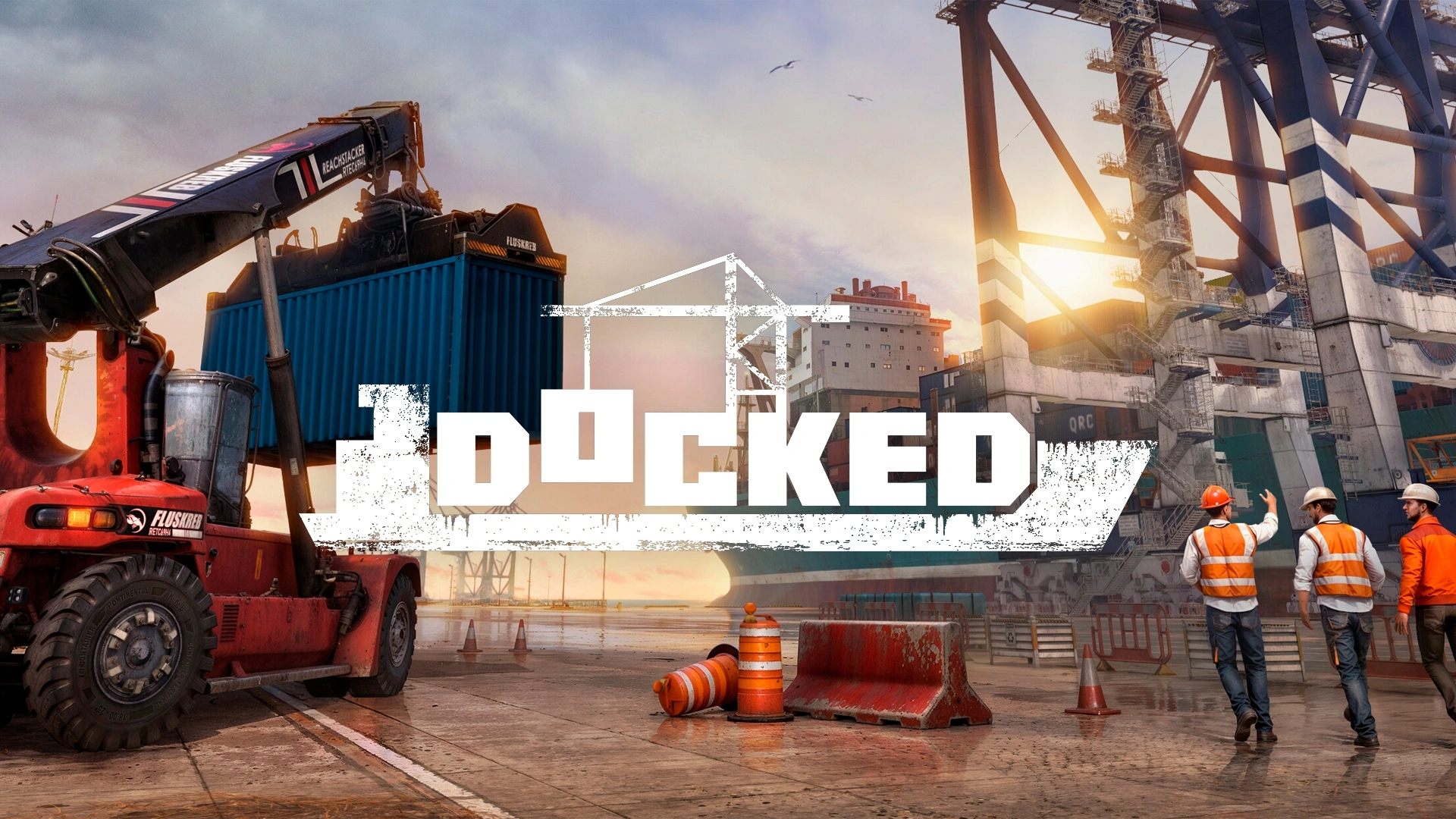

The air in Port Wake carries salt and rusted iron, and Hurricane Wendy has carved a brutal mark across the coast. The shipping lanes once suggested activity and routine; now twisted metal, broken concrete, mud, and scattered containers make the place feel like a damaged industrial battlefield.
Tommy enters this mess as a son responding to his father’s desperate call. The family business is close to collapse, and the local bank is preparing to seize the property. That personal setup gives the opening a firm emotional anchor. From the first person view, the empty docks communicate scale through practical details: debris choking the intake valves, broken windows in the main office, and cargo spread across a yard that has lost its rhythm.
The game frames the work through recovery, legacy, and small measurable wins. Each container moved becomes a step against the damage left by the storm. The stakes stay grounded in one family’s port and one stretch of coastline.
That intimate focus gives the machines a strange presence. Cold steel starts to feel like a working partner because Tommy is the lone operator left to bring the place back. When the first crane coughs into motion, the game establishes its clearest promise: the story will be told through labor, control, weight, and repetition.
The Physicality of Industrial Hardware
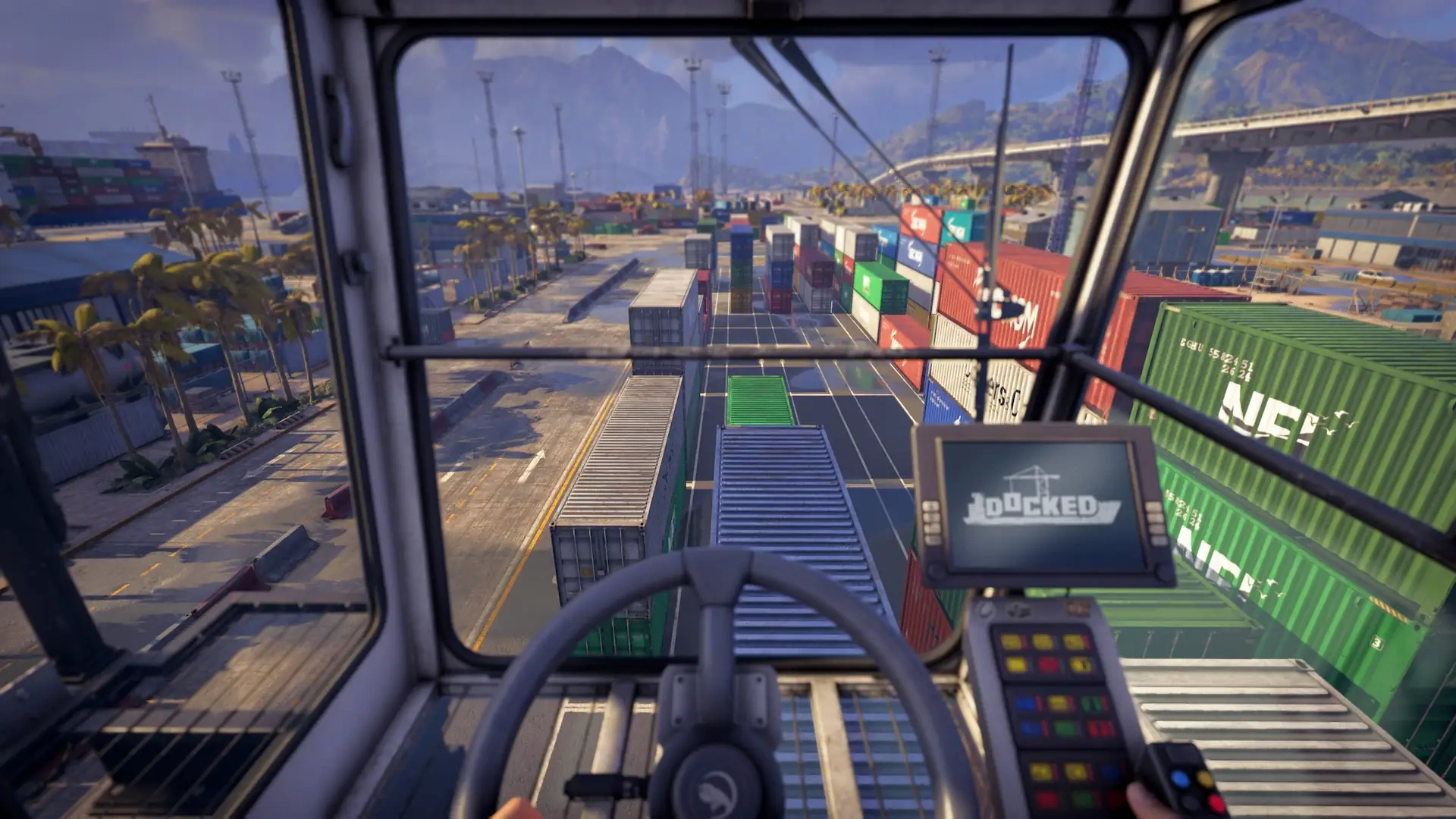
Operating heavy machinery asks for attention, patience, and respect for scale. The closest genre comparison is SnowRunner, since both experiences turn slow, technical vehicle control into the main source of tension. You begin with the Ship to Shore crane, a huge steel machine built to unload cargo ships. Its control scheme immediately sets the tone.
The left analog stick moves the entire structure along the rails. The L2 and R2 triggers handle the vertical movement of the spreader. You watch the ship deck, read the shadows, search for the green alignment box, and lock the twist locks with the X button. The reward is a heavy metallic thud that sells the physical contact between machine and cargo.
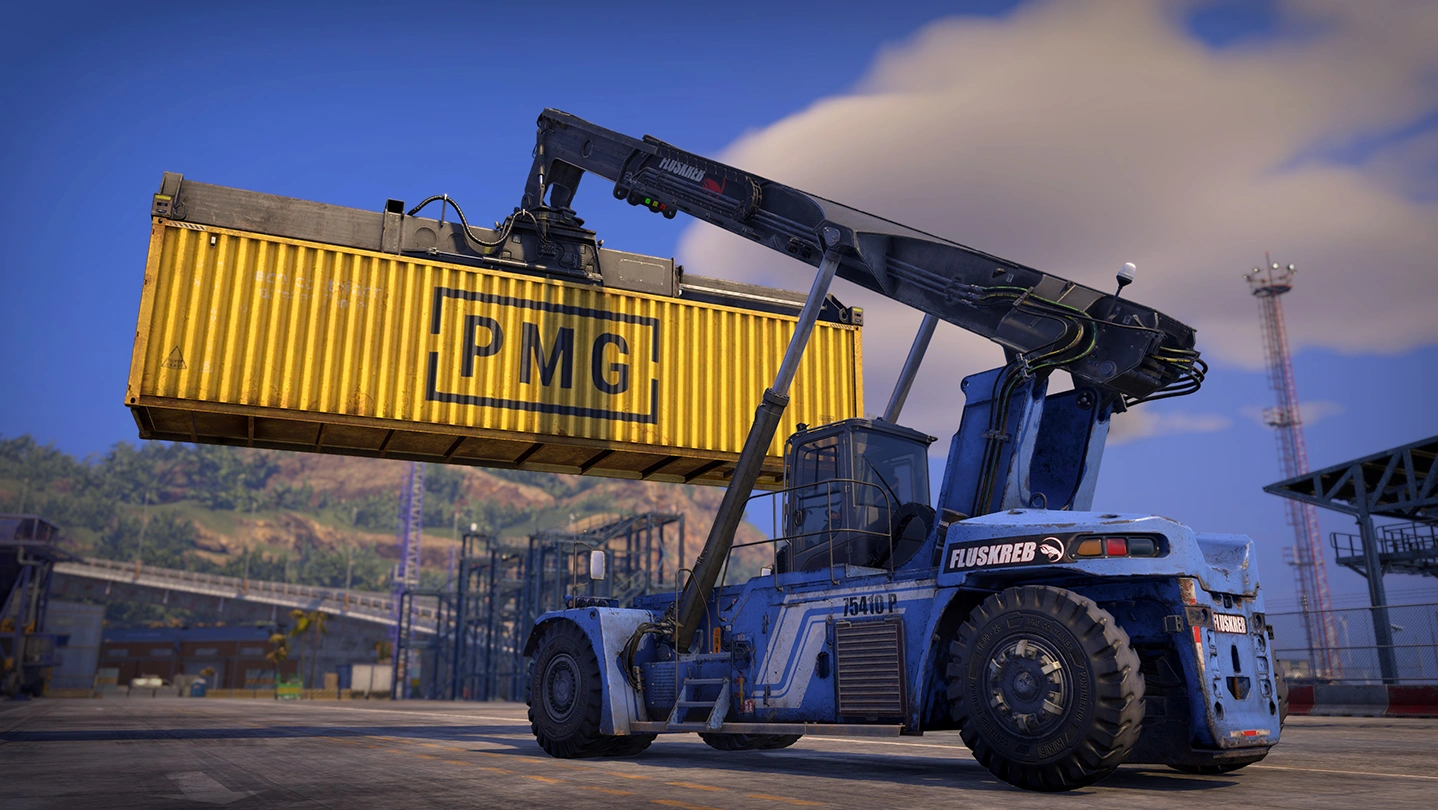
The physics engine treats a forty ton container with the mass it deserves. Fast movements make the load swing, and that swing can smash nearby cargo. The player has to read momentum before it becomes a problem. The Reach Stacker changes the skill test with a telescoping boom designed for stacking containers in tight rows.
The Terminal Tractor feels lighter and quicker, giving you a different rhythm as you hook into trailers and pull them through the yard. Being able to step out of the cab strengthens the sense of scale. From the ground, looking up at the STS crane makes Tommy look small, and that visual relationship reinforces the size of the task.
Two play modes shape the level of simulation. Standard mode helps with container alignment and softens the effect of swinging loads. Hard mode strips away those assists and demands careful management of realistic cable tension. The economic pressure gives these choices weight.
Tight deadlines set the pace, and missing a goal causes failure that may force a restart of recent tasks. Progress depends on practical skill. You learn the rhythm of the crane, judge the weight of the cargo, and move with the caution of someone who understands how quickly steel can punish sloppy inputs.
Logistical Precision and Port Management
The port economy runs on efficiency. Progress is measured through the TEU, the Twenty foot Equivalent Unit used as the standard cargo measure. Each contract gives you a target number of containers, so the decision starts before the machinery moves. You have to inspect your fleet, judge capacity, and decide if a high paying shipping order is worth the risk. Failure to move the cargo within the day costs money, giving the business layer a clear sense of pressure.
Profits feed the Milestone system. Reaching Milestone 5 lets you improve the main office, while other levels unlock the Straddle Carrier or larger shipping lanes. The structure creates a steady management pattern: earn money, expand carefully, and keep the machinery alive.
Maintenance costs compete with growth, since equipment breaks down after long shifts. Those breakdowns lead into repair mini games, where an X ray tool helps scan for faults. A blown circuit board, a jammed cog, colored wires, steam pressure, jump start cogs, and spinning discs all become small mechanical puzzles. These tasks add variety to the workday and keep the port from becoming a simple cargo conveyor.
The logistical layer grows denser as Port Wake expands. You choose storage locations for containers and plan truck routes through the yard. The AI Help button can automate scheduling for a fee, which reduces profit while freeing attention for driving.
That option fits the game’s business logic because every shortcut still has a cost. Fuel, repairs, and penalties keep the player thinking about margins. The loop stays clean: work a shift, check daily profit, purchase a new vehicle, and return to the yard with larger responsibilities.
Technical Execution and Modern Presentation
The presentation gives the docks a convincing modern finish. Rain slicks the asphalt and leaves reflections in puddles. Wind pushes against the crane and moves the trees, making the weather system feel active across the port. The visual quality sits close to high budget industrial simulators, especially in the way surfaces, machinery, and storm damage give the environment a worn physical texture.
Sound design carries much of the atmosphere. Diesel engines roar, metal groans, and the PS5 DualSense controller becomes part of the machinery. Radio static comes through the controller speaker. Reverse beepers sound from your hands. Haptic feedback mimics the vibration of heavy treads, giving each vehicle a tactile identity. The best moments happen when sound, controller feedback, and slow mechanical movement combine into a believable rhythm of blue collar work.
The technical package has clear limits. The frame rate is locked at 30 FPS, which feels slow on a high end console. Loading screens can run for sixty seconds between missions, cutting into the momentum of the workday. The design is also built as a solo effort, so there is no way to call a friend into the yard to help with cargo.
Once the story ends, the game offers no free play mode for the upgraded port, and achievements do not carry over to a new save. These limits define a focused experience about one profession and one damaged port. When the final mission ends and silence settles back over Port Wake, the lasting impression comes from the weight of every lift.
The Review
Docked
Docked provides a grounded look at industrial labor. The heavy machinery feels authentic and rewarding to master. While technical issues like long load times and a capped frame rate hinder the experience, the central gameplay loop remains satisfying. The story adds personal weight to the mechanical tasks. It succeeds as a niche simulation of a specific trade.
PROS
- Realistic crane physics
- Immersive weather visuals
- Engaging management systems
CONS
- Long loading screens
- Locked 30 FPS
- No post-story play







