























Turning three knobs should feel less intimate than typing a line into an empty terminal. In The Incident at Galley House, that mechanical difference becomes the clearest measure of what this elaborate remake gains and what it leaves behind.
William Rous’s original Type Help was a free, text-based mystery built around reconstructing one disastrous day in 1936. Evil Trout, the developer behind The Roottrees Are Dead, has rebuilt it with illustrated characters, period interiors, full voice acting, atmospheric music, and a tactile reconstruction machine. The result is easier to enter, easier to follow, and easier to recommend to players who might never touch a Twine game.
The central setup remains wonderfully strange. A present-day investigator enters the abandoned Galley House and uses an unstable machine to recover scenes from a gathering decades earlier. John Hobbes arrived at the house after receiving an invitation from Rupert Galley, yet nobody present claimed to know anyone by that name. Soon, guests began dying. Stranger still, the survivors started forgetting that those people had ever existed.
Every Conversation Is Evidence
Accessing a memory requires three pieces of information: its place in the chronology, the room where it occurred, and the characters who were present. The machine converts those deductions into codes through dials and switches, then plays the recovered scene as a voiced visual-novel sequence.
This loop owes a clear debt to Return of the Obra Dinn and The Roottrees Are Dead, yet Galley House has its own rhythm. One conversation may end with a guest announcing that he is heading to the kitchen. Another character might mention having just left the attic. Matching those remarks against the timeline can reveal a scene neither speaker directly describes.
The best deductions come from accounting for absence. When ten characters have known locations during a particular interval, the eleventh person’s position can sometimes be inferred without a direct clue. Solving the code feels like completing a logic grid, except the reward is a new piece of drama rather than a checked box.
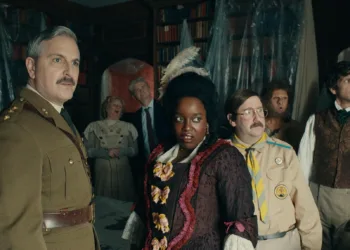
Identity forms a second layer. The eleven guests initially appear as numbered silhouettes, forcing players to connect names with figures and character portraits. Clothing and dialogue provide the answers. A reference to red wine staining a woman’s dress becomes decisive once that stain appears in a recovered scene. Relationships, accents, nervous habits, and arguments gradually turn anonymous shadows into a recognizable household.
Some clues are highly specific. Others can feel needlessly buried. The tiered hint system handles those moments sensibly, beginning with a nudge before offering a direct answer. Timelines, searchable transcripts, highlighted sentences, and custom stamps for deaths or disputes also keep the investigation manageable. Players can still maintain external notes, but the game rarely requires a desk covered in paper.
The Horror of Being Forgotten
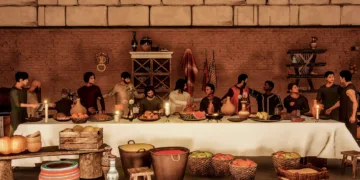
The Galley gathering provides a large cast of possible victims and suspects: a timid woman hiding in the attic, an aggressive man declaring that the house belongs to him, and a nervous guest whose quick accusations suggest fear rather than confidence. Each new scene shifts the relationships between them, often by revealing what happened before an earlier conversation.

That fractured chronology suits a story built around damaged memory. Characters vanish between scenes. Conversations seem to contradict one another. Apparent continuity mistakes accumulate until the player begins questioning the reliability of the archive itself.
Death has an unusual consequence here. The living do not simply mourn the people lost inside Galley House. They begin losing the ability to remember them. A dead guest becomes an empty place in the timeline, then a numbered silhouette, then nothing.
This gives the identity system narrative weight. Naming each figure is part of the investigation, but it also restores a person whom the house has erased. The puzzle and the theme occupy the same action. Few deduction games connect their filing work to their emotional stakes so cleanly.
The static staging weakens certain deaths. Characters may disappear from the composition with little visual indication of what has occurred, producing confusion where the scene needs shock. Attentive players may also recognize repeated patterns early enough to anticipate a few revelations.
A Clearer House Casts Fewer Shadows
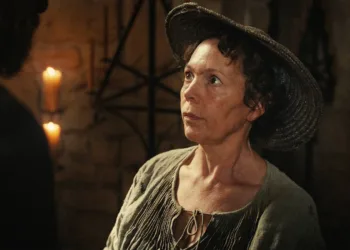
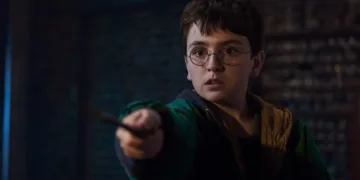
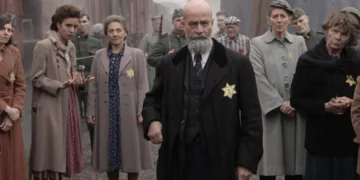
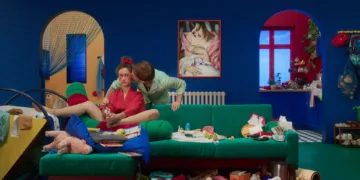
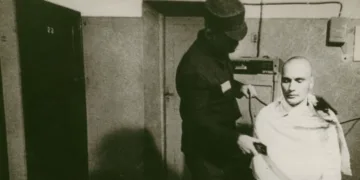
Henning Ludvigsen’s portraits make the guests immediately distinct once their identities are established. Period furniture, crowded rooms, and the modern reconstruction device give both timelines physical character. Sound effects such as creaking wardrobes and kitchen utensils stirring beneath conversations help the static scenes feel inhabited.

The voice cast is equally valuable. Different rhythms of speech turn minor remarks into character evidence, while rising fear changes how familiar lines register when scenes are revisited later. Listening can also interfere with investigation. Pausing a performance to write down a clue breaks its dramatic timing, yet allowing the scene to continue risks losing a vital detail.
Here the comparison with Type Help becomes unavoidable. The original terminal demanded manual typing and personal record-keeping. Its blank interface left each death to the player’s imagination, making the archive feel colder and the investigation strangely private. Galley House replaces that uncertainty with illustrated rooms, organized menus, and a machine that generates codes through visible controls.
That accessibility is a meaningful improvement for newcomers. Controller support, recorded information, and clearer rules should keep many players from abandoning the mystery during its opening stretch. Still, the remake’s precision reduces some of the original’s psychological pressure. What once resembled a forbidden file discovered on an ancient computer now resembles a handsome gothic mystery presented with professional care.
The additional present-day chapter follows the solution of the 1936 fates and explains why the investigator came to Galley House. It introduces fresh deductions and several effective turns, but its explanatory dialogue narrows questions that were stronger when left unstable. The historical mystery remains the reason to operate the machine, fill the timeline, and give every shadow its name.
The Review
The Incident at Galley House
The Incident at Galley House preserves the ingenious deduction loop that made Type Help special, then wraps it in detailed artwork, expressive performances, and useful investigative tools. Entering rooms, characters, and timeline positions still produces the thrill of reconstructing a tragedy through evidence rather than guesswork. Yet the remake’s clarity weakens the uncertainty that gave the original its deepest horror. This is the easier version to recommend, especially for newcomers, but its text-based predecessor remains the stranger and stronger experience.
PROS
- Excellent scene-reconstruction puzzles
- Strong nonlinear mystery
- Distinct voice performances
- Useful timeline and hint tools
- Memorable themes of death and forgetting
CONS
- Visual presentation reduces the dread
- Some deaths lack dramatic impact
- Later patterns expose certain twists
- New material explains too much