





















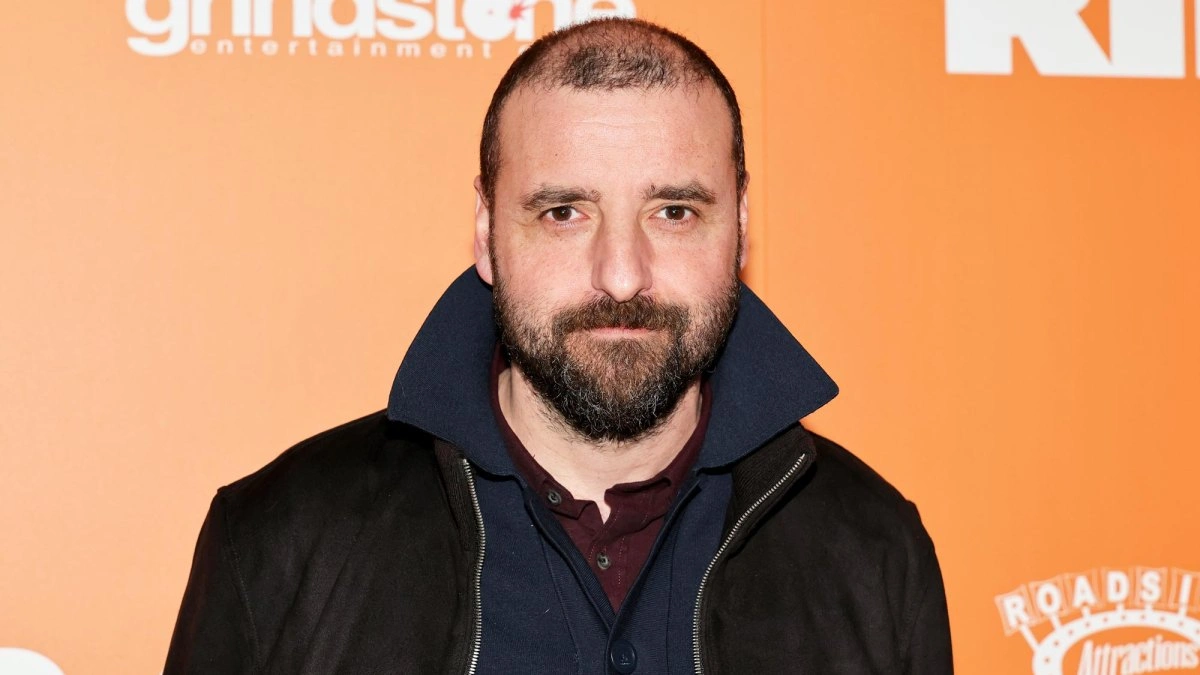

David Krumholtz announced Monday that he was stepping away from acting, then quietly deleted the posts hours later, leaving fans uncertain whether the veteran character actor meant it as a permanent exit or a moment of raw venting.
Writing on Threads, Krumholtz described sending what he called “the definitive email” to end his pursuit of roles, a decision he said he had feared making for years. “Specifically, the fear was that I’d go broke and not be able to handle being out of the game,” he wrote, before describing the aftermath as unexpectedly liberating. “A huge wave of relief washed over me,” he continued, adding that he had no clear plan for supporting himself but had shed a weight he hadn’t fully understood until it lifted.
Krumholtz, 48, built his career across more than 140 credits since debuting on Broadway in 1992, ranging from “Addams Family Values” and “10 Things I Hate About You” to an Oscar-nominated supporting turn in “Oppenheimer” and a role this year in the poorly received “Supergirl.” In follow-up replies to fans, he pushed back against the idea that he was fully retiring, describing the move instead as “redefining my terms” and expressing hope of finding “a new, more rewarding passion,” including motivational speaking aimed at young people. He pointed to shrinking pay and diminishing respect for performers as core frustrations, writing that studios once operated more like “mom & pop” businesses willing to share profits fairly with the people who generated them.
The announcement arrived after a turbulent stretch for the actor. In June, an escalating public exchange with a content creator on Threads led other users to resurface older, contested posts, including harassment allegations he has denied, prompting him to lock his account and raising unverified concerns among some fans about his wellbeing.
Despite the recent noise, colleagues responded with support rather than surprise. Fellow actor Garret Dillahunt replied publicly to say the news was bittersweet but understandable, and Krumholtz thanked him directly, reiterating that the decision reflected a shift in priorities rather than a clean break from the industry that shaped his adult life.