




























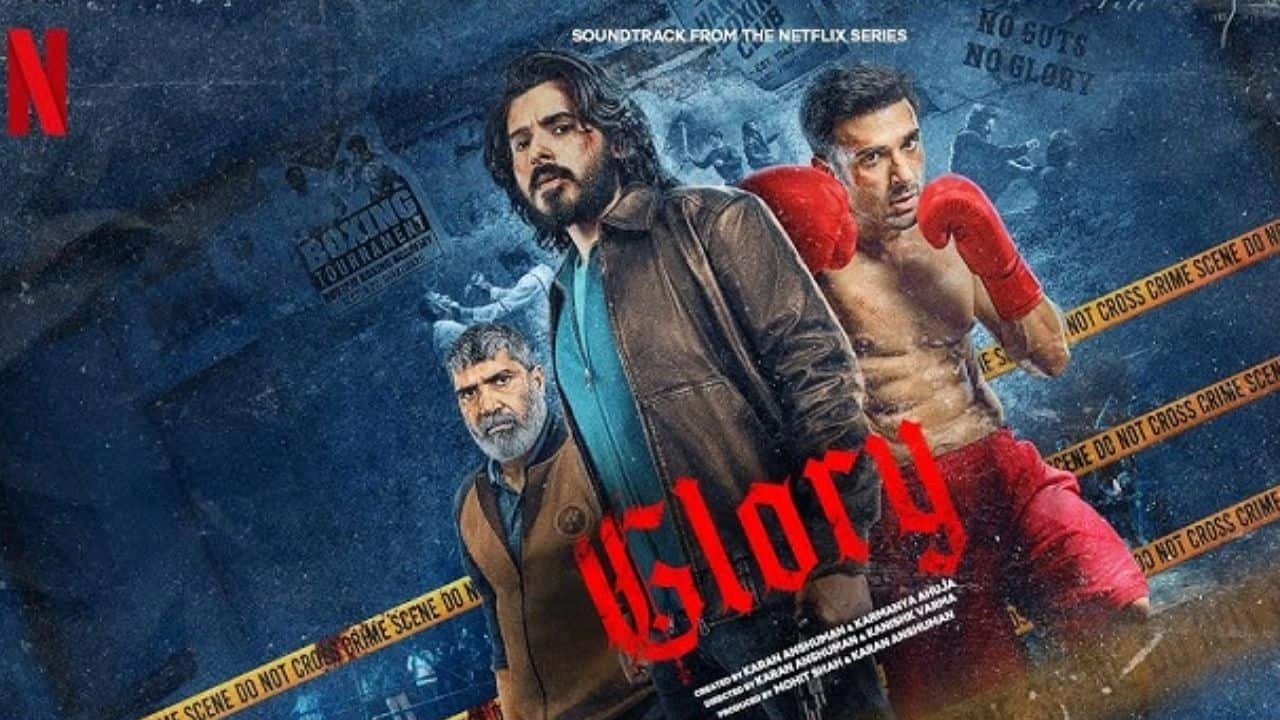

Shaktigarh breathes through old leather, drying sweat, and the thick dust of Haryana. The fictional town works like a harsh furnace for sporting promise, turning young bodies into boxers for a nation hungry for gold. That factory-like calm breaks when Nihal Singh and Gudiya are attacked in a violent ambush. Nihal is Shaktigarh’s brightest Olympic hope. Gudiya is the daughter of a legendary local coach.
Their attempt to escape the pressures of home ends in a roadside killing. Nihal dies on the asphalt. Gudiya survives the blades at first, then dies later in a hospital bed under signs of foul play. This double tragedy pulls Dev and Ravi back into the town.
They are the estranged sons of Raghubir Singh, a man whose home life has been damaged by his sporting obsession. Raghubir has spent decades shaping fighters while neglecting the emotional ruin inside his family. His sons return to a place where the glamour of the ring hides a predatory network built on greed. The mystery begins in the heat of training halls, inside the silence of a family crushed by the burden of a silver medal.
The Singh Family and the Weight of Golden Dreams
Raghubir Singh’s domestic life gives the series its sharpest study of parental ambition turned destructive. A silver medalist, he treats his children as living instruments meant to repair his own unfinished career. He demands complete obedience to a system of physical punishment and emotional isolation.
That discipline leaves Dev and Ravi with different wounds. Dev is the injured skeptic. A career-ending injury pushed him away from the ring, and his resentment toward his father’s methods has hardened into something close to hatred. He sees boxing as a machine that feeds on young lives. Ravi remains devoted to the sport in body, yet his mind is trapped in anxiety, chasing approval that never comes.
The show defines “Glory” through love, sacrifice, and pain. These ideas lose their motivational shine and become chains. The boxing ring becomes a place of psychological combat, where Raghubir still tries to control his sons through discipline, shame, and legacy.
This family damage reflects a larger culture of toxic masculinity, one that treats vulnerability as defeat. The brothers return home to face their father and their past while searching for their sister’s killers. Their homecoming turns justice into a deeply personal struggle, shaped by scars left by a man who prizes a podium finish above his own children.
Predatory Systems and the Shaktigarh Underbelly
Shaktigarh functions as a predatory ecosystem, a town where survival often depends on exploitation. The murder investigation exposes a social order shaped by old prejudices and modern corruption. Viju Sangwan represents the commercial face of boxing.
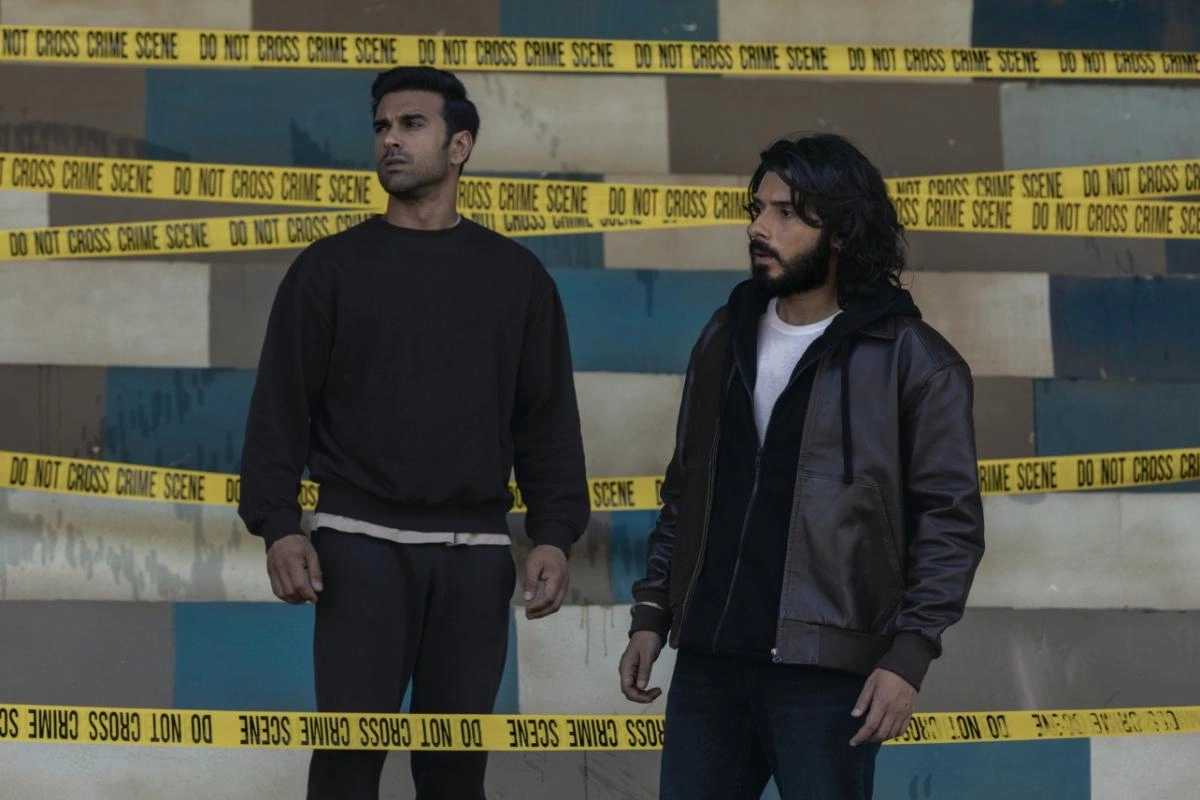
His rival academy treats athletes like stock options, turning human promise into investment value. Kookie Yadav gives the criminal threat a stranger, colder edge. He uses a digital coin-flip app to decide the fate of his enemies, giving violence the feel of a casual game in a lawless place.
The police offer little comfort. Arvind, a childhood friend of the brothers, tries to protect his integrity while senior officers bend before local strongmen. The series pays close attention to the marginalized people trapped inside this society.
Bharti carries the quiet horror of “bought brides,” women trafficked from other states to answer Haryana’s gender imbalance. Her presence reveals how transactional human life has become in Shaktigarh. The local khap leaders hold the community in their grip, enforcing codes of honor and “genetic composition” that excuse violence against anyone who steps outside the accepted order.
Joyna, an investigative journalist, tries to break through the silence and meets a wall of bristling machismo. The boxing world connects to human trafficking and illegal gambling rings. Every major figure carries a hidden motive. The search for truth becomes a fight against a system designed to reward silence and crush the weak. In that sense, the series uses the grammar of Indian social crime drama through a noir structure familiar to global audiences, linking local anxieties to a wider cinematic language of corruption, masculinity, and institutional rot.
Hinterland Noir and the Aesthetic of Violence
The series builds its technical identity through a raw, visceral style that fits the “hinterland noir” mode. The cinematography catches the rough textures of rural Haryana, from grey roads covered in dust to dark gym floors marked by blood. The background score has a heavy rhythmic pulse, echoing a fighter’s breath. It builds tension through training scenes and fight sequences. The score keeps away from orchestral swells, giving the soundscape a blunt physical force.
The earthy Haryanvi dialect gives the writing cultural density. Threats, jokes, and insults feel rooted in the region’s soil. This language choice helps the series bridge Indian specificity and global genre appeal. The setting remains culturally precise, while the noir mood, crime structure, and stylized violence make the story readable for international viewers. The storytelling moves from grounded drama into brutal visual shocks. Graphic imagery appears in scenes involving heavy machinery and animal aggression, stressing the danger that shapes daily life in Shaktigarh.
The boxing matches are staged with a strong sense of realism. They focus on exhaustion, bruising, and the technical skill of the fighters. Each match feels like a fight for survival, with bodies carrying the cost of ambition frame by frame.
The season ends on a cliffhanger, leaving several narrative threads suspended in the humid air of the gym. The Singh family conflict remains unresolved. The town’s secrets continue to fester. The final images suggest that Shaktigarh will remain haunted by violence and the pursuit of hollow victory.
The Indian TV series Glory premiered on Netflix yesterday, May 1, 2026. It presents a gritty look at the boxing culture in Haryana while weaving a dark mystery around a family seeking justice for a brutal assault. The show features seven episodes that explore the intersection of competitive sport and regional crime. You can currently stream the entire first season exclusively on Netflix.
Where to Watch Glory Online


Full Credits
Title: Glory
Distributor: Netflix
Release date: May 1, 2026
Rating: TV-MA
Running time: 47 to 60 minutes per episode
Director: Karan Anshuman, Kanishk Varma
Writers: Karan Anshuman, Karmanya Ahuja, Vaibhav Vishal
Producers and Executive Producers: Mohit Shah, Karan Anshuman, Arif Mir, Nishant Pandey
Cast: Divyenndu, Pulkit Samrat, Suvinder Vicky, Ashutosh Rana, Sayani Gupta, Kashmira Pardeshi, Vishal Vashishtha, Zakir Hussain, Yashpal Sharma, Jannat Zubair Rahmani, Sikandar Kher, Kunal Thakur
Director of Photography (Cinematographer): John Russell Schmidt
Editors: Manan Mehta, Maahir Zaveri
Composer: John Stewart Eduri
The Review
Glory
The show provides a harsh look at the emotional cost of excellence. It succeeds because it prioritizes the damage within the family over the victory in the ring. The atmosphere feels heavy with the humidity of the gym and the silence of a wounded household. Even with a familiar thriller structure, the specific cultural details and gritty aesthetics offer a distinct perspective on modern India. It stands as a grounded work of fiction that values character depth over cinematic polish.
PROS
- Authentic local dialect and atmosphere.
- Intense lead performances.
- Sharp social commentary on rural life.
- Realistic sports staging.
CONS
- Predictable plot beats.
- Uneven pacing in later chapters.
- Limited growth for secondary roles.
- Gratuitous use of violence.