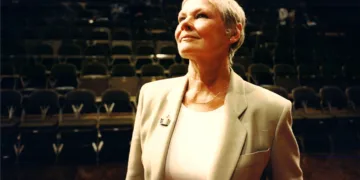

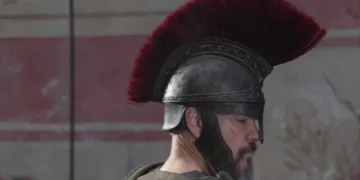
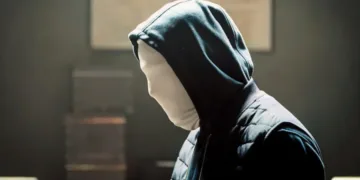
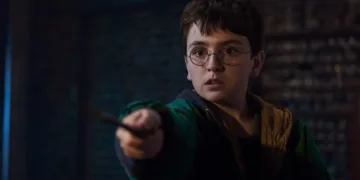







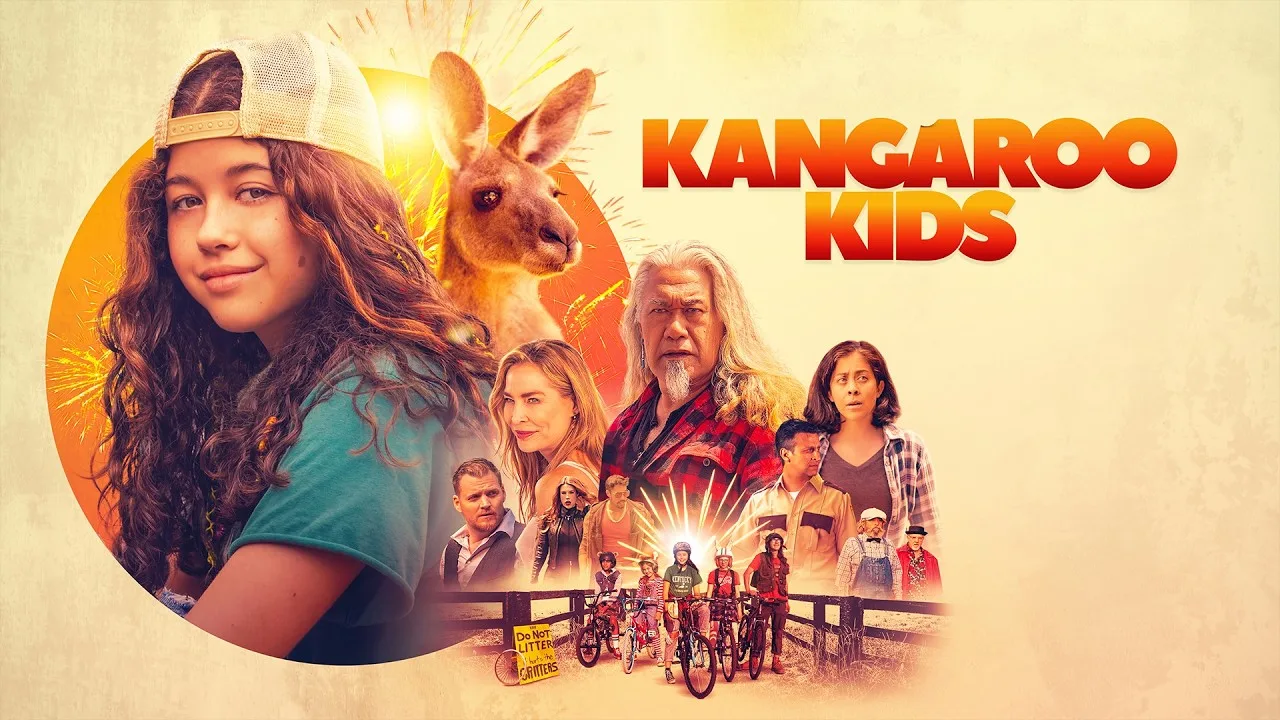

The air in this film carries dry hay, unpaid bills, and the pressure of a home sitting too close to foreclosure. We begin in a small zoo, a family-run place trying to survive while every empty enclosure feels like another warning sign. Audrey leads the management team, carrying the stress of the whole operation. Johnny, a thirteen-year-old orphan, lives with her there among the animals, treating the sanctuary like the closest thing she has to a permanent home.
Then Molly arrives. Molly is a kangaroo, and the zoo needs her to bring in money. Johnny recognizes something familiar in her, a creature searching for a place where she belongs. Their connection forms quickly, quietly, and with the kind of emotional clarity family films often chase.
Criminals are also watching Molly, planning to steal her, which turns this gentle setup into a conflict with real urgency. I remember the local animal parks from my own childhood, places that seemed to exist far away from city noise. This movie understands that feeling. It turns one modest zoo into a whole emotional universe.
Cinematic Ambition and Technical Scale
Fairai Branscombe Richmond gives this production a visual personality that feels bigger than expected. He steers clear of the flat, overly bright look common in many family features. Wide aerial shots open up the Kentucky landscape, giving the story room to breathe and making the zoo feel connected to a much larger terrain.
The film carries the spirit of an adventure picture, and that comes from camera choices that reach beyond simple coverage. Some movements have a rough, restless energy, which suits the story’s sense of danger and motion.
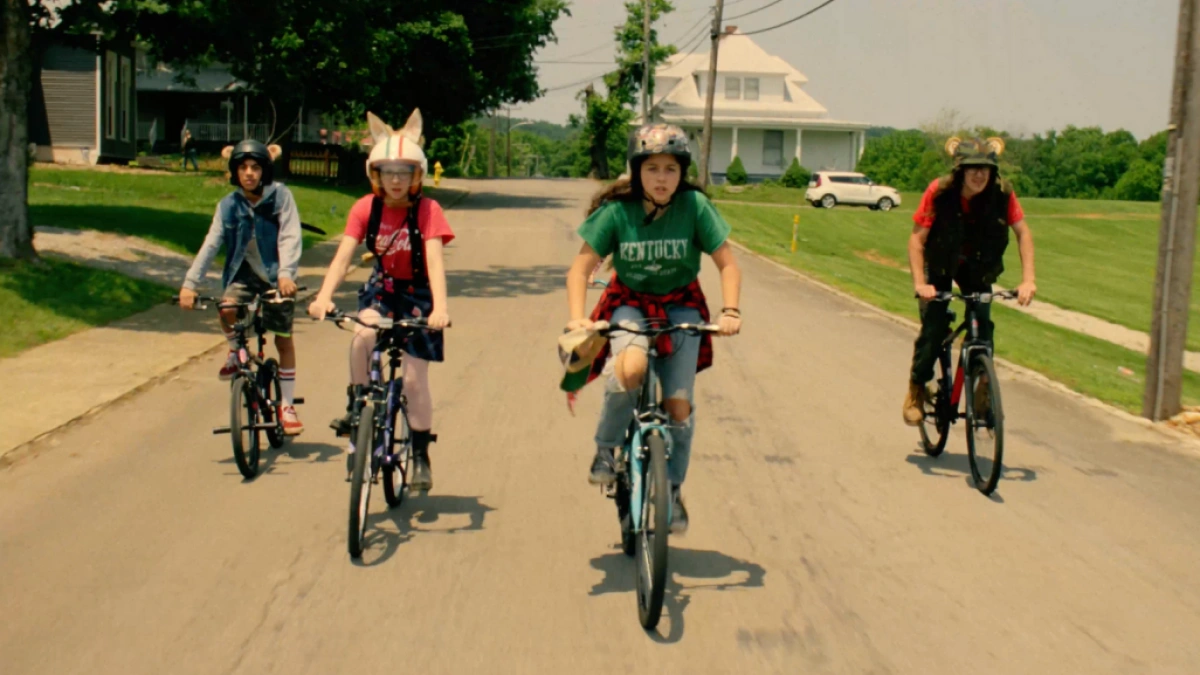
The action scenes land with particular force. The bike chase near the climax draws clear inspiration from eighties adventure classics, and the sequence has tight choreography, brisk filming, and a real sense of momentum. The sound design supports the tension during the heist scenes.
Layered audio, sharp effects, and sudden accents give the danger a physical edge. The editing has the unusual task of shaping a 140-minute family film, a length rarely seen in this genre. That running time gives the zoo and its people a lived-in quality. Some viewers may read the pace as slow. I read it as a sincere investment in place.
Richmond Family Films makes a technical statement here. Independent family cinema can carry scale, texture, and visual intent. The image has weight. The film avoids a slick studio finish, giving the zoo, the land, and the people a grounded feeling. Each frame suggests a clear artistic direction, with a handmade quality that fits the story’s attachment to home and community.
Dramatic Presence and Ensemble Synergy
Josefina Baeza gives the film its emotional spine. Her Johnny begins withdrawn, guarded, and uncertain of her place in the world. Through her friendship with Molly, she discovers strength that feels earned. By the end, she becomes a fierce protector, and the shift feels natural because Baeza keeps the performance quiet and grounded. She resists the oversized gestures that can make young characters feel artificial. Her work has patience, and that patience gives Johnny’s growth real power.
Branscombe Richmond plays Kodiak, the main antagonist, with strong charisma. His final monologue is lengthy and emotionally charged, the kind of scene that could have stalled the story if handled poorly. Richmond gives it movement and force, turning the speech into a moment that expands Kodiak’s presence.
Melissa Lugo brings steadiness to Audrey, making her the calm figure holding the zoo together through pressure and fear. Her romantic subplot with Steve the cop, played by Mike Perl, adds warmth to the management side of the story. Their chemistry gives the zoo’s survival a human dimension beyond money and logistics.
The Zooeys, the children who help Johnny, bring community into the frame. Their teamwork gives the film one of its brightest energies. They represent friendship as action, kids choosing to stand together because the place matters to them. The ensemble works with consistent commitment. The performers feel present inside this world, which helps the threat feel believable. The relationships build through shared purpose and emotional trust. They feel earned by the story rather than arranged for convenience.
Narrative Complexity and Shared Survival
The screenplay by Ryan Lieske and the Richmonds carries a lot of story. It follows several threads at once, and the first act takes its time before Johnny and Molly meet. That meeting arrives about forty minutes in, a risky structural choice for a film built around their bond.
The choice gives viewers time to understand the zoo first, its financial problems, its people, and the fragile ecosystem of care that surrounds it. The structure feels busy, yet its busyness comes from a clear desire to make the place feel full.
The plot brings in several villains and side stories. Jacob is a con artist working with a gold digger. They hire Kodiak and his team. The film also makes room for school bullies, an ill child, and a biker gang. That is a lot for one family adventure, and the screenplay keeps pushing outward, filling the margins with conflicts and personalities. The result is a story that treats the zoo as a community under pressure from many sides.
The main theme is survival. These characters are fighting for their home, their animals, and their chosen bonds. Johnny finds a parent figure in Audrey and a peer in Molly. The film uses those relationships to explore how belonging can form outside traditional family lines.
It also reshapes the heist framework for younger viewers, mixing humor, danger, and sincere emotion. This approach challenges the usual idea of a short, tidy family movie. It gives the Heartland a sense of scale and character, allowing every subplot to feed the feeling of a shared home under threat.
Kangaroo Kids arrived as a VOD and digital release on February 17, 2026. This family adventure follows Johnny, a thirteen year old orphan living at a struggling zoo in Kentucky. When a con artist attempts to steal the zoo’s famous kangaroo, Johnny and her friends fight to save their home. The production was filmed on location in Kentucky and features a story about friendship and survival. You can watch it on platforms like Amazon Prime Video, Google Play, and Vudu.
Where to Watch Kangaroo Kids (2026) Online





Full Credits
Title: Kangaroo Kids
Distributor: Scatena & Rosner Films, LLC
Release date: February 17, 2026
Rating: 13+
Running time: 104 minutes
Director: Fairai Branscombe Richmond
Writers: Ryan Lieske, Branscombe Richmond, Fairai Branscombe Richmond
Producers and Executive Producers: Branscombe Richmond, Garrett Z. Sutton
Cast: Josefina Baeza, Branscombe Richmond, Robbie Allen, Emily Ashby, Melissa Lugo, Michael Perl, Kathleen Kinmont, Steve Hodges
Director of Photography (Cinematographer): Bob Gilles
Editors: Fairai Branscombe Richmond
Composer: Josh Ginsburg, Timothy Kobza
The Review
Kangaroo Kids
Kangaroo Kids is a work of high ambition. It balances a busy script with a genuine spirit. The technical choices improve the story. It proves that family films can hold artistic weight. This is a sincere look at community and survival in the Heartland.
PROS
- Strong lead performance by Josefina Baeza.
- Wide aerial cinematography of Kentucky landscapes.
- Emotional depth in the central orphan bond.
- Energetic action choreography in the bike chase.
CONS
- Extended 140 minute runtime.
- Congested plot with numerous subplots.
- Slow pacing in the opening act.