




























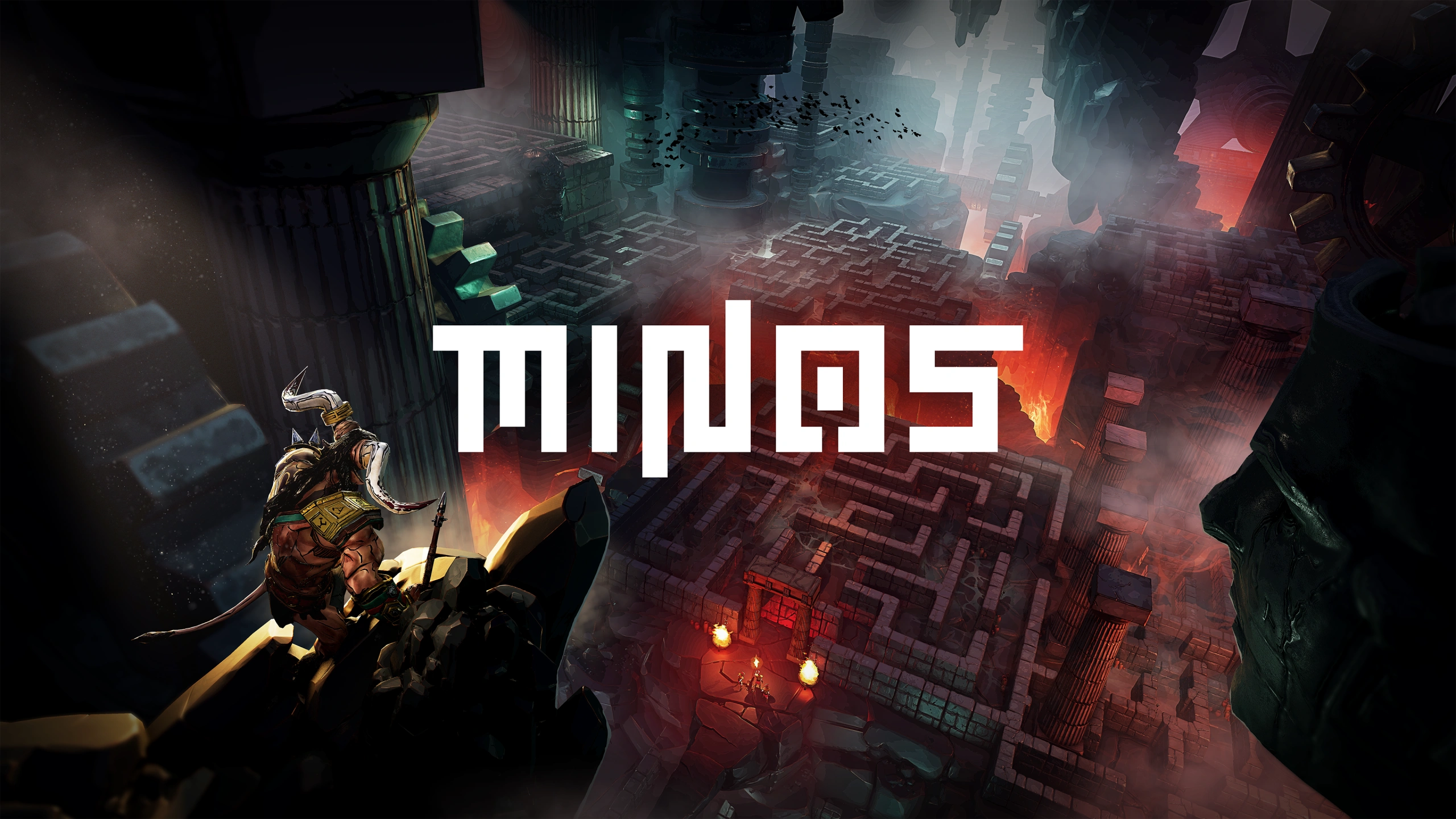

Minos offers a sharp reversal of the Eurocentric fantasy tradition. Standard heroic cycles place the player inside the familiar role of adventurer, conqueror, and light-bringer. This game shifts attention to Asterion, the misunderstood protector whose home has become a target for fame-hungry invaders.
You occupy an ancient maze designed by Daedalus, the legendary architect whose mythic authority gives the setting an immediate cultural weight. The maze functions as a sanctuary, a domestic and sacred space under siege. Between missions, meticulous voice acting carries the narrative, recounting the tragic history of the maze and the approaching arrival of Theseus.
That perspective change gives emotional shape to a figure classical literature often reduces to a mindless beast. Asterion becomes a guardian defending his own interior world. His task is direct: eliminate the heroes before they reach the inner sanctum. Greek mythology supplies a stable foundation for the defensive strategy structure.
Daedalus gives the game its narrative frame, guiding the architectural shifts of the maze and linking historical myth with active play. The result connects ancient oral tradition with modern digital interaction, treating myth as a playable system of space, memory, and violence.
Architectural Strategy: The Planning Phase
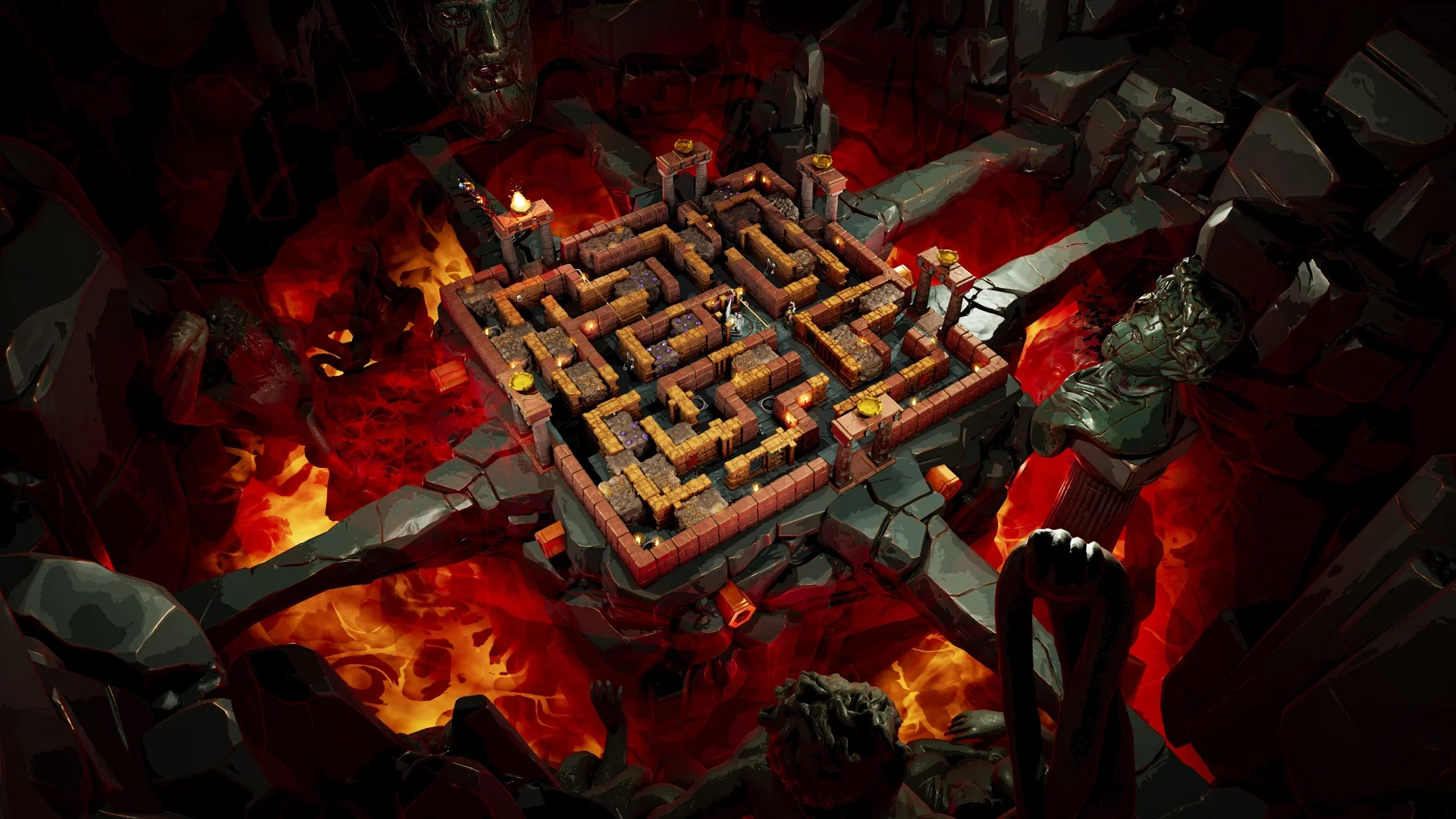
The planning phase has a methodical rhythm built around deliberation, spatial reading, and geometric control. Players reshape the environment by creating and destroying wall segments, redirecting the movement of each invading group. The phase gives players unlimited planning time, which creates a contemplative approach to space and geometry.
Enemy logic follows a clear rule: invaders choose the shortest possible route to the sanctuary. That predictability supports high level planning and turns the maze into a readable strategic text. Walls and obstructions carry different material properties. Some barriers cost energy to remove; others stand as permanent fixtures. The game provides a visual projection of the enemy path based on current wall placement, giving players a practical way to read the consequences of each architectural decision.
Strategic depth comes from splitting enemy groups, bending their route, or funneling them into specific kill zones. Energy costs for structural changes must be measured against the tactical value of the new path. The layouts are procedurally generated and frequently feel designed around deliberate bottlenecks. That interaction between system and fiction suits the Daedalus myth, where architectural precision becomes a form of intelligence.
The digital space becomes a contest of planning. The design rewards a slow, analytical pace and careful foresight. You act as architect and warrior, with success tied to your ability to anticipate the invaders’ movement. Structural control gives Minos a distinct identity among chaotic defensive titles. The layout becomes your strongest weapon.
Engineering the Hunt: Traps and Tactical Combat
Engineering the hunt demands a sophisticated understanding of mechanical cause and effect. The defensive toolkit is broad and expressive. You can use floor spikes, ballistae, and rolling boulders, along with thematic hazards such as siren statues and Medusae heads. A complex linking system lets traps interact across the maze.
Pressure plates can activate gates or secondary hazards, creating lethal chain reactions that resemble grim Rube Goldberg machines. Different enemy classes demand specific tactical answers. Siren statues affect soldiers. Archers remain immune.
Thieves can bypass ground traps through agility. The Dismantler class creates a serious threat because these enemies can disable active defenses. They require quick prioritization if you want to preserve structural integrity. When the mechanical line collapses, Asterion can enter direct combat. Large groups can still overwhelm him. The game’s strongest play comes from the efficiency of the trap network. The ideal defensive performance leaves the monster free from physical intervention.
Systems define the tactical texture through timing, placement, and anticipation. Watching a perfectly timed sequence of traps tear apart a large horde delivers a deep sense of satisfaction. The game rewards creativity in how tools are combined, and each wave becomes a resource-limited puzzle. The gore and mechanical cruelty fit the dark mythical setting. Combat works as a secondary safety net, with trap design carrying the main pressure of the experience.
Progression Systems and Technical Execution
Progression in Minos relies on several currencies gathered through successful defense. Gold purchases new traps. Experience points support skill upgrades for Asterion. Blood offerings to deities grant powerful rewards. These systems make failed runs feel productive by feeding long term growth. Metaprogression adds resources for permanent stat increases and new unlocks.
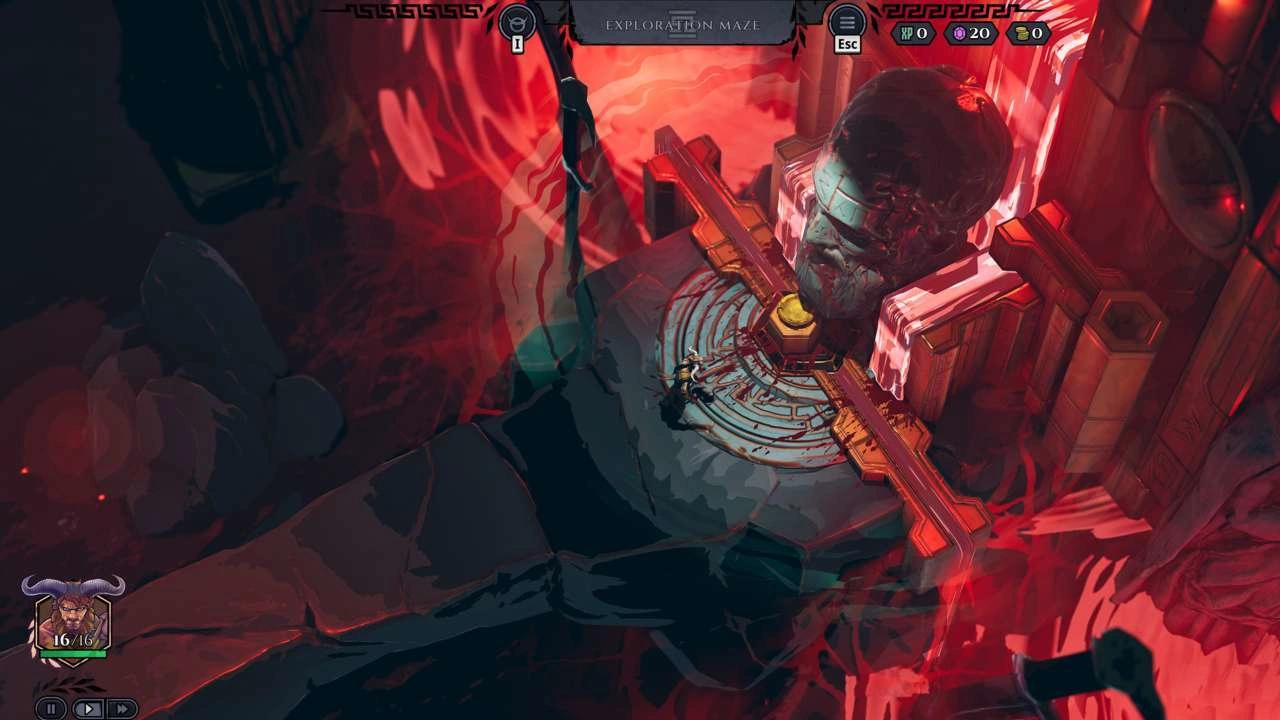
Visually, the game uses an isometric perspective with clean, readable environments. Asterion’s character design makes one curious aesthetic choice. He appears as a human-faced Satyr, departing from the traditional bull-headed monster. The shift weakens his imposing presence and feels like a missed opportunity. Audio design remains a strength. High quality voice work and clear environmental cues help you follow events across the map.
Trap activations can be heard off screen, which matters in a game built around distributed systems. Technical issues persist in the interface. Links between multiple pressure plates are difficult to track without stronger visual aids.
Permanent walls and player-placed walls lack enough distinction, which can create confusion during construction. Controller support works. The menu-heavy process of selecting traps feels slow. These frustrations are minor. The core loop remains addictive for fans of methodical strategy. Minos carves out its own space within the genre.
The Review
Minos
Minos succeeds by transforming ancient myth into a rigorous exercise in spatial logic. While the visual interpretation of its protagonist is unconventional, the depth of its mechanical systems rewards the patient architect. It values foresight over reflexes. The deliberate pace and intricate trap linking offer a satisfying alternative to more frantic genre entries. Minor interface issues and visual repetition exist, but the core strategic loop remains a strong subversion of the traditional hero's quest.
PROS
- Deep tactical planning phase
- Intricate trap linking mechanics
- Engaging mythological perspective shift
- Strong voice performance
CONS
- Unconventional character design
- Clunky trap placement menus
- Limited visual clarity for wall types
- Overtuned enemy classes