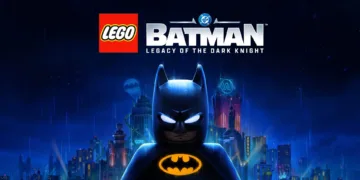

























The worldwide reach of Hollywood superhero mythology finds a strange and lively counterpart in the Danish tradition of block-based play. LEGO Batman: Legacy of the Dark Knight, developed by TT Games, becomes a plastic comic riff on classic comic book and screen history.
The game moves toward cinematic polish through modern graphics technology, translating grim Western folklore into a visual language built for international recognition. Its tone rests on playful respect and affectionate mockery, treating Batman’s solemn mythology as material that can be snapped apart and rebuilt.
That approach gives the experience its cultural charge. Western audiences have long associated the Caped Crusader with brooding psychological weight, and this version converts that intensity into physical comedy. The game respects the source material and punctures its seriousness with toy-box clarity. The result speaks across generations, suggesting that global pop icons can change shape and still retain their meaning.
Cinematic Collages and Visual Textures
The narrative works as an original story assembled from famous big-screen fragments, almost like a toy-brick model of Hollywood memory. The campaign draws from the 1989 film, the 2000s trilogy, and the 2022 film, placing several cinematic eras inside one playful structure. Its episodic pacing recalls standalone comic book issues, giving each chapter a self-contained rhythm.
The middle sections sometimes feel disconnected before the final act gathers the thematic pieces into a clearer pattern. That fragmentation resembles the way international audiences often encounter comic media through translated anthologies and borrowed cultural references.
The game replaces dark existential weight with physical slapstick, meta-jokes, and unexpected phone pranks. Voice work gives the comedy its timing, especially Shai Matheson’s deadpan Batman and Matt Berry’s melodic, absurd Bane. Classic musical motifs from earlier films and animated series create instant recognition, using sound as a shared cultural shortcut.
Unreal Engine 5 gives that nostalgia a striking visual frame. Rain reflections on city streets sit beside microscopic toy details, from scuffed plastic heads to cloth cape textures. This visual tension links hyper-real cinema aesthetics with tactile toy simulation. It makes Gotham feel like a film set rebuilt on a child’s floor. Post-launch updates resolved minor console performance dips, giving the presentation a steadier technical base.
Mechanical Adaptation and Family Cooperation
The gameplay translates sophisticated industry design into a format built for broad access, showing how complex mechanical loops can travel across age groups and gaming habits. Free-flow combat adapts a simplified version of mainstream action design popularized by contemporary Western studios. Counter buttons, timed parries, and high combo counters move the action past basic button-mashing. The result creates an interactive rhythm that echoes cinematic fight choreography.
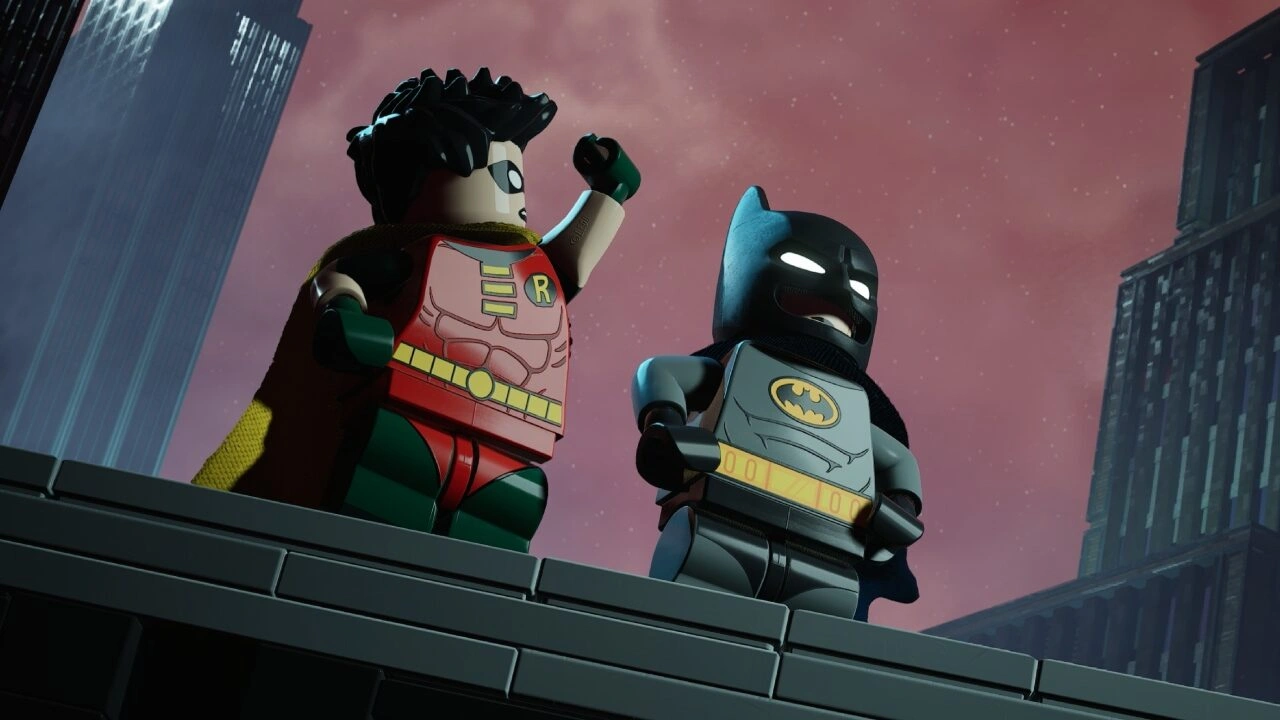
Forgiving stealth mechanics support that rhythm. Avoiding enemy sightlines lets players bypass fights efficiently, and the game rewards this approach with currency. Action and stealth serve the same accessible design philosophy, giving younger or less experienced players room to experiment without flattening the experience for skilled players.
The primary cast is limited to seven specific heroes, including Nightwing, Batgirl, Catwoman, and Jim Gordon. This focused roster gives each character clearer purpose through skill trees and gadget use. Catwoman uses trained cats to reach tight vents, and Batgirl uses security hacking tools to bypass electronic barriers. Character identity becomes mechanical logic, with personality traits and abilities shaping how puzzles are solved.
The full campaign supports local couch cooperative play, making it especially strong for family sessions across generations. Online multiplayer functionality is absent, placing emphasis on shared physical space. That choice echoes the tactile tradition of building toys together at home. Through co-located play, the game translates complex design traditions into a format that can travel easily across households and cultures.
Urban Cartography and Material Progression
Gotham City becomes an architectural caricature, organized as grid-based islands linked by bridges. This rigid geometry turns the iconic metropolis into an orderly playground, stripping away much of its traditional gothic sprawl. The missing active mini-map during transit can make specific routes difficult to track, pushing players toward landmark reading. That friction gives exploration a slightly old-fashioned quality, closer to learning a city by sight than following a constant digital guide.
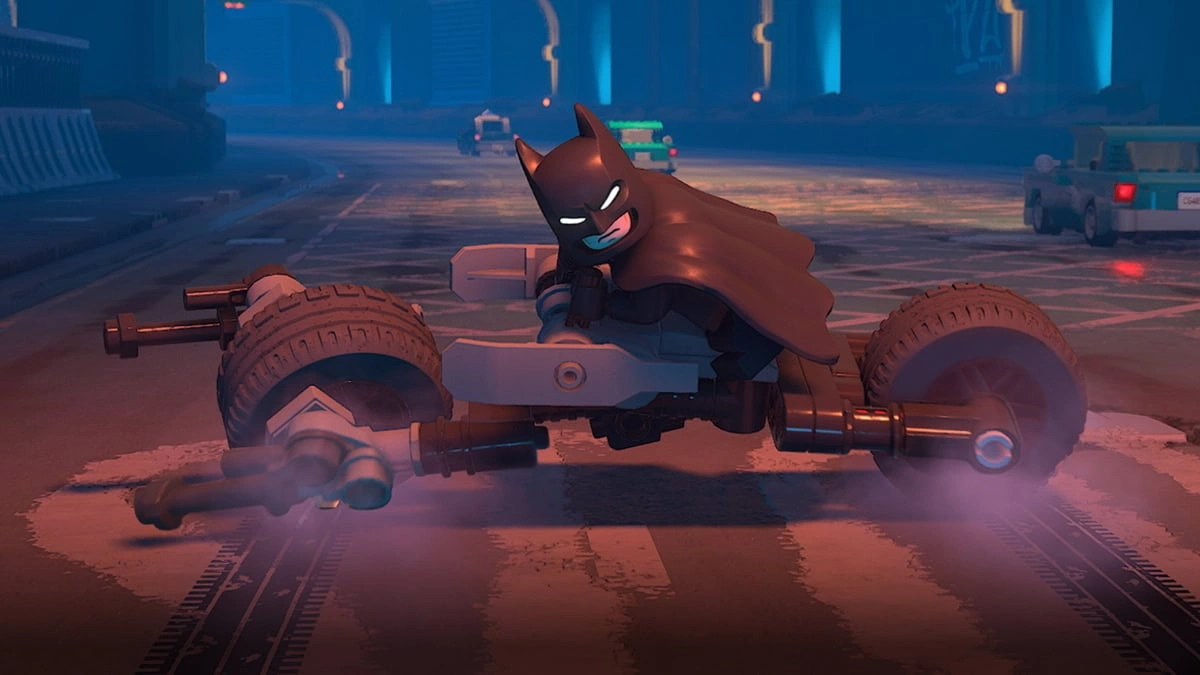
Optional open-world tasks fill the map with steady activity. Shape-matching forensic puzzles, mini-heists, and hidden villain-themed trophies create a progression loop that keeps the space active. The city works as a toy-scale interpretation of urban myth, where crime, collection, and comedy share the same streets.
The Batcave functions as a customizable base of operations where unlocked rewards can be displayed. It acts like a virtual museum of comic history, turning progress into exhibition. This hub connects directly to Bat-Mite’s specialty shop, where collected currency buys base decorations and 100 character uniforms drawn from comic and theatrical history. The system feeds a familiar global appetite for digital collection and personalization.
Challenge modes reshape the game for experienced players. Dark Knight Mode changes progression by making character skill upgrades necessary for survival. That shift pushes players to optimize builds and engage deeply with the systems. In a game built from comedy, nostalgia, and plastic spectacle, the harsher mode reminds players that mechanics still carry meaning. Batman’s mythology may be playful here, yet the design retains the disciplined structure expected from modern action games.
The Review
LEGO Batman: Legacy of the Dark Knight
TT Games successfully reconfigures cinematic history into an accessible, visually spectacular playground. The polished mechanics, expressive character details, and engaging local cooperative play provide a satisfying interactive experience for families and enthusiasts alike. Minor navigation difficulties and episodic narrative fragmentation slightly slow the mid-game pacing, yet the high-level challenge options and deep customization options reinforce its structural strength. It stands as an exceptional celebration of comic book culture.
PROS
- Spectacular visual detail powered by Unreal Engine 5.
- Accessible yet satisfying free-flow combat and stealth systems.
- Focused seven-hero roster with distinct skill trees and specialized gadgets.
- Excellent local cooperative play for family sessions.
CONS
- Complete absence of online multiplayer functionality.
- Fragmented narrative pacing during middle campaign chapters.
- Difficult route tracking due to the lack of an active transit mini-map.