
























![Kingdom Hearts Collection [I-III] Review](https://gazettely.com/wp-content/uploads/2026/10/Kingdom-Hearts-Collection-I-III-1-360x180.webp "Kingdom Hearts Collection [I-III] Review: KHII Holds Steady as Newer Entries Fluctuate 37")



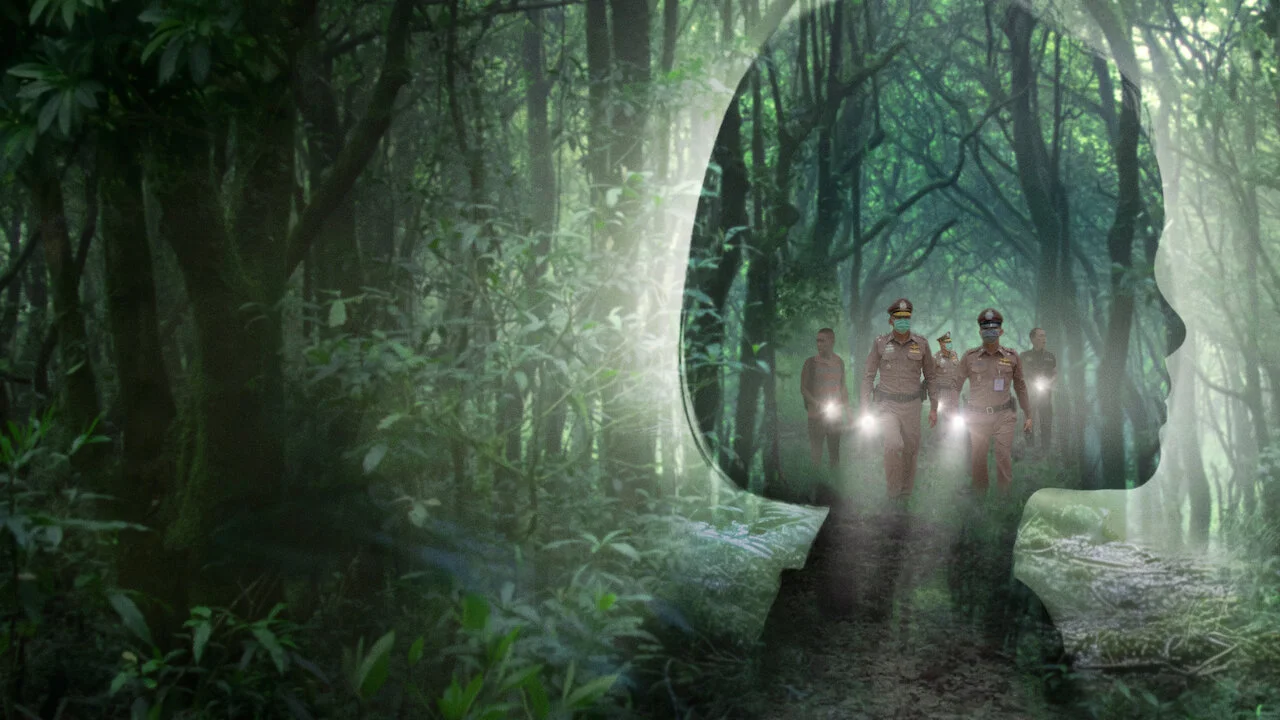

The sharpest structural choice here is also the source of the film’s biggest weakness: the murder investigation keeps giving way to the story of everything that gathered around it. Director Nontawat Numbenchapol begins with the 2020 disappearance of three-year-old Orawan “Nong Chompoo” Wongsricha from Kok Kork village in Thailand’s Mukdahan province. Three days later, her naked body was found in a forest roughly 1.8 kilometres from home, far beyond a distance investigators believed she could have travelled alone.
That should give Chompoo: Lost and Forgotten a straightforward investigative spine. Instead, the film watches that spine buckle beneath television crews, YouTubers, amateur detectives, tourists, supporters, rumors, and a police investigation whose limited public transparency created room for increasingly wild speculation.
The setting matters. Kok Kork is a small rural community where many residents belong to extended families, and there were no security cameras waiting to offer investigators an easy timeline. Into that evidentiary vacuum came people eager to manufacture one. A reporter questioning a mentally disabled villager about possible involvement captures the problem with brutal efficiency. The search for information has already become a search for usable footage.
Grief Becomes Evidence
Numbenchapol is strongest when he shows how quickly public observation turns into amateur prosecution. Chompoo’s mother becomes suspicious to viewers because her expressions fail to match whatever performance of grief strangers have decided a bereaved parent should provide. Her face becomes evidence without ever entering an evidence bag.
That strand gives the documentary its clearest argument. Television reporters and online personalities repeatedly interpret gestures, reactions, and personality traits as clues. Media analysts and criminologists appear between archival footage to explain how sympathy and suspicion can move faster than verified facts. The experts are useful because the raw footage is so absurd that explanation occasionally feels necessary.
The problem is that Numbenchapol sometimes lets the spectacle consume his film in much the same way it consumed the case. Chompoo’s father, Anamai, brings the story back to the human damage through his testimony, yet the family can disappear for long stretches while cameras follow the stranger developments outside their home.
That imbalance may be intentional, but intentional structure can still carry a cost. Every minute spent watching outsiders turn Kok Kork into content is another minute in which Chompoo becomes harder to see.
The Rise of Uncle Phon
Nothing exposes the machinery of the media frenzy better than Chaiphol Wipha, Chompoo’s uncle by marriage, better known as Uncle Phon. He participated in the search, became a suspect, and somehow developed into a celebrity while the investigation remained active.
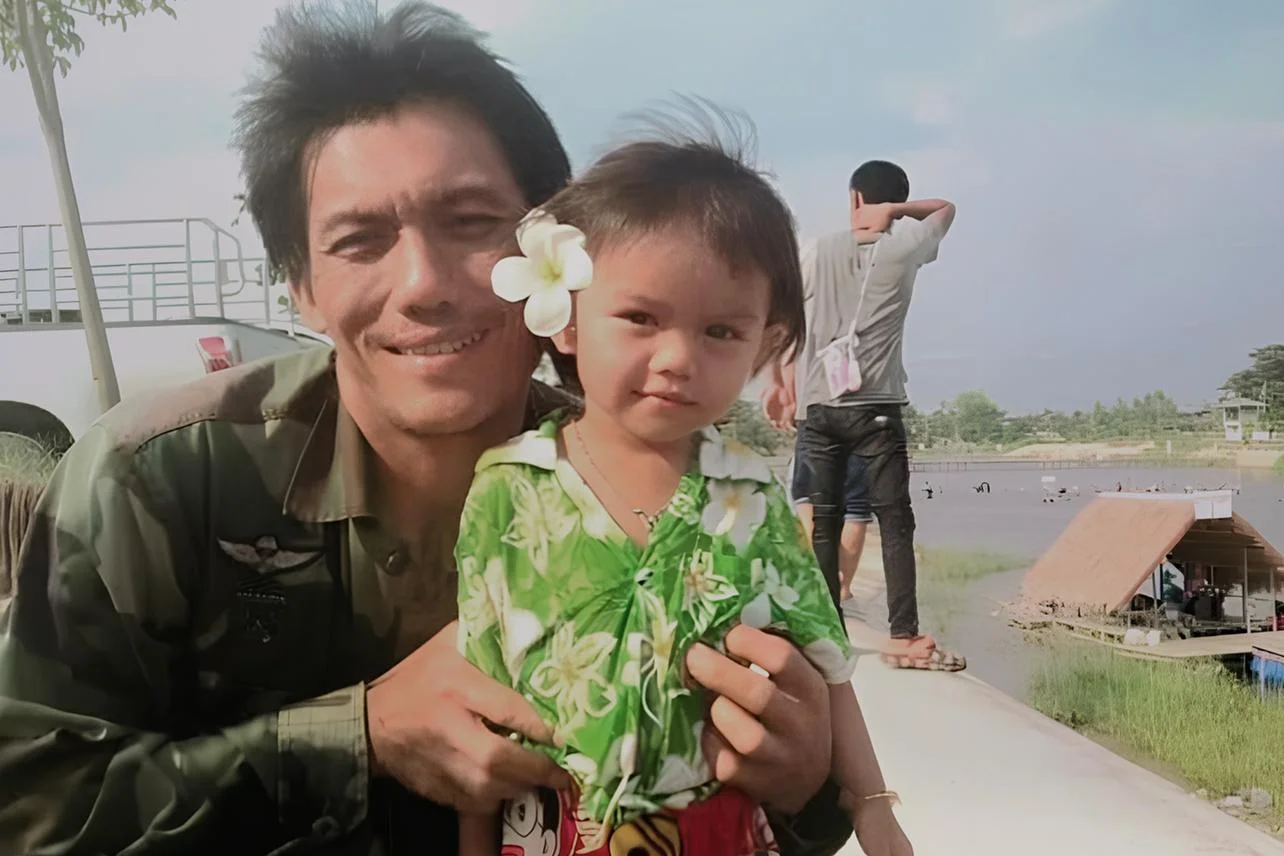
The footage documenting that transformation would seem ridiculous in a satire. Admirers arrive in the village. Donations follow. Phon sings. Visitors gather around him. His looks and apparent charisma become subjects of public discussion. Vendors and livestreamers help transform the village into something resembling a tourist destination built beside an unresolved child death.
Numbenchapol wisely avoids manufacturing dramatic reenactments because none could match the strangeness already sitting in the archive. Watching Phon perform for cameras while supporters surround him says plenty about how personality can replace evidence once an investigation becomes serialized entertainment.
The director runs into an ethical problem of his own when he seats Phon for a prominent interview. After showing television and social media outlets turning this man into a character, the documentary gives him another camera, another audience, and considerable screen time.
His answers provide limited insight into his possible motive or actions, and the questioning rarely develops the pressure one expects from such extraordinary access. The contradiction is almost too neat. A documentary criticizing the construction of Uncle Phon discovers that Uncle Phon remains extremely difficult to stop filming.
Where the Investigation Thins Out
The missing investigative detail becomes harder to ignore once the documentary reaches Phon’s prosecution and conviction. We hear about inconsistencies in his statements, questions surrounding his movements, hair evidence connected to Chompoo, and testimony reportedly placing him around the forest. What we receive far less of is a clear account of how those pieces fit together.
The hair evidence is especially frustrating. The film references its significance without giving viewers enough scientific explanation to judge how strongly it connected Phon to the crime. The autopsy receives limited attention too, while witness testimony that appears central to reconstructing his movements never gets the examination it deserves.
This creates a strange imbalance in a documentary so concerned with irresponsible certainty. The film spends considerable time showing people reaching conclusions without enough information, then leaves its audience with an incomplete picture of the evidence behind the court’s decision.
Its chronology can be similarly slippery. The documentary moves among the initial search, the discovery of Chompoo’s body, Phon’s growing fame, interviews, online theories, legal developments, and appeals. Sometimes that fragmentation captures the information overload surrounding Kok Kork. Elsewhere it simply makes the case harder to reconstruct.
Numbenchapol understands exactly how a tragedy became entertainment. His cameras are less successful at rebuilding the investigation buried underneath it. The media story has a clean dramatic arc: grief becomes content, a suspect becomes famous, and public attention outruns facts. The murder case itself remains full of missing connective tissue. That is a peculiar flaw for a true-crime documentary about people filling gaps with stories.
Chompoo: Lost & Forgotten premiered globally on Netflix on August 20, 2026. Serving as Netflix Thailand’s first original true-crime documentary feature, the film examines how the tragic 2020 disappearance and death of three-year-old Orawan “Nong Chompoo” Wongsricha morphed into an unprecedented media circus and social media frenzy.
Where to Watch Chompoo: Lost & Forgotten (2026) Online


Full Credits
Title: Chompoo: Lost & Forgotten
Distributor: Netflix
Release date: August 20, 2026
Rating: TV-MA
Running time: 1 hour 30 minutes
Director: Nontawat Numbenchapol
Writers: Nontawat Numbenchapol
Producers and Executive Producers: Chanyasinee Tangsuppamongkol, Soros Sukhum, Raymond Phathanavirangoon
Cast: Orawan Wongsricha, Chaiphol Wipha, Sawitree Wongsricha, Anamai Wongsricha
Director of Photography (Cinematographer): Rimvydas Leipus
Editors: Lee Chatametikool
Composer: Karn Kasidej
The Review
Chompoo: Lost & Forgotten
Chompoo: Lost and Forgotten finds its sharpest material once Kok Kork stops resembling a crime scene and starts resembling a content factory. Footage of Uncle Phon singing for admirers, reporters pressing villagers, and strangers judging Chompoo’s parents gives the film a chilling structural argument about spectacle consuming evidence. The trouble is that the documentary then sidelines its own investigative spine. Hair analysis, witness testimony, autopsy findings, and the case against Phon remain frustratingly thin. The media circus is dissected with precision. The murder case receives something closer to footnotes.
PROS
- Sharp critique of media exploitation
- Disturbing Uncle Phon footage
- Strong focus on trial by public opinion
- Effective depiction of Kok Kork’s transformation
- Powerful family testimony
CONS
- Thin forensic explanation
- Murky investigative chronology
- Limited scrutiny of key interviewees
- Chompoo sometimes recedes from focus








Hi, Scott
I think there are problem with the credits you provided. Cinematographer of Chompoo is Rimvydas Leipus.
Hi Rimvydas,
Good catch, and thank you for taking the time to comment! We’ve corrected the DP credit in the piece. Truly appreciate you reaching out.