




























Setting a supernatural horror movie around NFTs in February 2021 is almost too perfect. That was the moment when digital ownership could inspire fortunes, arguments, memes, and an impressive amount of vocabulary nobody wanted explained at parties. Writer-director Jonas Odenheimer recognizes the strange cultural energy of that period in NFT: Cursed Images, then spends far too much of his 74-minute movie explaining it.
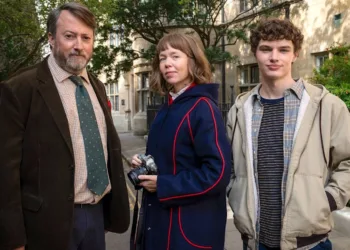
The setup is simple enough. Kit (Patrick Shearer) invites a group of friends to his London flat, where cryptocurrency success has apparently become a personality trait. James (David Wayman) has recently returned after leaving his former girlfriend Cass (Mariah Nonnemacher), while Julia (Jasmine Clark) arrives with Nes (Nobuse Jnr). Sarah (Amelie Edwards) has history with Kit, and Dan (Durassie Kiangangu) occupies the least glamorous position in the group because he has not made the same money from crypto.
Then Kit receives seven NFTs from an account called Crypto Horrors. He keeps one and distributes the others among his friends. Sarah recognizes the collection, which reportedly contains 666 cursed images. Ownership comes with an unpleasant condition: discover what your specific image wants and how to survive it before whatever is depicted starts hunting you. That premise needs surprisingly little explanation. The movie disagrees.
Death by Exposition
James knows less about NFTs than everyone else, which allows the screenplay to turn him into an audience surrogate. Unfortunately, the conversations around him frequently sound like characters reading the FAQ section of a cryptocurrency website aloud.
The problem is structural rather than informational. Exposition works best when learning something changes the immediate stakes. Here, lengthy discussions of wallets, trading, speculation, and NFTs arrive before the cursed images become active, so the film delays its own hook while introducing relationships that remain equally vague.
James and Cass have unresolved romantic history, yet the circumstances surrounding his departure never become concrete enough to make their reunion hurt. Kit still has feelings for Sarah, though their relationship exists mostly through suggestions. Nes mocks Dan for having less money, and that conflict gives the party its sharpest human dynamic because Dan actually pushes against the group’s assumptions.
Kiangangu benefits from playing the person most likely to react like an actual human being. Once disturbing events begin, Dan treats them as something requiring investigation rather than another excuse to wander through London alone at an absurd hour.
The script keeps needing everyone isolated, which becomes increasingly visible as a storytelling mechanism. Rides fail. People separate. Doors open at conveniently useful moments. Characters who suspect that supernatural creatures are hunting them still behave as though asking someone to walk home would violate British law.
Horror depends heavily on characters making bad decisions, but those decisions need emotional or situational pressure behind them. Here, you can sometimes feel the screenplay moving people into position for the next scare.
The Pixels Become Monsters
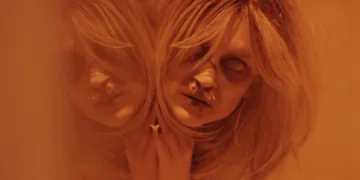
The frustrating part is that the scares have something going for them once the cursed images finally materialize. Odenheimer and cinematographer Michael Edo Keane make good use of empty London streets after dark. Saturated orange light clashes with deep blues, giving otherwise ordinary locations a heightened, slightly unreal quality. Those colors matter once the creatures appear because their bodies feel displaced from the world around them.
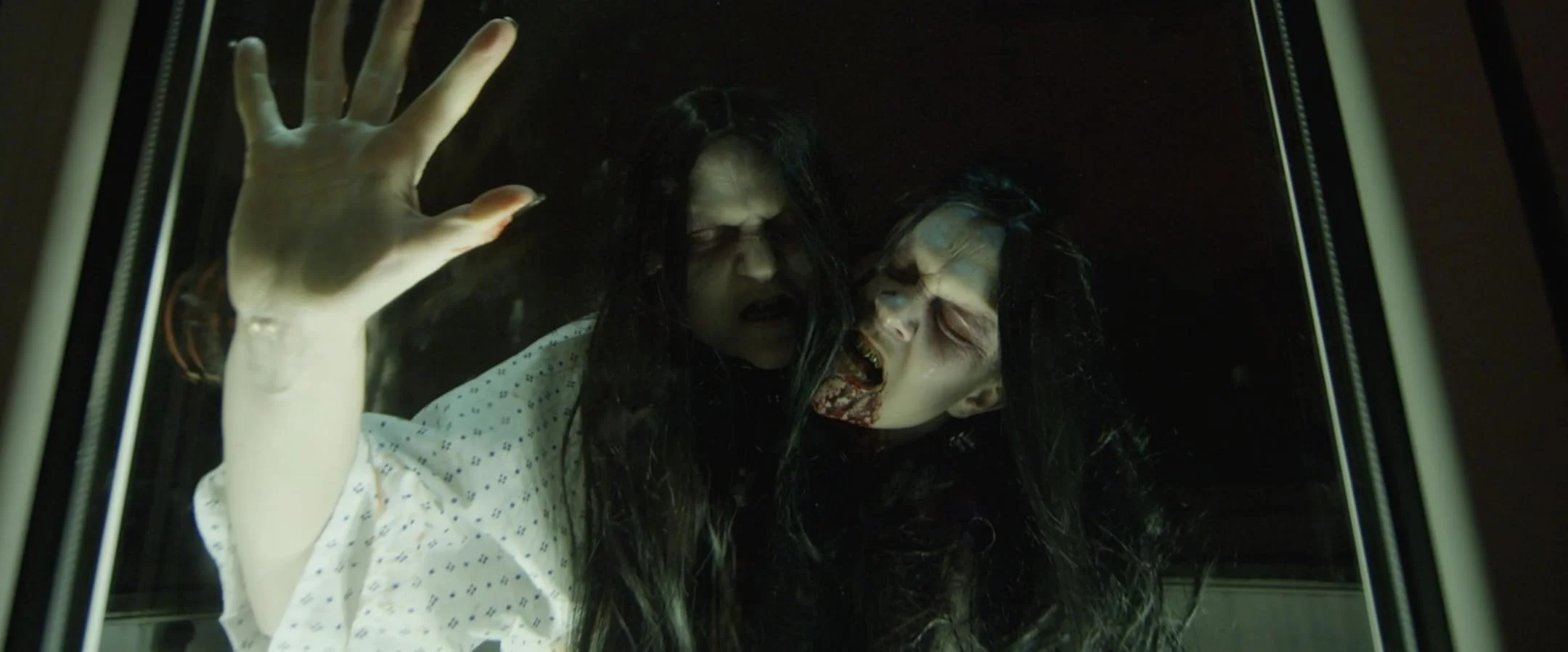
The manifestations themselves are the movie’s best idea realized properly. Contortionist movements, glitch effects, distorted silhouettes, and unnatural physical poses translate the logic of corrupted digital imagery into practical horror. A picture becoming three-dimensional sounds like an easy route to cheap CGI. Instead, the creatures often look tactile enough to create genuine unease.
Then the editing backs away. Several confrontations lean on conventional jump-scare placement, while potentially nastier moments happen outside the frame. The restraint might work if the movie were building psychological dread, yet the creature designs are precisely what deserve sustained attention.
The mythology creates another problem. Dan discovers that each image draws from a different cultural legend and carries its own method of survival. That revelation could have transformed the second half into a series of distinct supernatural puzzles, with every character forced to understand the specific thing attached to their NFT.
Instead, the idea arrives late and remains sketchy. The timing of the curse changes between victims, and rules concerning ownership become murky when an image appears capable of threatening someone other than its assigned holder. For a movie built around blockchain ownership, being unclear about who technically owns the murderous asset is quite a glitch.
The Movie Hiding in the Wallet
There is a sharper horror concept inside this material. Receiving a cursed NFT could force someone to sell or transfer it to another person, turning survival into a moral transaction. Suddenly the speculative mentality surrounding crypto would have dramatic weight. How much is your life worth if staying alive requires knowingly passing death to someone else?
NFT: Cursed Images rarely pressures its characters with that question. Their deaths are not clearly tied to greed, arrogance, exploitation, or financial obsession. The cursed objects happen to be NFTs, yet they could often be replaced with haunted photographs without altering much of the story.
The film finally starts expanding the Crypto Horrors mythology near the end, suggesting different legends, specific rules, and enough supernatural entities to support a larger world. Then attention shifts back toward relationship drama involving people the screenplay has barely developed. That choice leaves its strangest creation waiting on the screen: grotesque digital figures twitching their way into physical existence while the humans around them remain considerably less defined.
NFT: Cursed Images premiered digitally on March 6, 2026, and is available for streaming on platforms such as Apple TV and Amazon Prime Video. The horror feature follows a group of London friends who acquire an exclusive digital art collection, only to discover that the grotesque creatures within the tokens have manifested into reality to hunt them down.
Where to Watch NFT: Cursed Images (2026) Online





Full Credits
Title: NFT: Cursed Images
Distributor: Uncork’d Entertainment
Release date: March 6, 2026
Running time: 1 hour 13 minutes
Director: Jonas Odenheimer
Writers: Jonas Odenheimer
Producers and Executive Producers: Jonas Odenheimer, James Hoang, Naseer Din, Chloe Kim, Mariah Nonnemacher
Cast: Najarra Townsend, David Wayman, Mariah Nonnemacher, Durassie Kiangangu, Amelie Edwards, Nobuse Jnr, Patrick Shearer, Jasmine Clark
The Review
NFT: Cursed Images
NFT: Cursed Images has a horror premise I genuinely wanted to see pushed further. The glitching creatures, contorted movements, and Michael Edo Keane’s orange-and-blue London nights prove how effectively digital imagery can become physical menace. The screenplay gives those ideas too little room, burying them beneath crypto exposition, thin relationships, convenient character separations, and curse rules that shift whenever the next scare needs them. There is a nastier, smarter movie hiding somewhere inside these pixels.
PROS
- Effective creature designs
- Strong nocturnal cinematography
- Clever cursed-NFT premise
- Dan feels comparatively grounded
CONS
- Heavy crypto exposition
- Inconsistent supernatural rules
- Thin character relationships
- Predictable isolation tactics
- Underdeveloped mythology