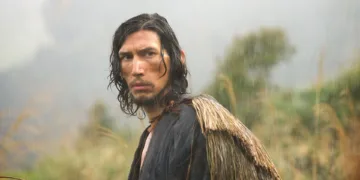

















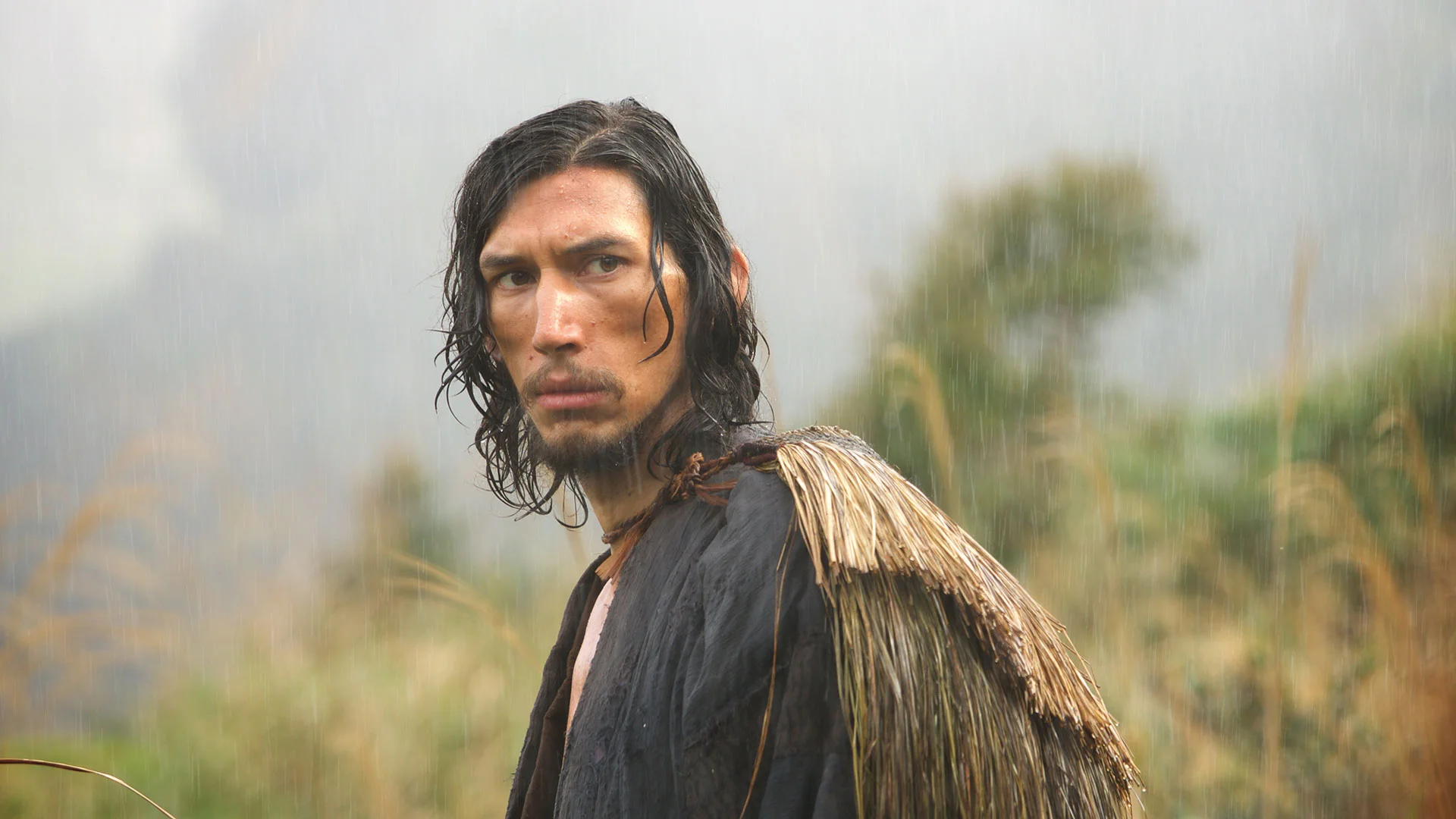
Adam Driver and director Steven Soderbergh spent two and a half years developing a standalone Ben Solo “Star Wars” film without pay, Driver says, before Disney rejected it. Driver described the unpaid work on the “Talk Easy with Sam Fragoso” podcast. He said then-Lucasfilm president Kathleen Kennedy had assured them of a “100% approval rate,” which gave them confidence to keep going. “No one’s paying us to work on it,” he said, adding that love for the character drove the effort and the money questions would come later. The team tried to design the film cheaply so the studio would let them make it as they wished.
The project, titled “The Hunt for Ben Solo,” would have followed Kylo Ren after 2019’s “The Rise of Skywalker.” Driver first disclosed its existence to the Associated Press in October 2025. He said Kennedy, Dave Filoni and Cary Beck backed the idea until Disney shut it down. Driver said the explanation he received was that Ben Solo was dead. Soderbergh has said the three-person team of himself, Driver and writer Rebecca Blunt gave the film two and a half years of free work. He urged Driver to describe what happened without speculating on motives. The director added that the budget was never discussed.
Driver’s tone toward Disney has been sharp. He told the AP it was “criminal” to scrap the film, yet told “The Rich Eisen Show” the project is dead and he has no wish to revive it, saying the ship had sailed. He called the script the standard of what a “Star Wars” film should be, comparing its handmade, character-driven feel to “The Empire Strikes Back.”
Fans refused to let it go quietly. Supporters flew a plane over Disney’s Burbank offices and bought Times Square billboards, a response Driver said blew him away. He has also said the cancellation pushed him to start his own production company.
Disney has not publicly addressed the account in the coverage reviewed. Driver’s own words stop short of blaming individuals, since he has said he will not guess at another person’s intentions. The unpaid work also underlines a common risk in studio development, where talent often invests time before a film is formally greenlit.