


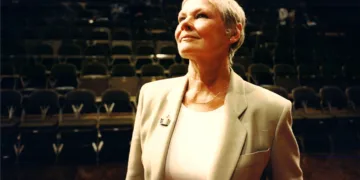









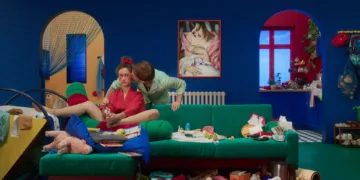


















Kaveh Daneshmand’s Endless Summer Syndrome presents a family drama set in the French countryside, creating an atmosphere that defies immediate comfort. Daneshmand’s initial film explores subtle tension and intimate moments, with each quiet scene suggesting deeper, more sinister undertones. The story goes beyond a typical family vacation, instead examining relationships, trust, and the hidden dynamics that can fracture an apparently perfect household.
The narrative blends family drama with psychological tension, focusing on Delphine (Sophie Colon), a mother who receives a disturbing phone call exposing a taboo secret about her husband, Antoine. This revelation triggers a sequence that dismantles the family’s seemingly seamless exterior.
The picturesque French landscape—with expansive gardens, a poolside area, and warm golden light—creates a stark contrast to the growing emotional strain. While the family’s affluence and beautiful setting initially suggest stability, the environment gradually becomes oppressive as Delphine’s increasing anxiety permeates previously secure spaces.
The intentional juxtaposition between sun-drenched scenes and mounting unease highlights the emotional complexity of the narrative. The setting transcends mere background, becoming an active element in the psychological disintegration, infusing significance into every glance and interaction, as if the house itself participates in the family’s gradual breakdown.
Plot and Narrative Structure: A Family Torn Apart by Secrets
Endless Summer Syndrome explores a family drama that begins with an apparently peaceful summer vacation, quickly transforming into a deep investigation of trust and betrayal. The story starts with a tranquil scene of Delphine, her husband Antoine, and their two adopted children enjoying time in the French countryside.
A phone call shatters their calm exterior. An anonymous woman speaks with quiet urgency, revealing a shocking truth: Antoine admitted to an inappropriate relationship with one of their adopted children. The narrative shifts, introducing a psychological exploration where suspicion grows beneath each interaction.
The initial revelation creates an intense emotional landscape. The news arrives softly, almost silently, which intensifies its impact. Viewers remain uncertain about the allegations’ truth, generating heightened tension. Delphine’s reaction suggests underlying family complexities, hinting that fractures existed previously, hidden from immediate view.
The storytelling weaves between different time periods, using witness accounts and memory fragments. An opening scene presented as a future testimony removes traditional narrative surprise while compelling viewers to understand the family’s disintegration.
Fragmented storytelling allows gradual exposure of hidden details, with Delphine’s increasing anxiety prompting her to re-examine past moments through a lens of suspicion.
Rhythm becomes central to maintaining narrative tension. The initial relaxed atmosphere—filled with sunlight and warmth—slowly transforms into an oppressive environment. Subtle family interactions gain profound emotional significance.
Daneshmand crafts each moment carefully, allowing dread to accumulate without rushed revelations. Quiet scenes become pregnant with potential danger, creating a persistent sense of impending collapse.
Character Analysis and Performances: Unraveling the Façade
Delphine, portrayed by Sophie Colon, anchors Endless Summer Syndrome with a gripping and intricate performance. She begins as a composed lawyer and dedicated mother who has constructed an apparently flawless family.
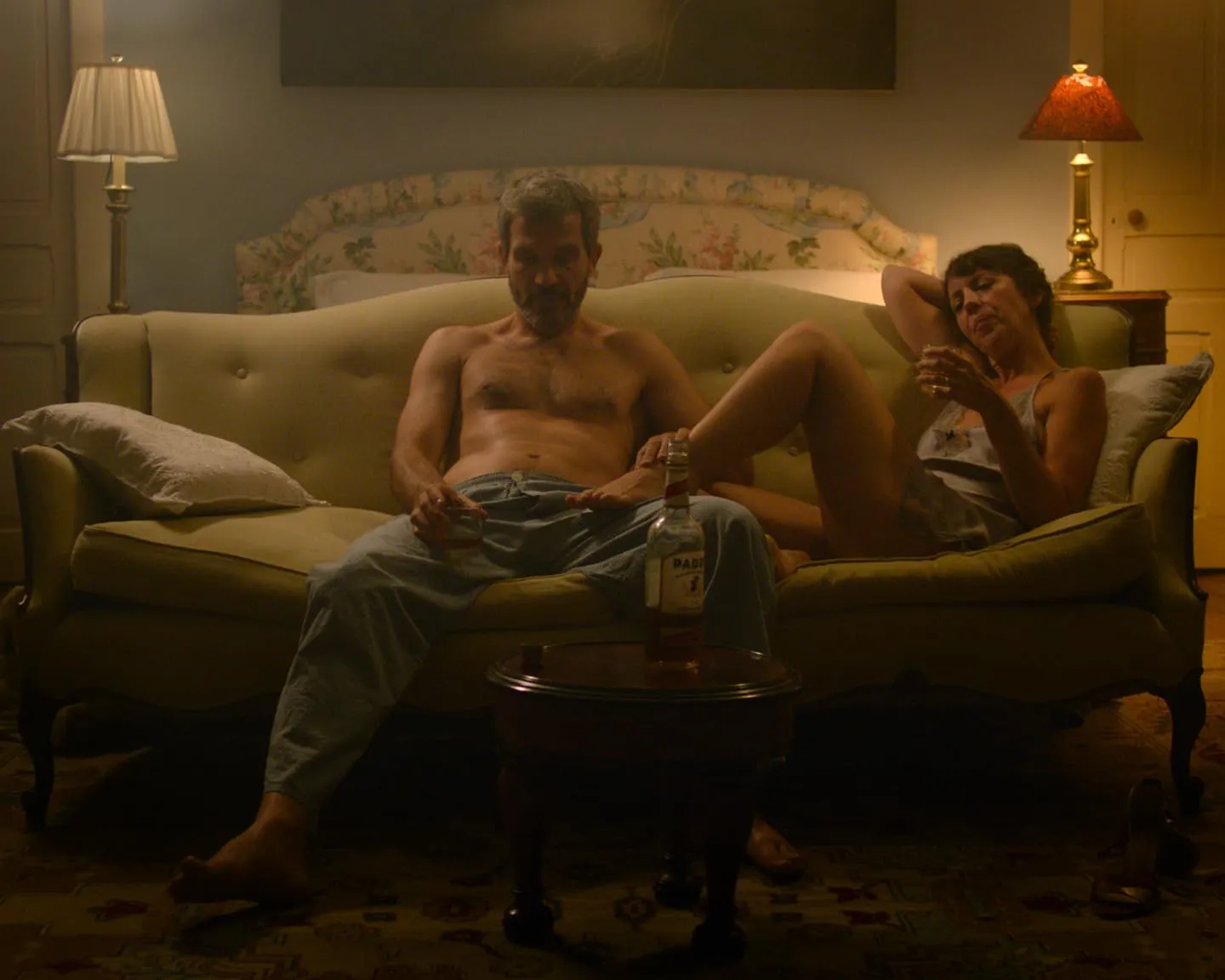
Colon traces her character’s transformation from controlled stability to spiraling anxiety with exceptional precision. Delphine’s progression from protective parent to truth-seeking investigator emerges gradually, marked by quiet tension and growing suspicion.
Her internal struggle between maintaining family unity and confronting potential betrayal creates a deeply compelling character study. Colon reveals Delphine’s vulnerability through intimate moments of distress, painting a complex portrait of a woman wrestling with maternal ideals and family destruction.
Antoine, played by Mathéo Capelli, introduces additional complexity to the narrative. A successful novelist, he presents a charming exterior, yet his interactions with adopted children generate unsettling undertones.
Subtle moments reveal potential inappropriate connections—lingering glances and overly intimate exchanges. His drunken confession about an affair with a child triggers the story’s central conflict. Capelli maintains an enigmatic performance, leaving audiences uncertain about his true nature. The character exists in a moral gray area, blurring lines between guilt and misunderstanding.
Adopted children Aslan (Gem Deger) and Adia (Frédérika Milano) create emotional depth and narrative tension. Aslan, preparing to leave for New York, carries unspoken emotional weight. His identity as an adoptee shapes his responses to family turmoil.
Adia transforms from carefree teenager to a focal point of increasing suspicion. Milano portrays her character with raw emotional intensity, capturing the conflict between vulnerability and emerging awareness.
Colon’s performance elevates the film through nuanced interactions with other characters. Each actor calibrates their performance to build an atmosphere of mistrust. The cast’s dynamic, particularly the interplay between Colon and Capelli, generates profound emotional resonance. Their performances explore the intricate ways secrets permeate and fracture family relationships.
Visual Style and Cinematography: Framing Paranoia
Kaveh Daneshmand’s Endless Summer Syndrome uses visual storytelling to amplify its emotional depth. The film’s 4:3 aspect ratio creates an immediate sense of intimacy with characters while generating a feeling of restriction.

This framing technique, reminiscent of older cinema, works with tight, static compositions to strengthen the suffocating atmosphere. The camera typically avoids wide shots of the French landscape or spacious home, instead focusing tightly on characters within their interior spaces.
Viewers experience close examinations of expressions, actions, and subtle interactions. The cinematic world becomes increasingly confined as Delphine’s suspicions intensify. This approach forces audience members to engage with the same scrutiny Delphine experiences, trapping viewers within her perspective.
Visual design stands out through its stark contrast between sunlit exteriors and shadowed interiors. Bright poolside scenes initially suggest warmth and protection but grow increasingly deceptive as the story progresses.
Interior spaces emerge bathed in darkness, reinforcing emotional turbulence beneath the family’s polished surface. The visual approach suggests that beautiful exteriors often mask deeper, darker realities. Symbolic elements like the pet snail carry significant weight. Seemingly harmless, the slow-moving creature becomes a silent harbinger of impending revelation, quietly suggesting hidden tensions waiting to emerge.
Editing and camera movement create additional narrative tension. The camera sometimes adopts Delphine’s subjective viewpoint, allowing viewers to experience her suspicious observations. Alternating perspectives emphasize her emotional isolation and distorted perception of reality.
Careful time manipulation in editing mirrors the gradual exposure of family secrets. Each cut carries weighted significance, revealing the slow disintegration of trust and familial connection.
Themes, Symbolism, and Ethical Underpinnings: Secrets Beneath the Surface
Endless Summer Syndrome dissects family life, stripping away the polished exterior to expose underlying dysfunction. Delphine and Antoine present an outwardly perfect household where emotions remain carefully controlled.
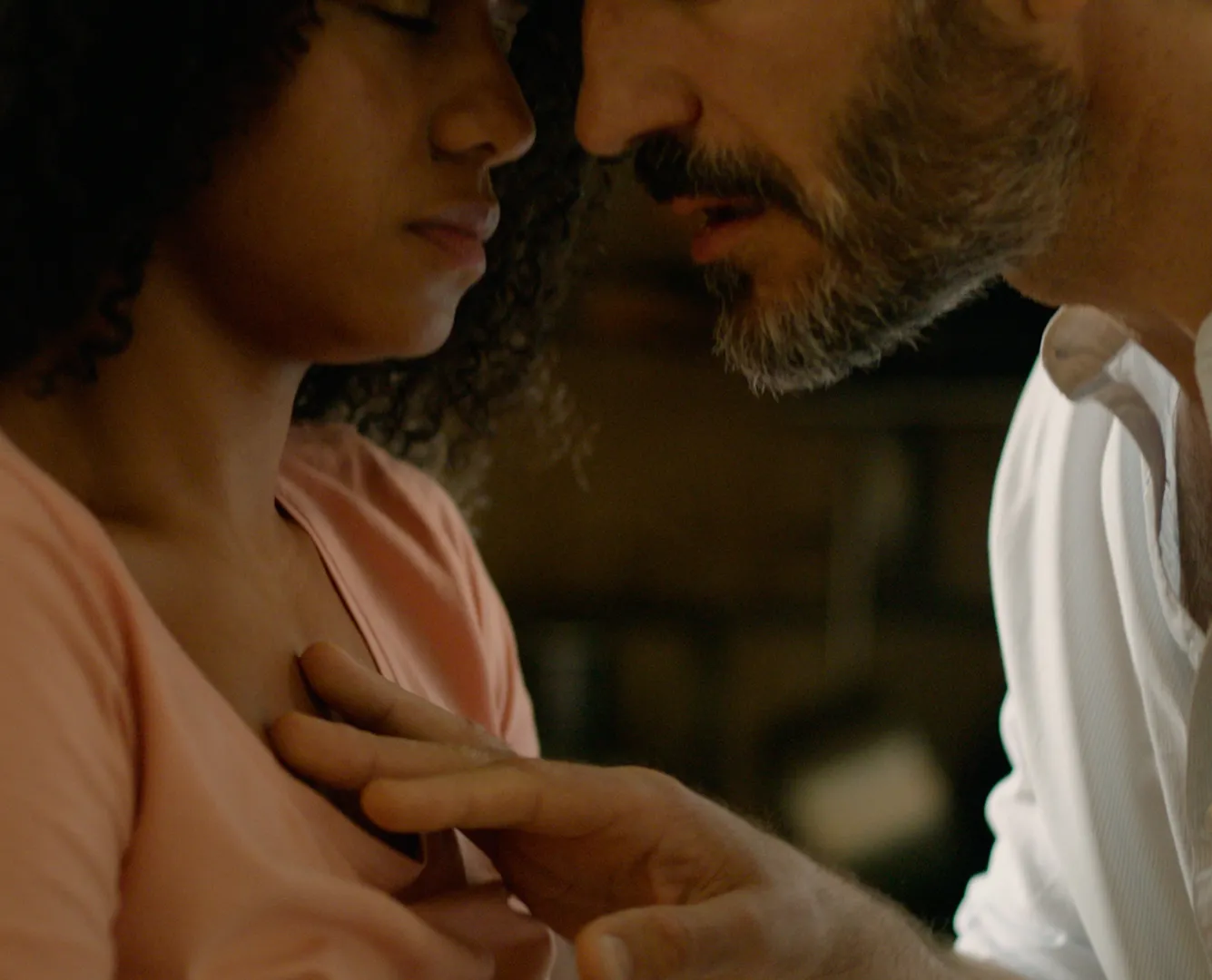
Delphine’s growing suspicion reveals deeper tensions. Subtle interactions—gentle touches, extended glances—become charged with unspoken meaning as hidden truths emerge. These revelations compel characters to examine their concealed motivations and distorted perceptions of each other.
The narrative centers on the taboo topic of incest, functioning as a provocative exploration of moral boundaries. An unconfirmed allegation drives Delphine’s psychological spiral. The film destabilizes traditional understanding of right and wrong, challenging viewers to question internalized social norms.
It interrogates whether unconventional family dynamics can exist within progressive frameworks, unsettling audience assumptions about familial relationships and parental authority.
Symbolic elements intensify the emotional landscape. A pet snail crawls slowly, mirroring the gradual tension building within the household. Its deliberate movement echoes how secrets spread—imperceptibly yet inexorably.
Sunlight carries dual symbolism. Warm rays initially suggest surface happiness, while harsh light simultaneously exposes uncomfortable underlying truths hidden in familial shadows.
Ethical investigations extend beyond individual betrayal. The film explores self-deception and moral responsibility. Characters’ personal desires clash with social expectations, prompting reflection on how societal structures shape individual judgment. Endless Summer Syndrome excavates the complex terrain where personal impulses intersect with collective ethical frameworks.
Direction, Script, and Production Design: Crafting a Family’s Collapse
Kaveh Daneshmand’s first film, Endless Summer Syndrome, explores family dynamics through a European art-house lens, examining trust, morality, and human vulnerability. Inspired by filmmakers like Michael Haneke and Éric Rohmer, Daneshmand employs a restrained approach that allows tension to accumulate gradually.

His direction demonstrates keen spatial awareness. The 4:3 aspect ratio intensifies feelings of restriction—both physical, within the family home, and emotional, as characters grapple with hidden secrets. Aesthetic choices create a delicate balance between beauty and unease, transforming serene, sunlit moments into increasingly ominous scenes.
The screenplay, co-written by Daneshmand, balances personal trauma with social critique. The story centers on a woman confronting her husband’s potential betrayal and her family’s moral collapse.
Subtle treatment of a taboo allegation becomes a mechanism for examining societal expectations. Sparse dialogue allows silences to communicate deeply. Quiet observational moments, seen through Delphine’s increasingly suspicious perspective, reveal family fractures as powerfully as explicit revelations.
Production design crafts a space that embodies narrative tension. The house communicates wealth and emotional distance—grand yet empty, reflecting its inhabitants’ estrangement. The poolside shifts from leisure symbol to oppressive environment as suspicion grows.
Interior shadows contrast with bright exteriors, highlighting the disconnect between external perfection and internal turmoil. Sound design and music intensify this atmosphere, using ambient sounds and minimalistic musical elements to create a lingering sense of unease.
Daneshmand’s artistic approach integrates stylistic elements that deepen the film’s emotional landscape. Slow pacing, visual storytelling, and gradual emotional buildup immerse viewers in the characters’ psychological journey. Technical choices mirror thematic explorations, creating a profound meditation on human connections and unspoken truths.
The Review
Endless Summer Syndrome
Endless Summer Syndrome is a haunting exploration of familial ties, moral ambiguity, and the slow disintegration of trust. Daneshmand’s restrained direction, coupled with strong performances—especially from Sophie Colon—creates an atmosphere of mounting tension that keeps the viewer on edge. The film’s art-house sensibilities, from its 4:3 aspect ratio to its careful pacing, heighten its emotional impact. Though its provocative themes may alienate some, the careful handling of complex ethical dilemmas and the unraveling of a seemingly perfect family make it a compelling watch.
PROS
- Strong, nuanced performances, particularly from Sophie Colon.
- Thoughtful exploration of moral ambiguity and family dynamics.
- Effective use of cinematography and pacing to heighten tension.
- Art-house style creates a claustrophobic, intimate atmosphere.
CONS
- Slow pacing may alienate viewers who prefer more immediate action.
- The central taboo subject may feel uncomfortable for some audiences.