


























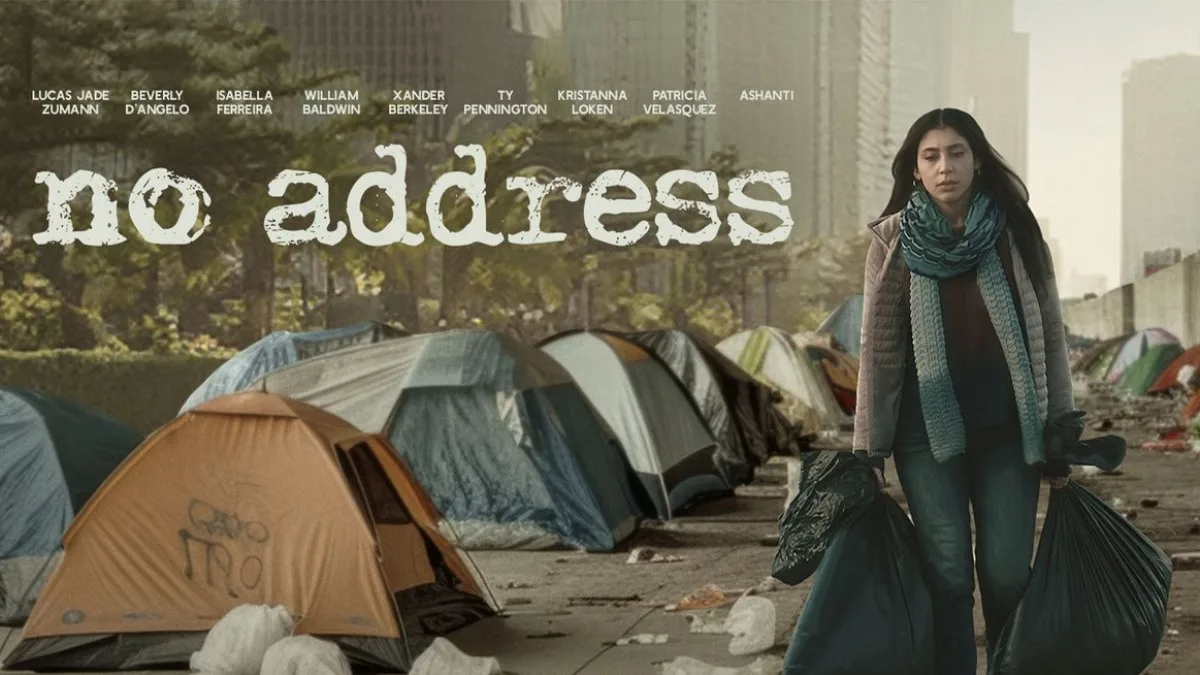

“No Address” centers its narrative on a young woman suddenly left on her own after life takes an unexpected turn. The film introduces us to a teenager who finds herself without a home, meeting a diverse group of individuals who share similar hardships. This situation sets up a framework where personal challenges intersect with the broader issue of homelessness in America.
The movie aims to balance a thoughtful look at social issues with personal stories of pain and determination. Its tone carries a mix of serious emotion and surprising visual choices. The film offers a rich account of people striving to make sense of their lives amid unforeseen circumstances, even if the approach to storytelling sometimes creates a stir among its viewers.
From a setting point of view, the film makes use of locations in California, though there are moments when the portrayal of the environment seems at odds with the expected conditions.
Though the narrative gives us hints about time and setting, there is also a noticeable contrast between the realistic struggles of those without a home and the artistic choices made to heighten the emotional scenes. This interplay between a real issue and a stylized screen presentation invites the viewer to think about the authenticity of the story and its impact on the audience.
Narrative Structure and Plot Summary
The film opens with a dramatic turning point that leaves the main character without any support. On the day marked by an important life milestone, Lauren finds herself cast out when a long-term care situation ends abruptly, leaving her to deal with the harsh realities of living on the street. This key moment sets off a chain of events that sees her encounter a hidden community where each individual bears a personal story of hardship.
As Lauren becomes familiar with this collective, she connects with a young man who has faced his own challenges, and together they navigate an environment that is as unpredictable as it is unforgiving. Along the way, the film introduces an ensemble of figures whose backgrounds, from personal losses to struggles with mental health and economic setbacks, add multiple layers to the overall narrative.
Also Read






Simultaneously, another storyline unfolds following Robert, a character immersed in the world of real estate. Initially portrayed as a schemer intent on clearing a space for profitable development, his path takes an ironic turn when he experiences the very hardship he sought to erase.
This parallel thread perfectly mirrors the unpredictable twists found in some of the more daring narrative experiments within the genre. The interaction and eventual merging of Lauren’s path in the street community with Robert’s personal downfall create a layered map of cause and effect, providing a rich soil for emotional complexity.
The film’s pacing experiences several jolts that interrupt its rhythm. Abrupt shifts in the musical background and sudden montage sequences can momentarily jar the viewer. Occasional pieces of narration serve as signposts that both explain and sometimes complicate the unfolding events, offering context while leaving some passages open to interpretation.
These editing choices sculpt a flow that oscillates between reflective calm and unexpected bursts of intensity, inviting its audience to question how storytelling tactics affect the remembrance of key moments.
Character Analysis and Development
The film places a strong focus on Lauren, a young woman whose forced separation from a secure life leaves her facing the uncertainty of the streets. Her backstory is painted with a careful attention to details that capture the hardship of losing a place of safety.

As she adapts to her new reality, her feelings emerge in conversations with others who share similar struggles. This change is presented with moments of quiet reflection and raw, unscripted emotion, which invite the audience to consider the true cost of being uprooted from a familiar life.
Jimmy appears as a steady figure amid the chaos, offering guidance to Lauren as she steps into this new world. His own struggles mirror the complexity of everyday challenges, acting as a bridge between survival instincts and the need for genuine human connection. His actions and interactions provide a balance between pragmatic advice and a palpable sense of personal loss, making his role both essential and relatable.
Other members of the street community add several layers to the narrative. Characters such as Harris, Violet, and Dora bring forward their personal experiences with pain and resilience. Each character represents an aspect of the social issues that permeate the film. Their individual stories, marked by distinct hardships, create a mosaic that reflects both the inner life of those affected and the external pressures they face.
There are times when certain dialogue and actions reduce characters to mere vehicles for the film’s heavier messages. For instance, the transformation of a secondary character—who begins his role by trying to clear the space and later ends up in the same situation he fought against—comes off as overly dramatic. Similarly, the introduction of a romantic subplot can feel out of step with the surrounding narrative tension, prompting questions about how every character fits into the larger picture.
Social Layers and Spiritual Undercurrents
The film presents homelessness as a subject that carries layers of complexity as well as moments of reduction. It portrays the plight of individuals thrust into situations stemming from abuse, mental health struggles, and debilitating financial problems.
Although viewers encounter realistic aspects of homelessness, the narrative at times simplifies the intricate web of circumstances that bring people to the streets. The screenplay highlights how personal hardships intertwine with societal neglect, yet the brief treatment of systemic issues leaves room for more thoughtful exploration.
In its depiction of a community formed amid shared adversity, the film introduces characters who band together as a family. The portrayal centers on the tension between the drive to survive and the desire for companionship. The characters, forced into close quarters by circumstance, articulate both the rewards and the complications of living in unison under difficult conditions.
The group’s collective experience underlines the comforting, albeit imperfect, support system that emerges when external structures fail to offer protection, while also hinting at the difficulties inherent in sustaining such intimate bonds.
Religious imagery marks an unmistakable presence throughout the film. The frequent displays of prayer and the use of spiritual symbols suggest that faith might offer solace—a quick fix, as it were—to deep-seated societal woes. This overt emphasis on scripture and ritual reinforces a message that human difficulties might be addressed through a particular belief system.
However, the reliance on religious intervention as an expedient response to homelessness seems to flatten the stark realities that many face on a daily basis. The overt spiritual messages prompt viewers to ask if the film’s reliance on faith simplifies the nature of social suffering, leaving open an inquiry into the balance between genuine hope and the pressure for a tidy resolution.
Creative Choices: Directing, Screenplay, and Audio-Visual Execution
Director Julia Verdin tackles sensitive subject matter with a mix of expressive visuals and dialogue-driven moments. The narrative structure oscillates between clearly defined scenes and passages that lean on direct messaging.
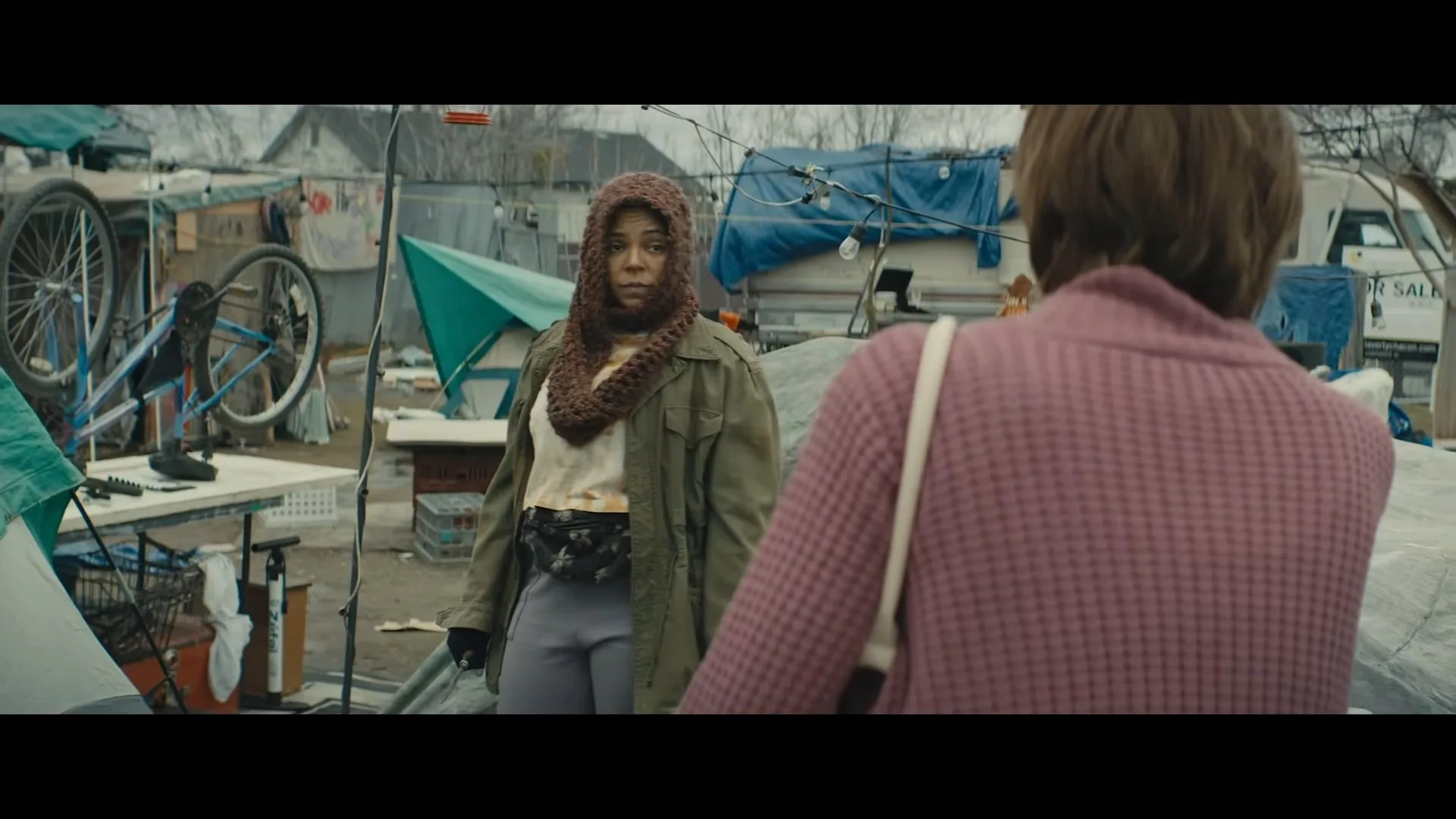
At times, the screenplay sets up dramatic encounters with precise instructions for feeling and reaction, yet certain moments do not hide their intent. While the dialogue and set pieces work together to articulate the film’s ideas, a few scenes give away their purpose too openly, leaving little room for interpretive discovery.
The visual setup displays bold choices with careful framing and shifts in light that signal changes in mood. Certain shots bathe the characters in warm illumination that contrasts sharply with the bleak urban settings. Some segments make a powerful impression through their vibrant use of natural light, only to be interrupted by jump cuts that deflate the built tension. These cuts, appearing unexpectedly, seem to interrupt the buildup of emotional responses that the cinematography strives to nurture.
Sound design carries a similar duality. Occasional use of discrete audio cues lifts key moments, sparking feelings of suspense and urgency. Yet, an overly sentimental score intrudes at points when a subtler approach might have sustained the film’s authentic atmosphere.
One cannot miss the curious choice in styling—the set design and wardrobe sometimes clash with the implied weather, with characters dressed in layers that contradict the bright setting. This stylistic choice, instead of reinforcing the narrative’s themes, sometimes undercuts the realism of the depicted struggles.
What remains compelling is the film’s ambition to merge structured dialogic exchanges with visually driven narrative moments, provoking thought on whether such synthesis might ever fully capture the rawness of lived experiences.
Reflective Echoes
The interweaving of narrative threads and character arcs in the film offers a glimpse into the world of those living without stable shelter. The film presents parallel storylines that strive to capture the hardship and resilience required in challenging circumstances. With characters facing isolation and unexpected community bonds, it brings forward the emotional nuances of life on the margins. The portrayal encourages viewers to feel the urgency behind each struggle, even if certain decisions in structure reduce the emotional punch of the intended message.
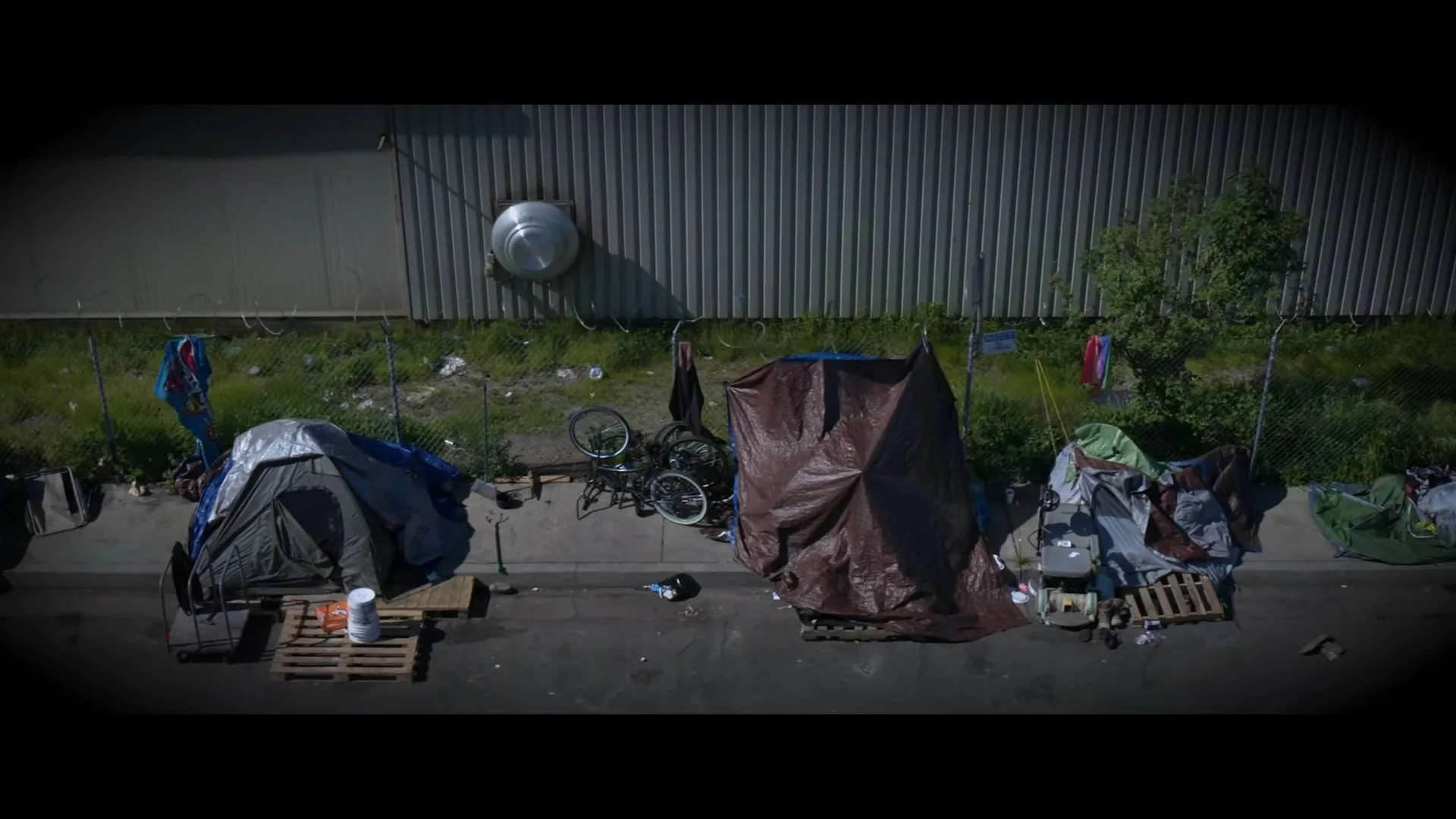
There are moments that hit a raw chord, particularly when intimate relationships and personal dilemmas are on display. The film prompts us to consider the impact of societal neglect and personal loss, making the viewer pause in recognition of the everyday battles many endure.
In a style that borders on a direct approach, the film reminds us that the difficulty of survival is often intermingled with the tenderness of companionship. These emotional beats leave the audience pondering how artistic gestures can spark mindful awareness of real-world challenges without oversimplifying the lives they attempt to represent.
One might wonder how deliberate creative choices, in both narrative twists and visual rhythm, can enhance the reflection of hardship and hope in such a stark setting.
The Review
No Address
No Address is a bold and ambitious film that deftly intertwines personal struggles with broader social issues through striking visuals and layered storytelling. While its expressive direction and powerful performances capture the essence of resilience, occasionally disjointed pacing and stylistic choices interfere with emotional continuity. The film is a thought-provoking work that may appeal more to viewers who appreciate experimental narrative styles.
PROS
- Deep exploration of personal and social hardships
- Strong performances with authentic emotional beats
- Visually arresting style and creative framing
CONS
- Inconsistent pacing and abrupt narrative shifts
- Overly stylized elements occasionally detract from realism
- Some dialogue and subplots feel forced or underdeveloped