


















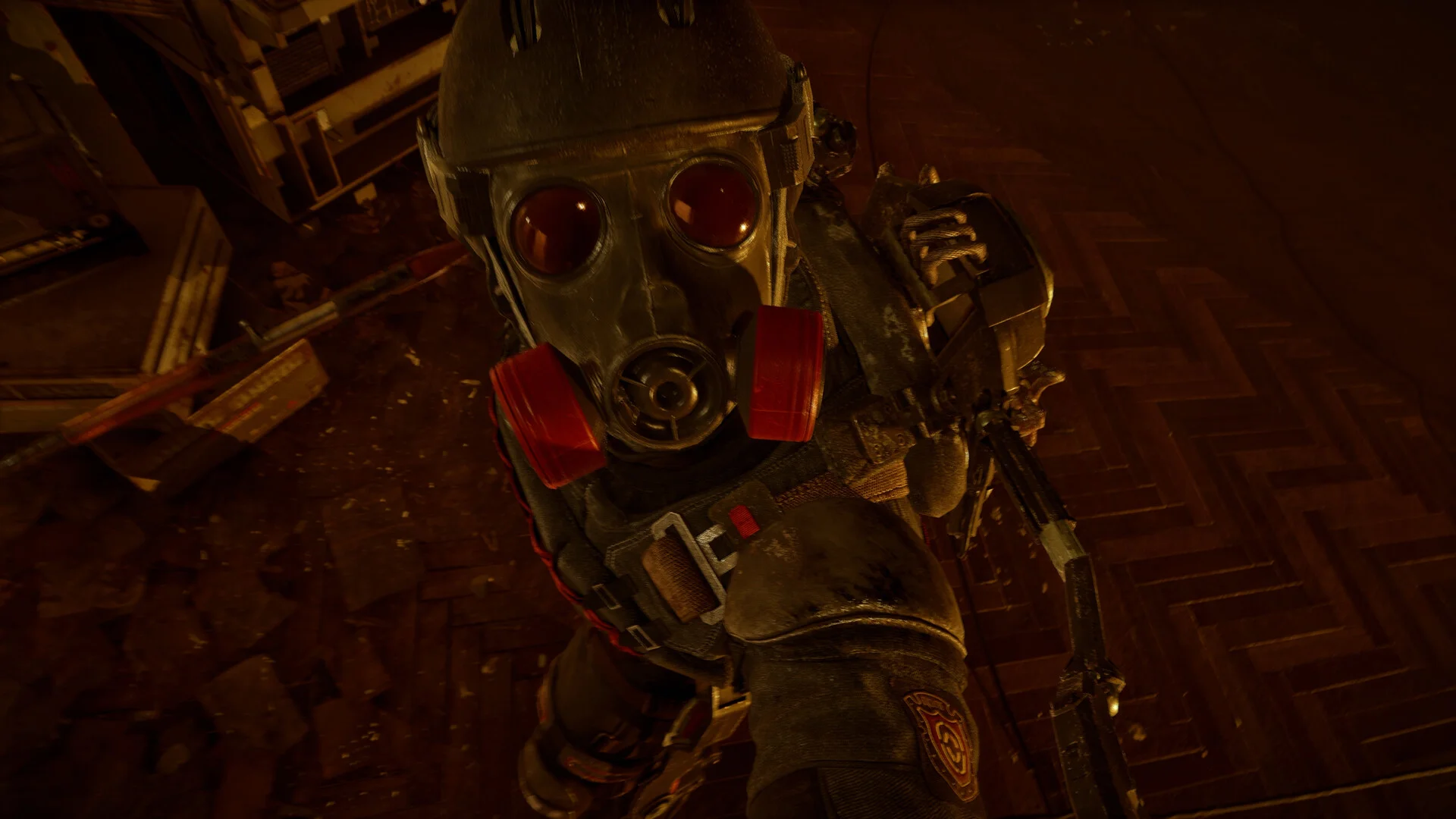

A distant burst of gunfire means something different in S.T.A.L.K.E.R. 2 now. Follow the sound and you might find two factions fighting without you, stumble across mutants drawn into the chaos, or discover survivors later occupying ground you previously cleared. That kind of unscripted chain reaction is exactly what Heart of Chornobyl struggled to produce consistently at launch. Cost of Hope, arriving alongside Update 2.0, shows how much GSC Game World has rebuilt underneath it.
The expansion is integrated directly into Skif’s existing campaign rather than separated into its own menu-sized adventure. Its opening material becomes available relatively early, while later missions require considerably deeper progress through the main story. Players returning purely for the DLC can use Advance Start, though a major campaign choice still needs to be established before the new storyline can properly unfold.
That structure makes Cost of Hope feel less like an attachment and closer to another region of the same simulation. It also lets GSC revisit places tied to the original trilogy, including the Iron Forest and the Chornobyl Nuclear Power Plant, using S.T.A.L.K.E.R. 2’s current systems to make familiar geography behave differently.
Two Factions, Limited Consequences
Duty and Freedom provide the expansion’s central conflict, with the deteriorating D4 Treaty forcing Skif into a rivalry that longtime players will recognize immediately. Duty wants the Zone contained and studied. Freedom rejects that control and sees access to its mysteries as something no military authority should monopolize.
The conflict also echoes the Ward and Spark divide from Heart of Chornobyl. That parallel gives the DLC a useful thematic connection to Skif’s larger campaign, while individual assignments regularly muddy each faction’s supposed principles. Characters offer incomplete explanations, questionable motives, and occasional lies, leaving the player to decide which version of events deserves trust.
Mechanically, that should be fertile ground for consequence-driven design. The expansion does track allegiance and key decisions toward two endings, so choosing a side has an identifiable outcome. The problem comes afterward. Those consequences remain largely sealed inside the DLC rather than substantially reshaping the base campaign.
Also Read




That separation makes some decisions feel smaller than their presentation suggests. If Duty and Freedom are fighting over fundamentally incompatible ideas about the Zone, the game needs stronger systemic or narrative repercussions for putting Skif behind one of them. Instead, several characters function mainly as faction representatives, and the ideological argument carries greater weight than the individuals delivering it.
Familiar Ground Learns New Tricks
The returning regions work because GSC does not preserve them like museum exhibits. Years have passed, structures have deteriorated, routes have changed, and S.T.A.L.K.E.R. 2’s newer mechanics alter how those spaces are read.
Fog is the clearest example. It reduces visibility and affects sound perception for both Skif and nearby enemies, which means weather can change the practical rules of an encounter. A patrol that would spot you across open ground under clear conditions becomes easier to bypass. The same fog can hide a mutant until it is close enough to make that advantage suddenly irrelevant.
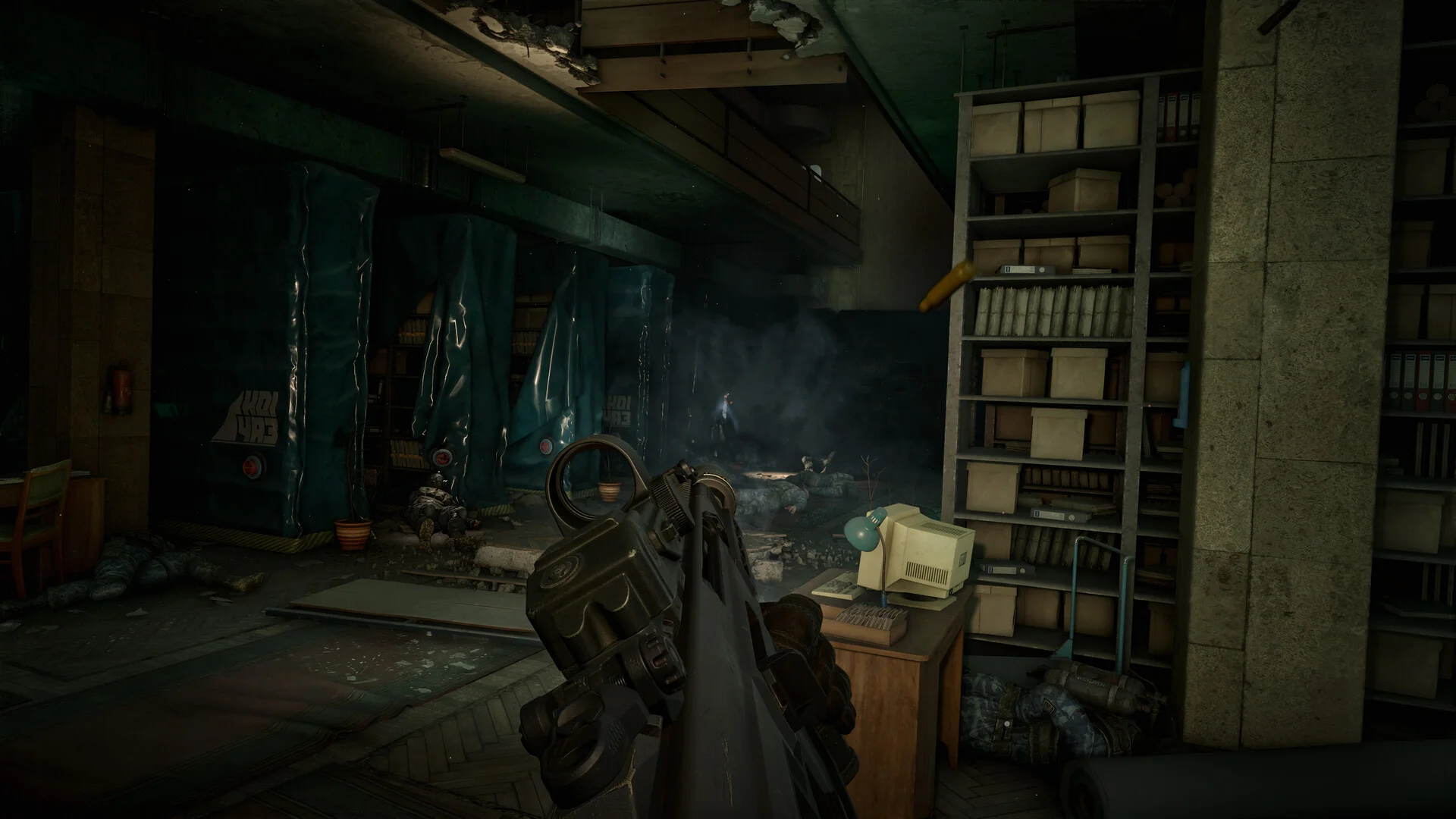
Dark interiors push the same principle harder. Night Vision Goggles become an actual survival tool when rooms fall into near-total darkness, particularly during the expansion’s horror-heavy sequences. These systems work because they influence decisions rather than sitting above the game as visual decoration.
The quest design itself is far less adventurous. Skif still spends plenty of time traveling to marked locations, speaking with contacts, retrieving objects, and clearing hostile areas. Rewards continue to revolve around weapons, armor, ammunition, and other practical supplies. Players hoping that the expansion would rethink S.T.A.L.K.E.R. 2’s mission structure will find familiar machinery underneath its new territory.
A-Life Gets Its Teeth Back
Update 2.0’s strongest contribution is the revived A-Life simulation. NPCs now move through the world pursuing activities away from Skif, which restores part of the unpredictability that defined the older games. You can hear combat before seeing it, arrive after a clash has already developed, or encounter hostile fighters apparently reacting to trouble you caused earlier.
That matters because S.T.A.L.K.E.R. is strongest when authored missions and simulation stop feeling like separate systems. Clear hostile territory, leave, and friendly groups may establish themselves there. Start another fight and nearby creatures can turn a controlled encounter into a three-way disaster. The Zone starts generating stories without requiring a quest marker to authorize them.
It still misbehaves. NPCs can sink into terrain, while some mutants appear constrained by invisible boundaries that make them surprisingly easy to exploit. A-Life has not recreated every strange possibility associated with the older games.
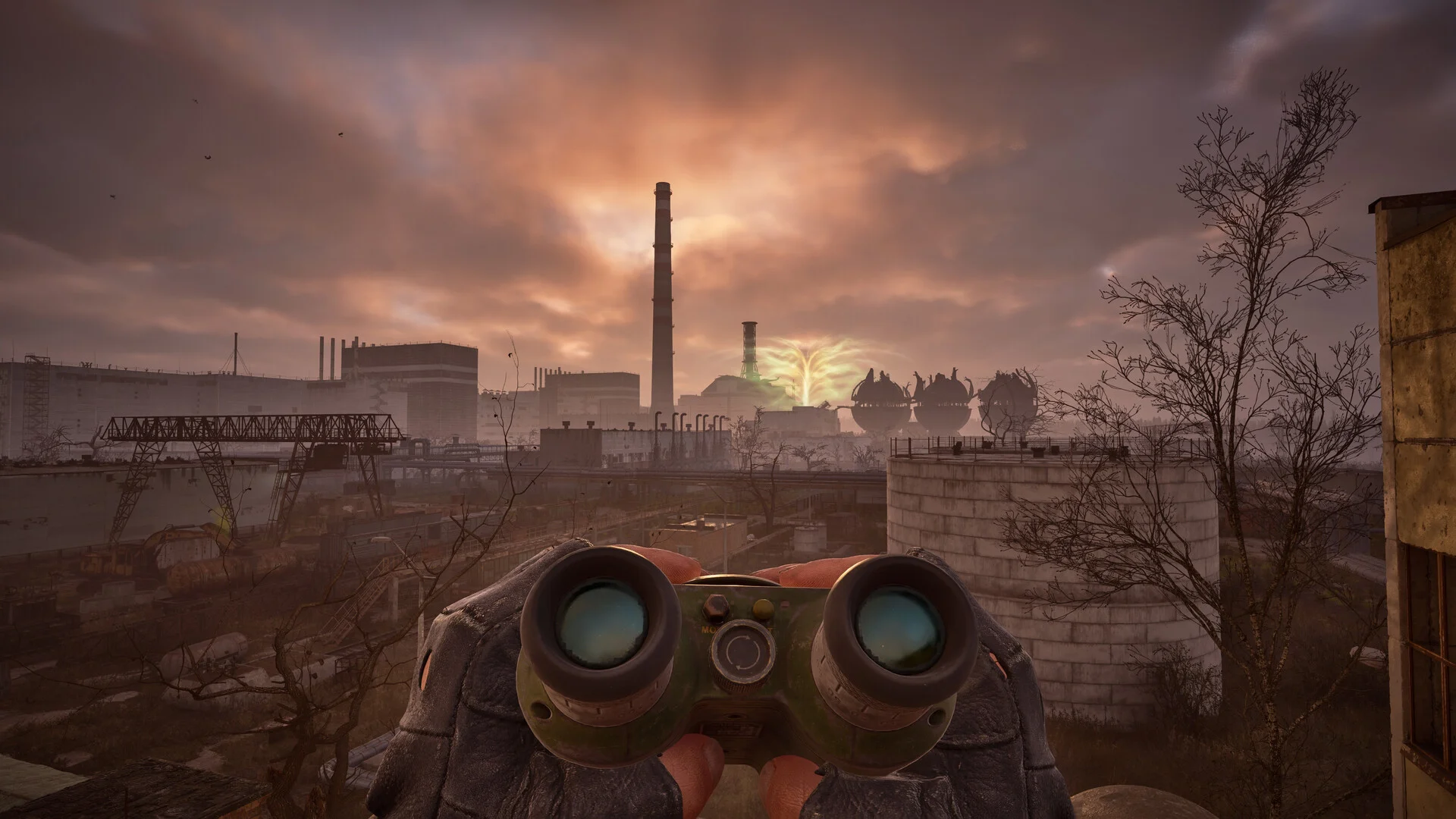
Combat benefits from the same wider refinement. Movement feels cleaner, gun handling has greater consistency, and new equipment gives scavenging additional purpose. The Arev assault rifle stands out through its aiming sway, firing feel, and attachment options rather than functioning as a simple statistical upgrade. Binoculars and improved optics make scouting practical before committing to a firefight.
Put those elements together with the new fog, roaming factions, anomalies, mutants, and larger encounters, and Cost of Hope produces the kind of systemic friction S.T.A.L.K.E.R. 2 always needed. The expansion’s faction story cannot match the consequences promised by its choices, but the world surrounding those choices now reacts with far greater conviction.
The Review
S.T.A.L.K.E.R. 2: Heart of Chornobyl - Cost of Hope
Cost of Hope works best when its systems are allowed to collide. Fog changes sightlines, A-Life sends factions into motion, mutants complicate firefights, and familiar territory becomes mechanically uncertain again. The Duty and Freedom storyline offers meaningful choices inside the expansion, though the limited effect on the base campaign weakens their payoff. Update 2.0 does much of the heavy lifting, turning exploration into a livelier simulation and sharpening combat around it. For returning stalkers, this is the closest Heart of Chornobyl has come to fulfilling the promise of its predecessors.
PROS
- Much stronger A-Life behavior
- Excellent fog-driven encounters
- Returning zones feel meaningfully changed
- Improved gunplay and weapon variety
- Stronger technical performance
CONS
- DLC choices have limited campaign impact
- Faction characters can feel thin
- Familiar mission objectives
- Some AI bugs remain