


























Johnny “Spit” Spitieri emerges in this cinematic narrative as a figure caught in the tension of a past that refuses to recede and a present that confronts him with bureaucratic absurdities and existential dilemmas.
The film introduces him in a state of dishevelment and quiet defiance—a man whose return to Australia is marked by a series of unexpected entanglements, beginning at a bustling airport and spiraling into the austere confines of an immigration detention centre. His journey is not merely a physical one but a metaphysical odyssey, exploring the fragile borders between legality and anarchy, clarity and chaos.
The backdrop of the film is painted with the stark hues of Australia’s urban and institutional landscapes. The imposing presence of immigration facilities and the shadowed corridors of law enforcement offer a stage where cultural idiosyncrasies and the gritty realities of criminal existence intersect.
This narrative setting serves as a crucible for examining the interplay of societal control and personal freedom. Amidst the blend of absurd humor and moments of somber introspection, the film presents a narrative voice that oscillates between a biting critique of authority and a reflective meditation on the nature of human transgression.
Contours of Chaos and Order
The film unfolds as a series of unexpected events that oscillate between disorder and a hint of purpose. From the very moment Spit reenters Australian soil, a cascade of mishaps unspools—a clumsy passage through an airport that mirrors his own inner disarray, followed by a stint in a sterile detention center that feels less like confinement and more like an existential waiting room.

Each sequence is meticulously paced, almost as if time itself hesitates before plunging into the next chaotic moment. Within this framework, the film presents a tapestry of conflicts that speak to both external and internal forces. The legal impositions and the shadow of criminal retribution form a backdrop against which Spit’s subdued nature is starkly contrasted.
His gentle demeanor, so at odds with the high stakes surrounding him, injects a subtle tension into scenes that might otherwise have succumbed to predictable theatrics. The courtroom exchanges and the ensuing altercations are charged with an undercurrent of fatalism, as if every clash of wills is preordained by a universe indifferent to human folly.
The narrative structure is punctuated by moments of disjointed chronology—flashes of memory and abrupt shifts that remind the viewer of the fragmented nature of existence itself. These episodic vignettes serve as brief windows into the character’s troubled past and his uncertain future, offering glimpses of a life that is as unpredictable as it is sorrowful.
In the interplay of levity and stark reality, humor emerges not merely as a device to entertain but as a subtle commentary on the absurdity of circumstances. In some passages, the film’s structure seems almost improvisational, its non-linear segments conjuring a disquieting balance between the surreal and the painfully real, leaving the audience suspended in a state of reflective ambiguity.
Shadows of Self: Character Evolution and Performances
Johnny “Spit” Spitieri appears as a figure marked by quiet contradictions. His background is steeped in hardship and a weariness that seems to seep from every crooked line of his face. In this portrayal, the character is not defined by conventional heroics but by a state of fragile balance—a man both burdened and strangely defiant in his simplicity.
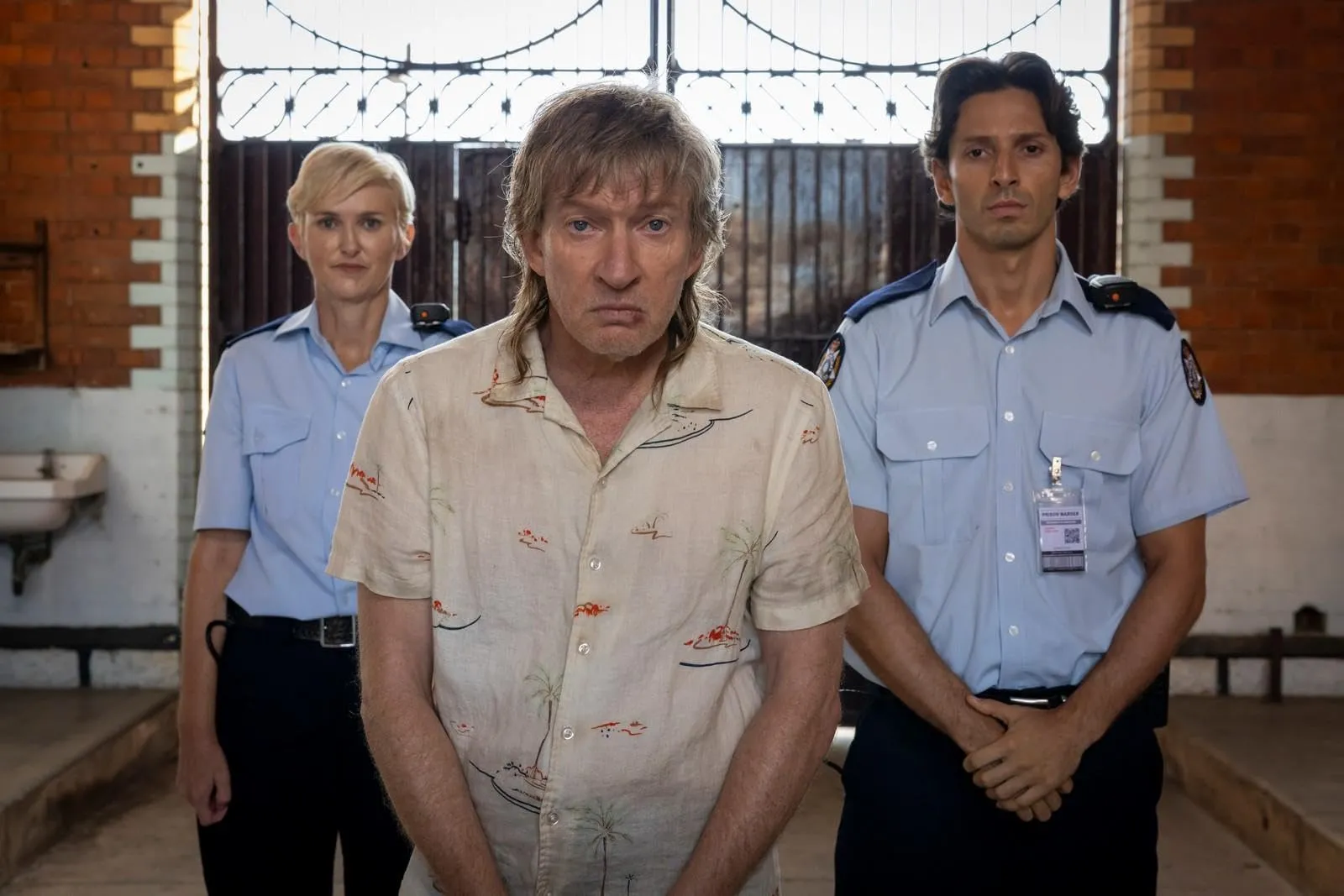
His physical quirks and slouched gait mirror the inner turbulence he struggles to contain, suggesting a life lived on the fringes of both societal order and inner peace. His interactions hint at a deeper turmoil, as if every gesture is a silent soliloquy on the human condition.
Supporting figures enter this frame as fragments of a broken mirror, each reflecting a different aspect of chaos and control. The crooked officers and hardened underworld figures offer stark counterpoints to Spitieri’s disjointed existence.
Their presence, while seemingly peripheral, reinforces the stark reality of a world governed by both corruption and hidden compassion. Their dialogues, laced with an undercurrent of moral ambiguity, serve as a contrast to the protagonist’s hesitant defiance, accentuating the conflict between duty and desire.
David Wenham’s performance infuses the narrative with a distinctive physicality. His portrayal transcends the mere replication of mannerisms; it captures the ephemeral quality of a man forever caught in a moment of introspection. Subtle shifts in his expression and posture provide glimpses into an inner dialogue that often remains unspoken.
These nuances, at times tender and other times raw, underscore the unsteady path of self-discovery that his character seems destined to traverse. In this cinematic portrayal, every glance and movement reverberates with a weight that is at once both haunting and profoundly human, inviting reflection on the quiet battles fought within the soul.
Shadows and Smirks: Themes, Tone, and Humor
The film poses questions of self-forgiveness and the nature of existence through its inquiry into redemption, identity, and the interplay of light and darkness. It casts characters in roles that are neither wholly virtuous nor utterly corrupt, inviting reflection on the human condition—a state marked by continuous inner strife and unexpected awakenings.

The depiction of social stratification serves as a quiet force shaping decisions, where the weight of one’s origins and the struggle for self-affirmation quietly influence the journey of the characters. This narrative presents life as a series of harsh lessons and moments of fleeting grace, prompting the observer to consider the thin line between good and evil.
A certain humor, unexpected in its appearance, intermittently disrupts this somber meditation on existence. The film employs physical gags—a clumsy misstep at a public terminal, a ludicrous scene in a stark detention center—as well as moments of sharply timed verbal irony.
One might notice a scene in a sterile courtroom where the absurdity of the proceedings quietly mirrors the chaos within the characters’ lives, evoking a sense of resigned amusement that hovers on the verge of melancholy.
The humor, whether expressed through understated facial expressions or a deadpan retort, serves as a counterpoint to the narrative’s darker reflections, sparking moments of relief amid relentless introspection.
The overall tone of the work oscillates between brief, almost wistful levity and a persistent, somber introspection. At moments, the mood feels as if it were captured in a half-remembered dream—simultaneously stark and elusive.
These fluctuations, while occasionally uneven, deepen the film’s inquiry into the complexities of human emotion, offering an ever-changing mirror of our own frailties and unexpected joys.
Visions in Motion: Cinematic Techniques and Direction
Director Jonathan Teplitzky crafts a cinematic landscape that shimmers with a somber humor and a raw sense of veracity. His method of fusing light-hearted absurdities with moments that echo deep existential solitude is a study in contrasts.

Each scene is meticulously staged, where the interplay of comedy and a palpable undercurrent of melancholy emerges through the careful calibration of pace and rhythm. Teplitzky’s choices in storytelling compel the viewer to linger on details that might otherwise slip by unnoticed, inviting a reflection on the nature of existence amid chaos.
The film’s visual language is both deliberate and unrestrained, as seen in sequences such as the scene on an escalator that betrays gravity’s hold, or moments of physical comedy that interrupt the narrative’s more somber cadences.
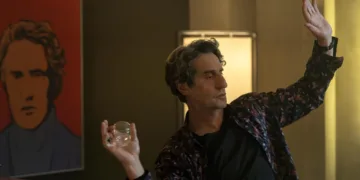
The camera work is assertive yet thoughtful, using framing and lighting to shape the mood. In one instance, a stark beam of light isolates a character against a shadowed background, suggesting that every gesture, every stumble, carries a weight of unspoken history. These visual choices create a canvas where each frame feels laden with meaning, even if its purpose remains elusive.
Editing serves as a silent narrator, its pace shifting to mirror the internal disquiet of the characters. The transitions, often abrupt, stir an awareness of time slipping through grasp, as if the film itself contemplates the ephemeral nature of memory. There are instances where the rapid exchange of images momentarily overwhelms, leaving the viewer to question the reliability of the narrative flow.
This careful arrangement of scenes reveals a tension between moments of spontaneous levity and stretches of reflective quietude—a tension that seems to capture the paradox of human existence. The stylistic choices, both in pacing and visual arrangement, lend a distinct atmosphere to the work that oscillates unpredictably between the absurd and the somber.
Mirrors of the Dispossessed: Social Commentary and Cultural Relevance
The film casts a penetrating light on the treatment of those caught in the machinery of modern migration and state control. In its portrayal of immigration facilities and detention experiences, it questions the harsh measures imposed on individuals seeking refuge and forgiveness.
Law enforcement and the criminal justice system appear as faceless forces, their actions rendered in stark relief against the fragile humanity of the detainees. The humor interwoven throughout these scenes is sharp, serving as a subtle indictment of societal norms and the rigid figures of authority, provoking reflection on the price paid by those marginalized by a cold system.
Australian culture pulses at the heart of this narrative. The characters speak with a distinct cadence, their language and mannerisms rooted in local color. Everyday expressions and regional accents are not merely decorative but vital threads in the film’s exploration of identity.
The setting itself, from bustling urban spaces to the quiet austerity of detention centres, captures the nuanced interplay between individual identity and the expectations of a particular community. These cultural markers help shape interactions and reveal the inner workings of a society that oscillates between the familiar and the unyielding.
The work touches on issues that are of keen interest to contemporary discourse, including the struggles of those left at the margins and the search for personal redemption within an unforgiving social order. The use of humor here is measured; it is a tool that exposes uncomfortable truths without diminishing their gravity.
Moments of levity, sprinkled among more somber reflections, provide glimpses of hope and the resilience of the human spirit. The film’s commentary stands as a quiet challenge to static views of justice and identity, inviting a reflective pause amid the relentless pace of modern life.
The Review
Spit
In essence, the film probes the delicate fissures between despair and fleeting levity, revealing the somber nuances of human frailty with unyielding clarity. It challenges viewers to confront the existential toll of societal indifference and personal isolation, offering a stark reflection on our condition. The narrative’s subtle humor and poignant visual storytelling leave a resonant, if unsettling, imprint.
PROS
- Deep, philosophically rich narrative
- Unique visual and directorial style
- Engaging character portrayals and subtle humor
CONS
- Pacing may feel uneven
- Non-linear storytelling could be disorienting