



























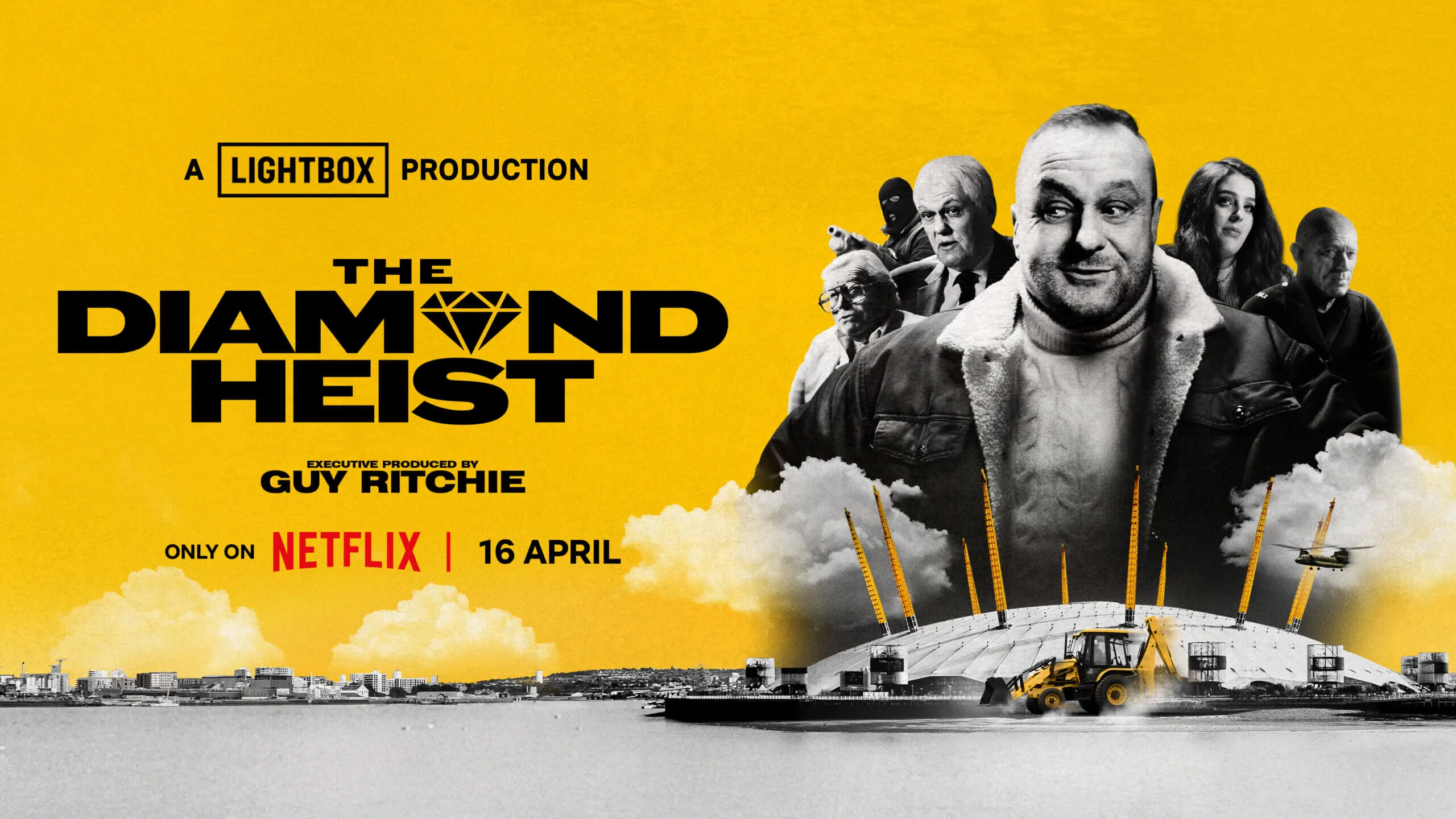

The series sets its scene within the early 2000s, a time when the Millennium Dome stood as both a modern icon and a magnet for controversy. Centered on an audacious diamond robbery, the show chronicles the meticulously planned theft of a prized multi-carat gem and the swift countermeasures adopted by law enforcement.
Scott Clark here observes that the narrative does not merely recount events; it examines the mechanics of a real-life caper, its evolving plot lines, and the deliberate shifts in perspective that mirror the pace of criminal activity and investigative response.
The presentation adopts a cinematic narrative that borrows stylistic cues from the director’s past work, offering visual nods and rhythmic editing that capture the energy of a calculated crime. The pacing is controlled yet brisk, ensuring that every cut and narrated flashback contributes to a cohesive rendition of events.
The interplay between the audacious plotting of the perpetrators and the methodical surveillance by the police is presented as an intricately layered performance. Set against the charged backdrop of an early-millennial cultural scene, the series constructs an atmosphere that is as laden with tension as it is revealing of the era’s social climate.
Scrutinizing the Heist: Story Construction and Technique
The series divides its narrative into three parts that shift focus from the meticulous planning of the theft to the determined counter-surveillance by the police, and finally to the unfolding high-stakes climax. Each episode offers a distinct slice of the story, beginning with the criminals’ detailed plotting, moving to the strategic maneuvers employed by the investigators, and concluding with dramatic reversals that keep the viewer alert. The structure uses a mix of straightforward sequences and flashback segments, blending montage sequences and narrative rewinds to inject moments of suspense.
The editing style employs rapid cuts and freeze frames that punctuate key moments. On-screen textual cues provide brief introductions to characters and context, ensuring that each detail receives its due weight. This approach creates bursts of intensity in scenes of rapid-fire action, while interspersed slower passages give insight into character backgrounds and the unfolding of critical plot points. The choice to interlace abrupt action with measured storytelling opens windows into the personal reflections of figures like Lee Wenham, whose recollections and familial ties add texture to the narrative.
The series layers multiple viewpoints, oscillating between the determined criminals and the vigilant law enforcement. This careful shift of focus reinforces the complexity of the heist, making the viewer aware of the contrasting motivations and methods operating within the story. Personal anecdotes serve to ground the tale, offering glimpses of human imperfections amid calculated strategies.
Surprises are embedded in the design of the plot, with unexpected reversals that upend audience expectations midway through the unfolding caper. The combination of deliberate pacing and innovative sequencing ensures that every segment of the series reinforces its core story, drawing attention to both the systematic planning of the crime and the equally methodical response mounted by the police.
Character Arcs, Portrayals, and Performances
Lee Wenham stands at the center of the narrative, his journey from a troubled youth to a calculated mastermind providing a study in contrasts. Raised in challenging circumstances, his entry into a life of crime is portrayed with a mix of grim determination and an undercurrent of personal ambition. His on-screen presence is commanding, marked by a charisma that is as disarming as it is controversial. Wenham’s motivations are rendered with care, his decisions hinting at both desperation and a belief in his own cleverness, a combination that leaves a lasting impression on the viewer.
Support for Wenham comes in the form of his eclectic crew—a collection of specialists each bearing nicknames that capture their roles succinctly. The technician, the muscle, and the strategist each exhibit a distinct personality, contributing precise skills required for the complex job. The dynamic within the gang is peppered with moments of humor and quiet tension, revealing underlying loyalties and fissures that add weight to their collective enterprise.
On the flip side, the depiction of the investigative team provides a counterbalance. Officers within the Flying Squad are characterized by their measured discipline and clever tactics. Their approach, marked by undercover maneuvers and sharp surveillance methods, contrasts with the flamboyance of the criminals. This contrast enriches the narrative, offering a microcosm of the perennial clash between spontaneous risk and calculated order.
Family ties also play a role in softening Wenham’s hardened exterior. Scenes featuring his daughter offer brief respites from the rigor of criminal planning, exposing glimpses of vulnerability and internal conflict. These personal moments, interlaced throughout the episodes, serve to remind viewers that behind the notorious facade lies a man grappling with a life that defies conventional morality. The characters evolve steadily, their arcs intertwining in ways that highlight both their ambitions and the inevitable toll of their chosen paths.
Cinematography, Editing, and Production Style
The series presents a visual approach that merges dark tonalities with a subtle wit. Its aesthetic pays homage to revered cinematic classics and familiar crime thrillers, delivering a look that is both measured and energetic. Camera work favors deliberate long takes that gradually reveal the intricacies of a well-constructed scene, while rapid montage sequences inject brisk movement when situations demand heightened attention. On-screen captions appear swiftly, offering clues that keep the visual narrative coherent and brisk.
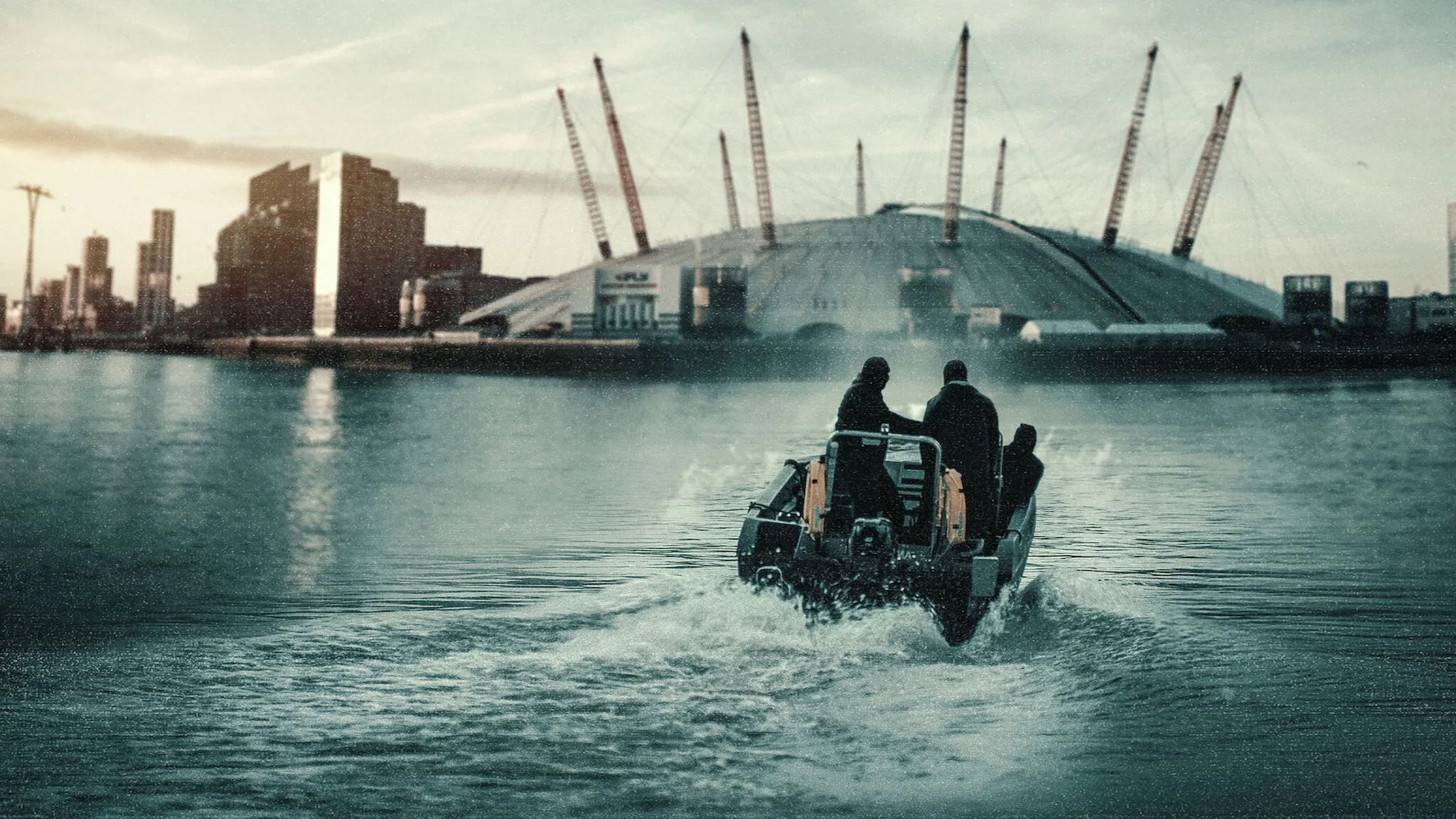
Editing emerges as a key driver of narrative momentum. Rapid cuts juxtaposed with brief moments of stillness create a rhythm that marks critical narrative pivots. Freeze frames punctuate moments of uncertainty, capturing fleeting expressions or actions that silently underscore the stakes at hand. Audio elements—ranging from a precisely chosen soundtrack to impactful sound effects—provide a pulse that keeps the unfolding action compelling. The series relies on these auditory cues to enhance tension, ensuring that every sequence resonates with clarity and purpose.
Production design impresses through its intelligent use of space and setting. The Millennium Dome, with its imposing contours and distinct character, transforms from a mere physical structure into a silent participant in the narrative. Carefully recreated sequences use this environment to evoke the era’s atmosphere while crafting settings that support both authenticity and artistic flair. Each location appears designed with intent, contributing to a sense of place that aligns with the heist’s unfolding drama.
Merging factual archival material with dramatized reenactments, the series presents a seamless integration of documentary precision and crafted performance. This strategy maintains visual realism without sacrificing narrative drive, ensuring that viewers remain engaged through a refined and multifaceted storytelling experience.
Themes, Symbolism, and Cultural Reflections
The series sets up a study in the clash between daring actions and the consequences that follow. Crime and its fallout form one of the central ideas, as the narrative examines a planned robbery and how each choice carries weight. The show portrays a clear tension between the thrill of risk and the inevitable reckoning that comes with such high stakes. Within this framework, ambition and personal pride surface as key drivers. Characters pursue an elusive reward with a mix of arrogance and desperation, exposing a raw side of human desire that frequently leads to self-inflicted setbacks.
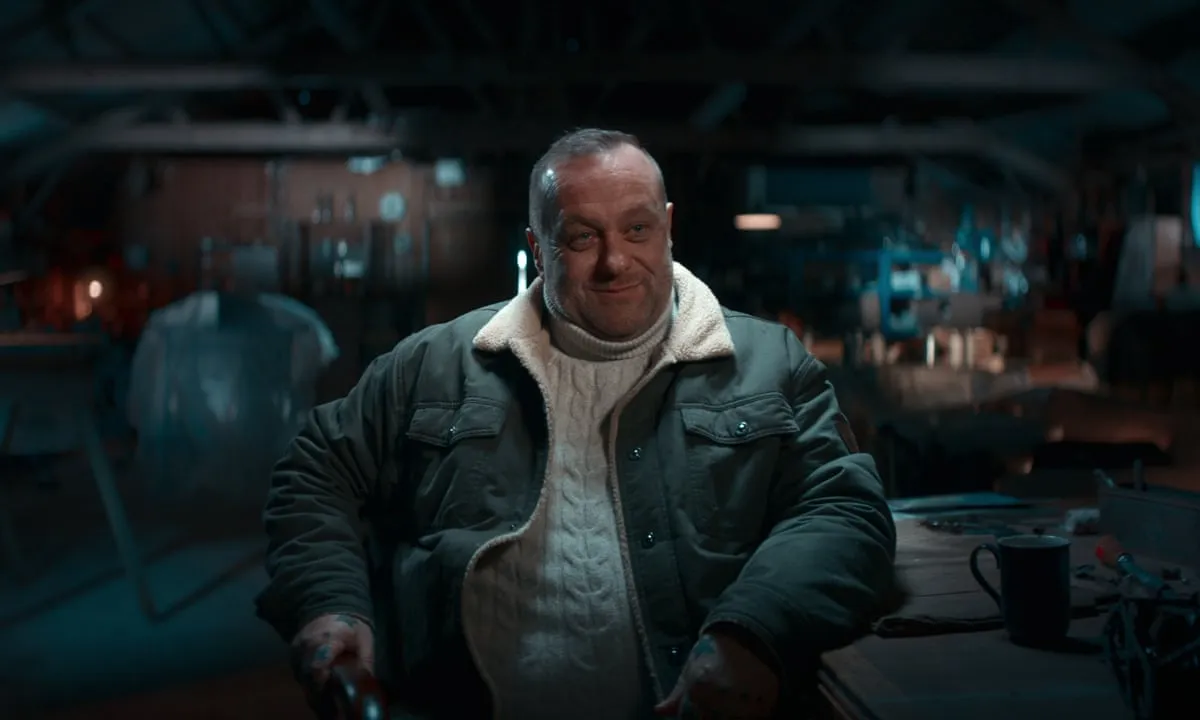
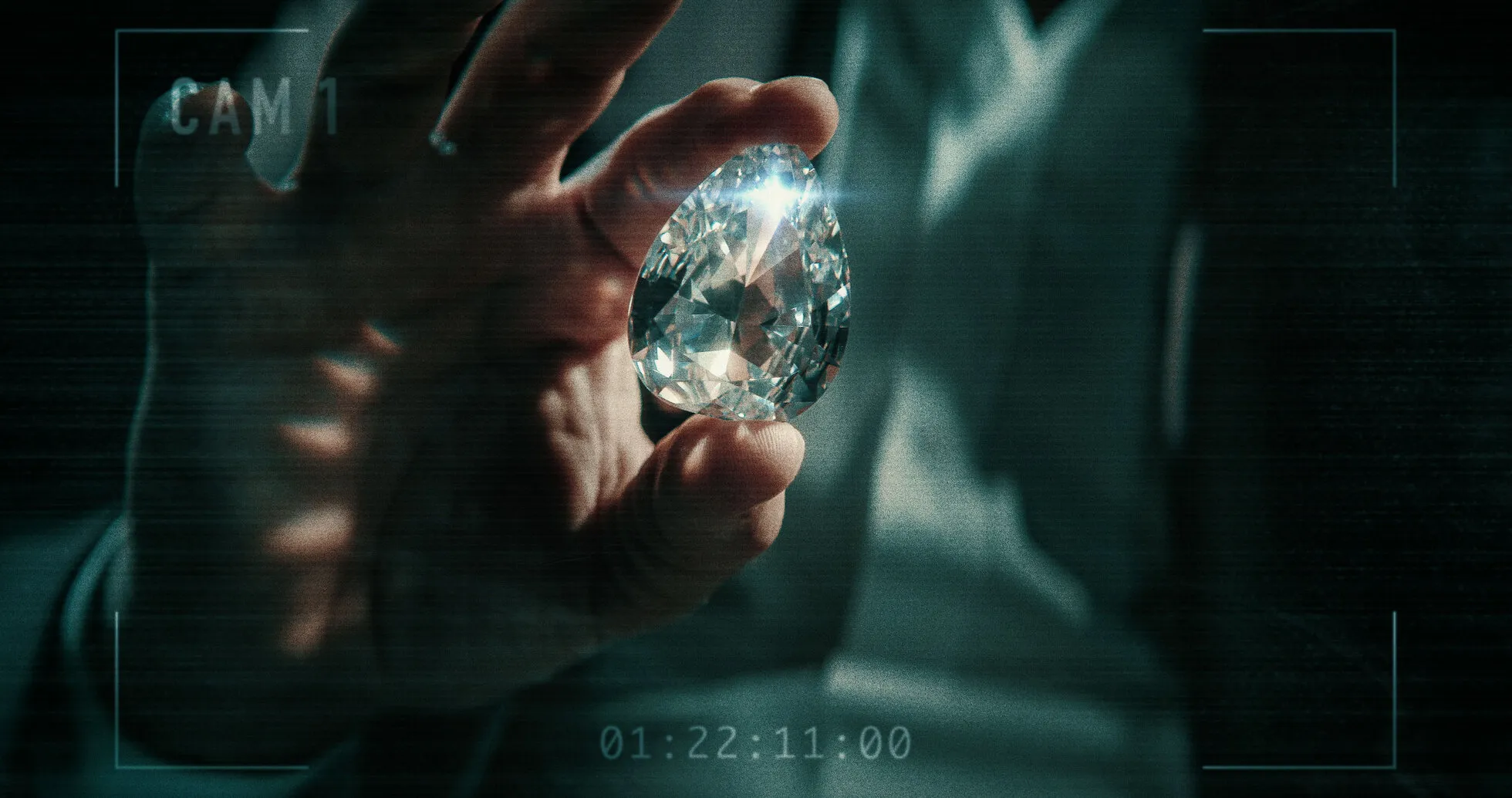
A striking visual motif is the diamond, representing wealth, intense longing, and the transient glory associated with risky ventures. This precious stone stands as a mirror to the characters’ ambitions, its brilliance reflecting both their successes and fleeting moments of triumph. Equally noteworthy is the Millennium Dome, transformed in the narrative from a site of public display to the stage of an infamous crime. Its presence challenges viewers to see it not only as an architectural landmark but also as a symbol of a society’s shifting perceptions of spectacle and scandal.
The series also offers a measured commentary on the allure of criminal behavior in modern media. It carefully presents the allure of carefully executed schemes against the backdrop of modern investigative techniques, prompting viewers to consider how style and presentation can alter public perceptions. The depiction of criminal exploits in a manner that hints at celebration raises questions about the ethics of glorifying such activities. Meanwhile, the stark portrayal of law enforcement provides a counterweight, showing calculated methods that aim to restore order.
This interplay creates a scenario where the story of an audacious heist takes on layers of meaning. The series invites reflections on personal ambition, societal admiration of notorious acts, and the fine line between admiration and reproach in the portrayal of high-stake crimes.
Directorial Vision and Production Mastery
Executive production by Guy Ritchie leaves an unmistakable mark on the series, infusing it with visual cues and a kinetic energy reminiscent of his earlier works. Even though he does not helm the project, the stylistic touches echo his signature approach—sharp, energetic, and occasionally cheeky in tone. The direction blends documentary matter with recreated dramatic sequences, transforming actual events into a narrative that commands attention without losing the thread of fact.
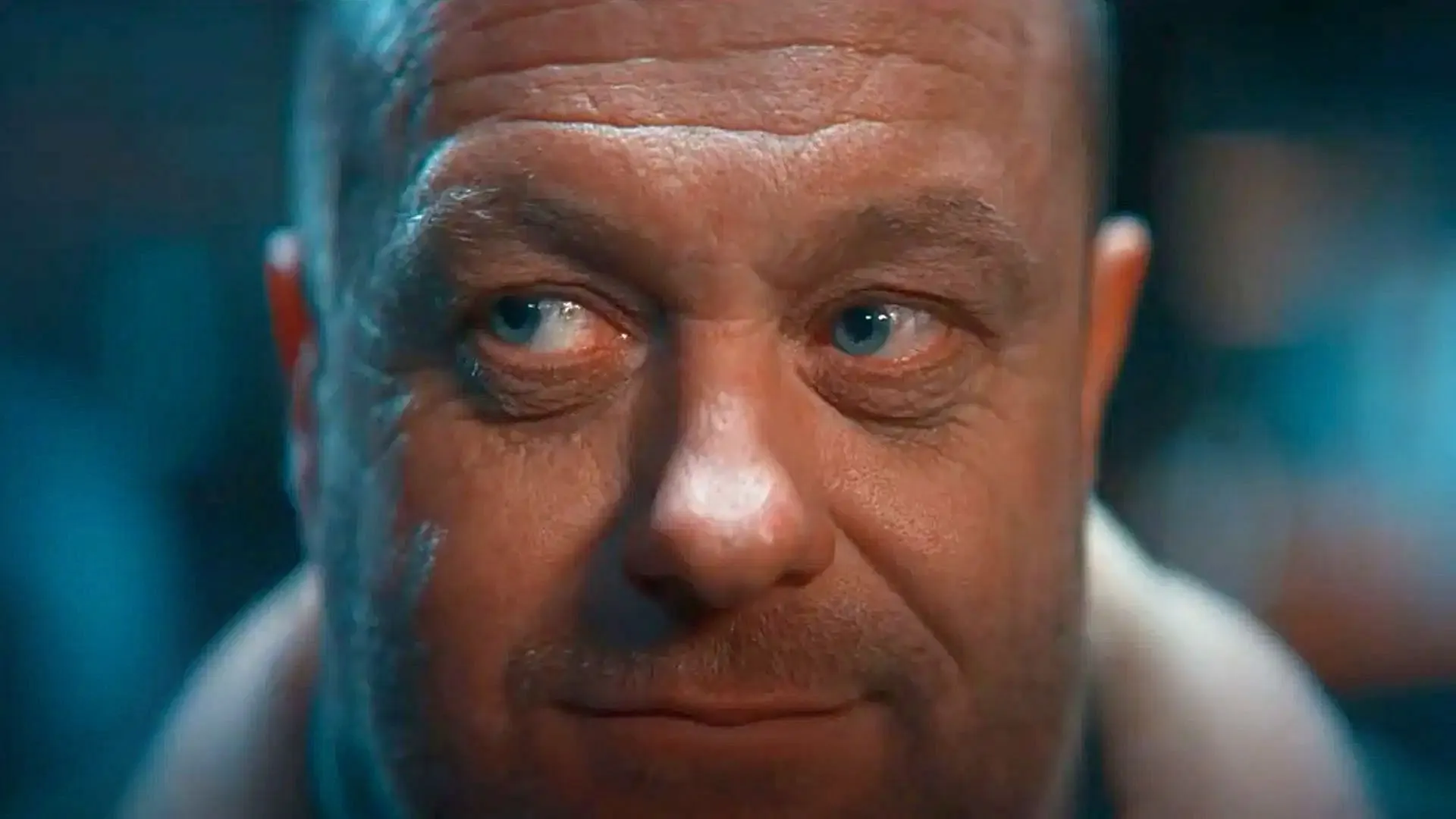
The production team, with notable contributions from Lightbox, demonstrates skillful coordination and a commitment to authenticity. Their expertise underpins the recreation of early 2000s London, where every shot feels carefully crafted to recall a distinct atmosphere. The Millennium Dome emerges not simply as a location but as a silent witness to the unfolding drama, its imposing structure lending gravity to the heist narrative.
Behind the scenes, considerable effort goes into researching and staging reenactments. Sets are constructed with precision, marrying historical accuracy with creative vision. The technical work—ranging from the deft handling of light and shadow to the crisp sound design—serves the story without overwhelming it. Archival materials are intercut with new footage in a manner that reinforces the series’ sense of urgency and realism.
The challenges of adapting a true crime scenario for dramatic presentation are evident throughout the production process. Creative solutions and logistical planning have smoothed the path from concept to final cut, ensuring that every element of the series speaks to both viewers and connoisseurs of the genre. The production choices here hint at a broader shift in how real-life events are portrayed on screen, a trend that may well influence upcoming projects within the field.
Full Credits
Director: Jesse Vile
Writer: Jesse Vile
Executive Producer: Guy Ritchie
Producers: Emma Haw, Simon Chinn, Jonathan Chinn
Cast: Tuncay Gunes, Nicholas Blatt, Luke Philpott
Director of Photography (Cinematographer): Tim Cragg
Editor: Tom Dixon-Spain
Composer: David Schweitzer
The Review
The Diamond Heist
This series offers a clever look at an audacious heist, marked by focused storytelling, fresh visual style, and compelling character arcs. The merging of factual details with recreated scenes creates a narrative that holds attention throughout, even if some segments stray from a tight rhythm. The director's influence and the production team's meticulous design elevate the retelling of these events, making the series a noteworthy take on true crime in television.
PROS
- Engaging narrative construction and well-paced storytelling
- Strong character development with memorable performances
- Visually appealing production featuring striking location work
- Seamless combination of documentary detail and dramatized scenes
- Fresh take on a high-stake crime narrative
CONS
- Occasional moments that drift from a focused pace
- Certain dramatizations may test the viewer's suspension of disbelief
- Creative choices may not align with every viewer's taste
- Some narrative elements appear less polished than others