






























As Valentine’s Day offerings flood streaming platforms, Netflix’s latest Indonesian rom‑com stakes its claim with a story that reflects global fascination with reality dating shows and personal transformation. Director Robert Ronny places the sleek, studio‑bound world of The Most Beautiful Girl in the World beside the lush tropics of an uncharted island, framing a narrative that engages both local viewers and international audiences attuned to Bollywood’s penchant for grand gestures and heartfelt emotion.
Reuben Wiraatmadja, played by Reza Rahadian, inherits his late father’s media empire on one condition: he must marry “the most beautiful girl in the world” within six months. Enter Kiara (Sheila Dara Aisha), the principled producer whose resistance to superficiality sparks the friction that powers the film’s charm.
Through rapid‑fire TV sequences and quieter, sun‑drenched survival scenes, the picture merges sentimental romance with a playful critique of commodified attraction. Cinematic cues—from the shifting light across Reuben’s confessionals to the percussive editing of audition montages—anchor the story in cultural authenticity while inviting comparison to parallel cinema’s focus on character over spectacle.
Unscripted Scripts: Plotting Romance and Reform
The film opens within the gleaming confines of Win TV’s studio, where the flagship dating show reduces courtship to flashy graphics and cue cards. This world mirrors the hyper‑produced sets found in contemporary Bollywood satires, yet its sheen contrasts sharply with the film’s quieter moments.
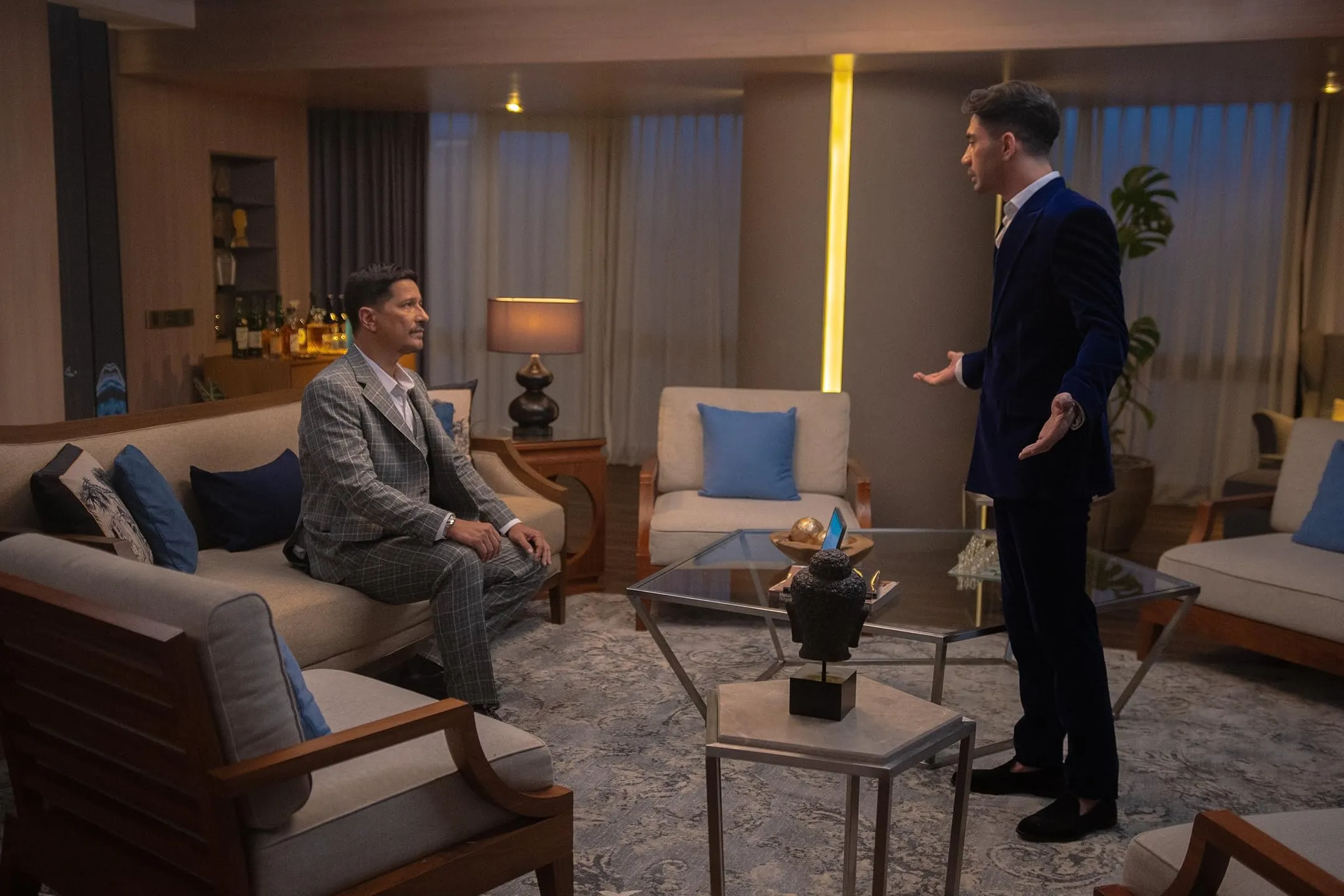
Reuben Wiraatmadja (Reza Rahadian) drifts through these broadcasts with thinly veiled contempt, reflecting a hereditary tension: his late father, Gunadi, built the network on sensationalism, while Reuben craves substance. Kiara (Sheila Dara Aisha), the assistant producer, embodies a parallel‑cinema ethos—she rejects the show’s casual objectification and urges authenticity, inserting her sharp retorts into rehearsals and boardroom meetings alike.
A live‑on‑air confrontation—Gunadi castigates Reuben for frivolous flings—shifts the dynamic from passive squabbling to raw emotion, reminiscent of family‑drama arcs in classic Hindi cinema. Shortly after, Gunadi’s sudden passing and the will’s bizarre stipulation—to wed “the most beautiful girl in the world” within six months—becomes the film’s catalytic twist. This decree nods to Bollywood’s legacy of paternal tests, yet reframes it via a global reality‑TV framework.
Also Read






Determined to secure his inheritance, Reuben recasts himself as the bachelor, opening auditions to everyday applicants. Early scenes splice close‑up interviews—echoing the vérité style popularized in independent Indian films—with polished montage cuts that satirize media spectacle. Tension builds as Reuben’s commercial cynicism clashes with Kiara’s idealist vision: she insists on unscripted interactions, he fears ratings will plummet. A swirl of tabloid headlines and social‑media chatter underscores how ordinary viewers worldwide consume such gimmicks.
During a celebratory boat party, a sudden storm sends Reuben and Kiara overboard, transforming their dynamic. Stranded on an island, Kiara’s resourcefulness—foraging for fruit, fashioning shelter—reverses the usual gender roles in mainstream rom‑coms. Reuben’s vulnerability, captured in lingering handheld shots, forges a bond that transcends televised artifice.
Back in the studio, the final selection unfolds under a scrutinizing committee. As cameras roll, Reuben recognizes that true beauty stems from shared resilience and mutual respect—values Kiara championed. He makes his choice, honoring both his father’s legacy and Kiara’s integrity. The closing sequences hint at a transformed show format and Kiara’s rise to producer, signaling a new chapter for Win TV and its audience.
Faces of Change: Character Depth on Display
Reza Rahadian’s Reuben Wiraatmadja carries a history of abandonment that echoes through his every gesture. Early flashbacks hint at a young boy left by his mother, and his ensuing cynicism surfaces in clipped replies and a guarded gaze. As Reuben shifts from a cavalier playboy to a man capable of genuine affection, Rahadian eases into scenes with quieter energy—his shoulders relax, his voice softens. In one late studio sequence, the camera holds on his eyes for a full beat, capturing the moment he questions his own motives.
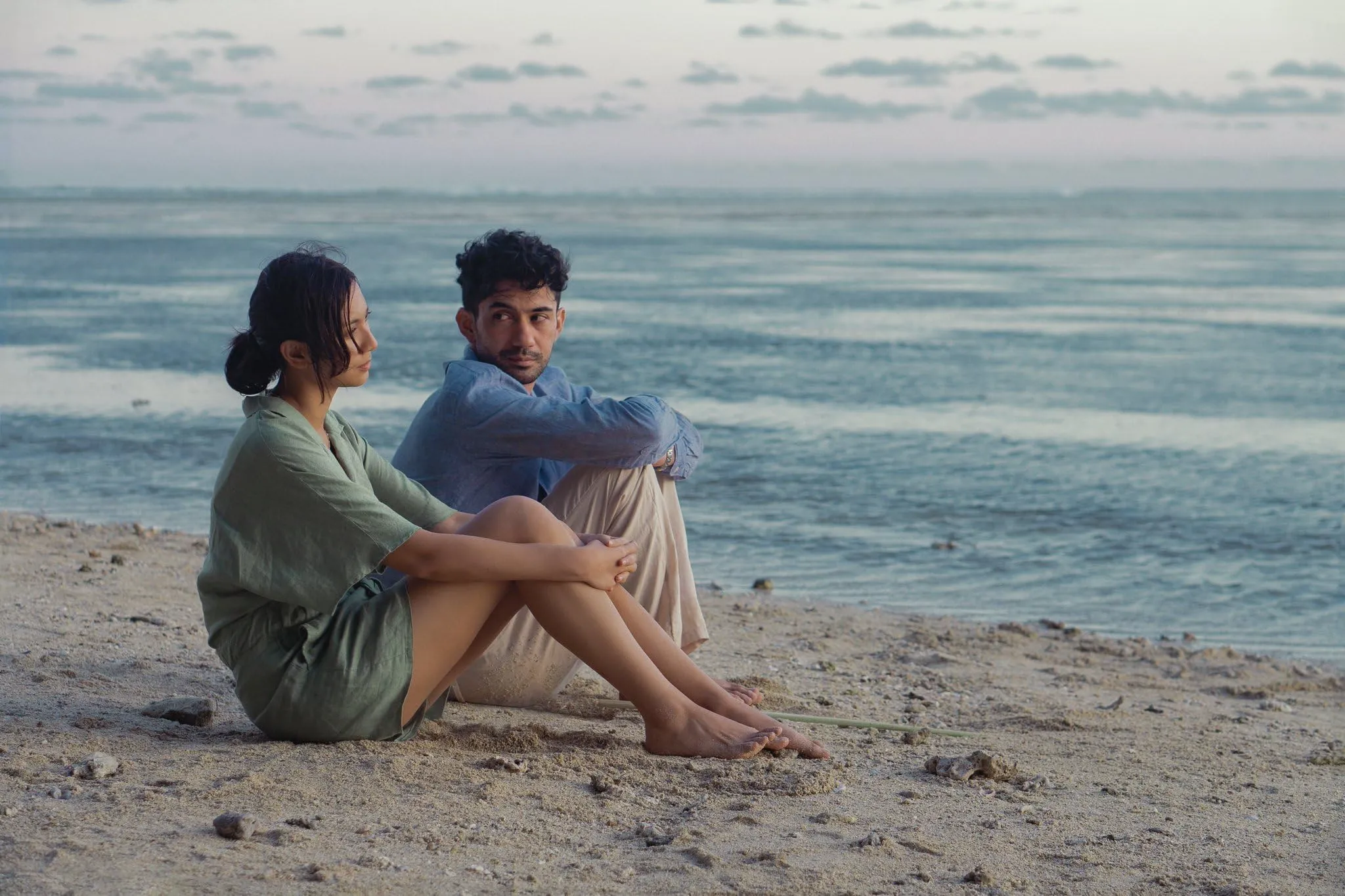
Sheila Dara Aisha’s Kiara channels the spirit of independent‑film heroines familiar to Bollywood audiences. She arrives on set demanding respect, challenging scripted lines with pointed objections. When she argues for unscripted auditions, the editing tightens around her hands—restless, ready for action—while a subtle underscore highlights her resolve. By the island night, her confident stance and steady tone mark a transformation from critic to co‑lead, as she guides Reuben through survival trials with calm authority.
Bucek Depp’s Gunadi looms large in early scenes, his patriarchal weight conveyed through low‑angle shots that reinforce his control. Contestants and colleagues—especially Dita, whose quips land like punchy one‑liners—offer bursts of levity. Their ensemble interplay anchors the dating‑show world in a campy reality that softens the film’s more earnest moments.
The spark between Reuben and Kiara ignites in a series of sparring exchanges. When Dita teases, “Who doesn’t want to marry Reuben Wiraatmadja?” Kiara’s laconic “Me” lands with perfect timing. These verbal duels, shot in alternating close‑ups, trace a path from tension to trust, each frame underscoring how two strong wills can reshape one another.
Behind the Camera: Stripping Illusion, Embracing Truth
In a commentary on superficiality, The Most Beautiful Girl in the World skewers commodified beauty through its glossy Win TV auditions—bright lights, forced smiles and pulsing pop soundtracks echo the excesses of global reality formats from The Bachelor to India’s own Roadies.

The island sequence, by contrast, ditches studio artifice: natural light filters through palms as handheld camerawork and sparse acoustic score reveal Reuben and Kiara unmasked—an echo of parallel‑cinema’s quest for unvarnished humanity in works like Mira Nair’s Salaam Bombay!.
Kiara’s feminist stance channels the Bechdel‑Test aspirations of modern Bollywood dramas. She demands that contestants be seen as more than prizes, critiquing the show’s sexist premise much like documentaries such as Daughters of Mother India spotlight women’s agency off‑screen. Yet the film stops short of fully fleshing every contestant’s backstory—a missed chance to deepen its feminist critique by giving each woman a parallel arc.
Family, legacy and obligation sit at the heart of Reuben’s journey: Gunadi’s will recalls paternal trials in Hindi classics where inheritance rites dictate fate, from Kabhi Khushi Kabhie Gham to regional folklore adaptations. Reuben’s push–pull between filial duty and personal values is underscored by the film’s editing—rapid cross‑cuts in the reading of the will contrast with lingering dissolves in his private reckoning.
Self‑discovery unfurls as Reuben confronts childhood wounds—in one poignant scene, he gazes at a childhood photo amid the studio’s sterile glow, the soundtrack shifting from synthesized beats to plaintive piano. Kiara’s own arc—from sceptical observer to compassionate collaborator—mirrors her shift in lighting: cool blues in early office scenes give way to warm golden hues during shared moments.
While the film deftly satirizes scripted drama with montage sequences that splice rehearsed lines against live reactions, it refrains from a darker biting edge. Instead, Ronny balances critique with warmth, offering an inviting path from artifice to authenticity that resonates with global audiences hungry for both spectacle and soul.
Frames of Feeling: Ronny’s Visual Playbook
Robert Ronny navigates between playful satire and tender romance with deft tonal shifts that recall Bollywood’s genre‑blending traditions—from Farah Khan’s broad comedic set pieces to Imtiaz Ali’s introspective character beats. He paces the two‑hour runtime by alternating high‑energy audition montages—reminiscent of global reality‑TV spoofs—with the deliberate calm of the island scenes, ensuring each set piece lands with narrative purpose.
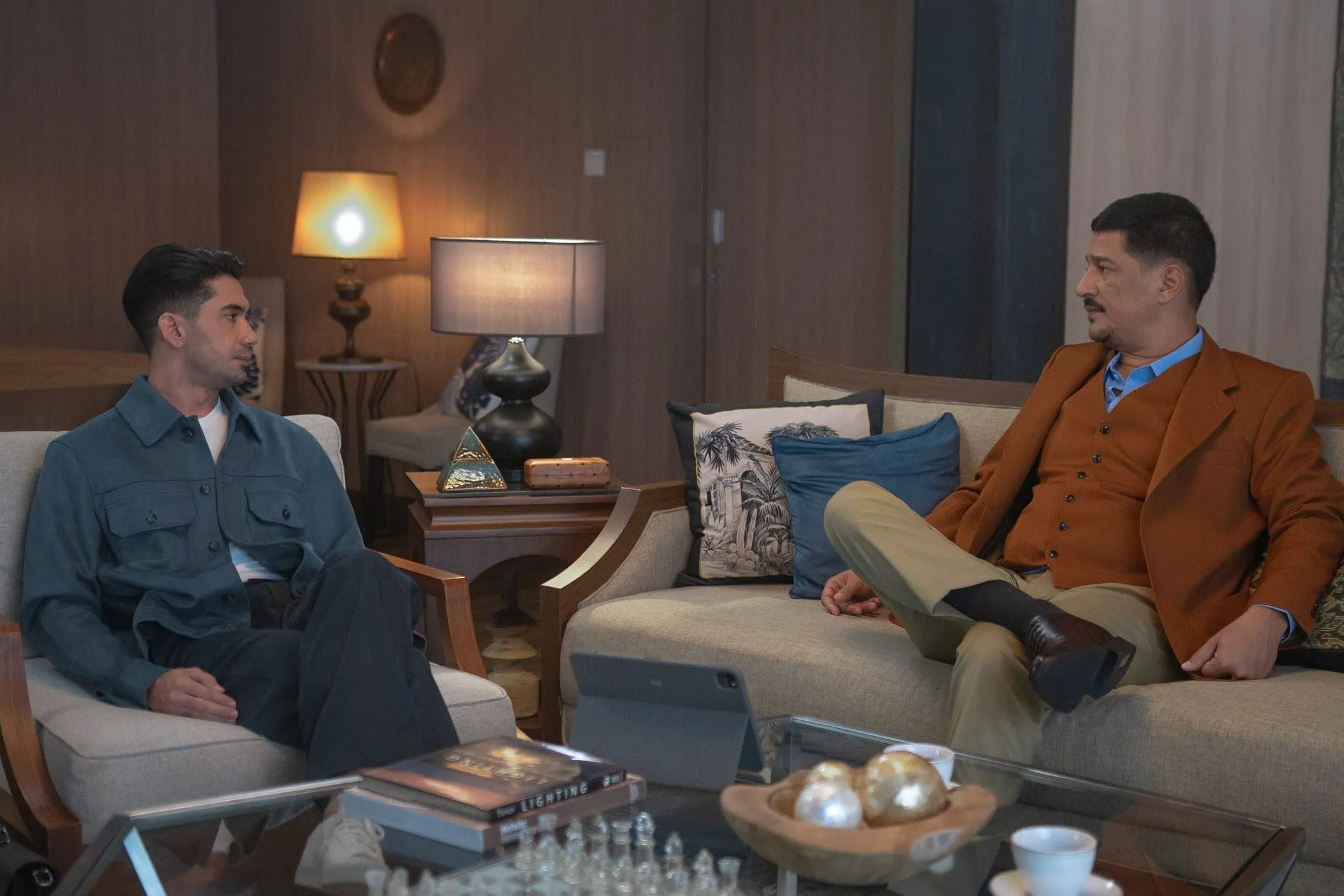
Visually, cinematographer Yadi Sugandi employs a split color palette: the Win TV studio glows in pastel neons and TV‑pink fill lights, evoking Bollywood’s penchant for eye‑catching spectacle, while the island emerges in earthy greens and warm ambers, channeling parallel‑cinema’s affinity for naturalism. Close‑up confessionals borrow from international documentary styles—Reuben’s guarded expressions fill the frame—whereas wide aerial and master shots on the shore underscore his newfound isolation.
Production design contrasts Kiara’s pragmatic wardrobe—linen shirts, muted tones, functional silhouettes—with the contestants’ sequined gowns and showroom makeup, subtly underlining her outsider status. The studio set bristles with towering light rigs, audience facades and cluttered control rooms, nodding to Mumbai’s maze‑like TV complexes.
Editor Rina Rachmatin weaves these elements together through rhythmic cross‑cutting: audition soundbites slice into personal confessions, then give way to languid long takes of Reuben and Kiara building shelter. This dynamic interplay of speed and stillness mirrors the film’s central tension between artifice and authenticity.
Sonic Journeys: From Neon Beats to Island Whispers
The score weaves plucked guitar riffs and light piano figures during Reuben and Kiara’s banter, echoing the playful cues of Bollywood rom‑coms while nodding to contemporary pop production. At moments of genuine connection—such as their first unscripted rehearsal—the music shifts to gentle gamelan-inspired percussion, grounding the emotion in Indonesian sonic heritage.
Diegetic sound drives the studio sequences: audience cheers, camera shutters and the producer’s headset chatter layer over the polished pop track, immersing viewers in Win TV’s manufactured thrill. On the island, those orchestrated tones vanish. Instead, rustling leaves, lapping waves and distant birdcalls fill the soundscape, a technique reminiscent of Indian parallel cinema’s use of ambient noise to reveal character states.
Sharp edits transition between these worlds: one second, multitrack studio polish; the next, raw natural acoustics. This deliberate contrast reinforces the film’s theme of stripping away artifice, guiding the audience from bright spectacle into intimate sincerity.
Beyond the Frame: Romance as Cultural Mirror
Indonesia’s film industry has surged on Netflix, and The Most Beautiful Girl in the World arrives as a testament to its rising global presence. While Thai and Filipino rom‑coms have charmed international audiences with their breezy humor and local color, this Indonesian entry blends slick studio production with touches of regional storytelling—ushering in a new wave of Southeast Asian romance that can stand alongside Bollywood’s glossy offerings.

Dating shows have become a worldwide obsession, from the U.S. juggernaut Love Island to India’s Splitsvilla. Here, Win TV’s flagship program is reframed through an Indonesian lens: familial duty and community reputation weigh as heavily as rose ceremonies. The film contrasts public spectacle—the cheering studio crowd, tabloid chatter—with intimate moments behind the cameras, reflecting how non‑Western contexts often place collective values above individual drama.
Western rom‑com tropes like enemies‑to‑lovers and the matrimonial ultimatum gain fresh resonance when placed within local customs: Reuben’s inheritance challenge echoes Asian familial pressure to conform, yet it also nods to Bollywood narratives where weddings resolve both personal and social conflict. Domestic viewers will recognize nods to telenovela‑style theatrics, while international audiences will appreciate the film’s sincerity and layered humor.
By weaving gender roles, class divides and media ethics into its love story, the film comments on how modern Indonesia negotiates tradition and ambition—showing that even in a highly produced reality show, authentic connection can prevail.
Full Credits
Director: Robert Ronny
Writer: Robert Ronny
Producers: Robert Ronny, Reza Rahadian, Sheila Dara Aisha
Cast: Reza Rahadian, Sheila Dara Aisha
The Review
The Most Beautiful Girl in the World
By weaving satire of reality TV with heartfelt character growth and cultural nuance, Robert Ronny’s film delivers a warmly engaging rom‑com that champions authenticity over spectacle. While it occasionally leans on familiar beats, the strong lead performances and thoughtful cultural context lift it above standard fare.
PROS
- Reza Rahadian and Sheila Dara Aisha bring genuine chemistry and depth.
- Blends Indonesian traditions with global rom‑com sensibilities.
- Slick studio design versus natural island cinematography.
- Critique of reality‑TV artifice alongside genuine self‑discovery.
- Humorous satire woven seamlessly into heartfelt moments.
CONS
- Relies on familiar rom‑com tropes and story turns.
- Supporting characters feel more like background than full individuals.
- Could have pushed darker commentary on media ethics.