

























Spike Lee’s Highest 2 Lowest unfolds like a kaleidoscope of moral tension set against New York’s restless skyline. Here, David King stands at a crossroads: to safeguard a child’s life or shield a business empire built on Black artistry. The narrative hinges on that wrenching choice, each heartbeat echoing in the cavernous penthouse where opulence and obligation collide.
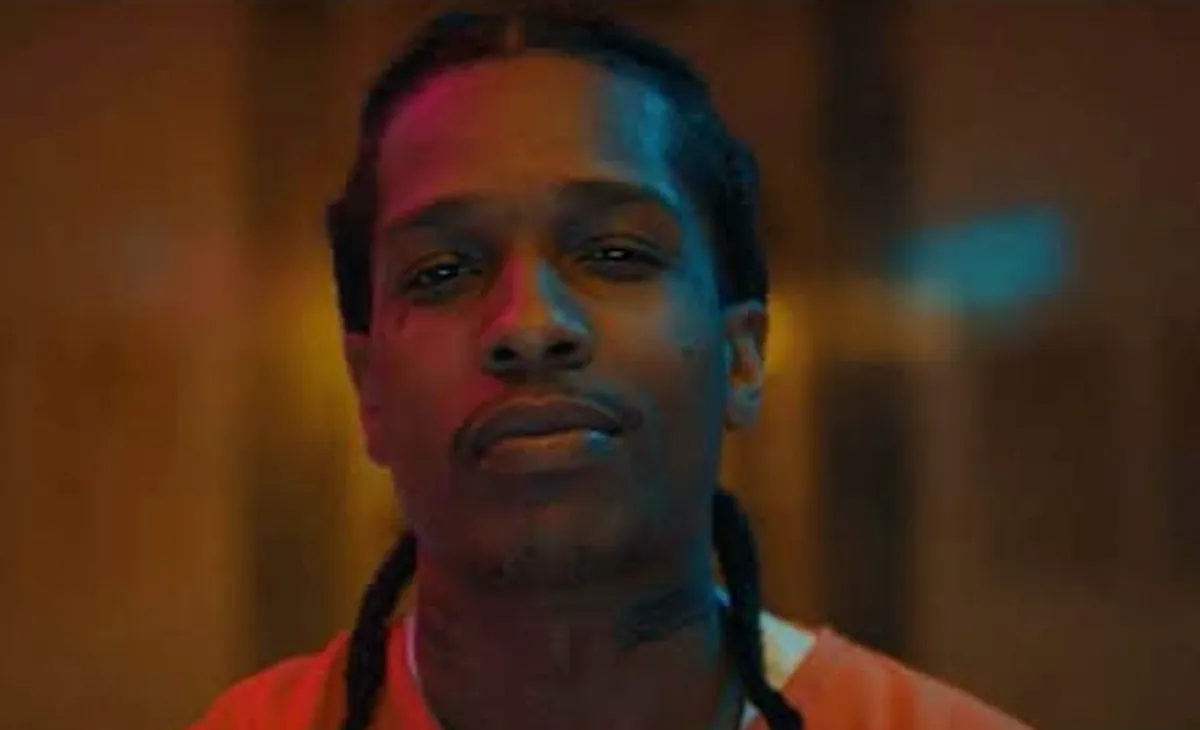
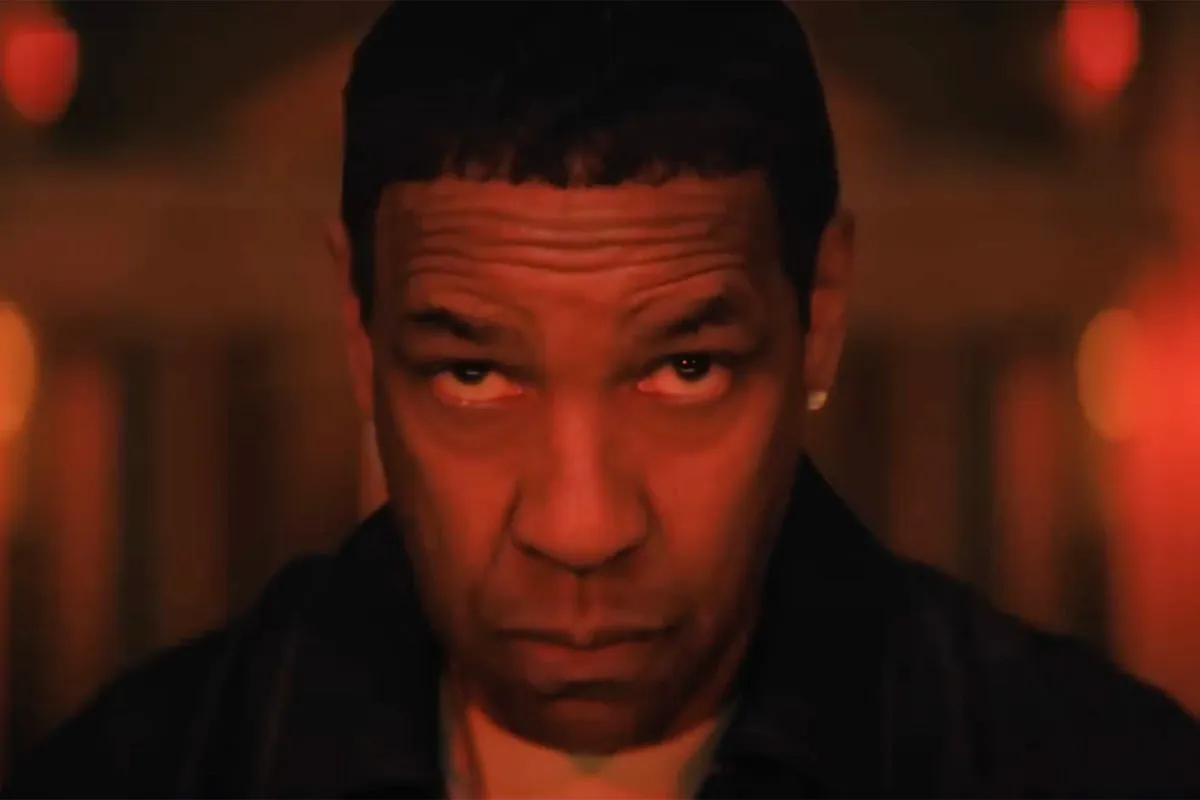
Denzel Washington embodies King with regal confidence that fractures under pressure, his every gesture a testament to the weight of legacy. Jeffrey Wright’s Paul moves through King’s world with quiet ferocity—father to Kyle, pawn in a scheme that exposes loyalties as elastic as the city’s grid. Across the wire, A$AP Rocky’s kidnapper broadcasts fury and grievance, a ghost of dreams deferred, demanding both ransom and reckoning.
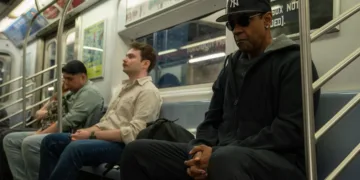
This opening salvo marries procedural suspense to an intimate character study. Lee’s lens alternates between gilded interiors and the subway’s claustrophobic rush, underscoring how privilege and peril share the same urban pulse. In reframing Kurosawa’s moral inquiry, the film interrogates the cost of success when every choice carries the echo of inequity.
Crossroads of Conscience
At the heart of Highest 2 Lowest lies a crucible of choice, where David King’s instinct to protect intersects with the pull of untethered ambition. Every decision he makes under duress—phone pressed to his ear, pulse quickened by the ticking clock—reveals the fault lines between paternal loyalty and corporate calculation. The boy in peril becomes a mirror for King’s own fractured priorities, each beat of his heart echoing the tension between fatherhood and boardroom warfare.
Beneath the glossy veneer of Stackin’ Hits, Spike Lee excavates the layered realities of Black entrepreneurship. King’s empire stands as both monument and millstone, his vast fortune a tribute to perseverance against systemic blocades. Yet the friendship with Paul carries a quieter gravity: one man’s success bears the weight of another’s indebtedness. In their exchanges, privilege glints against hard-earned resilience, a dynamic that questions the currency of grace in a world dictated by dollars and debts.
Artistry itself feels endangered in this landscape. King, once electrified by first listens and raw demos, now drifts through meetings like a maestro who’s lost his baton. His adversary—a kidnapper fueled by rage and yearning—embodies what King might have become had the scales of fortune tipped differently. In that tremor of recognition, the film suggests that creativity and commerce exist on opposite banks of the same river, each threatening to drown the other when currents shift too swiftly.
Technology amplifies every move. Social media’s spotlight turns private anguish into public spectacle, while GPS trackers and surveillance cameras transform suspense into digital cat-and-mouse. In this modern retelling, every gadget becomes a harbinger of vulnerability, mapping out a new terrain of peril where the city’s heartbeat can be charted in data—and exploited by those who know how to read its pulse.
The City as Co-Director
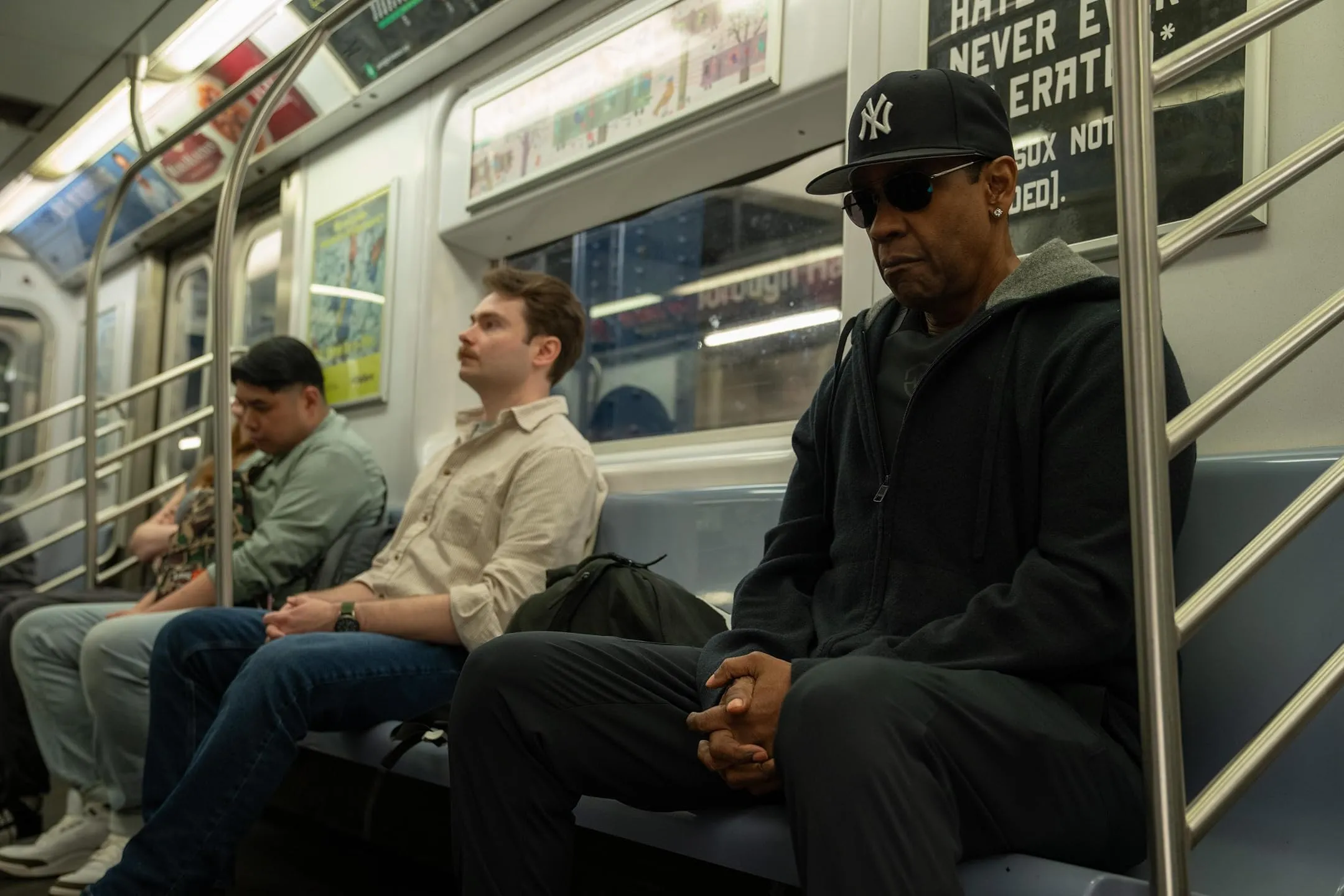
Spike Lee orchestrates Highest 2 Lowest with a choreographer’s precision, transforming New York’s streets into a living set piece. The film oscillates between the penthouse’s pristine geometry—gleaming surfaces, minimalist furnishings, a palette of ivory and steel—and the subway’s claustrophobic bustle, where fluorescent bulbs flicker over graffiti-streaked walls. Each locale becomes a character in Lee’s composition, its textures and rhythms revealing more about David King’s fractured psyche than any line of dialogue.
Visual tributes to Kurosawa—wipe transitions that echo cinematic samurai duels, split-screen framings that fracture perspective—sit alongside Lee’s signature bravura. Mobile cameras glide through luxury suites, then pivot sharply to capture the jostle of commuters clutching straps on the 4 train. This contrast in movement mirrors King’s internal oscillation: measured control within his empire, raw urgency when stakes surge.
Matthew Libatique’s lens alternates between wide expanses that swallow King in skyscraper canyons and tight close-ups that dissect every flicker of doubt in his eyes. Editing during the subway ransom sequence pulses like a racing heart, cutting from roaring crowds to trembling hands gripping a duffel bag. Sound and image sync in a rhythmic volley, each splice ratcheting suspense tighter.
Costume and décor articulate King’s past triumphs and present anxieties. Walls lined with rare vinyl and sports memorabilia read as relics of a golden era, while digital dashboards and corporate boardroom art signal a man whose triumphs have calcified into habitat. In every meticulously arranged prop, Lee’s eye for cultural detail surfaces—this is a world built on triumphs that threaten to become tombstones, its sheen concealing the fault lines of ambition.
Human Equations
David King emerges as a paradox in Denzel Washington’s hands: a titan whose confidence fractures under ethical strain. His stride carries the weight of a man accustomed to triumph, yet Washington allows cracks to form—a tightening jaw, a faltering gaze—that betray the moral ledger shifting beneath King’s polished exterior. In moments of highest tension, charisma slips into doubtless determination, revealing a leader whose instincts clash with conscience.
Opposite him, Jeffrey Wright’s Paul Christopher anchors every scene with resolute gravity. Paul inhabits the frame as lived experience made flesh, his stance unbowed even when suspicion hovers. Wright’s performance maps the agony of a friend forced into peril, each glance toward King laden with both gratitude and unspoken reproach. Their brotherhood unfolds in unsentimental exchanges—a hand on a shoulder, a terse “we’ll get through this”—that carry more freight than any grand declaration.
A$AP Rocky’s kidnapper transcends the caricature of a villain, rendered instead as a vessel of grievance and aspiration. Rocky channels reverberations of societal neglect in each clipped syllable, his fury tempered by moments of haunting vulnerability. The character’s ideological undercurrent surfaces not through lectures but through restless energy—a man disarmed by fortune’s caprice, demanding redress in cash and chaos.
Ilfenesh Hadera’s Pam cuts through the male-dominated turmoil with poised assertiveness. Her composure never masks the tension brewing beneath; she stands as moral counterweight to King’s hesitations, eyes flicking between boardroom ambushes and family’s jeopardy. Aubrey Joseph and Elijah Wright embody youthful stakes—Trey’s ambition shadowed by guilt, Kyle’s innocence tainted by trial—each performance sketching how loyalty and aspiration can collide under duress.
The detectives form a chorus of institutional scrutiny, their interactions underscoring how race ripples through power structures. A brusque inquiry here, a patronizing glance there, and the film lays bare a system that grants King deference yet treats Paul and Kyle as suspects. In this ensemble dynamic, performances illuminate the collisions of class, color, and consequence that pulse at the film’s core.
Architecture of Tension
Act I unfurls with a pastel-drenched sunrise montage scored to “Oh, What a Beautiful Mornin’,” setting a deceptive calm over King’s penthouse. The camera lingers on David’s confident stride as he pitches a takeover, then pulls back to reveal family moments rich with unspoken friction: Pam’s expectant gaze, Trey’s hopeful demonstration of musical demos. This opening tableau roots us in King’s dual world of boardroom ambition and domestic obligation.
In Act II, the siren’s call arrives via a terse phone message. The household transforms into an impromptu command center, detectives staking out a dining-room table strewn with call logs and whiteboards. David’s posture stiffens as reality unravels: the boy in peril is not his own, and his instinct to protect collides with the shudder of economic loss. That hesitation, captured in a single close-up, crackles with moral stakes.
The subway ransom sequence in Act III relocates the drama to a rattling 4 train, where Puerto Rican Day Parade revelers flood platforms. Lee sustains suspense through layered sound—roaring horns, pounding percussion, murmured chants—while editing choreography shuttles between King’s anxious grip on a money-laden bag and the crowd’s oblivious joy. The regulated clack of wheels on tracks contrasts sharply with improvisational street drums, each beat ratcheting tension.
The climactic face-off opens in a recording studio where Lee stages a rap-battle duel. Microphones become weapons, lyrics slicing through silence in a test of creative and moral mettle. From there, a final pursuit threads through back alleys and neon-lit corridors, resolving the abduction with kinetic clarity. In these set pieces, the film balances ritualized spectacle and raw urgency, engineering each moment to propel David King toward the choice at its core.
Sonic and Visual Alchemy
Howard Drossin’s score pulses like a hidden heartbeat beneath the film’s surface, shifting from sweeping orchestral swells in the penthouse to the gut-punch funk of James Brown and impromptu street bands. This duality underscores every twist of tension: lush strings amplify David King’s isolation in his glassy domain, while raw percussion and horn blasts propel the subway sequence into fever pitch, where drums and dialogue entwine in a single breath.
Sound design elevates the city itself to a co-star. Subway screeches, distant sirens, and the murmur of parade crowds weave through the mix, each ambient layer anchoring the chaos in tangible space. Lee’s editing choice to blur diegetic footsteps with a rising non-diegetic drone intensifies suspense, making every footfall an omen and every cheer a counterpoint to dread.
Matthew Libatique’s lens shifts textures as effortlessly as Lee shifts moods. Interiors gleam with digital precision—cool highlights glancing off marble and chrome—while exteriors adopt a grainier, filmic patina that roughens every subway car and fire escape. Lighting in the penthouse favors high-angle glow, bathing King in almost holy luminescence, whereas chase scenes sink into chiaroscuro, shadows swallowing corners and forcing characters into stark relief.
Costume and set dressing complete the portrait. Penthouse walls bristle with platinum records and rare memorabilia, signifiers of frozen triumph. Suits tailored in muted hues give way to wind-blown jackets and streetwear as David descends into the city, each wardrobe shift tracing his arc from imperious mogul to vulnerable seeker.
Mirrors of the Metropolis
Highest 2 Lowest confronts the fault lines of racial and economic stratification with an unflinching lens. Wealth disparity is laid bare in King’s penthouse vistas—skyscrapers glitter overhead while street corners host impromptu block parties—and the film interrogates who gains entry into creative spaces and who remains locked out. Spike Lee pays homage to New York’s mosaic of sound and spectacle, from subway chants to stadium roars, framing music and sports fandom as collective arteries that bind disparate communities.
Recasting Kurosawa’s class critique into a Black American narrative, Lee spotlights how systemic barriers shape ambition and desperation. The kidnapper’s fury echoes generations denied access to opportunity, while David’s empire stands as both triumph and testament to structural resilience. As a capstone to a career defined by cultural advocacy, this film reaffirms Lee’s role as chronicler and agitator—reinvigorating his own artistry even as it holds a mirror to society’s enduring imbalances.
Highest 2 Lowest premiered out of competition at the 2025 Cannes Film Festival on May 19, 2025, and is scheduled for theatrical release in the United States on August 22, 2025, followed by streaming on Apple TV+ starting September 5, 2025.
Full Credits
Director: Spike Lee
Writer: William Alan Fox
Producers: Todd Black, Jason Michael Berman, Jordan Moldo
Executive Producers: Spike Lee, Peter Guber, Matthew Lindner, Chris Brigham, Katia Washington, Ko Kurosawa
Cast: Denzel Washington, Jeffrey Wright, Ilfenesh Hadera, A$AP Rocky, Dean Winters, Michael Potts, Ice Spice, LaChanze, Jeremy Sample, Evyn George, John Douglas Thompson, Elijah Wright, Aubrey Joseph, Wendell Pierce, Manny Joseph, Andy McQueen
Director of Photography (Cinematographer): Matthew Libatique
Editors: Barry Alexander Brown, Allyson C. Johnson
Composer: Howard Drossin
The Review
Highest 2 Lowest
Spike Lee’s Highest 2 Lowest pulses with intelligent suspense and striking cultural insight, anchored by Denzel Washington’s commanding turn and Lee’s vivid reimagining of Kurosawa’s moral inquiry. Its thematic ambitions occasionally strain narrative focus, yet its bold set pieces and resonant exploration of power and identity make it a compelling late-career statement.
PROS
- Denzel Washington delivers a magnetic, multifaceted lead performance
- Spike Lee’s inventive staging of New York feels both grand and intimate
- Subway ransom sequence ranks among Lee’s most thrilling set pieces
- Sharp exploration of Black entrepreneurship and moral accountability
- A$AP Rocky brings unexpected depth to the kidnapper’s role
CONS
- Plot juggling can dilute emotional impact
- Early acts linger too long in static interiors
- Occasional tonal shifts disrupt narrative momentum
- Themes sometimes compete rather than cohere