




























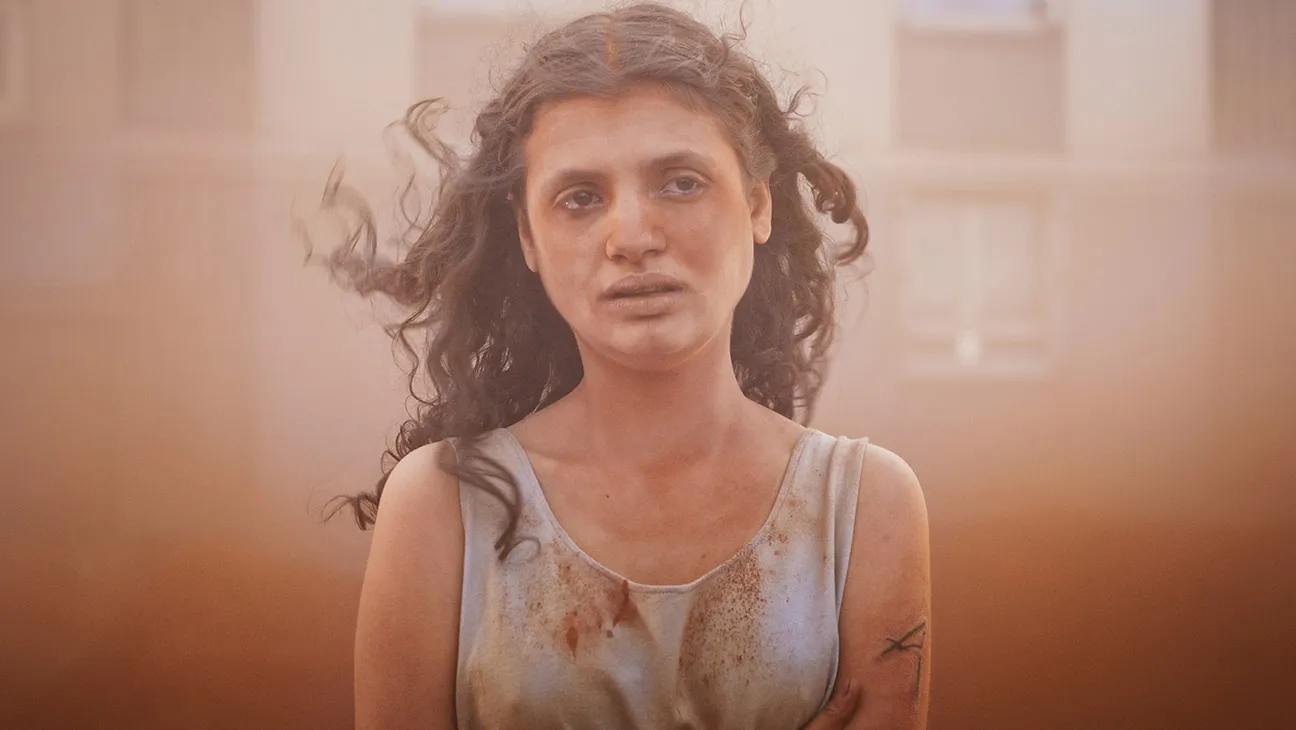

Julia Ducournau returns with a film that fractures time like splintered glass, shifting between the neon haze of the 1980s and the anxious undercurrents of the 1990s. At its center stands Alpha, a thirteen-year-old caught between childish rebellion and mortal dread after a crude stick-and-poke tattoo threatens to mark her with an invisible curse. The epidemic she faces—its victims shedding flesh for marble—is both literal and metaphoric, an elegy to lives eroded by fear and stigma.
In intimate domestic scenes, a mother’s clinical calm cracks beneath whispered prayers and the sterile hum of hospital wards. Across sterile corridors, breath turns to frost; bones become monuments. These transformations mirror adolescence itself, when identity ossifies and soft skin seems vulnerable to every glance. Boros’s measured performance anchors this uncanny allegory, her eyes oscillating between defiance and disbelief.
Ducournau’s camera lingers on wounds and whispered curses, capturing moments of tenderness that shimmer through decay. Silence drapes over corridors like mourning shrouds, then is rent by distant alarms and subliminal heartbeat pulses. Under this tension, the film asks: how do we remember those who harden into cold reliquaries, and what human shape remains when warmth succumbs to frost?
Chronicles of Shifting Shadows
Ducournau splits her tale between two epochs, weaving past and present like threads of a frayed tapestry. In the 1980s, we glimpse Amin’s first tremors of marble—his body caught between flesh and stone—while the 1990s corridor of Alpha’s anxieties pulses with new menace. Flashbacks emerge in muted color washes, their brushstrokes stark against the colder, clinical palette of Alpha’s current fear. Each temporal shift carries its own breath: a ragged inhale of memory, an exhale of dread.
Information unfolds not as flat exposition but as an archaeological dig through family myth and medical mystery. A scratch of dialogue here, a blood-test result there, and the mechanics of infection reveal themselves. Suspense is not hoisted by jump cuts alone but balanced by moments of quiet reckoning—Alpha’s silent stare at her own tattoo, her mother’s measured adjustments of the bandage. The story murmurs secrets before it roars them.
Tension rises gradually. The opening party scene bristles with adolescent bravado, shadows dancing on bare walls. At school, whispered rumors coil around Alpha like a snake. Midway, the pool becomes a cathedral of violence: blood mingles with chlorinated water, and students drift away as if she has already died. Hospital corridors thrum with an ebb and flow of monitors and murmurs, each heartbeat a metronome of fear.
Transitions often hinge on sound: the cold drip of intravenous fluid; a hushed prayer in Berber; the sudden clang of a gurney door. Between these acoustic ruptures lie moments of tender humanity—Alpha brushing her uncle’s marble cheek, the mother’s hand lingering on her daughter’s arm—before Ducournau pulls us back into the next convulsion of horror.
Stone and Silence: Parables of the Flesh
At its core, Alpha unfolds as an elegy to bodies made other—an allegory of illness and stigma drawn from the shadow of AIDS. Fear ripples through empty halls, whispered rumors carving new fault lines between children. When skin hardens into marble and every exhalation blooms frost, Ducournau sketches a visual parable: our breath, once proof of life, becomes a marker of exile.
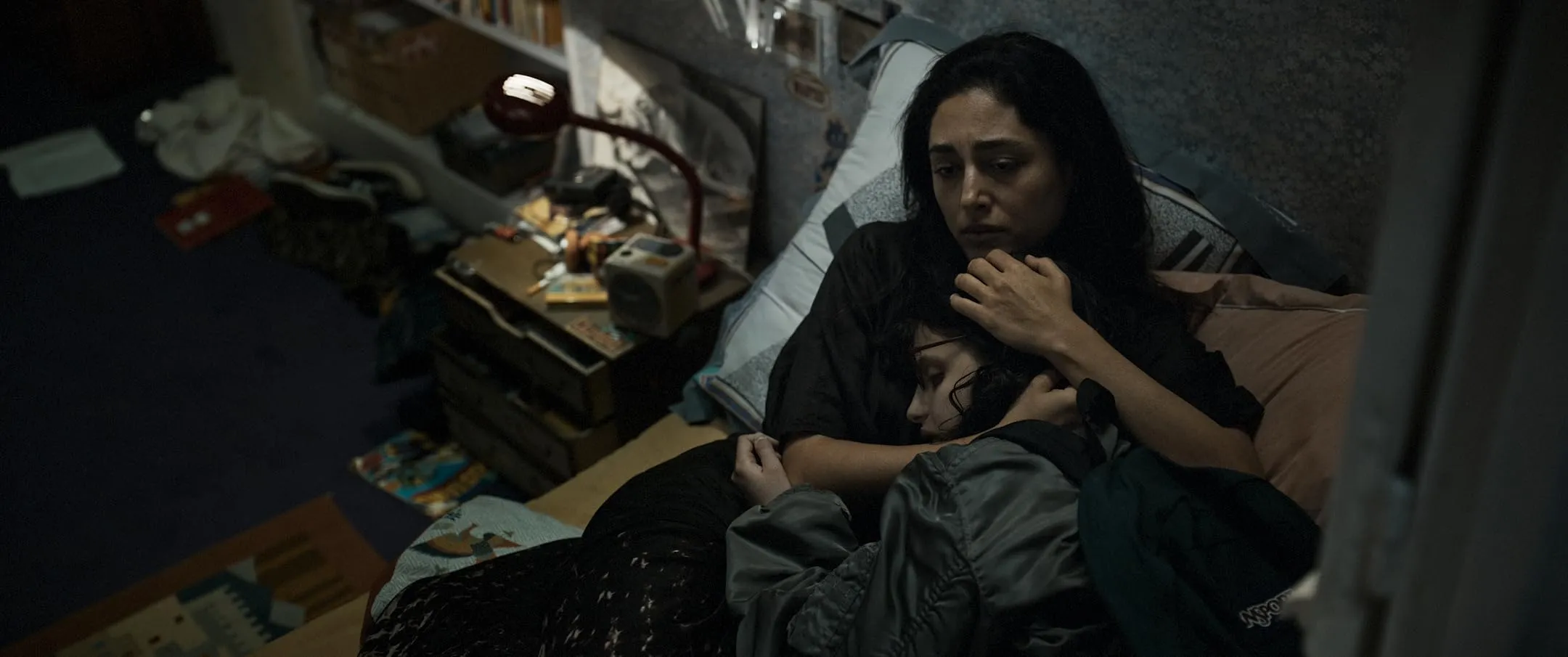
Here, body horror dissolves the boundary between flesh and feeling. A bleeding head wound becomes as telling as a tear, a reminder that trauma writes itself across the epidermis. This “soft body-horror” intensifies adolescence: each puncture, each crimson stain, brings Alpha closer to an initiation she never sought. Her physical transformation resonates with inner unrest—her skin a mirror for concealed anxieties.
Family emerges as both sanctuary and battleground. Absent is the father’s steady hand; present is Amin, a phantom uncle haunted by past infections and old regrets. His return ignites a fragile bond that alternately soothes and shatters. The mother splits her care between sterile wards and home’s shuttered rooms, a doctor whose oath extends to her daughter’s beating heart. Within these fractured ties, affection and dread entwine.
Cultural identity simmers beneath every glance. Alpha’s Berber roots flicker in hushed conversations she cannot decode, a silent barrier that isolates her even from those she loves. A whispered legend of the “red wind” hints at souls stolen by unseen forces, bolstering the film’s meditation on loss. In this interplay of language and lore, Ducournau reminds us that belonging can be as fragile as a breath in winter air.
Echos in Flesh and Gaze
Mélissa Boros inhabits Alpha with a trembling intensity. In her first moments on screen, uncertainty flickers across her eyes—an adolescent poised between rebellion and terror. After the tattoo, Boros lets silence speak: a hand tightening at the inked ‘A,’ a shuddering breath that dissolves into trembling resilience. In the pool sequence, her panic is a physical tide, limbs lashing, chest pounding, as classmates turn away. Yet in quieter moments—when she brushes a marble cheek—there’s a steel beneath her fear, a resilience forged in the crucible of loss.
Golshifteh Farahani’s mother is a study in controlled crisis. She moves through hospital corridors with the precision of a scalpel, each step measured, each glance clinical. But at home, her composure fractures. A single tear can bloom beneath her calm facade, a reminder that healing others cannot shield her heart. The conflict between her oath and her love pulses in every scene: stethoscope draped over a shoulder, eyes darting toward her daughter’s bandaged arm.
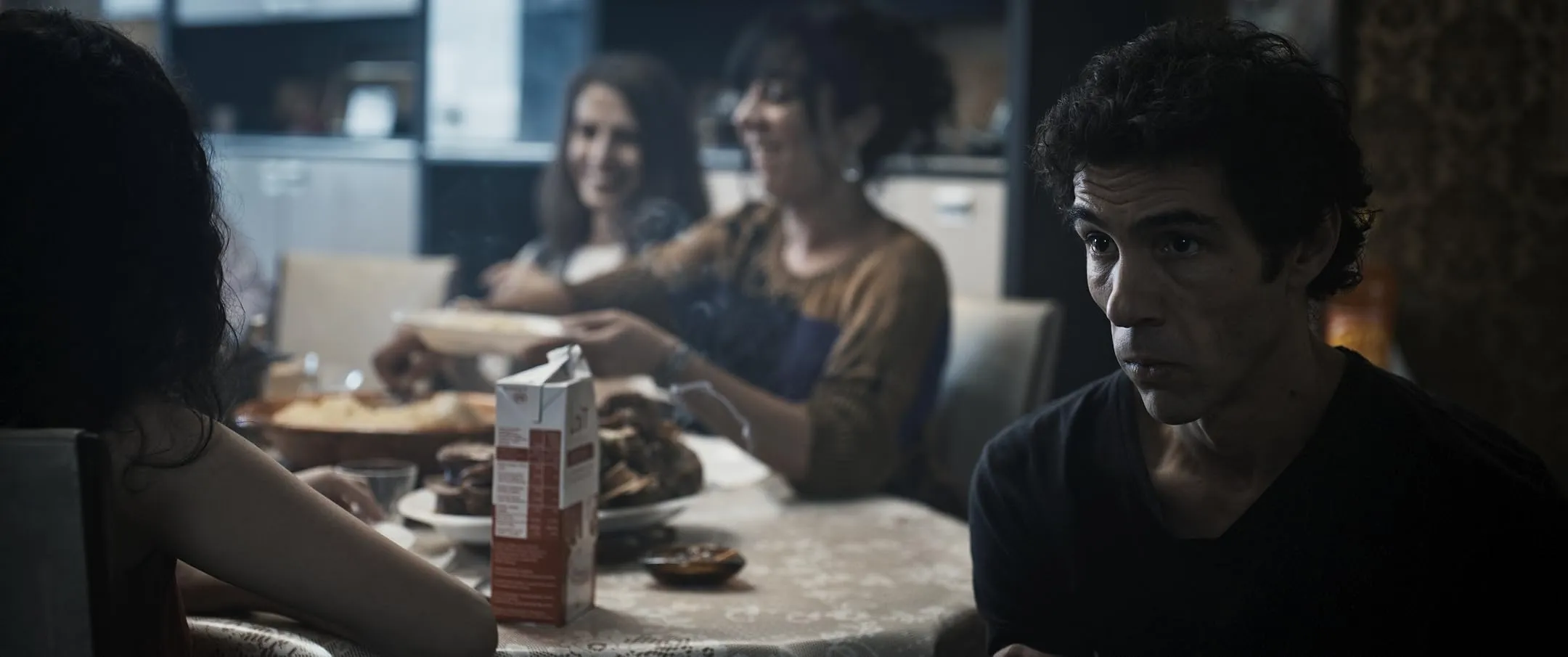
Tahar Rahim disappears into Amin’s haunted frame. His gaunt silhouette, spine curved as if bearing invisible weights, conjures ghosts of addiction and regret. His gaze oscillates—one moment a spark of warmth, the next a hollow ache. In shared frames with Boros, danger and tenderness collide. A tentative touch on her wrist can feel both tender promise and fragile threat. As their bond deepens, Amin shifts from spectral addict to a surrogate guardian, offering fleeting redemption even as his body succumbs to marble’s silent siege.
Schoolmates and hospital staff populate this world with muted cruelty. Children pass whispered verdicts; nurses flit by Alpha’s bed, their faces unreadable masks. In their silent complicity, we glimpse society’s indifference to suffering.
Across these performances, chemistry ignites in charged silences. Boros and Rahim craft a dance of fear and hope, while Boros and Farahani trace the complicated geometry of trust—each misplaced word a fracture in their fragile connection. Here, acting becomes an anatomy of emotion, disclosing the sorrow beneath each breath.
The Alchemy of Light and Sound
Ruben Impens cloaks Alpha in a palette of muted grays, each frame etched with the pallor of dread. Interiors feel compressed—walls pressing inward, hallways swallowed by empty echoes. Then, in flashbacks, warm ochres and soft ambers bloom like fading memories, a brief reprieve from the film’s frost-kissed present. The camera drifts slowly, lingering on a widening bruise or a trembling breath, as if reluctant to witness these transformations yet unable to look away.
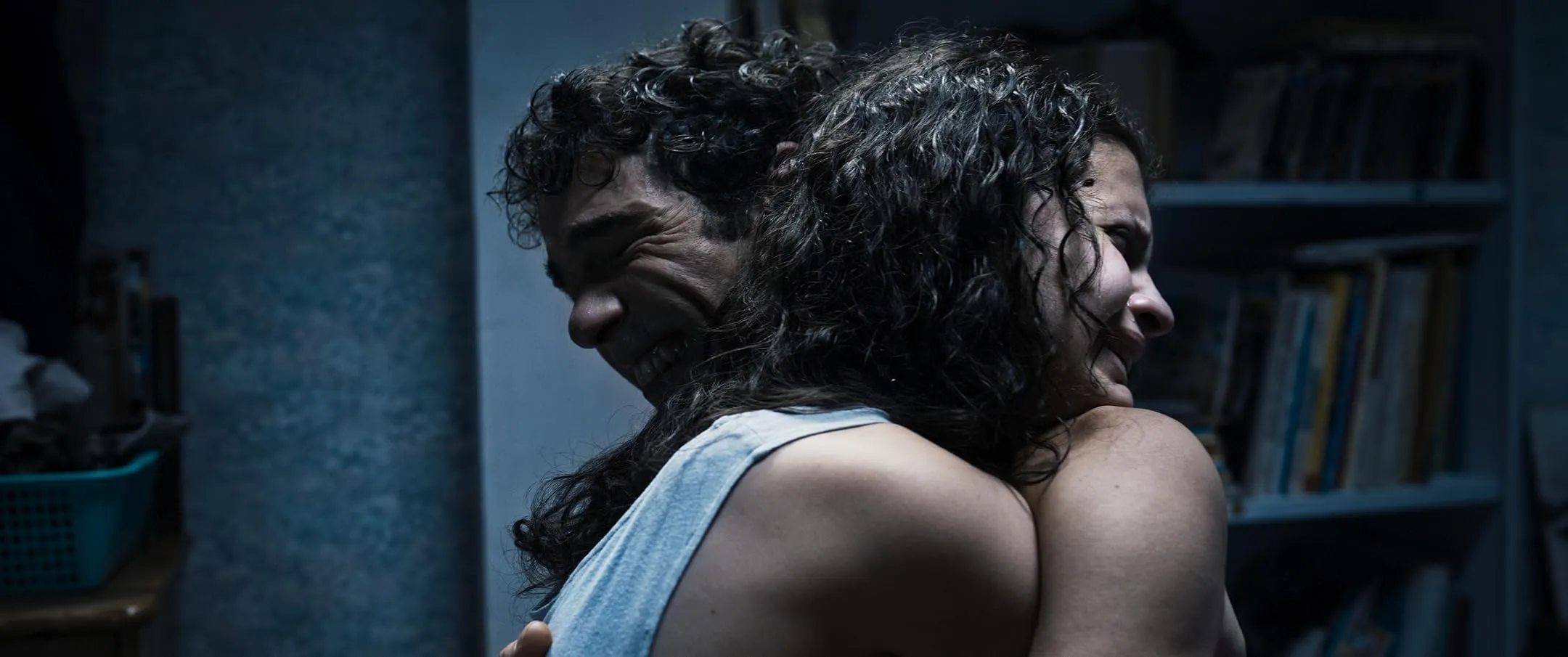
Production design amplifies isolation through geometry. Housing blocks rise like silent sentinels, their straight lines and uniform facades echoing the epidemic’s impersonal spread. In school corridors, lockers stand in neat rows, characters reduced to numbers beneath scrawled graffiti. Costume choices anchor us in time: punkish leather jackets and acid-wash denim whisper of youthful defiance, even as they clash against sterile hospital whites.
The marbleization effect emerges from a marriage of prosthetics and digital sorcery. Skin hardens with a sheen that recalls classical statuary, each pore and vein still visible beneath the stone veneer. When breath blooms into frost, it feels like a pale incantation, a visual poem on mortality. Practical makeup grounds these moments in tactile reality, while subtle digital layering ensures that the metamorphosis never slips into artifice.
Silence is a character here. In the hush of hospital corridors, the drip of IV fluid resonates like a metronome. Ambient hums—ventilators, distant murmurs—become a tapestry of unease. Sudden musical swells punctuate key emotional crescendos, notes that hover like whispered confessions before dissolving into the aether.
Editing threads past and present with precision. Cross-cuts jolt us between timelines, each transition a small rupture in perception. Dread is held in suspended beats: a long pause before a scream, a stretched second before the marble cracks. Then, rapid cuts propel us into chaos—blood specks, frantic footsteps—before the world slows again to that uneasy stillness.
In these details, Ducournau and her collaborators forge an atmosphere that stirs both intellect and instinct, inviting contemplation on form, decay, and the fragile architecture of human experience.
Echoes of Fear and Tenderness
Ducournau threads horror and empathy with a deft hand. A sudden marbleization shocks the senses, yet it is a soft touch—a lingering look between Alpha and her uncle—that etches itself into memory. When contagion looms, we feel each flinch and gasp alongside her, as if the dread were our own.
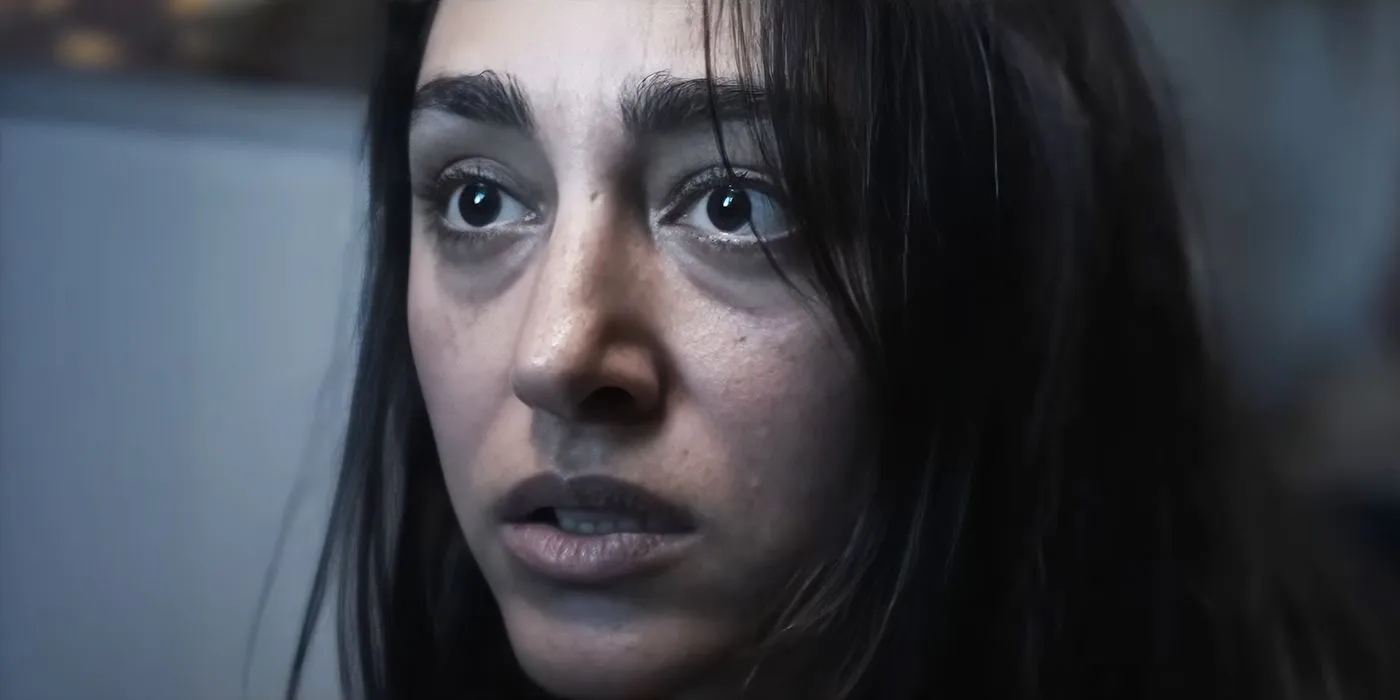
The school–pool attack crystallizes social cruelty. Blood swirls in chlorinated water while classmates recoil, silent witnesses to both violence and abandonment. In the hospital’s hushed corridors, every footstep thuds like a funeral drum. Medical monitors hum a lullaby of unease.
Domestic warmth seeps through these terrors: a mother’s careful bandaging, Alpha’s breathy whispered prayers. That fragile glow deepens the chill of the epidemic’s reach. And in the final housing-estate tableau—berber chants drifting through cold air—the film anchors its folk-belief motif, suggesting souls are never fully lost.
Viewers emerge carrying echoes of loss and remembrance. The sight of marble-hardened bodies feels less a spectacle than a requiem: these figures stand as silent monuments to lives altered and affections tested. In this space between decay and devotion, the film lingers long after the last frost-kissed breath.
Alpha premiered at the 2025 Cannes Film Festival and is scheduled for theatrical release in France on August 20, 2025.
Full Credits
Director: Julia Ducournau
Writer: Julia Ducournau
Producers: Jean des Forêts, Amélie Jacquis, Éric Altmayer, Nicolas Altmayer
Cast: Mélissa Boros, Golshifteh Farahani, Tahar Rahim, Emma Mackey, Finnegan Oldfield, Louai El Amrousy, Jean-Charles Clichet, Christophe Perez
Director of Photography (Cinematographer): Ruben Impens
Editor: Jean-Christophe Bouzy
Composer: Jim Williams
The Review
Alpha
Alpha shatters the veil between flesh and memory, forging empathy from terror. Boros’s fragile courage and Ducournau’s stark universe linger in the mind, a meditation on loss and transformation. Though its stylistic audacity sometimes overwhelms, the film’s emotional core echoes with haunting clarity. It stands as a tribute to cinema’s power to etch fear and love into stone.
PROS
- Striking visual metaphors that fuse body horror with emotional depth
- Mélissa Boros delivers a raw, affecting central performance
- Tahar Rahim’s physical transformation lends credibility and pathos
- Sound design and score amplify tension without overwhelming
- Thematic layers invite reflection on stigma and familial bonds
CONS
- At times, thematic density can feel overwhelming
- Pacing occasionally stalls amid extended atmospheric moments
- Some narrative threads compete for attention







