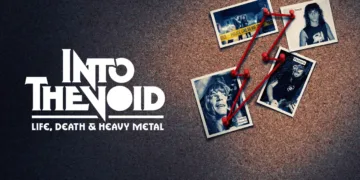




























The Hulu docuseries Into the Void: Life, Death and Heavy Metal arrives as an eight-part elegy for the genre’s most mythic figures. It sets aside textbook surveys of thrash, death, or black metal and builds a suite of biographies shaped by tragedy, adversity, and early loss. The series tracks how heavy metal’s subculture, often judged as nihilistic from the outside, works as a fierce outlet for identity and mortality.
Each episode plays as a self-contained film that profiles a distinct personality or event from the metal world. The approach remains sympathetic and human, favoring personal drama over cheap sensationalism. These are layered human stories that hold attention even for viewers whose playlists lean closer to smooth jazz.
From Guitar Gods to Culture Wars
Into the Void casts a wide net, pairing rock royalty with stories that speak to cultural struggle. Randy Rhoads appears as the gifted guitarist killed at 25 in a flight accident, and Dimebag Darrell appears as the Pantera founder murdered onstage. Chuck Schuldiner of Death receives careful attention as an influential musician who died of a brain tumor.
These high-profile chapters give the series its anchors, while significant focus lands on voices long sidelined. The episode on Ann Boleyn of Hellion details entrenched sexism and misogyny that continue to shape the music world. The account of Kurt Struebing of NME offers an empathetic look at the mental health crisis behind a shocking crime and examines a system that failed him.
The scope expands to cultural confrontation in two bold set pieces. “Judas Priest on Trial” revisits the 1980s court case that tried to pin teen suicides on the band’s music, an argument that feels surreal even in hindsight.
The most chilling hour, “Iranian Metal Crusade,” follows the life-threatening persecution of the band Confess for making music, a stark portrait of the risks artists face under an oppressive regime. The series moves briskly between biography and battle line, which keeps the momentum high and the stakes clear.
The Aesthetic of Intimacy
The documentary’s style meets heavy material with clarity and restraint. Firsthand accounts from siblings, partners, bandmates, and friends carry the narrative pulse, and those voices give the show its weight. The immediacy of these recollections lifts the series far beyond the standard Behind the Music template.
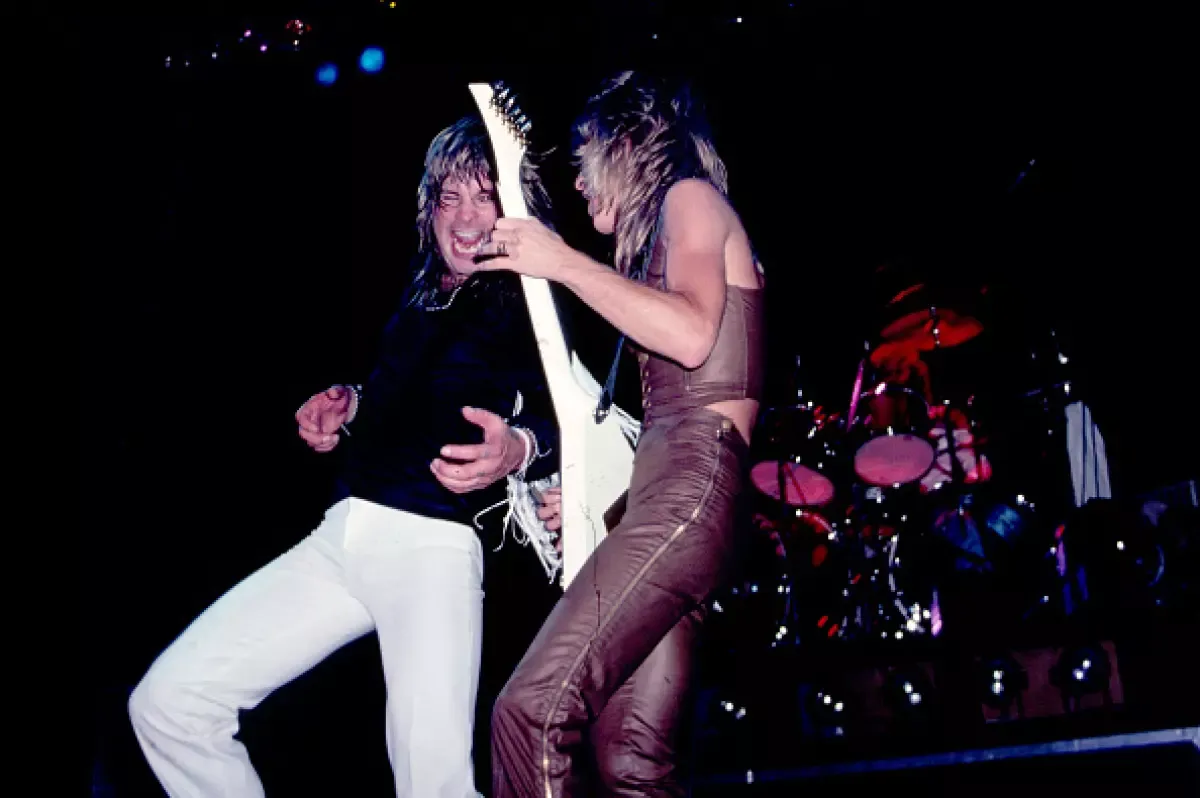
Clichés get no oxygen; controversial figures and deaths receive clear, non-exploitative treatment. The visual plan mixes period-specific archival footage and photographs with shadowed dramatic re-creations, a design that underlines the darker context without tipping into spectacle. Editing treats each episode like a chamber piece, letting testimony land before the next riff of history. Sound design favors texture over shock, with music cues that frame rather than overwhelm.
The series also returns to legacies and reevaluates them. Wendy O. Williams of the Plasmatics stands as the prime example, reframed beyond a “shock rocker” label and presented as a radical activist and anti-consumerist culture warrior. Her partner recounts her final chapter with care that lands with real pathos. The pacing across episodes feels measured, a steady march rather than a sprint, which suits stories that need room to breathe.
Empowerment and the Enduring Song
The recurring theme reads loud and clear: heavy metal gave people a sense of empowerment, belonging, and possibility. Self-expression finds volume here when the world turns the dial down. The series treats its subjects as complex people, serious artists who faced human flaws, illness, and external violence. Interviews recorded years later carry proportion and regret, a tone that adds perspective without sanding down hard edges.
The cultural commentary hits timely notes. Ann Boleyn’s experiences shine a light on persistent sexism, while Wendy O. Williams’s early views on environmentalism and police brutality feel uncomfortably current. The emotional load is heavy across eight hours, so a full-season binge plays like a stress test; a palate cleanser between chapters helps.
The rhythm of the show says endurance rather than catharsis, grief that learns to keep time. After eight parts of loss and defiance, one question hangs in the air: does this document point to a fight for acceptance that never ends, or does it argue that metal’s power lives outside the mainstream by design?
The docuseries Into the Void: Life, Death and Heavy Metal is an eight-part series that premiered on September 22, 2025, exclusively on the streaming platform Hulu. From the creators of Dark Side of the Ring, this documentary takes an unflinching look at the human struggles, tragic circumstances, and cultural impact of heavy metal’s most compelling figures, blending music history, true crime, and cultural commentary. Each episode is a standalone film, offering an intimate perspective on stories that range from the murder of Dimebag Darrell to the trial of Judas Priest and the political persecution of the band Confess. It is available to watch on Hulu and carries a TV-MA rating, indicating content intended for mature audiences.
Credits
Title: Into the Void: Life, Death and Heavy Metal
Distributor: Hulu
Release date: September 22, 2025
Rating: TV-MA
Running time: Approximately 44 minutes per episode
Director: Andrew Appelle, Simon Ennis
Writers: Jason Eisener, Evan Husney
Producers and Executive Producers: Jason Eisener, Evan Husney, Guillermo Garcia, Barry Davis, Rick Krim, Richard Bisson, Danny Gabai, Alice Rhodes
Cast: Sharon Osbourne, Zakk Wylde, Georgia Tannis Dee Rhoads, Kelly Garni, Rudy Sarzo, Tommy Aldridge, Ann Boleyn, Nikan Khosravi, Phil Anselmo, Rob Gabriele, Jesse Ruch, Cait Stuart
Director of Photography (Cinematographer): Nick Haight, Daniel Tahmizian
Editors: Austin Doan, Dipesh Mistry
Composer: Andrew Gordon Macpherson
The Review
Into the Void: Life, Death and Heavy Metal
This anthology transforms the standard music documentary by focusing on human fragility and the search for identity within a maligned subculture. It uses personal tragedy—from the loss of Randy Rhoads and Dimebag Darrell to the legal persecution of Judas Priest and the political persecution of Confess—to reveal the deep sense of empowerment the music provides. The series is emotionally taxing but provides an essential re-evaluation of its subjects’ legacies, proving these stories resonate far beyond the sound itself.
PROS
- Features a broad, intelligent mix of high-profile tragedies and underrepresented pioneers.
- The use of first-person accounts from family and partners provides powerful, humanizing emotional weight.
- Successfully frames stories like Wendy O. Williams’s activism and Ann Boleyn's struggle against sexism within a modern context.
- The eight self-contained, non-chronological episodes prevent the tone from becoming monotonous.
CONS
- The content is unrelentingly heavy and demands slow, deliberate viewing.
- Relies heavily on archival footage and limited shadowy re-creations due to the historical nature of the subjects.