























Puppet Combo’s Night Shift adapts the cult indie video game, with touches from Stay Out of the House, into a feature. The premise stays lean: Debra, a gas station clerk, faces a masked killer called The Butcher during a routine overnight shift in an isolated workplace.
The source creator, Benedetto Concuzza, directs, which signals a commitment to fidelity and cultural authenticity often sought in creator-led adaptations. The film leans into a late 1980s slasher and grindhouse throwback style, tapping into a global appetite for B-cinema’s raw energy and surface grit.
Cinematic Charisma and Technical Limitations
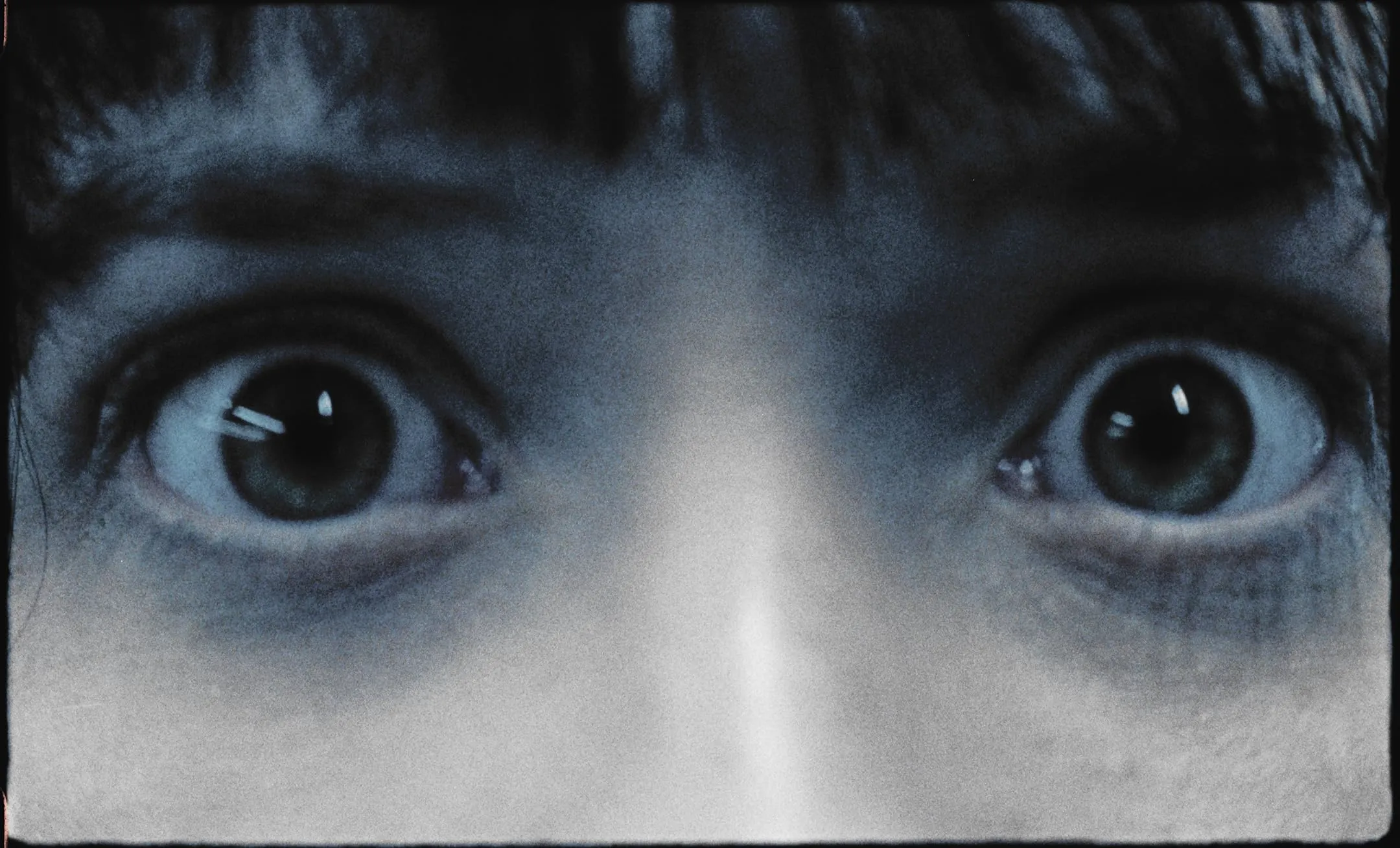
The visual identity carries the film. Shooting on 16mm supplies texture, grain, and a mid-’80s schlock patina that fits the intent. Independent filmmakers worldwide turn to legacy formats for tactility and cultural weight, and this production follows that lineage with purpose.
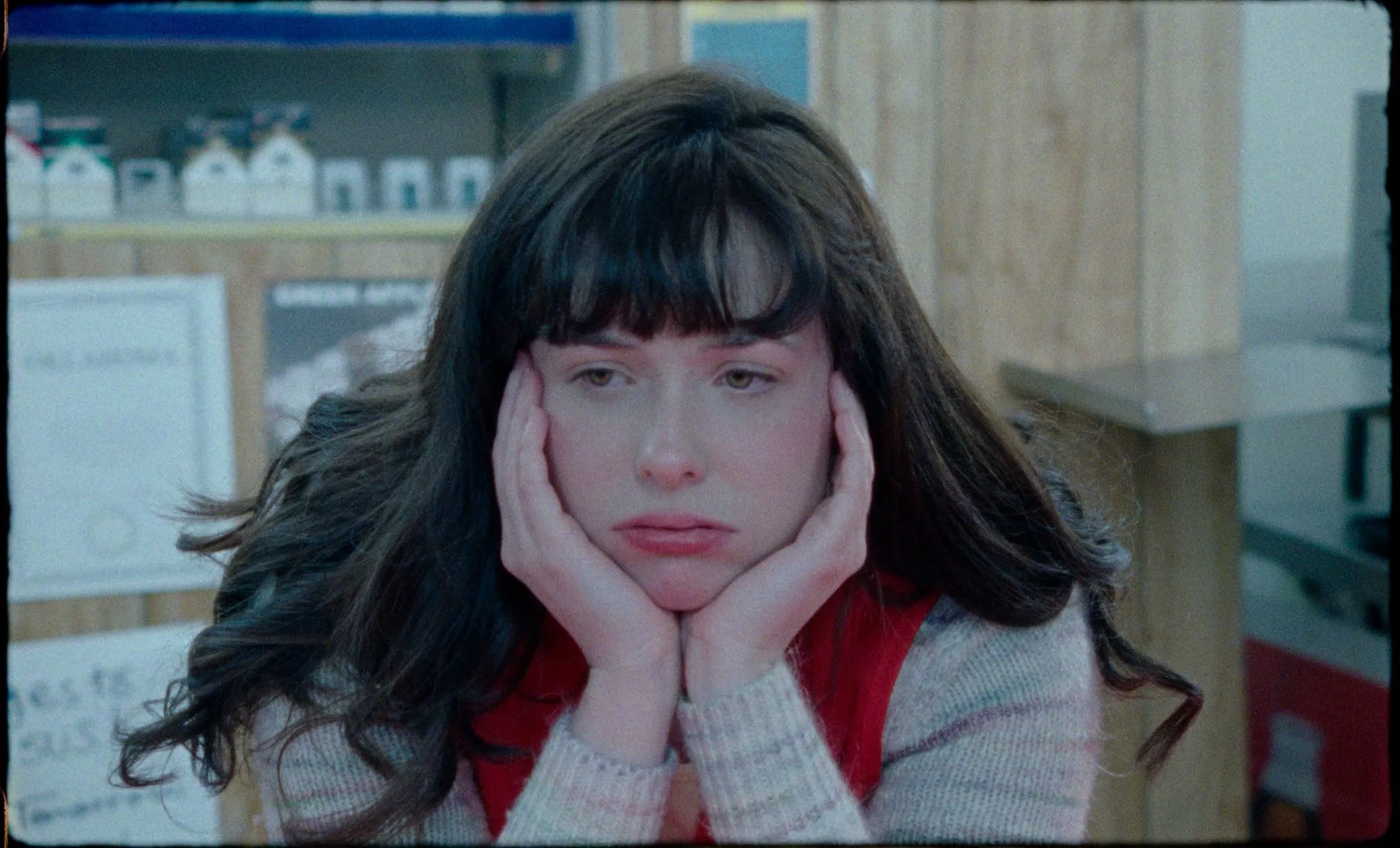
Production design mirrors the game’s gas station with near 1-to-1 precision, anchoring fans in familiar iconography while giving newcomers a defined space to read atmosphere. Practical gore arrives with pulp and grindhouse tone, without drifting into overstatement or clumsiness, which shows how measured effects work can land with impact.
The soundtrack hits the 80s horror mood and deepens the intended time-capsule effect. Audio mixing remains the persistent technical problem reported in work-in-progress screenings, with inconsistent levels that muddy dialogue and texture, a common early-cut issue for independent features that calls for finishing-pass corrections before wider release.
The Rhythm of Fear and Farce
Night Shift plays as horror comedy, mixing intentional jokes with laughs that spring from the material’s scrappy energy. The viewing experience stays fun, buoyed by gags and a lively tone that reaches beyond simple fan service.

This tone-shifting has kinship with Bollywood’s facility for moving between humor, romance, and danger, though here the pivot serves a celebration of B-movie camp. Pacing creates the major strain. Stretching a short game concept introduces padding, and the elongated runtime creates drift. The final third wanders and arrives at a climax that feels misaligned with the setup.
Performances, including gas station owner Donald Morgan, read as amateur and even “crappy,” yet that quality often amplifies the grindhouse texture and sparks real hilarity. The script seeds odd, seemingly random beats: the killer’s mother appears without explanation, and Johnny’s dead raccoon incident remains unresolved. These threads may reference obscure in-game material or simply function as stray notes that pull attention away from the main line of suspense.
A Love Letter to the Slasher Form
As an adaptation, Night Shift lands. The film preserves the games’ mood, location logic, and familiar sound cues, while adding fresh touches that still feel aligned with the source. Fans gain recognition without losing surprises, and newcomers receive a clear portrait of the property’s tone. Terror delivery varies from scene to scene.
Some set-pieces build pressure and snap; others collapse into inadvertent comedy, including a gag-like moment with the killer tripping. Humor often takes the lead over fear, which fits the title’s comic streak even as it undercuts dread. The film positions itself as a slasher homage with a direct nod to the ending of The Texas Chainsaw Massacre, linking American grindhouse tradition to contemporary indie practice and to a worldwide fascination with retro genre codes.
Dedicated slasher viewers may focus on the flaws in pacing, performance control, and sound, yet the film’s charm persists. Night Shift stands as a lively piece of nostalgic entertainment for audiences attuned to Puppet Combo’s world, for horror fans who appreciate 16mm grit, and for viewers interested in how a game’s minimal framework can scale to feature length through texture, iconography, and tonal play.
Puppet Combo’s Night Shift is a feature-length slasher film adapted from the 2018 retro-style indie horror video game of the same name. Written and directed by the game’s creator, Benedetto Cocuzza, the movie is a gritty, 1980s-set homage to classic slasher cinema, shot on 16mm film to achieve a signature VHS-style aesthetic. The film follows Debra, a gas station clerk working the graveyard shift who becomes the target of a relentless serial killer. The movie was set for a limited tour of sneak preview screenings in the US, Canada, and the UK in October 2025, and details regarding a wider distribution and where it can be watched are expected following this initial run.
Credits
Title: Puppet Combo’s Night Shift
Distributor: Puppet Combo
Release date: October 2025
Running time: 1 hour 22 minutes
Director: Benedetto Cocuzza
Writers: Benedetto Cocuzza
Producers and Executive Producers: Maggie Brown, Elliot McMillan
Cast: Adrianne Knapp, Justin West, Phu Mau, Donald Morgan, Dayna Dane, Bee Davies, Walter Robert Duckworth, Furillo Franklin, Luciana Jeffers, Jamil Khan, Tabitha Mixon, Lawson Nuland, Daniel Profeta, Sean Watson, Justin Whang, John Wolfe
Director of Photography (Cinematographer): Blake Whatley
The Review
Puppet Combo's Night Shift
Puppet Combo's Night Shift succeeds largely as a faithful and charming genre exercise. Director Concuzza captures the sleazy 80s aesthetic using 16mm film, resulting in a fun, campy, and highly authentic grindhouse feel. While the movie suffers from notable technical flaws, particularly poor audio mixing, and struggles with pacing when expanding its brief source material, these issues rarely detract from its enjoyment as a horror comedy. It is a rewarding experience for fans of the video game and the retro slasher style, prioritizing charisma and fidelity over conventional narrative polish.
PROS
- Highly faithful to the source material.
- Authentic grindhouse aesthetic via 16mm film.
- Effective practical gore and effects.
- Successful horror-comedy tonal blend.
- Soundtrack perfectly captures the 80s mood.
CONS
- Significant pacing issues; runtime feels extended.
- Poor and inconsistent audio mixing.
- Unresolved, random plot elements that disconnect from the main story.
- Inconsistent effectiveness as a pure horror film.
- Acting quality is often amateurish (though this aids the camp appeal).