













Blue Eyed Girl, written by and starring Marisa Coughlan and directed by J. Mills Goodloe, arrives as a reflective dramedy that shifts the coming-of-age template into midlife. The story tracks Jane, a married Los Angeles actress whose career has stalled. She heads back to Minnesota after a jolting family emergency: her father Jack (Beau Bridges) experiences a grave health crisis, with the film hinting at a suicide attempt.
The scare lands like a hard stop in time, pushing Jane into a reckoning with old wounds and the gulf between the life she lives and the one she once expected to claim. The film’s emotional truth seems tied to Coughlan’s own biographical echoes. Visually, the Twin Cities in autumn, shot by DP Andrew Russo, supplies a gorgeous russet-toned frame for Jane’s inventory of self, a season that feels built for second thoughts.
The Sister-Set and the Burden of Kinship
Family is where the film feels most sure-footed. Bridges gives Jack a warm, weathered presence, moving between gruff humor and real fragility without fanfare. His bond with Jane reads as openly affectionate, the kind of parent-child closeness that survives years of distance and silence.
Jane’s two sisters sharpen that portrait. Alex (Eliza Coupe), the biting, very wealthy eldest, radiates “rich mom energy,” yet she has no children. She lives in a waterfront manor and wears privilege like a polished mask. Coupe lands the script’s sharpest lines with timing that keeps Alex funny and faintly bruised. Cici (Bridey Elliott), the youngest, brings almost absurd energy as a local Renaissance Festival queen, often appearing in full royal regalia.
These three women are wildly different, yet their bond feels lived-in and credible, full of the quick jabs and sudden tenderness that define adult sibling life. Their scenes crackle with quips and petty quarrels that carry real history underneath.
The film also makes room for Calley (LisaGay Hamilton), Jack’s nurse. Her brief, quiet connection with Jane carries surprising weight, hinting that profound loss can clear space for a new kind of intimacy.
The Romantic Contrivance and the Cost of Regression
Jane’s self-reckoning leans hard on a high-school romance resurfacing. Harrison (Sam Trammell), her former flame, reenters her life and pushes her to reconsider her marriage to Cal (Freddy Rodriguez). The beat plays as an obvious story mechanism, a spark designed to prod Jane into reflection. Harrison himself comes off flat, shading into arrogance and a dash of corniness, without the magnetism that would make Jane’s temptation feel urgent.
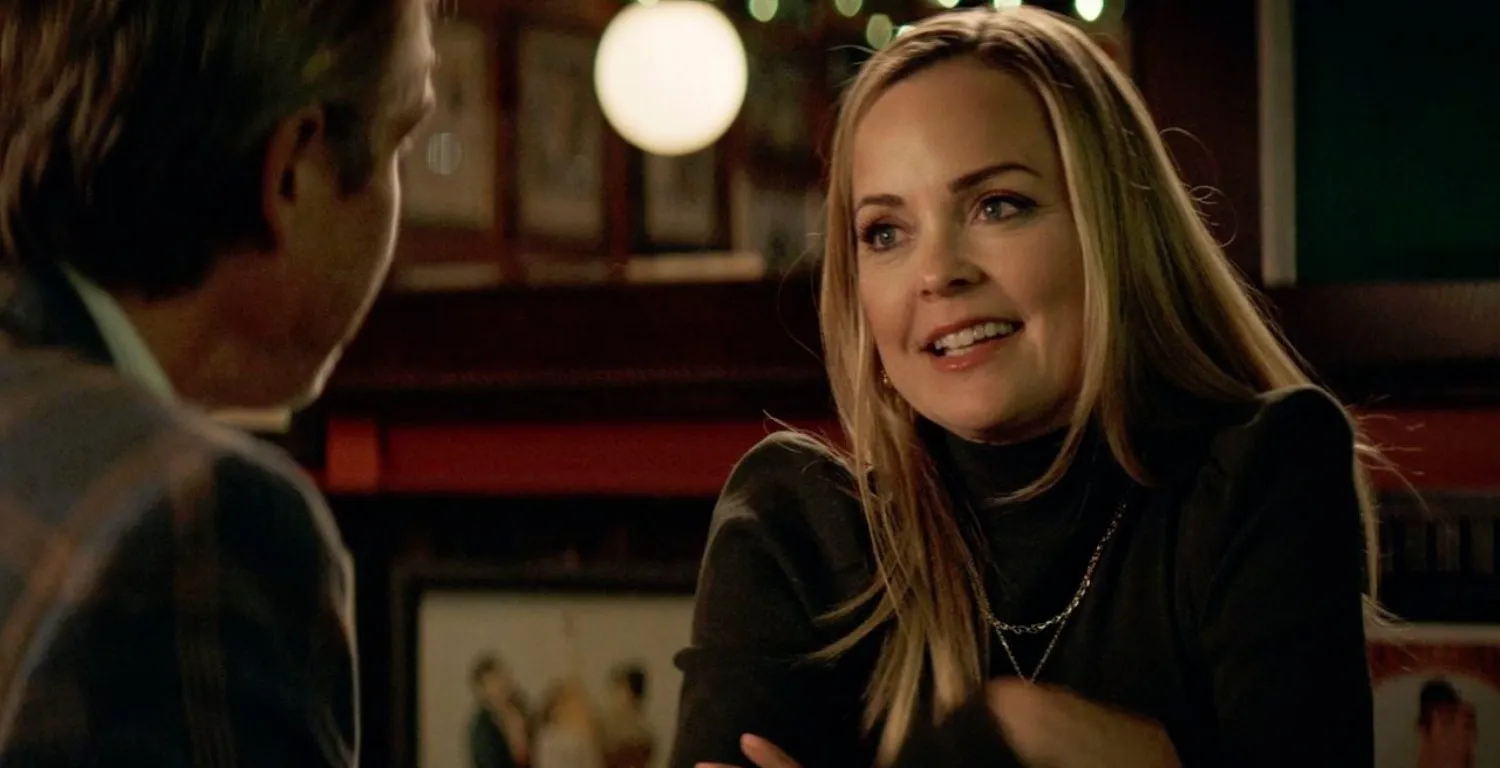
Rodriguez makes Cal instantly likable. He plays him as a supportive, easygoing partner, and the warmth between him and Jane lands quickly. With that foundation in place, the film’s heavy investment in the Harrison thread feels puzzling. Jane’s flirtation with abandoning a stable life for a low-spark “what if” reads more self-involved than searching, thinning out the emotional complexity that the premise promises. The triangle becomes the clearest thematic stumble, coating the movie in the sheen of familiar romance plotting.
That choice weakens the richer material sitting right there: the hard work of accepting a life that looks ordinary from the outside, and the raw emotional fallout of Jack’s crisis. The film seems to want a braver conversation about aging, regret, and the stories we tell ourselves to stay functional, then keeps sidestepping into a romantic detour that cannot carry that weight.
Style, Symbolism, and the Comic Undercurrent
On a craft level, the movie is steady and competent, keeping a calm pace that lets scenes breathe. The Minnesota setting is filmed with storybook care, and the autumn landscape functions almost like another character, offering a sense of rooted stability that Jane cannot quite find inside herself.
That visual serenity runs alongside Jane’s restless interior. Home becomes a site where memory reasserts itself, where the past keeps tapping your shoulder, and where the self you rehearsed at seventeen comes knocking at forty-something with a smug little grin.
The comedy-drama balance is the shakier element. The dramedy tag fits, yet some jokes arrive too soon, stepping on moments that need silence. A major family revelation is followed almost immediately by wisecracks, creating a tonal wobble that suggests a reluctance to sit with discomfort. Coughlan remains its stabilizer. She makes Jane approachable and luminous on the surface while letting doubt leak through the cracks, giving the story emotional traction even when the structure swerves.
Blue Eyed Girl is a dramedy centered on Jane Messina, a married actress in her forties who returns to her Minnesota hometown to care for her ailing father. Confronting her past alongside her two vastly different sisters, Jane is forced to re-evaluate her life, marriage, and the choices that led her to her present reality. The film was released on November 21, 2025, and is available for viewing on Digital and On Demand platforms, including Amazon Video.
Full Credits
Title: Blue Eyed Girl
Distributor: Quiver Distribution
Release date: November 21, 2025
Running time: 1 hour and 37 minutes (97 minutes)
Director: J. Mills Goodloe
Writers: Marisa Coughlan
Producers and Executive Producers: Jeremy Alter, Marisa Coughlan (Producer), John Papsidera
Cast: Marisa Coughlan, Beau Bridges, Eliza Coupe, Freddy Rodriguez, Sam Trammell, LisaGay Hamilton, Bridey Elliott, Ashley Jones
Director of Photography (Cinematographer): Andrew Russo (Based on review information)
Editors: Joe Wiesen
Production Companies (as per available sources): KK Ranch Productions, Lucky 13 Productions, CCandME Productions
The Review
Blue Eyed Girl
Blue Eyed Girl is a meaningful midlife portrait, beautifully shot and anchored by Marisa Coughlan's strong, relatable performance and excellent family dynamics (especially the sibling and father-daughter bonds). The film genuinely explores the complex themes of accepting life’s reality over fantasy. However, its narrative focus on an unconvincing and contrived love triangle dilutes its otherwise thoughtful message, ultimately lessening the impact of its profound emotional core.
PROS
- Notable performances from Marisa Coughlan, Beau Bridges, and Eliza Coupe.
- The sisterly banter and the father-daughter bond are genuine and touching.
- Offers a mature, reflective take on the "coming-of-age" genre.
- Beautiful cinematography capturing the autumn Minnesota landscape.
CONS
- The love triangle with Harrison lacks chemistry and feels narratively forced.
- Focus on romance underserves richer themes of depression and midlife acceptance.
- Humor occasionally undercuts moments of serious emotional gravity.
- Significant events, like the father's health crisis, are sometimes sidelined.