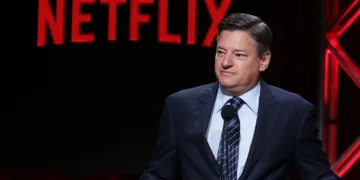
























Netflix co-CEO Ted Sarandos quietly met President Donald Trump at the White House weeks before Netflix clinched its roughly $83 billion agreement to acquire Warner Bros. Discovery, adding a political layer to a merger already facing intense antitrust scrutiny. The Oval Office session, first detailed by Variety and confirmed by people familiar with the talks, took place in mid-November and ran for more than an hour.
According to those accounts, Sarandos used the meeting to make the case for Netflix’s bid and to argue that the streamer does not operate as a monopoly, pointing to recent subscriber swings and heavy competition from rivals. Trump, who had previously signaled sympathy for a rival offer backed by his longtime ally Larry Ellison, told Sarandos that Warner Bros. should sell to the highest bidder, a stance that cleared the way for Netflix’s winning proposal.
Netflix has since entered exclusive talks to buy the Warner Bros. studio and the HBO Max service, leaving cable assets such as CNN to be spun off into a separate company. The proposed deal would place Warner’s film library, DC superheroes, the “Harry Potter” franchise and HBO’s prestige series under the same corporate roof as Netflix’s streaming platform. Analysts estimate the combined company would hold around 30% of the U.S. subscription streaming market.
Trump publicly acknowledged the White House meeting on Sunday, calling Sarandos a “fantastic man” while warning that the enlarged company’s “very big market share” “could be a problem.” He told reporters he plans to be “personally involved” in the Justice Department review and pointed to his earlier fight over AT&T’s takeover of Time Warner as a precedent for aggressive scrutiny of media consolidation.
Skepticism has been building on several fronts. A Paramount Skydance legal letter to Warner Bros. Discovery chief executive David Zaslav alleged that the sales process was “tainted” by management conflicts that favored Netflix, while warning that regulators in the U.S. and Europe might never sign off on the transaction. Progressive lawmakers such as Sen. Elizabeth Warren have branded the merger an “anti-monopoly nightmare,” and theater owners and guilds have raised alarms about further erosion of theatrical windows and bargaining leverage for talent.
Netflix has tried to calm those fears. On a recent investor call, Sarandos said he feels “highly confident” the company can clear regulatory hurdles, arguing that any market assessment must factor in YouTube, TikTok and other platforms that compete for the same screen time. The company has agreed to pay a multibillion-dollar breakup fee if regulators block the deal, which is expected to face a lengthy review and would not close before late 2026.