






























Netflix’s proposed $82.7 billion acquisition of Warner Bros. Discovery’s studios and streaming business faces a long regulatory fight, with Donald Trump’s stance emerging as a central unknown. The deal, announced December 5, would fold Warner Bros., HBO and HBO Max into Netflix after a planned spin-off of WBD’s linear cable assets, and would be reviewed by the Justice Department and possibly the Federal Trade Commission. Because the transaction excludes broadcast stations, it would bypass the Federal Communications Commission, narrowing the list of formal gatekeepers.
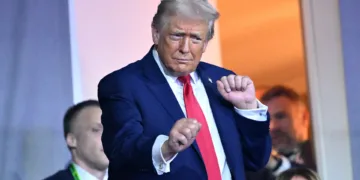
A senior administration official has already signaled “heavy skepticism” inside the White House, according to reporting on Friday, a hint that the Trump team views the merger as a potential test case for its antitrust rhetoric. Trump campaigned in 2016 against the AT&T–Time Warner tie-up, calling it “too much concentration of power,” and his Justice Department later sued to stop that deal before losing in court. That history feeds industry concern that political considerations could color the Netflix review even though the president cannot formally veto a merger.
Opposition has already crossed party lines. Senator Elizabeth Warren has branded the transaction an “anti-monopoly nightmare” and warned it would create a streaming giant with control of close to half of the U.S. market, raising the prospect of higher prices and fewer choices for viewers while putting workers at risk. Republican Senator Mike Lee has flagged “a lot of antitrust red flags” and said a congressional hearing on the deal is “almost certain,” signaling that lawmakers intend to pressure regulators from both sides of the aisle.
Hollywood unions and exhibitors have joined the pushback. The Writers Guild of America and other labor groups warn that combining Netflix with Warner Bros. and HBO could lead to job cuts, weaker bargaining power and fewer theatrical releases, with one cinema trade organization calling the deal an “unprecedented threat” to theaters. By contrast, Netflix argues that the merger would expand its content slate, support higher production levels and generate $2–3 billion in annual cost savings by year three, which executives say would help keep subscription prices in check and fund new films and series.
Regulatory experts expect a hard look in Europe alongside the U.S. review. Some EU antitrust specialists have said an outright block appears unlikely but predict remedies such as divestitures or strict conduct rules, particularly around licensing and theatrical windows. Investor notes describe a “regulatory mountain” that could delay closing or force structural changes, while stressing that global regulators will weigh the competitive benefits of a larger streaming platform against the risks of further consolidation. Trump’s Justice Department will set the tone at home, yet the fate of the deal may hinge just as much on technical antitrust analysis in Washington and Brussels as on headline politics.