



























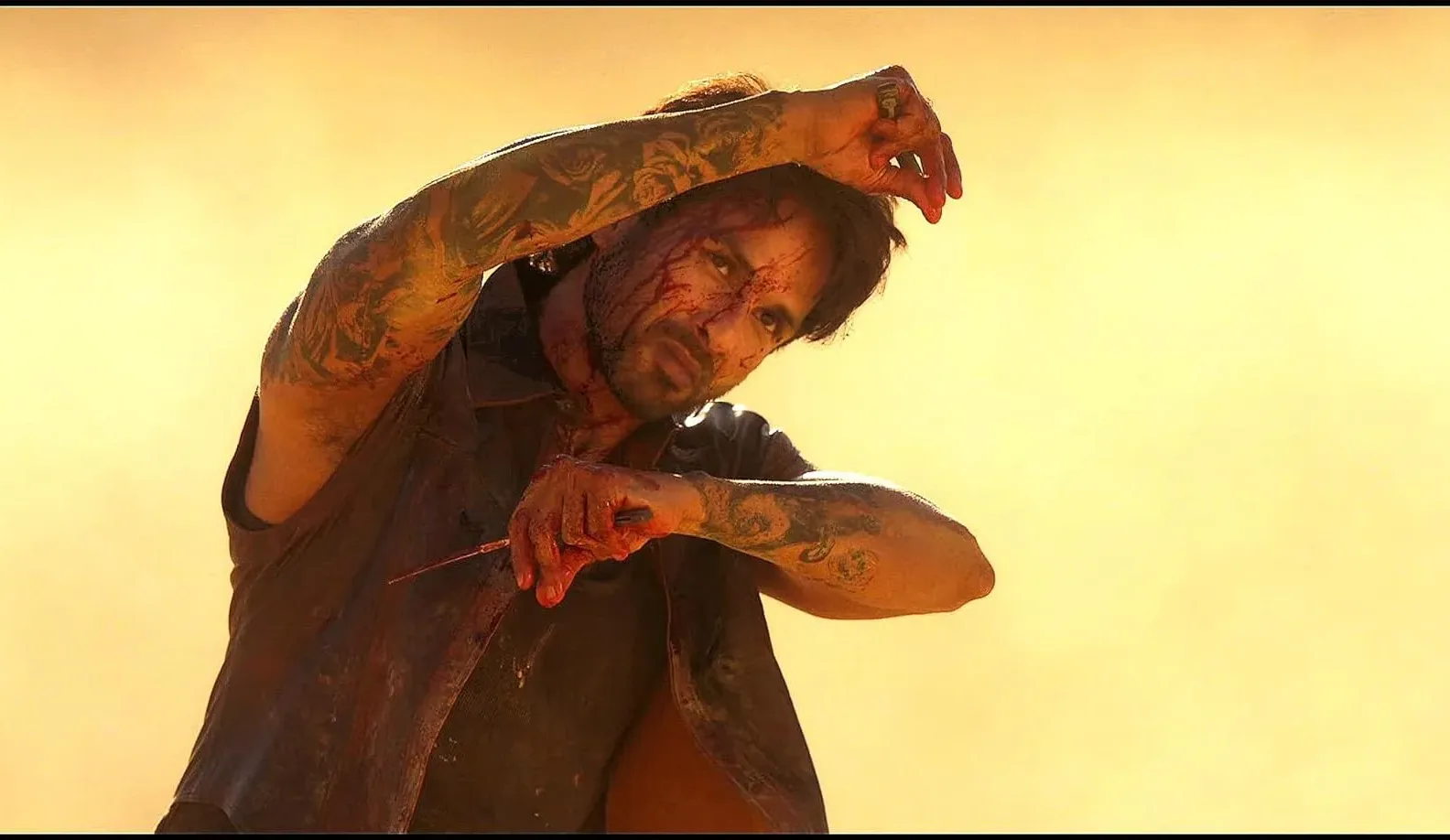

O’Romeo drops the viewer into the humid, perilous Muslim quarters of south Mumbai during the 1990s. Indian crime films return to this decade for good reason: it marks a stretch when organized syndicates pressed their authority onto the city’s daily life.
Director Vishal Bhardwaj draws on the gritty true-crime accounts of Hussain Zaidi and builds a world where salt-heavy sea air mixes with the residue of gunpowder. Hussein Ustara anchors the story, a hitman whose nickname comes from the barbershop razor he handles with practiced precision. He keeps a kind of coastal domestic order by the seafront, flanked by loyal minions and monitored by a sharp-eyed grandmother.
That rhythm breaks the moment Afshan appears. She arrives looking for a contract killer to take out four men who murdered her husband. Her presence reroutes the plot, pushing a cold executor into a man acting from protective, desperate love. The film widens its map as well, traveling from India’s tight lanes to Spain’s sprawling haciendas.
Fractured Identities and Gangland Archetypes
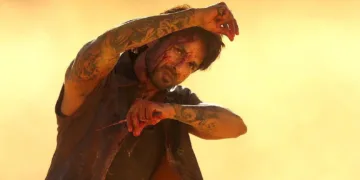
Shahid Kapoor carries the film as Hussein Ustara, committing to a physical transformation defined by dense tattoos and a rugged, scruffy beard. He brings a volatility that feels born from the streets around him. His work moves between high-decibel eruptions and long stretches of quiet, haunted reflection. Kapoor shapes Ustara with a stubborn, child-like rigidity, and that stubbornness sharpens as his fixation on Afshan grows.
Triptii Dimri plays Afshan with fierce agency, steering clear of the helpless-widow template. She enters as a figure marked by grief, then shifts fast into a feral participant in the machinery of revenge. The tie between the two leads avoids romantic polish. Their closeness reads as something forged from shared trauma and nihilism, with tenderness arriving in jagged, uneasy forms.
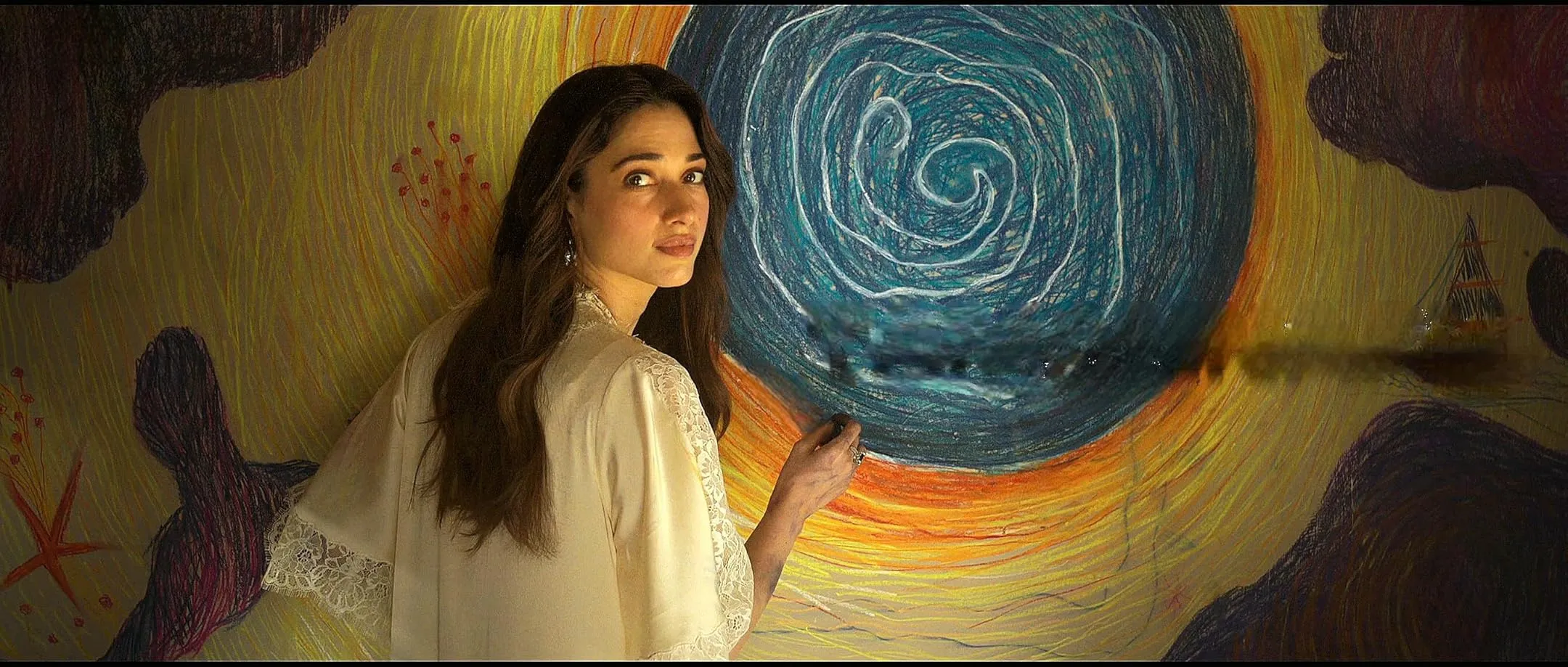
Avinash Tiwary appears as the antagonist, Jalal, and he brings a different charge to the film’s menace. Stationed in Spain, Jalal is written as a bull-fighting gangster, and Tiwary leans into that unpredictability with a steady sense of threat. The supporting cast fills out the texture of this violent terrain. Nana Patekar plays a weary intelligence handler with his familiar restraint, and Farida Jalal cuts through scenes as the sharp-tongued grandmother. Disha Patani and Tamannaah Bhatia take smaller parts that register the collateral damage created by these warring factions.
Also Read





Aesthetic Decay and the Antihero Aesthetic
The film’s visual language pivots between urban grime and the ostentatious gold of crime dens. Mumbai arrives as a claustrophobic maze of dim apartments, cramped corridors, and neon-lit fish tanks. Cinematographers Ben Bernhard and Saurabh Goswami favor low-key lighting that leaves faces half-obscured, pressing the characters into partial shadow and letting moral ambiguity sit on every frame. The approach places the film alongside global neo-noir currents where setting mirrors a protagonist’s internal rot.
Once the story moves to Spain, the sense of scale changes sharply. The squeezed Mumbai streets give way to wide bullrings and sun-drenched estates, and the tension keeps its grip on the scenes. Violence plays like stylized spectacle, visible early in an action sequence built around a popular 1990s dance track.
The razor returns again and again as a visual motif, standing for both Ustara’s skill and his capacity for lethal efficiency. Production design locks onto tactile decay, from peeling paint to rusted gates, grounding the stylization in physical wear. The result fits a larger turn within Indian cinema toward aestheticized brutality and the rise of the antihero.
Rhythms of Revenge and Poetic Violence
Vishal Bhardwaj handles direction and musical composition, reuniting with lyricist Gulzar. Their partnership shapes a soundscape that sets lyrical feeling against the film’s carnage. Songs like “Paan Ki Dukaan” push kinetic energy that matches the protagonist’s unhinged edge. Gulzar’s writing finds flashes of grace inside a story ruled by gunfire and betrayal.
The background score becomes especially important in the climax, carrying emotional weight as dialogue recedes. One of the film’s most memorable sonic touches arrives through a cop who sings classical music. His hobby reshapes the sound of his scenes, creating an unsettling pairing of traditional art and modern crime.
Music also supports pacing as the story crosses settings, moving through the chaos of local trains and the press of festive street crowds. That score keeps a dreamy, near-surreal haze alive, even during the most grounded action set pieces. The blend of classical influence and contemporary urgency leaves an emotional echo that lingers after the last act of violence.
O’Romeo arrived in theaters on February 13, 2026, marking a high-profile cinematic reunion between director Vishal Bhardwaj and actor Shahid Kapoor. Based on a chapter from Hussain Zaidi’s book Mafia Queens of Mumbai, the film explores the dark intersections of the 1990s underworld and a high-stakes revenge mission. While the movie is currently enjoying its theatrical run, it is set to premiere on Amazon Prime Video as its official streaming partner, likely arriving on the platform by mid-April 2026.
Where to Watch O’Romeo (2026) Online


Full Credits
Title: O’Romeo
Distributor: Pen Marudhar, Amazon Prime Video
Release date: February 13, 2026
Rating: A (Adults Only)
Running time: 178 minutes
Director: Vishal Bhardwaj
Writers: Vishal Bhardwaj, Rohan Narula, Hussain Zaidi
Producers and Executive Producers: Sajid Nadiadwala
Cast: Shahid Kapoor, Triptii Dimri, Nana Patekar, Avinash Tiwary, Tamannaah Bhatia, Disha Patani, Farida Jalal, Vikrant Massey
Director of Photography (Cinematographer): Ben Bernhard, Saurabh Goswami
Editors: Aarif Sheikh
Composer: Vishal Bhardwaj
The Review
O’Romeo
O’Romeo is a technically masterful but emotionally distant exploration of the antihero. Vishal Bhardwaj successfully captures the gritty pulse of 90s Mumbai through a lens of aestheticized violence and poetic melancholy. While the performances by Shahid Kapoor and Triptii Dimri are explosive, the relentless cynicism and three-hour runtime eventually drain the narrative of its romantic stakes. It remains a fascinating, stylish experiment in genre-blending that favors mood over emotional catharsis, offering a bloody, visually rich descent into gangland fatalism.
PROS
- Exceptional production design and cinematography that evoke a tactile sense of 90s Mumbai.
- Shahid Kapoor and Triptii Dimri deliver committed, raw portrayals of broken characters.
- The collaboration between Bhardwaj and Gulzar provides a beautiful, lyrical contrast to the on-screen carnage.
- The film creates an immersive, neon-drenched environment that feels both unique and authentic.
CONS
- The focus on brutality often leaves the central romance feeling cold and hollow.
- A nearly three-hour runtime with a slower second half tests the viewer's patience.
- Talented actors like Tamannaah Bhatia and Vikrant Massey are given very little to do.
- The reliance on gratuitous bloodshed occasionally overshadows the narrative’s poetic ambitions.